Piedmont tastes better with one small group. I love how this day links Alba and Barbaresco with a relaxed pace, so you get medieval streets and then slide into a family winery for guided tastings and a cellar walkthrough. It is built for people who want real Piedmont flavor without sprinting from stop to stop.
I also like that you taste five wines, not just the headline bottle, and the guiding style tends to be lively (I’ve seen leaders like Stefano and Oleg keep the explanations clear and the group smiling). One consideration: lunch is not included, and the castle portion at Grinzane Cavour may shift on Tuesdays since the site can be closed, replaced by a Barolo-area viewpoint instead.
In This Review
- Key highlights worth your attention
- From Milan Central to the Langhe Hills: how the day is paced
- Alba: medieval streets, truffles and hazelnuts, with time to breathe
- The family-run Barbaresco winery: 5 wines, vineyard context, and aging details
- Grinzane Cavour and the Barolo viewpoint option: UNESCO views without a rush
- Price and value: what you’re paying for at $226.47
- Practical tips that make the day smoother
- Who this tour is best for (and who should skip it)
- Should you book this small-group Barbaresco day trip?
Key highlights worth your attention
- Five glasses of wine included, including two Barbaresco pours
- Family-run winery tour with both vineyard time and an aging-cellar visit
- Alba old town walking time focused on truffles, hazelnuts, and medieval charm
- UNESCO Grinzane Cavour stop with panoramic terrace views (or a Tuesday viewpoint alternative)
- Small group size (max 19) that keeps questions and conversation possible
From Milan Central to the Langhe Hills: how the day is paced
This is a full 10-hour outing that starts at Milan Central, meeting near Piazza Duca d’Aosta (start time 9:00 am). You’ll ride in an air-conditioned vehicle with a small group capped at 19, which makes a big difference on a long day like this. It is also offered in English, so you can actually follow along instead of guessing what you’re looking at.
The best part of the timing is that you go out early enough to enjoy Alba at a walkable pace before the day gets too crowded. You also get a structured wine schedule, which matters because the Langhe region can feel like one long blur of hills unless you have context. I like that the plan balances food, sightseeing, and wine rather than turning it into a hurry-up-and-buy day.
You can also read our reviews of more food & drink experiences in Milan
Alba: medieval streets, truffles and hazelnuts, with time to breathe
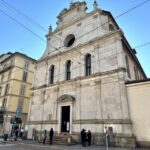
Alba is where the trip earns its charm. You’ll get a guided walking tour through the medieval center and even into quieter corners like courtyards, not just the main drag. It’s the kind of stop where you can slow down, look up at towers, and actually notice the architecture.
Alba’s identity is food-first. This is the truffle and hazelnut capital, tied to the White Truffle Fair (running October through December) and the hazelnut industry that helped make brands like Ferrero famous. If you love that Piedmont flavor profile, the timing works because truffles and hazelnuts are not just a trivia fact here—they’re woven into what people do, sell, and cook.
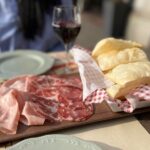
You’ll also have time for lunch. Lunch is not included in the tour price, so plan for it as an extra cost, then pick something simple and local once you’re there. Since the tour includes wine later, I suggest a lunch that won’t knock you out before the winery, like a lighter pasta or a local meat-and-cheese plate.
A small practical note: Alba is pleasant to walk, but it is still a historic town with uneven surfaces in places. Comfortable shoes help a lot, especially because the rest of the day includes walking in and around vineyards and a castle viewpoint.
The family-run Barbaresco winery: 5 wines, vineyard context, and aging details
Stop 2 is the heart of the day. At a family-run winery in Piedmont, you get an exclusive tasting of five glasses, including two Barbaresco wines. That matters because Barbaresco isn’t one-note. By tasting more than one style, you get a better sense of how the same region can show different expressions.
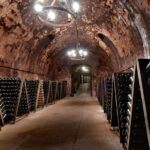
You also get more than a sit-down tasting. There is a guided tour that includes vineyard time and a cellar tour, plus time to see how wines develop in wood barrels and barriques. A key detail here is that Barbaresco spends about 26 months aging, including around nine months in wood, which helps explain why the wines often feel structured but smooth. If you’ve ever wondered why some Barbaresco tastes firm yet not harsh, that aging process is the reason.
The tasting includes Barbaresco plus other Piedmont favorites, with options such as Barbera, Dolcetto, and Langhe Nebbiolo. You won’t just be drinking; you’ll learn how grapes and growing conditions feed into flavor. Even if you’re a casual wine drinker, the vineyard walk gives your glass context fast.
There is also usually time to browse and buy if you want. In my experience with winery stops in this region, you’ll often spot opportunities to take home local goods, including hazelnut products and bottles you can’t easily find at home. If you do plan to buy wine, bring a plan for how you’ll transport it back to Milan, since you’ll still be on the bus after tasting.
One more thing I appreciate: this stop is long enough (about two hours) to settle in. You are not doing a five-minute tasting and rushing away to the next photo spot. The pace supports real conversation with your guide and helps you compare the wines instead of forgetting what you liked ten minutes later.
Grinzane Cavour and the Barolo viewpoint option: UNESCO views without a rush
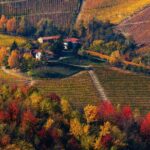
Stop 3 brings you to the UNESCO-listed Castello di Grinzane Cavour. You’ll visit at your own pace for about 45 minutes, which is the right amount of time for a viewpoint stop. The castle’s terraces look out over the Barolo vineyards, so you get that classic Langhe panorama—hills on hills, dotted with vines.
On Tuesdays, there’s a built-in backup. When the castle is closed, you’ll go to a panoramic viewpoint in the Barolo hills instead. That means your day doesn’t fall apart on a schedule technicality. You still get the views, which is the main reason most people want this stop.
Castle visits are often where tour days can get awkward, because you might want to read everything but you don’t have time. With this setup, you can choose your style: quick photos and fresh air, or slow looking and a bit of history from what’s around you. Since you’re on your own during this segment, you control the pace.
Just remember: even a short castle stop can involve walking on uneven stone. If you’re traveling with anyone who has mobility limits, it’s worth going slowly and using the time you have without feeling pressured.
Price and value: what you’re paying for at $226.47
At $226.47 per person, you’re paying for a lot more than wine. You’re funding round-trip transportation from Milan, an English-speaking guide, guided walking in Alba, and the structured winery experience including cellar and aging tour. On top of that, you’re getting five glasses of wine, including two Barbaresco selections.
You should also factor in what isn’t included. Lunch is not included, so you’ll add a meal cost in Alba. The castle admission is also not included, so you’ll want to be ready for that small extra. These are normal extras for day tours like this, but they do affect your total budget.
Still, when I look at value for this kind of itinerary, the included wine tasting and the cellar/vineyard tour are the real drivers. Getting a guided tasting with vineyard and cellar context usually costs more if you try to piece it together alone. The small group size also helps: you get a shared experience without feeling like part of a moving crowd.
If you’re deciding between doing Barbaresco on your own versus with a small group, the time savings matter. You avoid figuring out transport across the Langhe hills and you get a guide to explain what you’re seeing, tasting, and buying.
You can also read our reviews of more wine tours in Milan

Practical tips that make the day smoother
Here are the things I’d do before you go, based on how the day is structured.
Wear for walking and winery air. You’ll be on your feet in Alba and you’ll spend time around vineyards and in a cellar environment. Comfortable shoes are non-negotiable.
Plan for wine timing. Five glasses can add up, especially on a long day that includes driving. I suggest pacing yourself during tastings, and if you’re buying bottles, pick what you truly want to take home rather than what you might later feel you have to finish.
Bring a simple payment plan. Since lunch and the castle admission are not included, keep a card and some cash handy. Also consider that you might want to purchase wine or hazelnut products at the winery area.
If you’re traveling solo, this works well. The group size is small enough that you can ask questions and meet people without the awkwardness of large tours.
Service animals are allowed, and the meeting point is near public transportation, which can help if you’re getting in and out of Milan in a rush.
Who this tour is best for (and who should skip it)
This is a strong fit if you want Piedmont for a day without the stress of planning. It’s ideal for couples, friends, and solo travelers who care about wine enough to learn what they’re tasting, but don’t want a complicated itinerary.
It also works well if you like sightseeing that feels human-paced. Alba’s walking tour and the personal feel of a family winery stop make the day feel more like a guided visit than a checklist.
You might want to skip it if you hate long travel days. This is about 10 hours, starting early, and you’ll spend a good part of it on the vehicle. It’s also not built for people who only want one short tasting or who want zero walking at all.
Should you book this small-group Barbaresco day trip?
I’d book it if you want a balanced Piedmont day: a medieval town walk in Alba, a real family winery experience in Barbaresco country, and a castle viewpoint that anchors the trip in the UNESCO setting. The included five-glass tasting (with two Barbaresco wines) plus the vineyard and aging-cellar tour is the core value, and the small group size keeps it from feeling chaotic.
I would hesitate only if your main goal is food and you want lunch included, or if you strongly prefer the Grinzane Cavour castle itself over any Tuesday viewpoint substitute. Otherwise, for people who want authentic Piedmont flavor, this is a very solid use of a day from Milan.