REVIEW · MILAN
Small-Group Barolo Wine Tasting, Alba & UNESCO Piedmont Hills
Book on Viator →Operated by Abroads Tours · Bookable on Viator
Barolo in one long day? This small-group Piedmont trip pairs Alba walk time with a guided Barolo tasting built around Nebbiolo rules, then finishes with a UNESCO castle viewpoint.
I especially like the family-winery cellar access and the guided tasting format, where you taste at least six Langhe DOC/DOCG reds (often seven). You’ll also get a real town break in Alba, not just a quick photo stop.
One thing to watch: it’s a packed 10.5 hours, and on Tuesdays the castle is closed, so the stop shifts to a La Morra viewpoint instead.
In This Review
- Key reasons this Piedmont day works
- A 10.5-hour Milan-to-Piedmont day: pacing and expectations
- Alba’s medieval core: towers, San Lorenzo, and truffle-season energy
- Barolo isn’t a “random red”: how the tasting is built on strict rules
- Grinzane Cavour Castle and the UNESCO finish: what to expect on the ground
- Tuesday note: when the castle is closed
- Small-group size, English guidance, and how the van time feels
- Lunch, timing, and what you should plan to spend extra
- Price and value: is $216.46 a fair deal for this mix?
- Who should book this Barolo and Alba day trip
- Should you book it? My straight answer
- FAQ
- How long is the tour from Milan?
- What wines are included in the Barolo tasting?
- Do you visit a winery with cellar access?
- Will you always see Grinzane Cavour Castle?
- How much time do you get in Alba?
- Is lunch included?
- How large is the group?
- Can I cancel and get a full refund?
Key reasons this Piedmont day works
- A Nebbiolo-focused Barolo tasting with DOC and DOCG reds, guided with terroir and tradition in mind
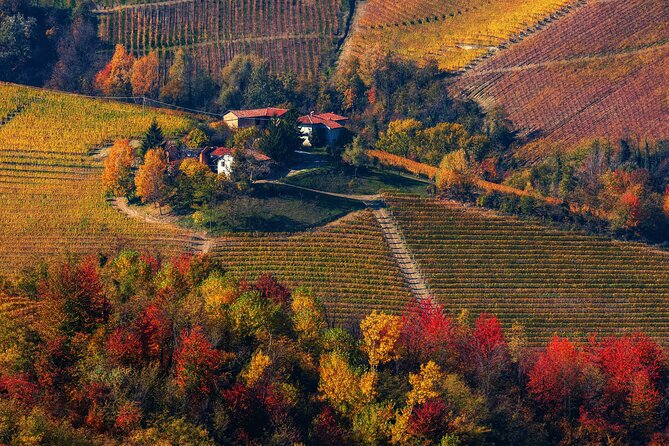
- Cellar access at a family-run winery in a panoramic setting among vineyards
- UNESCO Grinzane Cavour Castle plus the extra-scenic La Morra viewpoint on Tuesdays
- Alba on foot with medieval streets, the Cathedral of San Lorenzo, and free time for shops and lunch
- Small-group comfort: max 19 people in an AC private van with licensed English guidance
A 10.5-hour Milan-to-Piedmont day: pacing and expectations
This is the kind of day trip that feels “long” on the clock and “fast” once you’re moving. The total duration is about 10 hours 30 minutes, and the travel time from Milan is built into that number. Since you’re starting at 9:00 am, you’ll want a calm morning and an easygoing lunch plan.
The upside is that the schedule is structured: time in Alba, then time to learn and taste at a winery, then a castle-style finale with views. The downside is that you won’t get hours and hours at any single stop. Think of it as a high-quality sampler of the Langhe-Roero area rather than a slow, linger-at-every-corner tour.
You can also read our reviews of more food & drink experiences in Milan
Alba’s medieval core: towers, San Lorenzo, and truffle-season energy
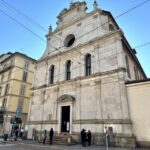
Alba is one of those towns that makes you want to slow down—cobblestone streets, medieval towers, and a center that feels properly historic without trying too hard. You get a walking component plus free time, and that combination is the smart part.
Here’s what makes Alba worth your attention on this particular day:
- You’ll see the Cathedral of San Lorenzo, the town’s main church, and get oriented fast with a guide’s help.
- The medieval towers add instant atmosphere, even if you’re not the type to memorize dates.
- The free time is practical. You can browse shops for Piedmont favorites like hazelnut cream, and if the weekend timing lines up, Alba can be lively because of the White Truffle Fair (October and November weekends).
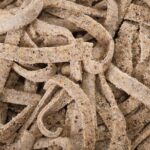
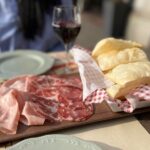
In real terms, this is not just sightseeing. Alba is also where your day becomes food-based. If you want an easy win, pick lunch from local Piedmont specialties—fresh egg pasta and dishes like veal with tuna sauce are the kind of comfort food that fits the region.
One small caution: in truffle season the town can get busy. That’s not a reason to skip it. Just plan to be flexible with lunch timing and expect tighter walking.
Barolo isn’t a “random red”: how the tasting is built on strict rules
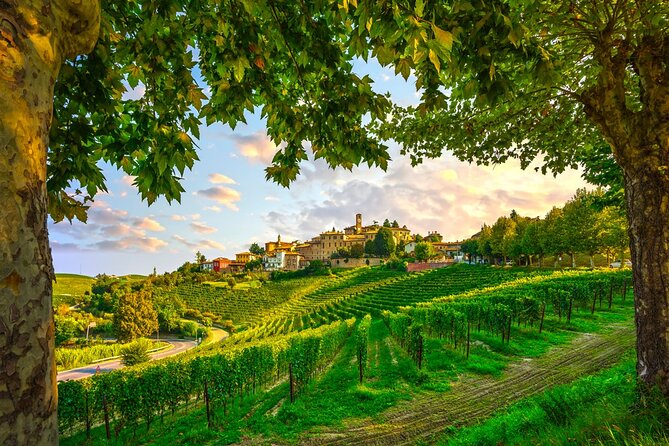
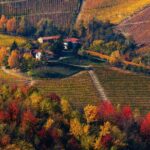
The winery stop is where the day becomes Wine-101 without turning into a lecture. You visit a family-run winery in a panoramic vineyard setting, go into the cellars, and learn directly from the winemakers. That cellar access matters because Barolo is about more than flavor—it’s about the system behind the wine.
The tasting is centered on what makes Barolo Barolo:
- Barolo is made from Nebbiolo grapes only.
- There are strict regulations tied to vineyard location, aging, and classification.
- Different hills and vineyard names matter because they influence structure, aromas, and aging potential.
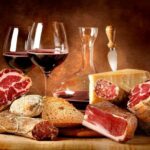
You’ll do a guided tasting of at least six Langhe DOC and DOCG reds, including Barolo. Sometimes the selection expands to seven. That format is a strong value because it gives you contrast, not just one wine. You can start to recognize patterns—where you like more elegance versus more power, more aroma versus more structure.
Practical tip for getting the most out of a guided tasting: ask your guide to point out what they expect you to notice, then compare each wine against your own first impression. The day is set up so you can learn while tasting, not after the fact.
Grinzane Cavour Castle and the UNESCO finish: what to expect on the ground
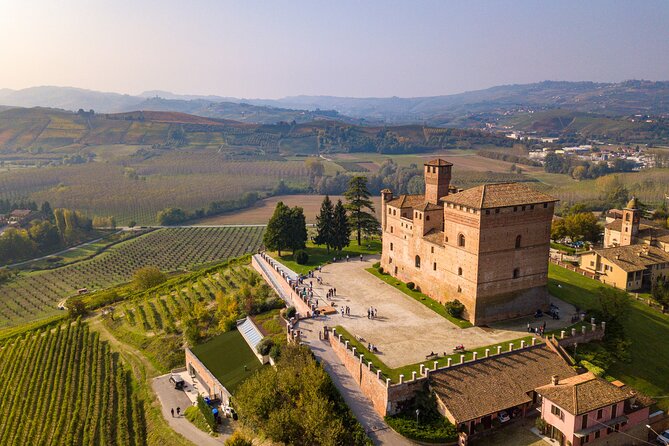
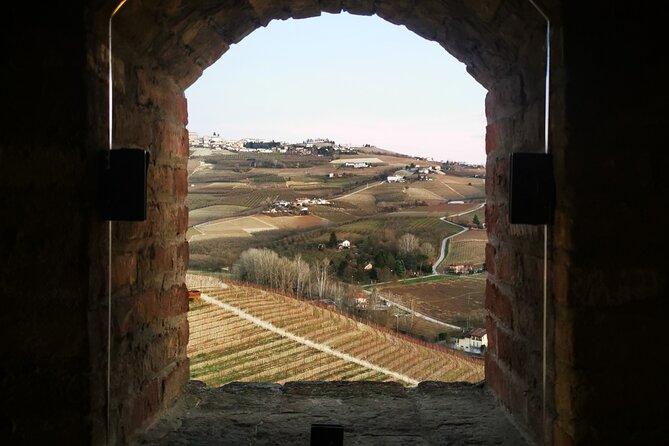
The castle stop is your “big view” moment. Castello di Grinzane Cavour is UNESCO-listed, and it sits above the Langhe hills with sweeping vineyard scenery. Even if you’re not the type to tour castles for hours, the setting alone is memorable because the region’s wine identity is literally part of the view.
Inside, you get a specific wine-linked experience:
- There’s a historic wine shop inside the castle grounds, described as the oldest in Piedmont.
- You’ll connect the place to Camillo Benso, Count of Cavour, who played a role in Barolo’s development and helped push Barolo from a local product into something internationally recognized.
The stop is also time-limited, so if you expect a full museum-level tour, you might feel the clock more than you want to. The castle experience here is strongly connected to the wine story, not a general history marathon.
Tuesday note: when the castle is closed
On Tuesdays, the castle is closed. The tour swaps that visit for a panoramic viewpoint in La Morra, another classic spot for vineyard views in the Barolo area. If you’re traveling on a Tuesday and you care deeply about castle interiors, this substitution is the main schedule difference to plan around.
You can also read our reviews of more wine tours in Milan

Small-group size, English guidance, and how the van time feels
This trip caps at 19 travelers, which is a big deal for a day like this. It means more personal questions, easier walking pace in town, and less time waiting around while everyone gets everyone else’s attention. You’re also in an AC private van, which matters in summer heat or if the day runs warm.
The guide element is a major part of why this type of tour is worth it. People have highlighted guides for being friendly, organized, and focused on making the day feel coherent—Alba for town energy, the winery for structure and wine rules, and the castle for the regional story. Named guides you may see in this program include Monica, Oleg, Chiara, Kia, Amato, and Stefano, plus drivers like Fabio and Alessio.
One note for your comfort preference: some guides may add context beyond wine—history and how modern Italy formed. That can include political topics as part of the broader story. If you want the day to stay strictly wine and scenery, you can still enjoy it, but you might want to set that expectation at the start with your guide.
Lunch, timing, and what you should plan to spend extra
Lunch is not included. The good news: you’re given recommendations and you’ll have free time in Alba, so you’re not hunting blindly while the group waits. The food structure is built into the day so you can keep moving without turning lunch into a stress event.
If you like to travel light and avoid decision fatigue, pick one simple plan in advance:
- Find a Piedmont specialty place in Alba during your free time.
- Treat lunch as your fuel, not a long sit-down affair.
If you’re there during truffle fair weekends, you may find restaurants book up quickly. The upside is that guides on this program have been able to help smooth that out by securing dining when Alba gets crowded—so the day can stay relaxed even when the town is busy.
Price and value: is $216.46 a fair deal for this mix?
At $216.46 per person, you’re paying for a full-day logistics package plus meaningful tasting value. Here’s what you get for that money:
- Licensed, professional English-speaking guide
- Air-conditioned private van transport
- Guided tasting of 6 Langhe DOC/DOCG reds, including Barolo (sometimes 7)
- Winery visit with cellar access
- Walking tour plus free time in Alba
- A UNESCO-listed castle stop (or La Morra viewpoint on Tuesdays)
This price makes more sense when you treat it like a bundled day: you’re not just buying wine. You’re buying transportation, guided interpretation (the rules behind Nebbiolo and Barolo), and access that you might not get on your own without planning.
The main value trade-off is that it’s one winery stop. If you’re the type who wants multiple cellar tastings back-to-back, this structure may feel limiting. A few people have wished for another winery. But the counterpoint is that the day stays paced enough to include Alba and the UNESCO site without turning into a rushed hop-and-taste marathon.
Who should book this Barolo and Alba day trip
This tour is a strong fit if you:
- Want a first serious Barolo day without needing to plan wineries in advance
- Like learning the rules behind the wine—Nebbiolo, DOC/DOCG structure, and aging logic—while tasting real bottles
- Care about both wine and place: Alba’s medieval vibe plus a UNESCO castle viewpoint
- Prefer a small-group feel over giant bus crowds
It’s also ideal for couples, friends, or solo travelers who enjoy company but don’t want to feel like you’re part of a production line.
If you’re strictly a cellar-chaser who wants multiple winery stops and nothing else, you might get more out of a private option built around specific wineries. This tour is designed as a balanced Piedmont day, not a pure tasting crawl.
Should you book it? My straight answer
If you want a day that blends Alba charm, a proper Barolo-focused tasting, and a UNESCO castle view, this is a very solid choice. The tasting structure (at least six DOC/DOCG reds including Barolo) and the cellar access at a family-run winery are the heart of the value, and the small-group size helps the day feel human.
Book it especially if you’re visiting Milan and you want to feel the Langhe-Roero area in one shot—without spending weeks on detailed wine scheduling. Just accept the trade-off: it’s a long, efficient day with one main winery stop, plus a Tuesday castle substitution.
FAQ
How long is the tour from Milan?
It runs for about 10 hours 30 minutes, including travel time. The start time is 9:00 am.
What wines are included in the Barolo tasting?
You’ll take part in a guided tasting of at least six Langhe DOC and DOCG red wines, including Barolo. Sometimes it’s seven wines.
Do you visit a winery with cellar access?
Yes. The tour includes a visit to a family-run winery with cellar access and a guided tasting.
Will you always see Grinzane Cavour Castle?
No. On Tuesdays, the castle is closed, and the visit is replaced with a stop at a panoramic viewpoint in La Morra.
How much time do you get in Alba?
You get a walking tour plus about 2 hours in Alba, including free time for browsing and lunch.
Is lunch included?
No. Lunch is not included, but you’ll get local recommendations.
How large is the group?
The maximum group size is 19 travelers.
Can I cancel and get a full refund?
Yes. You can cancel up to 24 hours in advance for a full refund.