REVIEW · MILAN
Milan’s Authentic Street Food tour: A Gourmet Experience
Book on Viator →Operated by FollowMI Around · Bookable on Viator
Three hours, five bites, one great Milan intro. This is a guided street-food walk in a local Milan district, with stops built around regional Italian specialties and the kind of food stories you only get from people who actually live the culture. What I like most is the mix: you get both savory and sweet samples that go beyond the usual pizza-and-gelato routine.
I also like that the tour adds texture to the food with churches and hidden corners you’d miss on your own. One thing to keep in mind is the pace and logistics: pickup and movement are done by walking or public transport (no private car), so comfortable shoes and a relaxed attitude help a lot.
In This Review
- Key Things You’ll Notice Right Away
- Entering Milan by Foot: Finding the Local Rhythm Fast
- The 3-Hour Time Budget: How the Walking Works
- Stop 1 to Stop 5: What You’ll Actually Eat and Drink
- Pizza that’s More Than a Slice
- Street Snacks: The Crunchy, Grab-and-Go Stuff
- Ham, Cheese, and the Pairing Logic
- Dessert Finish: Gelato at the End
- Drinks Included (and How They Fit the Meal)
- The Balsamic Vinegar Stop People Can’t Stop Talking About
- Church Corners and Neighborhood Stories Between Tastings
- Vegan and Allergy Needs: How to Avoid the Awkward Substitute Meal
- Private Tour, Small Group Reality, and What That Means for You
- Price and Value: What You’re Paying For at $116.09
- Should You Book This Milan Street-Food Tour?
Key Things You’ll Notice Right Away
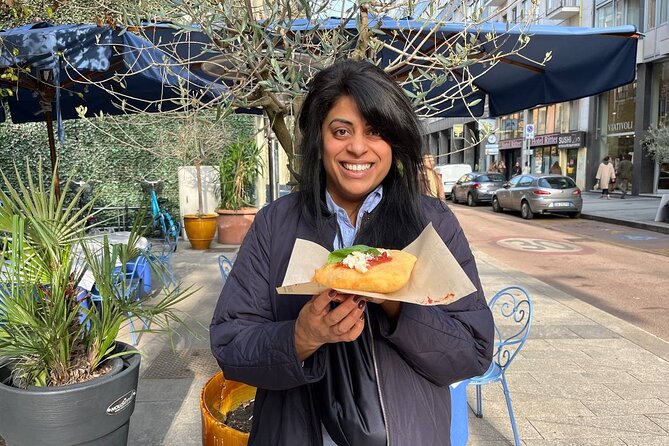
- Local guides lead the tastings, often sharing practical “how this is made and why it matters” stories as you walk.
- 4–5 food stops are the norm, with a mix of producers and small shops rather than one restaurant.
- Sweet plus savory is built in, including gelato at the end and classic street snacks along the way.
- Vegan and allergy needs can be handled if you tell the operator in advance.
- Pickup is from your hotel, but it’s done on foot or using public transport, not by taxi.
Entering Milan by Foot: Finding the Local Rhythm Fast
Milan is easy to rush through, and that’s a shame—food here rewards slow attention. This tour starts with pickup from your hotel, then gets you into the neighborhood rhythm where the shops serve what locals actually buy. The guide will message you the day before with pickup details, so treat your phone like part of your travel kit.
You’ll also appreciate that the guide plans routes with a purpose. The tour is designed for people who want more than a food list; you’re meant to learn what to look for, where to go, and what’s worth repeating later.
One practical tip: plan to arrive at the pickup moment ready to move. Construction and neighborhood detours can affect timing in Milan, and the tour can swap stops if something is closed.
You can also read our reviews of more food & drink experiences in Milan


The 3-Hour Time Budget: How the Walking Works
This experience runs about 3 hours, and it uses a smart rhythm: taste, walk, learn, taste again. The tour visits 4/5 quality stops, with walking legs kept short when possible, and with the guide explaining what’s around you as you go.
Here’s the trade-off. Some parts of the walk are longer than you’d like if you’re expecting constant commentary every second. If you prefer a lighter walking day, wear shoes you can handle for several short segments in a row, and bring a water habit (you’ll get bottled water, but you’ll still want to stay comfortable).
Also note what isn’t included: public transport tickets are not provided. The guide will use public transit when needed, but you’ll want to have a plan for paying fares yourself.
Stop 1 to Stop 5: What You’ll Actually Eat and Drink
The tasting lineup changes a bit depending on the day and availability, but the tour’s center of gravity is consistent: regional Italian street food, plus wine or another drink. The published sample menu points you toward the main themes: Milan’s pizza, ham and cheese, and gelato, with street snacks in between.
Here’s how the food pattern usually plays out:
Pizza that’s More Than a Slice
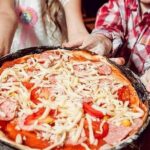
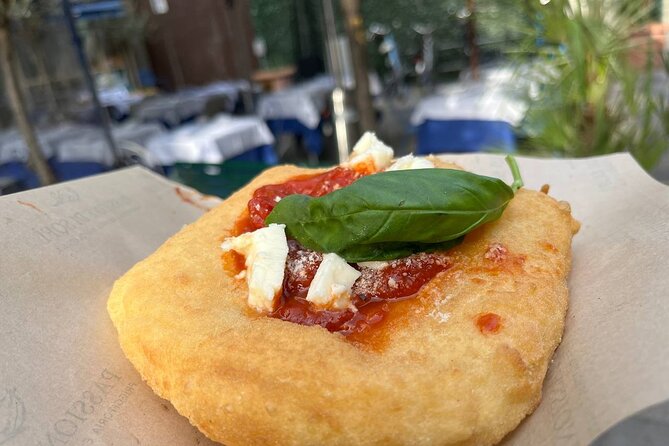
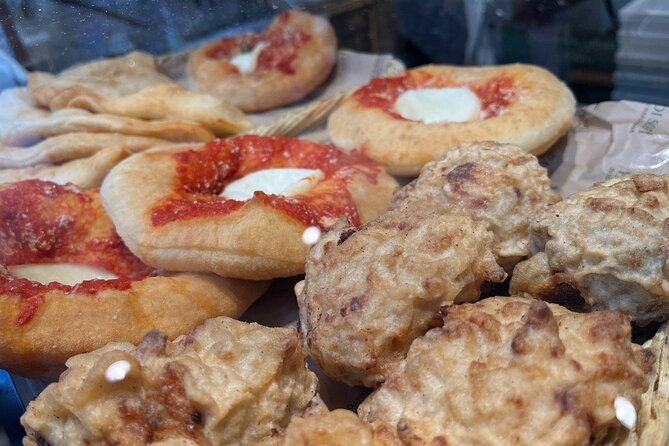
Milan pizza gets a spotlight here. One described standout is a pizza made with ingredients sourced from a single, family-run farm in Southern Italy. That matters because quality isn’t just a marketing word—it changes the sauce, the ingredients, and the overall flavor balance.
If you’ve had mediocre pizza elsewhere, this stop gives you a fair comparison. You’ll also get context for what makes Milan-style choices different from other Italian regions.
Street Snacks: The Crunchy, Grab-and-Go Stuff
You can expect classic street-food hits such as arancini (and in some cases related Roman-style fried bites), plus other easy-to-eat specialties like panzerotto and takeaway pastries depending on what’s available. This is the part that makes the tour feel like Milan rather than a museum of food.
The best way to enjoy these stops is to pace yourself. Don’t rush the first bite; let the flavors settle, because the guide often explains what you’re tasting and how it’s supposed to work.
You can also read our reviews of more tours and experiences in Milan



Ham, Cheese, and the Pairing Logic
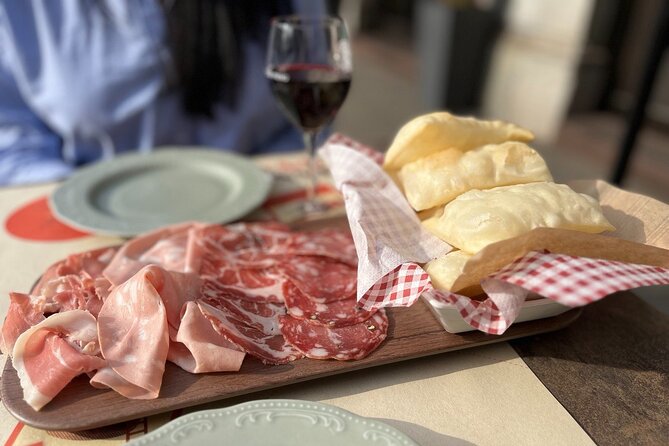
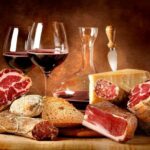
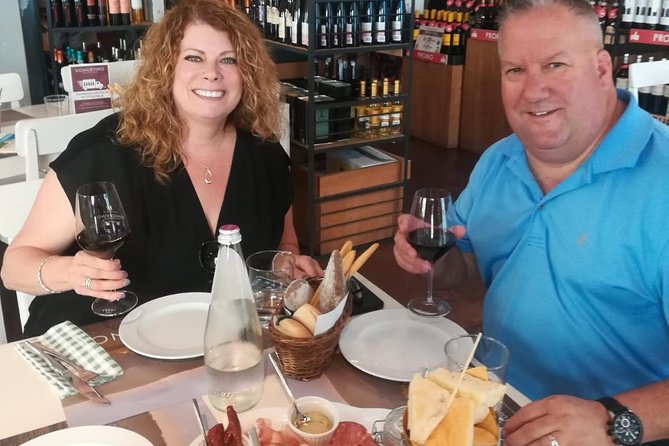
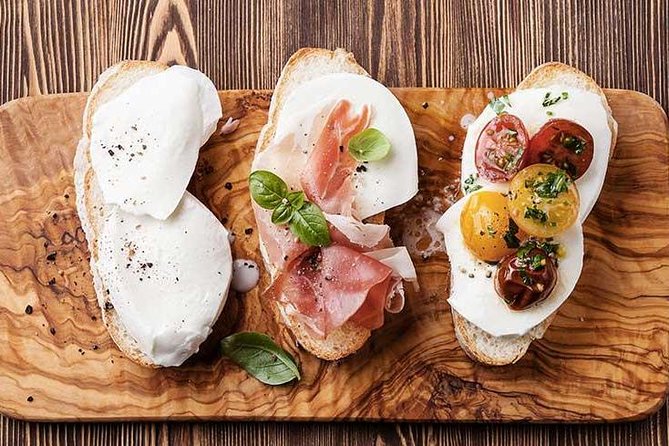
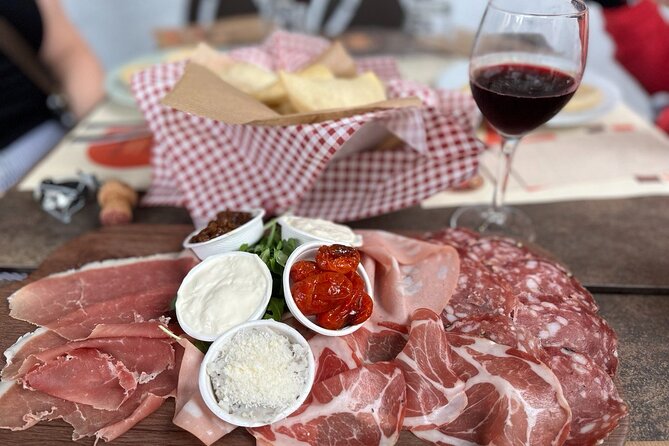
The tour includes a savory tasting built around ham and cheese selections, with an option for wine (or another drink) alongside. The point isn’t only to eat—it’s to understand how Italians think about pairing: salt and fat need structure, and alcohol often has a role in balancing the meal.
If you’re the type who always asks what restaurant you should return to, this stop gives you real leads. You’ll start thinking like a local shopper: what’s made well, what’s worth paying for, and what’s just mass-produced.
Dessert Finish: Gelato at the End
The tour typically lands with gelato, positioned as the sweet finale. People remember this part for a reason: it’s a simple finish that also signals quality. On hot days it cools you down fast; in cooler weather, it still feels like a proper treat rather than a rushed afterthought.
If you’re planning a second gelato later in the trip, do it after this tour. You’ll have a stronger “taste filter” for what’s good and what isn’t.
Drinks Included (and How They Fit the Meal)
The tour includes one beer or one glass of wine or a soft drink, plus alcoholic beverages as listed in the inclusions. Reviews also mention combinations like wine pairings and an Aperol Spritz during the experience.
If alcohol isn’t your thing, tell the guide early. The tour is designed for different preferences, including vegan needs and allergy considerations.
The Balsamic Vinegar Stop People Can’t Stop Talking About
One of the most memorable stops is often a balsamic vinegar shop, where you taste and compare how the product differs by quality and production approach. In particular, people call out long-running names like Giusti as favorites.
This stop is more than a sample. It’s where you learn how to recognize the real thing. Good balsamic has a balance—sweetness, acidity, and depth—so it tastes like food, not syrup.
If you’re the kind of shopper who loves bringing home one food item that isn’t complicated, balsamic makes sense. And if you’re not sure whether you’ll care, try the tasting anyway—you might be surprised how different it tastes when explained properly.
Church Corners and Neighborhood Stories Between Tastings
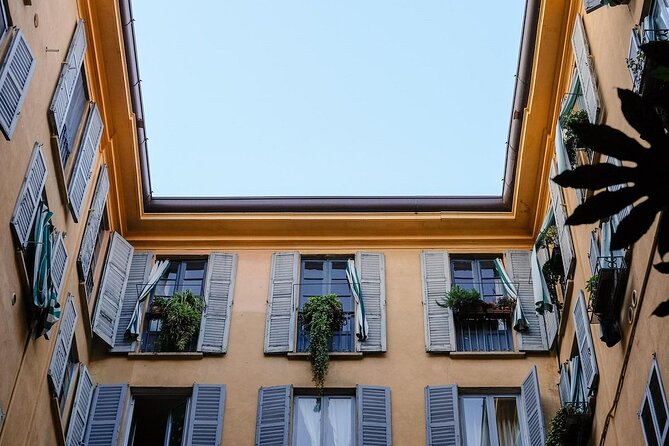
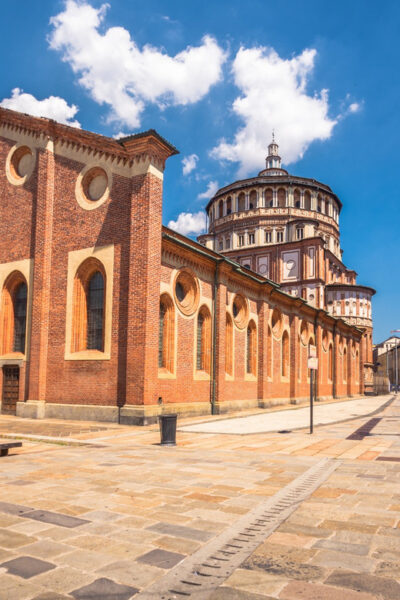
Street food tours can get shallow if they only count bites. This one tries to add atmosphere and meaning by including churches and hidden corners in the walking plan.
Those stops do two jobs for you. First, they slow the pace and give your brain something to process besides hunger. Second, they connect the local food world to the actual city—how neighborhoods evolved, why certain streets have certain shops, and how daily life shapes what people eat.
You also get the advantage of leaving the most obvious tourist routes. Several people highlight that the tour moves you out of the city center crowds and into areas where locals seem to do their everyday business.
Vegan and Allergy Needs: How to Avoid the Awkward Substitute Meal
The tour states it’s suitable for vegan and can accommodate dietary needs, including allergies, as long as you inform the operator in advance. That’s key. Without advance notice, even the best-intentioned guide can only work with what’s available.
So do this early: tell them the exact dietary requirement and what to avoid. If you have a serious allergy, be specific about ingredients and cross-contact concerns.
The practical benefit: you’re not stuck with a sad “no” that ruins your day. Instead, you’re more likely to get the same spirit of the tour—savory tastings, a thoughtful sweet finish, and drink choices that make sense.
Private Tour, Small Group Reality, and What That Means for You
This is presented as a private tour, but there’s also a note that in high season they could merge bookings into small groups. Either way, the experience is designed to stay personal rather than turning into a big cattle-call.
You’ll feel the difference in how the guide adapts. One of the most praised aspects is how guides like Simone, Marco, Francesco, and Irene create a fun tone and still manage to teach. People repeatedly mention that the guides mix food talk with Milan context—history, architecture, and practical tips.
If you’re solo, this also helps. Some guides go above and beyond with extra direction, like walking someone to public transport to get back safely.
Price and Value: What You’re Paying For at $116.09
At $116.09 per person, this isn’t the cheapest way to eat in Milan. The real question is: what value are you actually buying?
Here’s what’s included according to the tour details:
- food tasting and snacks
- bottled water
- one beer or glass of wine or soft drink
- local guide
- alcoholic beverages
- lunch and dinner listed among inclusions
Then there’s the intangibles: a planned set of tastings across multiple shops, plus walking time, plus guide storytelling, plus the effort of sourcing quality producers in the right neighborhoods.
Is it possible to feel it’s overpriced? Yes—especially if you’re expecting the price to be tied to quantity only. Some people felt disappointed when stops seemed limited or when a shop they’d heard about also felt like a public tasting experience for regular visitors.
My take: if you go hungry, you’re curious about real Italian food culture, and you want someone to point you toward where to eat the next day, this price can make sense. If you only want to sample a couple bites and don’t care about wine pairings or neighborhood context, you’ll probably feel like you could do it cheaper on your own.
One more practical note: public transport fares aren’t included. That’s a small extra cost, but it matters if you’re tight on budget.
Should You Book This Milan Street-Food Tour?
Book it if you want a structured, guided way to eat in Milan that also teaches you how to shop and order like a local. It’s a great first-day activity because it gives you both food confidence and street-smarts—especially if you’re hoping to return to a couple of the places later.
Skip it if you dislike walking tied to public transit, or if you’re the type who thinks food tours should be mostly about calories per euro. Also, if you have very specific dietary limits, double-check that you’ve given the operator the details they asked for.
If you do book: go with comfortable shoes, message about pickup, and arrive hungry. The guides are the main ingredient, and the best moments often come when you’re open to learning as you taste.