REVIEW · MILAN
Milan: Wine Lovers Experience at Cantina Urbana Winery
Book on GetYourGuide →Operated by Cantina Urbana Milano · Bookable on GetYourGuide
A winery in Milan sounds wrong, and works. You get an organic-certified setup in the middle of the city, a guided look at barrels and amphorae, and a 6-wine tasting matched with local charcuterie. The only real catch: it’s not a countryside estate day, so expect a compact, focused visit.
I like that the experience leans on craft, not showmanship. The space is small but well staged, with wooden barrels, terracotta amphorae, and stainless-steel tanks doing their thing behind the scenes. You’ll also hear the story of how wine-making got brought into a metropolis, with an emphasis on keeping wine pure and respecting nature.
Your tasting is guided in English or Italian, and a sommelier leads the production chat. Based on what people report from different sessions, you might encounter a range that can include whites, rosé, and even orange wine, plus multiple reds. If you want to just drink and skip learning, you might feel nudged to pay attention.
In This Review
- Key Highlights You’ll Care About
- Entering Cantina Urbana Milano’s City-Winery World
- The 1.5-Hour Flow: Tour First, Then the Wine Lesson
- What You Actually Taste: Six Wines and a Local Pairing Board
- The Organic Story and the Winemaking-Methods Talk
- Price and Value: Is $36.44 a Fair Deal?
- Getting There in Milan: Via Ascanio Sforza, Plus Tram Help
- Who This Wine Session Fits Best
- Should You Book Cantina Urbana Milano?
- FAQ
- How long is the Cantina Urbana Milano wine experience?
- How many wines are included?
- Is food included with the wine tasting?
- Can I order extra food or drinks?
- Where does the experience start?
- What languages is the tour offered in?
- Is the experience wheelchair accessible?
- What is the cancellation policy?
- Is reserve now, pay later available?
Key Highlights You’ll Care About
- Organic urban winery setting: wine production inside Milan, not a long drive out of town
- 6 wines with a local charcuterie pairing: you’re fed as well as taught
- Winemaking methods explained: you learn how technique shows up in flavor
- Great guide energy in English or Italian: names like Irene, May, Mia, Francesco, and Julia show up in past tours
- A relaxed break from Milan’s pace: people bring this up as a smart, low-stress plan, even on rainy afternoons
- Convenient transit option: it’s reported as close to the No3 tram stop
Entering Cantina Urbana Milano’s City-Winery World
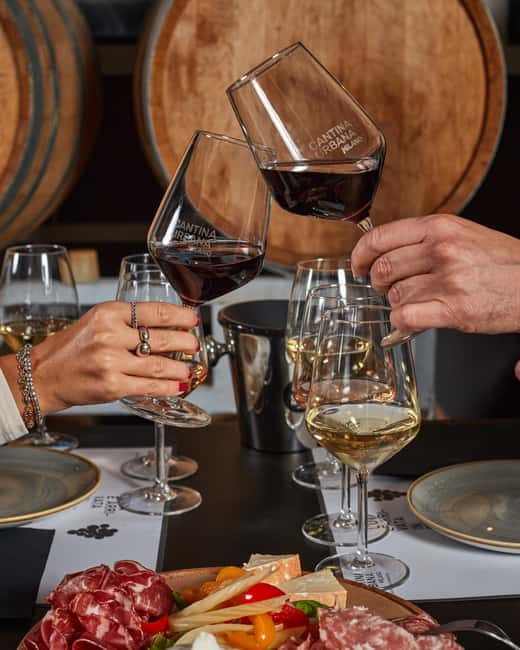
Milan is famous for fashion, design, and coffee runs that turn into small adventures. This is different. Cantina Urbana is a city winery, meaning you get to learn how wine is made without leaving the urban rhythm behind.
The core idea is simple: keep things artisanal and grounded. The winery is certified organic, and the whole story is tied to making wine with a lighter touch on nature. In practice, that theme shows up as you tour the production space and then move into the tasting room, where each wine is explained through process, not hype.
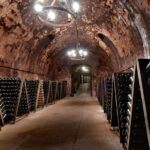
Inside, the vibe is more cellar than showroom. You’ll see wooden barrels, terracotta amphorae, and stainless-steel tanks. Those materials matter because they’re tied to different handling choices. Even if you’ve never cared about the technical side before, it’s a good way to connect the dots between what winemakers do and what you taste later.
One more reason this works in Milan: it’s not trying to be a long museum crawl. It’s designed as a 1.5-hour experience with a clear path from tour to tasting. That makes it easier to fit into a busy day without planning your whole itinerary around it.
You can also read our reviews of more wine tours in Milan
The 1.5-Hour Flow: Tour First, Then the Wine Lesson
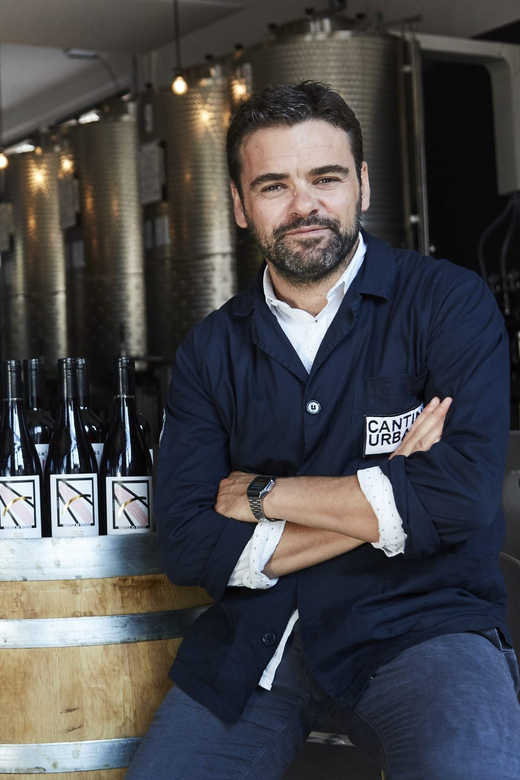
This is a short, well-paced session. You start at Via Ascanio Sforza, 87, then you stay in that same area for the main parts of the experience.
First comes the guided winery tour. It’s described as small but characteristic, so you’re not wandering for ages. Instead, you’re shown key parts of the winery setup and helped understand what’s happening behind the scenes. If you like your wine education hands-on, this is the part that gives the tasting meaning.
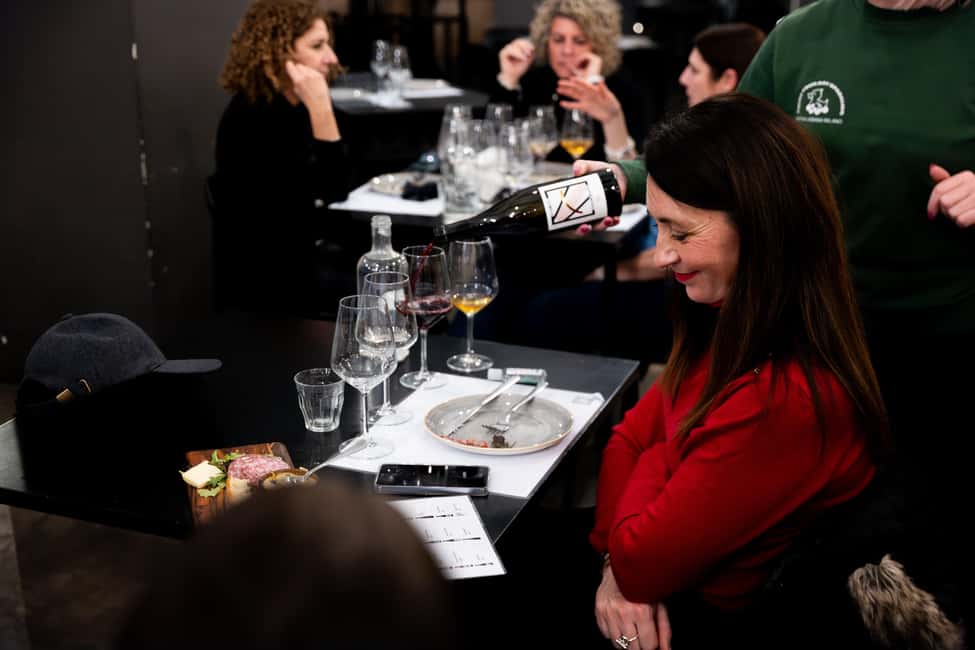
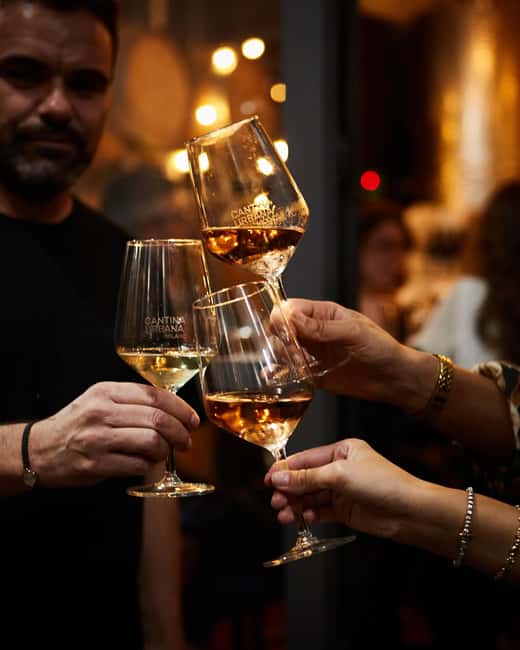
Then you sit down for the tasting. The experience centers on tasting 4 or 6 wines depending on the option you choose. A sommelier explains the wines as you go, including differences in wine-making methods and production choices. This is where you’ll get the most “oh, that’s why” moments—like how technique can shift aroma, texture, and overall style.
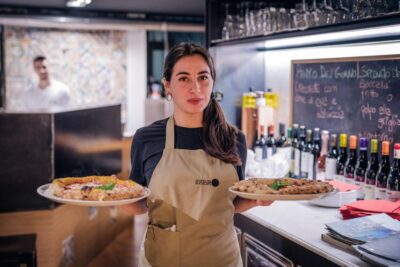
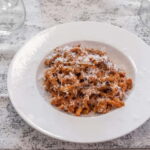
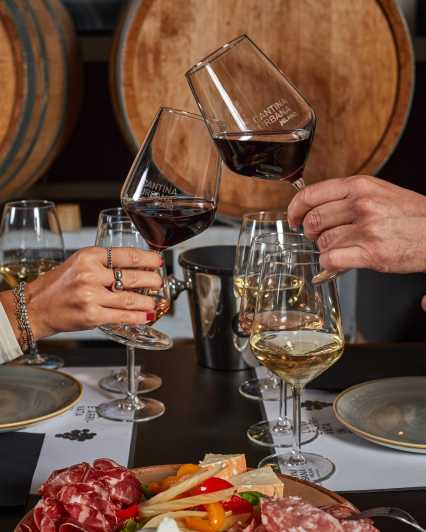
Food is part of the pairing. You’ll get a food tasting with typical local gastronomic products alongside your wines. People describe the board as more than just a snack, with some saying it was substantial enough to feel like a proper grazing moment.
If you get hungry after the tasting (or you want to linger), you can order from the à la carte menu, since the winery also operates like a wine bar. That’s a smart add-on if your evening plans are flexible.
What You Actually Taste: Six Wines and a Local Pairing Board
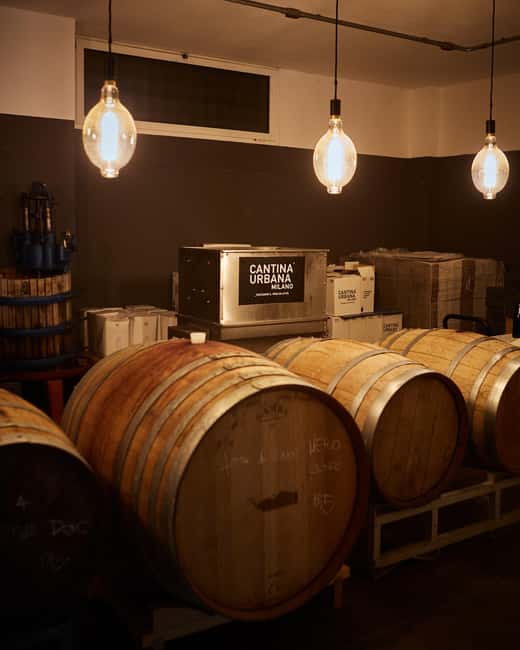
The headline here is the tasting flight. Depending on what you pick, you’ll sample six wines (or four). The point isn’t just variety for variety’s sake. It’s variety with explanation, so you learn what to look for.
In past sessions, people report a range that can include white wine, rosé, orange wine, and multiple reds. You shouldn’t assume your flight will match exactly, but you can expect a mix that helps you compare styles. Orange wine, in particular, tends to catch people’s attention because it sits in an in-between category for many first-timers.
Now, the pairing. You’re not handed a random platter. The included food tasting is charcuterie-style and focused on typical local products. Multiple reports mention cold meats and cheeses, and one review described the board as homemade and more satisfying than small “tapas crumbs.”
Here’s how I’d use the pairing if you want to get more out of it:
- Take a few bites between each wine, not just sips back-to-back. That resets your palate.
- Pay attention to how the salt and fat from meats and cheeses change the wine’s taste.
- Ask questions when something confuses you. The sommelier format is built for that, and hosts are described as answering questions and talking through choices.
If you end up loving one wine, it’s also common to buy bottles. Some visitors say they purchased bottles to continue the party later in Italy. One note: there’s at least one report saying they don’t ship wines, so if you’re thinking about bringing it home, plan to pack it yourself.
The Organic Story and the Winemaking-Methods Talk
This is the part that turns a simple tasting into a real learning experience. The winery emphasizes artisan methods and organic values, but the practical payoff is how those ideas connect to taste.
You’ll hear about production from a sommelier. That typically means you learn not just what a wine is, but what choices create its profile. With the winery’s setup—wood barrels, terracotta amphorae, and stainless-steel tanks—you’re seeing tools that often show up in different styles.
Even without getting lost in technical talk, you can still track patterns:
- Wines handled with certain vessels can feel more textural or more aromatic.
- Temperature and process choices can affect how fresh or structured a wine tastes.
- Organic positioning matters most as a guiding philosophy for how the grapes and vineyard work are approached, even if the tasting experience stays practical and not preachy.
What I especially like is that guides are described as friendly and fun, and people mention the host tailoring explanations. One visitor said a guide adapted the experience based on preferences for their group. That’s a big deal in a city like Milan, where many wine experiences can feel scripted.
So yes, you learn. But you’re not trapped in a lecture. You’re tasting while learning, and the explanations are meant to make the wines make sense in your glass.
Price and Value: Is $36.44 a Fair Deal?
Let’s talk value honestly. You’re paying $36.44 per person for an experience that lasts 1.5 hours and includes:
- a guided winery tour
- a tasting flight (4 or 6 wines, depending on option)
- a food tasting with typical local products
For Milan, this is a solid value structure because you’re not just paying for the wine. You’re paying for the full sequence: tour + explanation + pairing. A lot of wine bars sell tastings, but fewer include a guided walkthrough plus multiple wines plus food in one set experience.
You also have a built-in way to control value: if you know you want a shorter, lighter session, the 4-wine option may fit better. If you’re a true wine lover or you want the most “learning-per-hour,” go for the 6-wine option.
The other value angle is time. In Milan, time is money. Getting a satisfying wine-and-food session without a long transfer plan can feel like a win even if you’re not the biggest drinker. More than one report mentions doing this as a rainy-day activity or as a calm break from the city’s pace.
The one thing to consider: if you’re the type who expects a full meal later, the included board might or might not be enough. Since the winery has an à la carte menu, you can fix that easily—just plan on ordering additional food and drinks if you need more.
Getting There in Milan: Via Ascanio Sforza, Plus Tram Help
Logistics are simple here, which is refreshing in Milan.
You meet at Via Ascanio Sforza, 87, and the experience returns you to the same place. That cuts down on end-of-tour stress. It also makes it easier to plan after your tasting, whether you’re heading back to your hotel or continuing on to another neighborhood.
One practical hint from previous visitors: it’s reported as close to the No3 tram stop. Also, some people note it’s a bit of a walk from the nearest Metro station. So if you’re planning based on where you’re staying, check your route in advance and don’t assume it’s door-to-door from a single stop.
The broader point: because this is 1.5 hours, you can treat it like a controlled detour. You’re not committing to a long trip outside the city center. That makes it a good plan when you want a cultural activity that doesn’t swallow your whole day.
Who This Wine Session Fits Best
This is aimed at wine lovers, but it also works for people who are curious rather than obsessive.
Book it if:
- you like guided learning while you drink, not just random sips at a bar
- you want a Milan-specific wine experience without leaving town
- you enjoy food pairings, especially cold meats and cheeses
It’s also a good fit if you’re a first-timer in wine tastings. Multiple reports mention people enjoying the wines and explanations even if wine isn’t usually their main thing. One visitor specifically highlighted that they sampled several styles and still had a great time.
If you want a big production-scale winery with acres of vineyard scenery, you might be disappointed. This is a city winery with a compact tour focus. Think “short and informative” over “long and pastoral.”
And if you’re traveling with someone who likes talking, this is a strong choice. Past guests mention the sommelier and staff answering questions and keeping conversations going in a friendly way.
Should You Book Cantina Urbana Milano?
Yes, if your goal is a fun, focused Milan wine tasting with real education and an included food pairing. The combination of an organic urban winery setting, a guided tour, and a flight of 4 or 6 wines for $36.44 makes it a practical value—especially when you factor in you get taught and fed, not just poured.
I’d skip it only if you hate structured tastings and want zero explanation, or if you need a large countryside-style estate experience.
If you want an easy win for your itinerary, this is one of the better ways to spend a couple of hours in Milan: wine, food, and a clear lesson plan, all without fighting the logistics of getting out of the city.
FAQ
How long is the Cantina Urbana Milano wine experience?
The experience lasts about 1.5 hours. Starting times vary, so you’ll want to check availability for the exact slot you want.
How many wines are included?
The tasting includes either 4 wines or 6 wines, depending on the option you select.
Is food included with the wine tasting?
Yes. A food tasting is included alongside the wine flight, featuring typical local gastronomic products.
Can I order extra food or drinks?
Yes. The venue also works as a wine bar, so you can order from the à la carte menu if you want more than the included pairing.
Where does the experience start?
The starting location is Via Ascanio Sforza, 87.
What languages is the tour offered in?
The live tour guide is available in English and Italian.
Is the experience wheelchair accessible?
Yes, it is wheelchair accessible.
What is the cancellation policy?
You can cancel up to 24 hours in advance for a full refund.
Is reserve now, pay later available?
Yes. The experience offers Reserve now & pay later, so you can book your spot and pay nothing today.