REVIEW · MILAN
Milan: “Museo Teatrale Alla Scala” Guided Tour
Book on GetYourGuide →Operated by Hidden Experiences · Bookable on GetYourGuide
La Scala feels personal in 90 minutes. This guided experience takes you from the grand interior of Teatro alla Scala to the packed La Scala Museum, where costumes, instruments, and set pieces make the opera world feel real. I especially love how the guide turns famous names into specific moments tied to the building itself.
I also love the practical setup: your group uses headsets so you can actually hear the stories without craning your neck. One possible drawback to plan for: because of rehearsals and private events, your visit may end up being museum-only on some days.
H2 Key Points to Know Before You Go
- Near-Duomo location: The meeting point is just a few steps from Milan’s Cathedral area and the Vittorio Emanuele Gallery.
- Theater + museum combo in 1.5 hours: You’re not stuck with only one side of the La Scala story.
- Costumes, instruments, and set designs: The museum collection is aimed at helping you picture what you’d normally only see from the stage.
- Headsets for clear narration: Less shouting, more listening, even in busy rooms.
- Watch for rehearsal opportunities: Some schedules allow brief viewing from theater spaces, but it’s not guaranteed.
- Flexible guide language options: Tour guides are available in French, Italian, English, German, and Spanish.
In This Review
- La Scala Makes Sense When You Have a Path
- Meeting Point by the Duomo: Easy to Combine With Daytime Sightseeing
- Inside the Theater: Boxes, Beauty, and the Stage’s Real Culture
- The La Scala Museum: Costumes and Instruments That Teach You How Opera Works
- When Your Tour Includes the Theater (and When It Doesn’t)
- Guides Who Turn Facts Into Stories (Including Named Favorites)
- Price and Value: Is $44 Worth 1.5 Hours?
- Practical Tips: Luggage, Hearing, and Comfort
- Who This Tour Suits Best
- Book It If You Want Theater Context, Not Just Sightseeing
- FAQ
- How long is the La Scala guided tour?
- What does the $44 price include?
- Where do I meet the guide?
- What languages are available for the tour?
- Is this experience wheelchair accessible?
- What items are not allowed during the tour?
- Is access to the theater guaranteed?
- Does the tour provide headsets?
- Can I cancel or adjust plans if needed?
La Scala Makes Sense When You Have a Path
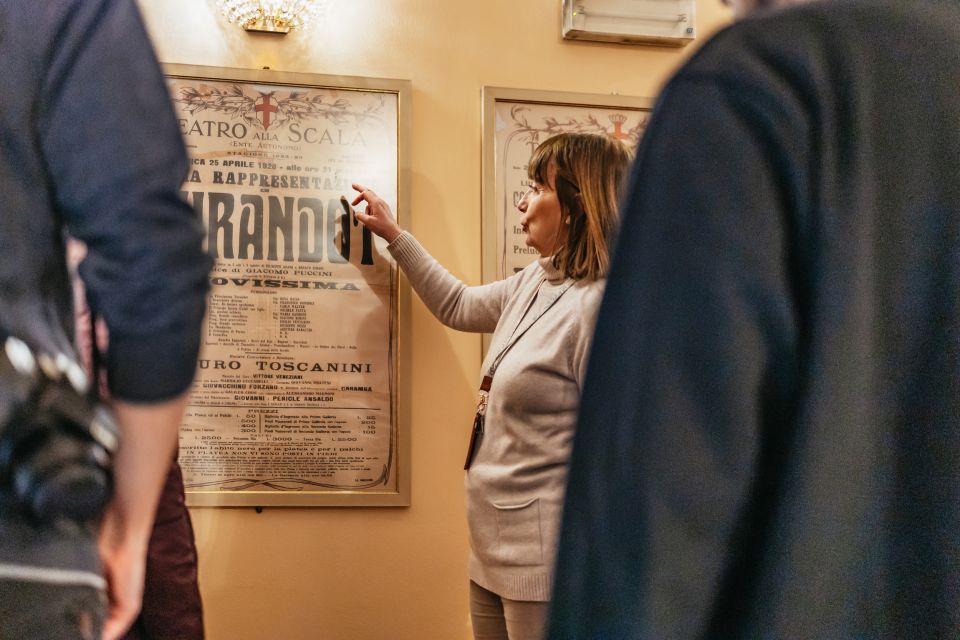
La Scala is one of those places where the building alone is impressive, but the meaning really lands when you connect the rooms to what happened on that stage. On this tour, you get that connection fast. You’ll hear about the theater’s early years, and you’ll also be pointed toward the major performers whose careers became tied to La Scala’s identity.
What I like is that the tour doesn’t act like opera is only for experts. You’re shown what to look for, then the guide supplies the context so it stops being a “pretty room” and becomes a story about music, performance, and Milan itself.
Meeting Point by the Duomo: Easy to Combine With Daytime Sightseeing
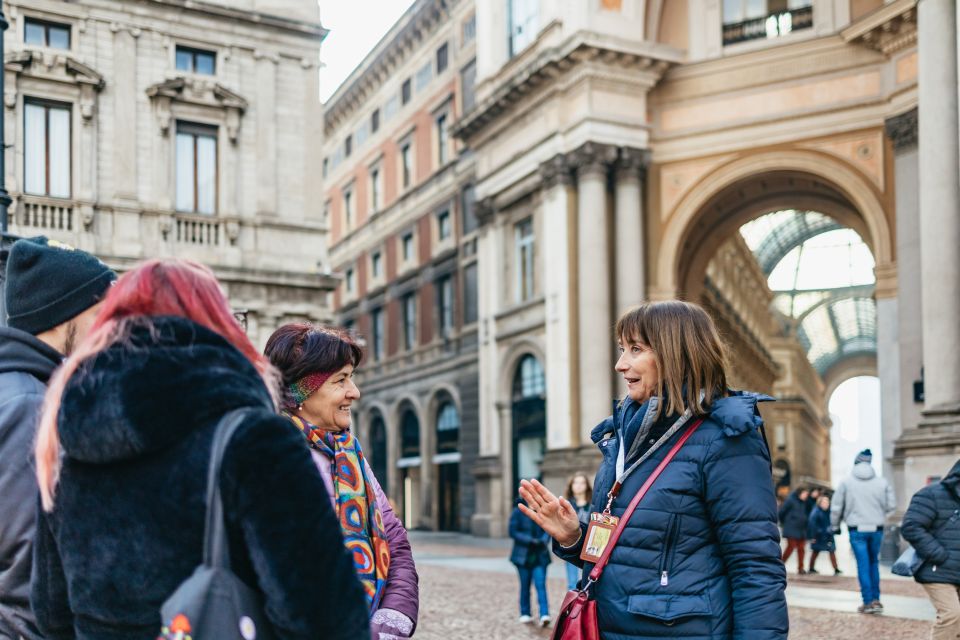
You meet right in the center of Milan, in front of the entrance of the La Scala Theatre Museum. Look for the guide holding the Hidden Experiences purple flag or board. This is a gift if you’re already doing the Duomo area and the Vittorio Emanuele Gallery that day—you can fold La Scala into your route without adding major transit time.
The tour is short, about 1.5 hours, so it works well as a mid-morning or late-afternoon activity when you want a cultural hit but still want time for gelato and wandering.
You can also read our reviews of more guided tours in Milan


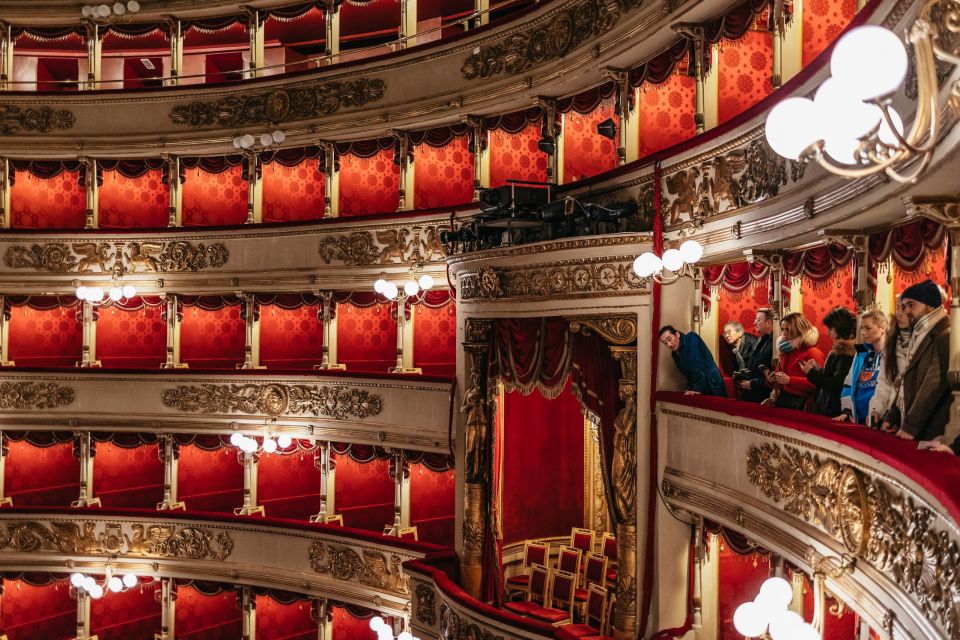
Inside the Theater: Boxes, Beauty, and the Stage’s Real Culture
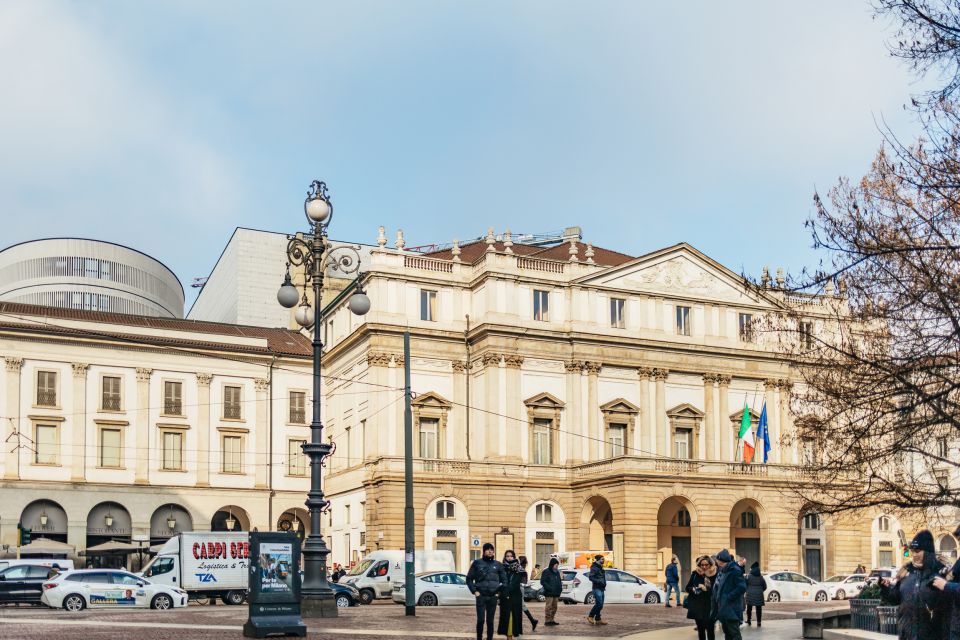
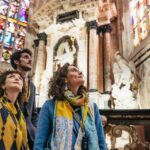
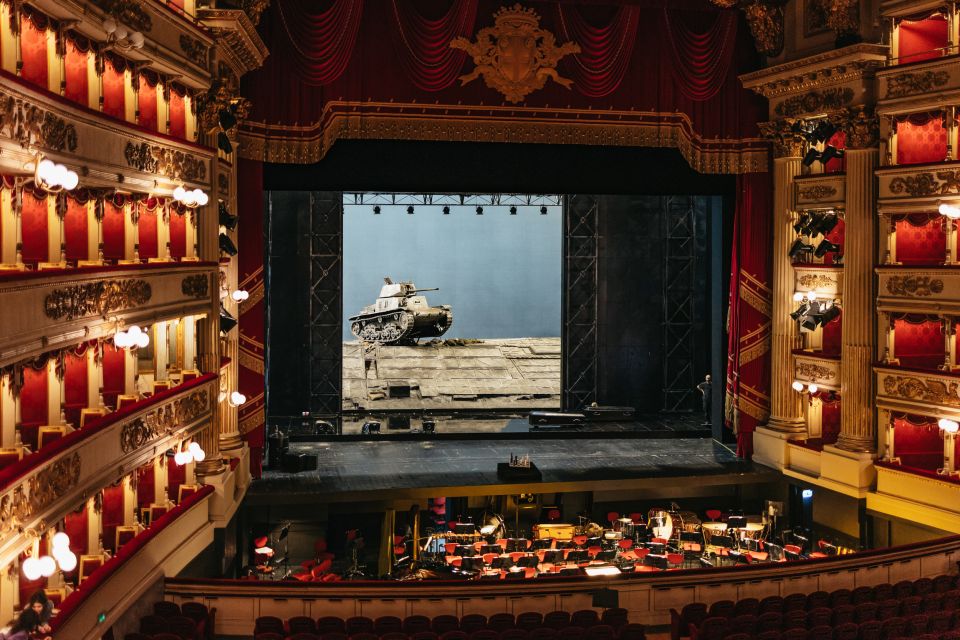
The highlight for many people is getting inside Teatro alla Scala and seeing how it’s built for performance. From the elegant interiors to the way the seating and viewing spaces are arranged, the guide helps you understand why the theater feels both grand and strangely intimate once you’re in it.
A key part of the storytelling is the roster of names associated with the stage. The tour is designed to bring up major legends you’ll hear about everywhere in opera history, including Giuseppe Verdi, Gioachino Rossini, Luciano Pavarotti, and Maria Callas. The useful bit isn’t just reciting names—it’s tying those performers to what the theater represents and how La Scala developed its reputation over time.
You should also expect some architectural and historical framing. The tour sets the theater in its Milan context, including what made La Scala culturally significant as it grew through different eras of music and performance.
The La Scala Museum: Costumes and Instruments That Teach You How Opera Works
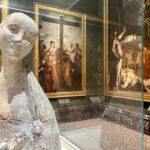
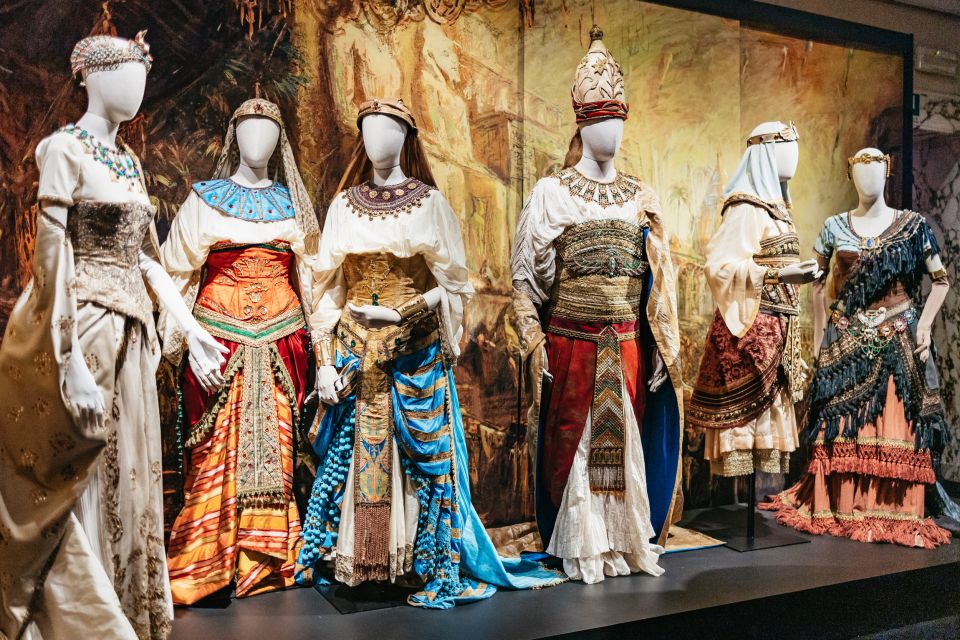
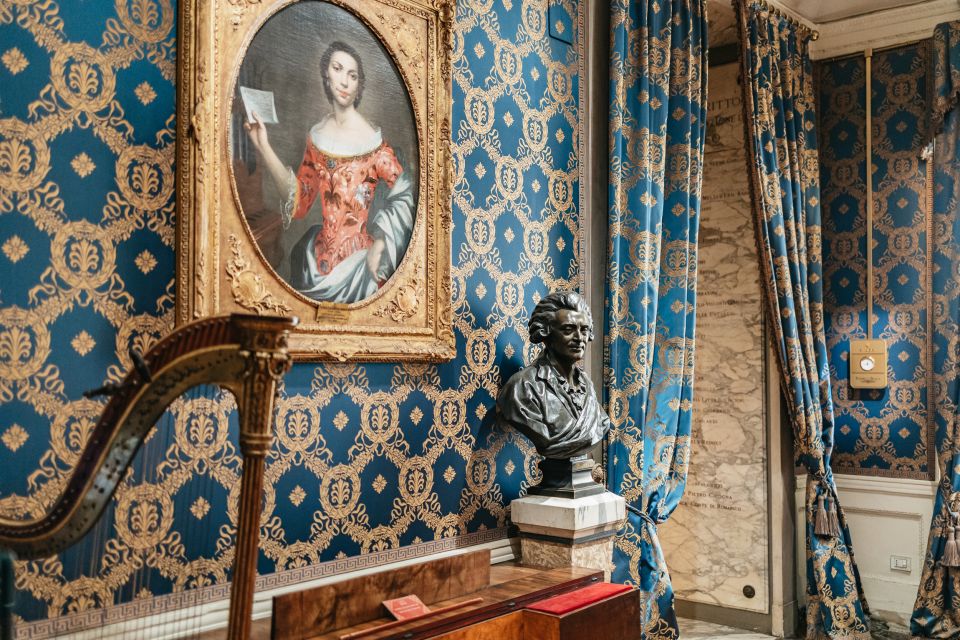
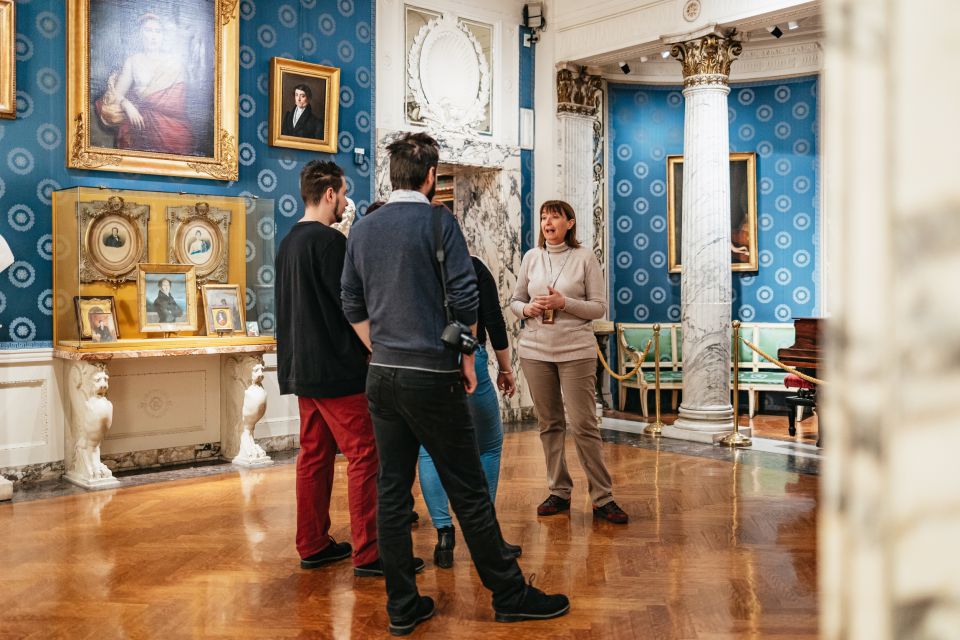
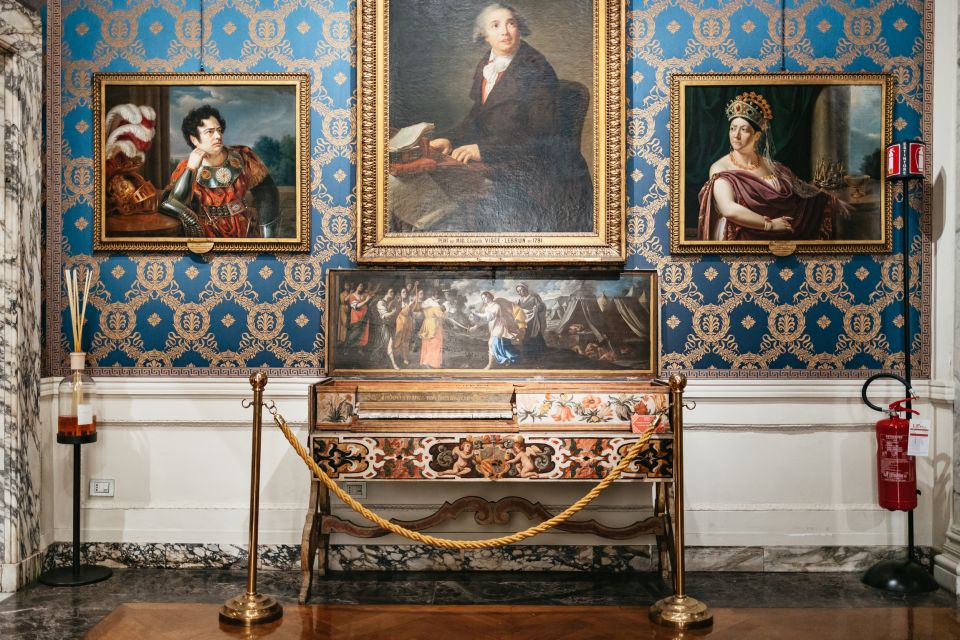
Then you shift from the living stage to the museum side of the story, which is where you get to see opera as a craft. The La Scala Museum focuses on tangible pieces that explain what you usually only experience as “magic” during a show: costumes, set designs, and musical instruments from notable performances.
This is a smart approach for first-timers. If you only walk through the theater, La Scala can feel like a famous building you recognize. If you also see what the productions required—materials, design choices, props—you start understanding what “production quality” really means in opera.
The museum visit is also where the guide’s explanations tend to turn into small revelations. You’re not just looking at objects; you’re being guided to notice details that connect to performance style, era, and artistic decisions. The tour also includes private artifacts that point to La Scala’s deeper cultural impact, not just its stage fame.
When Your Tour Includes the Theater (and When It Doesn’t)
Here’s the reality check: the tour description notes that, due to rehearsals and private events, your access might be limited to the museum only.
That doesn’t automatically mean a bad experience. The museum portion is substantial, and it’s still where you’ll see the costumes, instruments, and set designs that explain how productions come together. But it does mean you should have the right expectations.
Also keep an eye out for rehearsal moments. People have described brief chances to see rehearsals from theater spaces, including orchestra and ballet rehearsal glimpses. If your schedule lines up, that can add a “you’re seeing the machine behind the show” feel that you won’t get from a standard museum visit. If it doesn’t, you’re still getting the core story through the museum collections and the guided interpretation.
Guides Who Turn Facts Into Stories (Including Named Favorites)
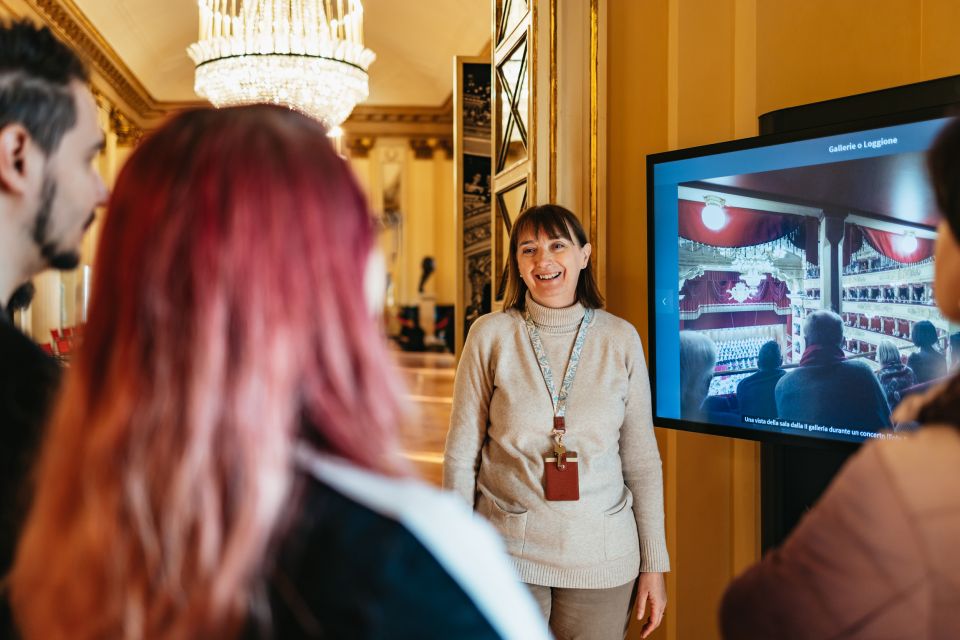
A lot of the value here comes down to the person talking to your group. The feedback is consistent about guides who manage to keep the pace lively and the details sharp without turning the tour into a lecture.
Names that come up often include Fabio, Simone, Alice, Giorgio, and Lorella—each praised for story-rich narration and for connecting theater details to opera culture in a way that sticks. When a guide is good, you learn things you can’t easily spot on your own: why certain rooms matter, what the theater has meant across eras, and how La Scala’s identity formed.
If you care about opera but you don’t yet have a deep background, choose this tour anyway. A strong guide bridges the gap and helps you follow what you’re seeing, not just memorize facts.



Price and Value: Is $44 Worth 1.5 Hours?
At $44 per person for a 1.5-hour guided visit that includes entry tickets to the theater and museum, plus headsets, this is priced like a premium cultural activity—but it can also be a good value.
Here’s why the math works when you’re deciding:
- You’re paying for interpretation, not just access. Seeing La Scala is one thing; getting the guided context is what turns it from sightseeing into understanding.
- The headsets matter. Clear audio makes a short tour feel longer and more satisfying, especially in busy sections.
- You get two experiences in one block: the theater space and the museum collections.
If your day is already packed with major-ticket sights, you might feel the cost. Still, for many people this becomes one of the “worth it” stops because it’s hard to replicate the same effect on your own without already knowing what you’re looking at.
Practical Tips: Luggage, Hearing, and Comfort
A few practical points can save you time and stress:
- Oversize luggage isn’t allowed. Large bags and backpacks must be checked into the cloakroom.
- The tour includes headsets, which is especially helpful if you’re close to other groups.
- Wheelchair access and stroller access are supported, and the theater and museum are accessible to wheelchairs.
Because the tour is only 1.5 hours, dress for comfort. You’ll do indoor walking, and you’ll likely spend time looking closely at display areas and architectural details.
If you’re traveling with kids, this is one of the better “culture tours” for younger attention spans because the museum objects and the theater architecture give you visual anchors. One family example noted that even teenagers enjoyed how fast the tour moved and how engaging the guide was.
Who This Tour Suits Best
I’d point you toward this tour if:
- You want a structured introduction to La Scala without committing to a full opera night.
- You love the idea of seeing costumes, instruments, and sets tied to real productions.
- You’re short on time in Milan but still want something that feels distinctly “La Scala,” not just another landmark photo.
It’s also a strong choice if you’re traveling with someone who cares about music history, because the guide narration connects performers and eras to the building and the collections.
If you’re only interested in the grand look of the theater facade and you won’t care about museum artifacts, then the tour may feel like extra. But if you want meaning, this format is the fast route.
Book It If You Want Theater Context, Not Just Sightseeing
Should you book? If you’re drawn to opera, ballet, or performance history, yes—this is a smart way to get real context in a compact time window. The fact that it includes both the theater and the museum, plus headsets, makes it feel efficient rather than rushed.
I’d book especially if you want a guide who can explain what you’re looking at and why La Scala matters. Just keep the museum-only possibility in mind on rehearsal-heavy days, and you’ll feel prepared instead of surprised.
FAQ
How long is the La Scala guided tour?
The tour lasts about 1.5 hours.
What does the $44 price include?
It includes entry tickets to La Scala Theatre and Museum, the guided tour, and headsets to hear the guide clearly.
Where do I meet the guide?
Meet in front of the entrance La Scala Theatre Museum and look for the guide with the Hidden Experiences purple flag or board.
What languages are available for the tour?
The live tour guide is available in French, Italian, English, German, and Spanish.
Is this experience wheelchair accessible?
Yes. The theater and museum are accessible to wheelchairs and strollers.
What items are not allowed during the tour?
Oversize luggage is not allowed. Large bags and backpacks must be checked into the cloakroom.
Is access to the theater guaranteed?
The visit may be limited to the museum only due to rehearsals and private events.
Does the tour provide headsets?
Yes, headsets are included to help you hear the guide clearly.
Can I cancel or adjust plans if needed?
Cancellation is free up to 24 hours in advance for a full refund, and you can reserve and pay later to keep plans flexible.