REVIEW · MILAN
Milan: Hands-On Pasta & Dessert Cooking Class & Wine Pairing
Book on GetYourGuide →Operated by CASA PASTROCCHI · Bookable on GetYourGuide
Fresh pasta lessons feel like a Milan secret. In this hands-on class with Niccolò at CASA PASTROCCHI, you’re not watching from the sidelines; you’re cooking, tasting, and learning the how behind classic Italian flavors. I love the tight small-group format, which keeps the focus on what your hands are doing, not a rush through a checklist.
I also really liked the wine part, led by a Certified Sommelier alongside Niccolò, so you get pairing logic instead of just sipping. One drawback to plan for: the meeting point is inside a residential building, and it takes a careful look at the intercom and apartment number to get in smoothly.
In This Review
- Key Highlights Worth Your Time
- Step Into a Real Milan Kitchen (Not a Conveyor Belt)
- The Aperitivo: Prosecco, Salami, and Quick Pre-Game Comfort
- Cooking a 3-Course Meal You Can Actually Recreate
- Starter: Bruschetta With Tomato and Sausage
- Fresh Pasta: Tagliatelle, Fettuccine, Pappardelle, Tagliolini
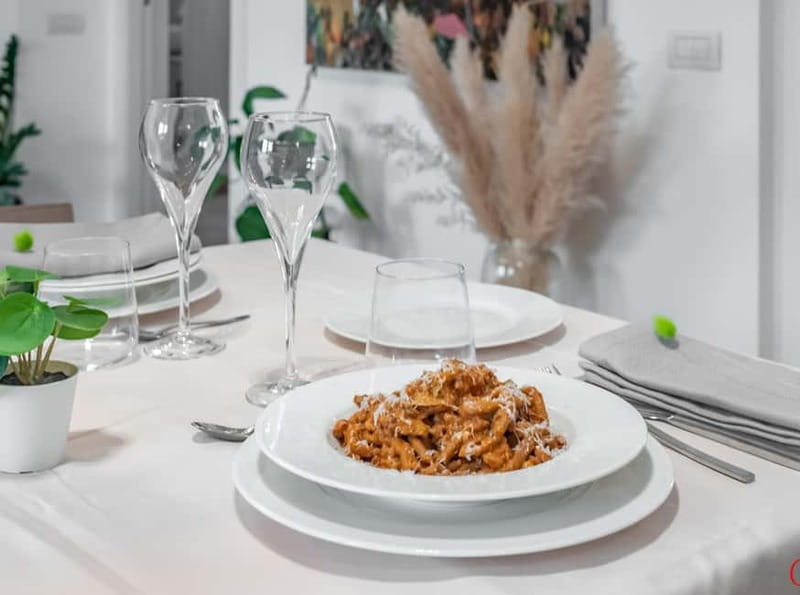
- Sauces: Pomodoro, Amatriciana, Cacio & Pepe, Carbonara
- Dinner Moment: Eat What You Made, Paired With Wine
- Tiramisù and Limoncello: The Finish That Makes It Memorable
- What You’ll Take Home (Besides Full Feet and Full Plates)
- Price and Value: Is It Worth $123.48?
- Who This Class Fits Best (And Who Might Want Another Option)
- Quick Logistics: Meeting Point and What to Bring
- Should You Book This Milan Pasta and Wine Class?
- FAQ
- What is the meeting point for the class?
- How long is the cooking class?
- What food will I cook and eat?
- Is wine included?
- What’s included in the price?
- Do I need to bring anything?
- What are the age rules for alcohol?
- Is the class wheelchair accessible?
Key Highlights Worth Your Time
- Aperitivo first: Prosecco plus fresh salami and cheese to set the tone
- Fresh pasta shapes you’ll repeat at home: not just one format, but several
- Classic sauces with names you can shop for: including Amatriciana, Cacio & Pepe, and Carbonara
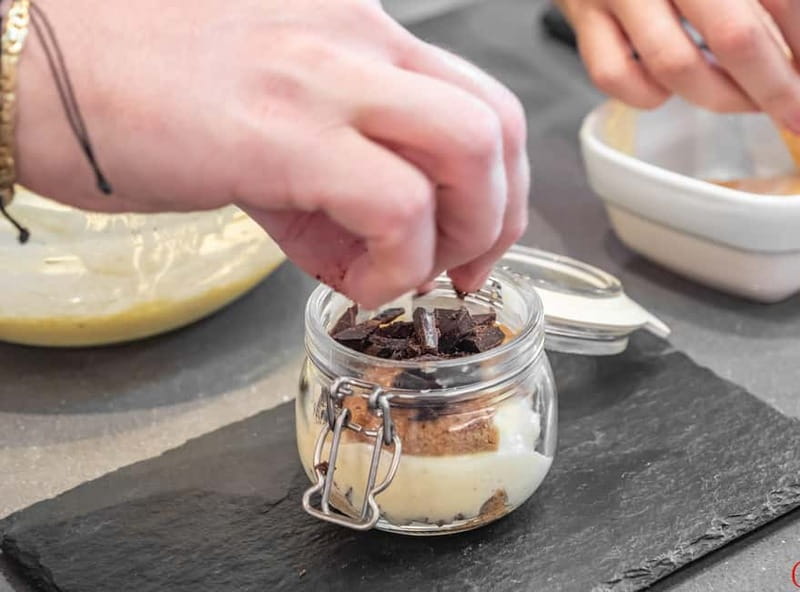
- Tiramisù done the Italian way: plus an alternate chocolate version option
- Wine tasting tied to the meal: pairing and tasting with a Certified Sommelier
- Take-home support: a recipe book so you can recreate what you cooked
Step Into a Real Milan Kitchen (Not a Conveyor Belt)
This experience is built around learning in a kitchen in the heart of Milan, the kind of setting that makes the cooking feel personal instead of staged. You start in a social mode with a welcome aperitivo, then you shift into cooking, then you sit down and eat what you made.
That order matters. It’s easier to learn the technique when you’re relaxed first, and it’s more satisfying when the meal is served immediately after cooking together. The class runs about 3.5 hours, and the group is limited to 10 participants, which is the sweet spot for asking questions without feeling like you’re cutting into a big production.
If you’re the type of traveler who wants food education that sticks, you’ll probably enjoy the pace. Tools are provided, so you’re not spending time figuring out which equipment you need before you start making pasta. Just bring comfortable shoes, since you’ll be on your feet while prepping and cooking.
You can also read our reviews of more cooking classes in Milan
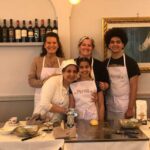

The Aperitivo: Prosecco, Salami, and Quick Pre-Game Comfort
Before the flour starts flying, you’ll get a welcome aperitif with Prosecco, plus fresh salami and cheese. This does two useful things for you: it gives you a moment to settle in, and it helps you start thinking about flavors in pairs. Italy does this well: the meal doesn’t begin with a lecture, it begins with taste.
The aperitivo also acts like a soft introduction to the evening. You’ll be around your chef-instructor and your group, so the atmosphere is casual, and the class doesn’t feel like a formal cooking exam. If you’re worried about walking in hungry or awkward, this first pour and snack solve that problem.
One practical note: alcohol is included, and there’s a minimum age of 18 for alcohol drinks. If you’re under 18, double-check how it’s handled when booking, since the class is built around tastings.
Cooking a 3-Course Meal You Can Actually Recreate
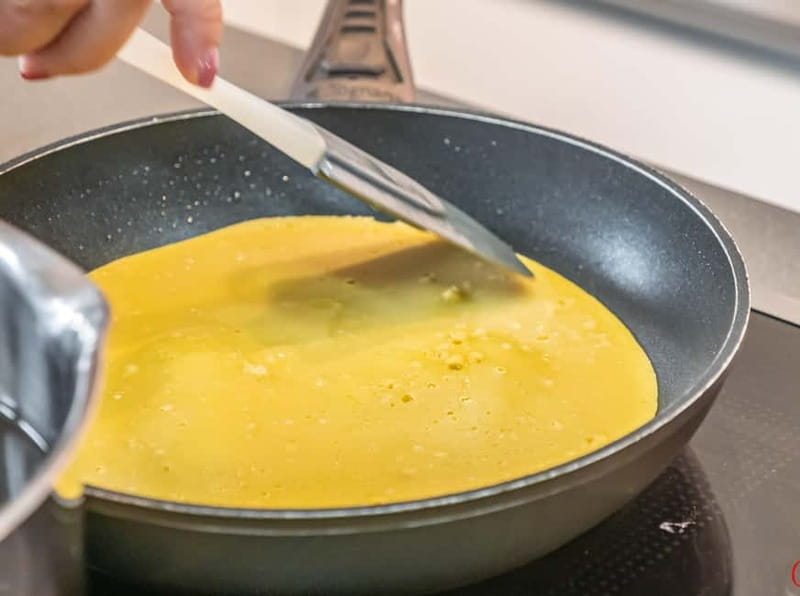
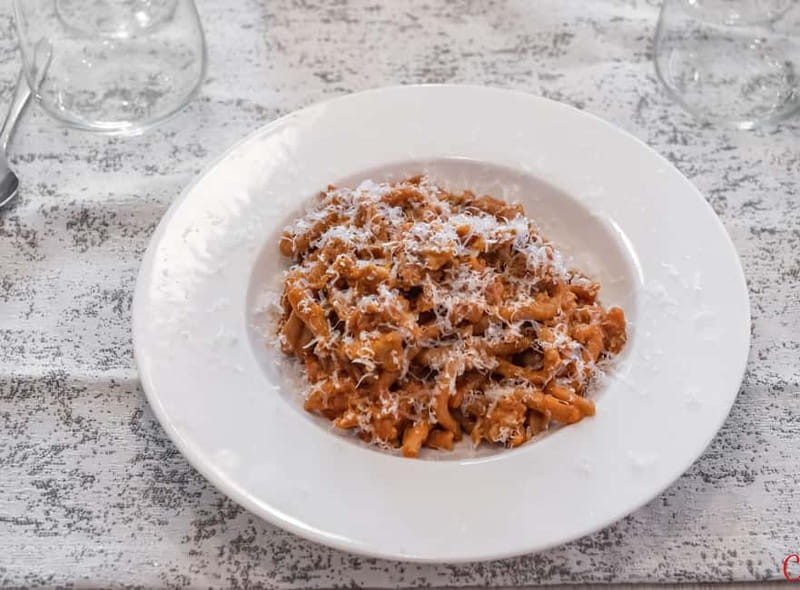
The heart of the class is a full cooking cycle: you’ll make a starter, then move into fresh pasta and sauce, then finish with dessert. You don’t just learn one dish. You learn the logic that helps you cook multiple dishes from scratch and understand how the pieces connect.
Starter: Bruschetta With Tomato and Sausage
You’ll start with a Tomato / Sausage Tuscan Bruschetta. That matters because bruschetta-style starters teach you seasoning basics and texture. You’re learning to balance savory meat with tomato flavor and working with bread in a way that feels like a real home-cooked meal.
Fresh Pasta: Tagliatelle, Fettuccine, Pappardelle, Tagliolini
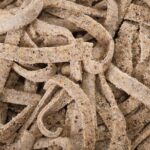
Then you jump into the main event: making fresh pasta shapes by hand. The menu includes several styles, including tagliatelle, fettuccine, pappardelle, and tagliolini.
Why this is such good value for you: these shapes aren’t just different in name. Different widths and thicknesses change how sauce clings and how the pasta feels in your mouth. When you make more than one style, you stop relying on guesswork later. Even if you only remember one technique from the class, you’ll still come home with a better instinct for texture and thickness.
You’ll also cover the idea of creating and cooking pasta within the same cooking session, which is different from taking a class that only teaches dough. Here, the course is built to let you complete the meal flow.
You can also read our reviews of more wine tours in Milan



Sauces: Pomodoro, Amatriciana, Cacio & Pepe, Carbonara
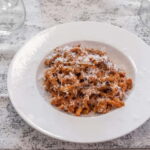
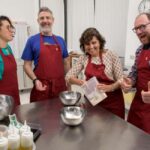
You’ll learn several sauces: Pomodoro, Amatriciana, Cacio & Pepe, and Carbonara. These are classic, and they each reward different cooking habits.
- Pomodoro-style sauce helps you get comfortable with tomato as the star, and it’s a great baseline for seasoning.
- Amatriciana teaches you how cured pork and tomato work together.
- Cacio & Pepe focuses on creating a creamy cheese result without turning it into a clumpy mess.
- Carbonara shows how to manage eggs and timing so it tastes silky instead of heavy.
I like that the menu includes sauces with famous reputations. If you’ve tried them in restaurants and wondered why they never taste exactly right at home, classes like this help you connect the flavor to the technique.
Dinner Moment: Eat What You Made, Paired With Wine
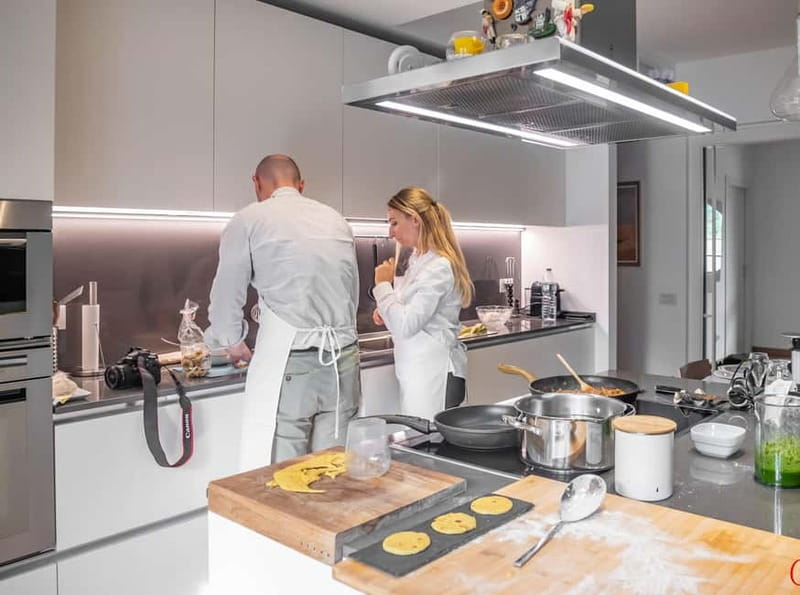
After cooking, you sit down to enjoy everything you prepared together. This is a big deal because it closes the loop. You can taste what you made and immediately connect it to what the chef showed you while you were working.
Then comes the wine tasting and pairing component, chosen with Niccolò, Chef & Certified Sommelier involvement. You’ll taste a selection of wines and learn how the pairing is meant to work with your food.
From a practical standpoint, this pairing section helps you travel smarter after the class too. Instead of ordering based only on what sounds fancy, you start asking what kind of wine will match the sauce type and richness. Pasta with cheese and pepper invites one kind of balance, while tomato-forward flavors often call for something different.
The class also includes the finishing tasting elements: dessert wine and limoncello. That’s not random. It’s part of how Italians treat the end of a meal as its own mini-experience rather than just a sweet afterthought.
Tiramisù and Limoncello: The Finish That Makes It Memorable
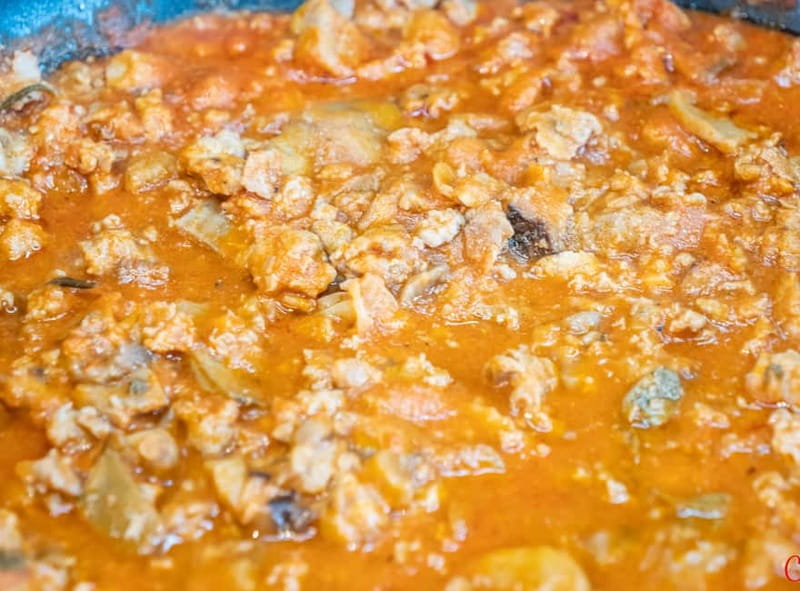
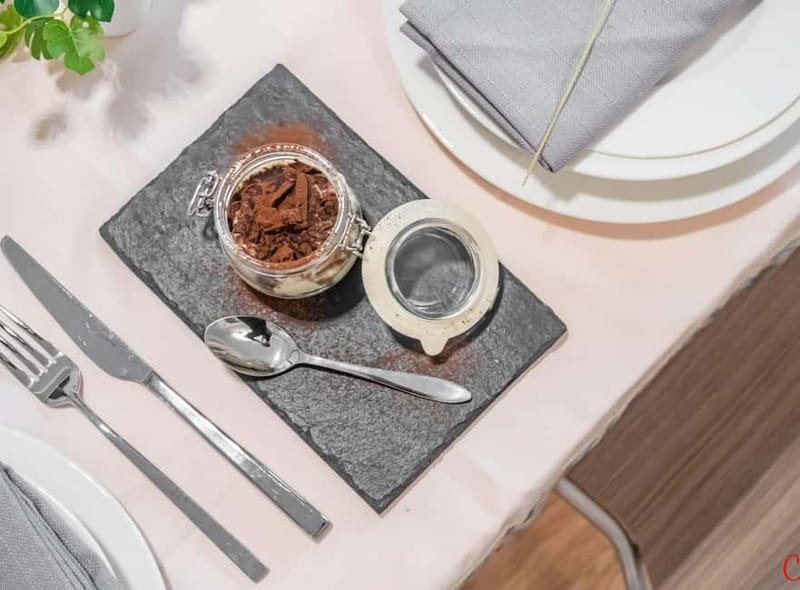
For dessert, you’ll make Classic Tiramisù. The menu notes an alternate possibility with chocolate, depending on what’s offered in the class.
This is the kind of dessert that can be tricky if you only ever see it assembled, not made. Learning it in a hands-on setting gives you the chance to understand texture and timing, which is where many at-home attempts go wrong.
Then you close with dessert wine and limoncello. Limoncello is bright and aromatic, which helps reset your palate after coffee-and-cream flavors. It also adds that unmistakable Italian “we’re done eating, now we’ll linger” feeling.
If you like dessert, this is a satisfying way to end a cooking day without needing extra plans after class.
What You’ll Take Home (Besides Full Feet and Full Plates)
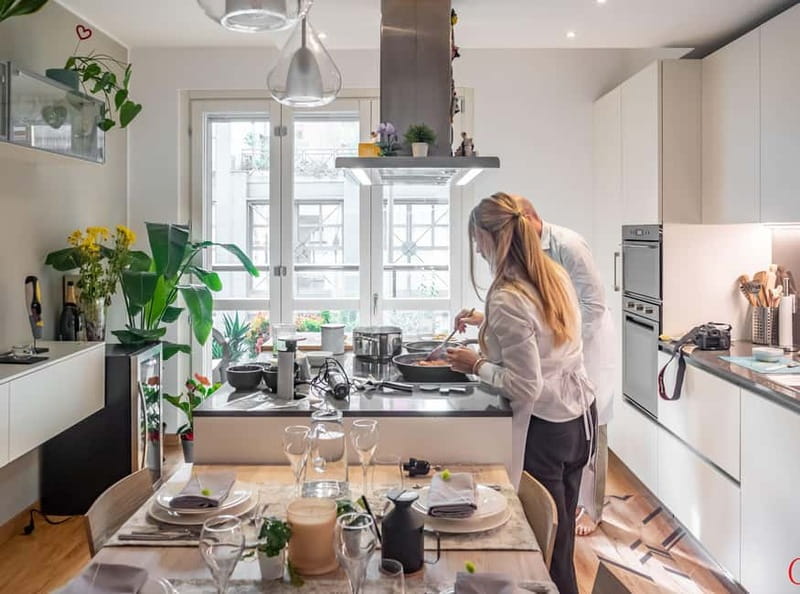
One of the best parts is that you get a recipe book so you can recreate the dishes at home. That’s important because the biggest challenge after a cooking class is remembering the order of steps. A recipe book helps you repeat the dishes without turning your kitchen into a guess-and-check science lab.
Also, tools are provided, and you get to learn directly from Niccolò. The class format is designed so you’re not stuck watching and hoping you catch every step. You’re doing, tasting, asking, and eating, all in one evening.
Price and Value: Is It Worth $123.48?
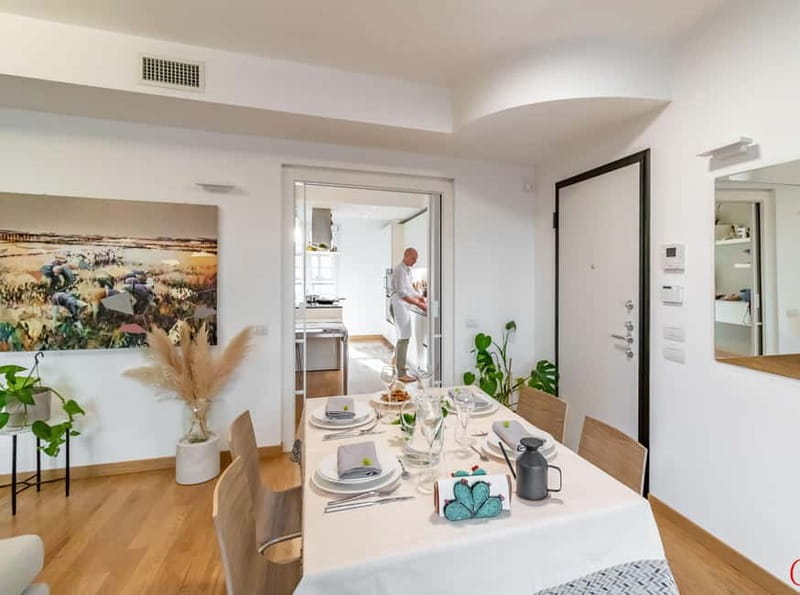
At $123.48 per person, the value comes from several things combined in one ticket:
- Hands-on cooking for a full 3-course meal, not just a demo
- Multiple fresh pasta shapes plus several classic sauces
- Aperitivo with Prosecco, salami, and cheese
- Wine tasting and pairing led by a Certified Sommelier
- Dessert plus dessert wine and limoncello
- A recipe book to help you recreate the cooking later
If you compare this to the cost of buying ingredients for fresh pasta, then add the cost of hiring a chef plus wine service and the meal itself, the price starts to make more sense. This isn’t just a cooking lesson; it’s an evening that includes instruction, dining, and tastings under one roof.
That said, it’s a better value if you actually plan to cook at home afterward. If you’re just looking to eat without learning techniques, you might feel like you spent more than you needed.
Who This Class Fits Best (And Who Might Want Another Option)
This class is especially well-suited for you if:
- You want hands-on cooking, not a seated lecture
- Fresh pasta is on your bucket list, and you want more than one shape
- You like wine pairings and want help thinking through which wine matches which food
- You want a meal that feels like an Italian home dinner, not a tourist performance
You might want to think twice if:
- You dislike kitchens, standing, or hands-on prep
- You want a cooking class that focuses on just one dish at a slower pace
- Wine tastings don’t interest you much, since they’re part of the experience flow
Quick Logistics: Meeting Point and What to Bring
The meeting point is at Intercom (Citofono or ring), where you’ll look for apartment G1. Once you’re inside the condominium complex, turn right toward the respective staircase. There’s a second door and another intercom; ring G1 again. The apartment is on the first floor, left.
To avoid stress, arrive with a bit of buffer time so you can confirm the intercom setup and not rush into the class.
What to bring is straightforward: comfortable shoes. Smoking indoors isn’t allowed, and you’ll be given all useful tools for the cooking class. The host greeter speaks English, Spanish, French, and Italian.
Should You Book This Milan Pasta and Wine Class?
Yes, I’d book it if you want a cooking class that ends with a real meal and a guided wine pairing, not a quick demo and a goodbye. The strongest part is the combination of fresh pasta shapes + classic sauce training + structured wine tastings, all with a group size capped at 10.
If you’re visiting Milan and you want one evening that helps you understand Italian food beyond restaurants, this is a very practical choice. Get ready for a hands-on night, a lot of flavors, and a recipe book you’ll actually use.
If that sounds like your kind of trip, reserve your spot and make room for a slow, satisfying dinner at the end of class.
FAQ
What is the meeting point for the class?
You’ll meet at the intercom at the condominium: look for apartment G1, ring the bell, enter the complex, turn right toward the staircase, then ring G1 again at the second door. The apartment is on the first floor, left.
How long is the cooking class?
The duration is about 3.5 hours. Starting times can vary, so check availability for the session you want.
What food will I cook and eat?
You’ll cook a 3-course meal: a starter (Tomato/Sausage Tuscan Bruschetta), multiple fresh pasta shapes (tagliatelle/fettuccine/pappardelle/tagliolini), several sauces (Pomodoro, Amatriciana, Cacio & Pepe, Carbonara), and dessert (Classic Tiramisù or with chocolate). You’ll also sit down to enjoy everything.
Is wine included?
Yes. You’ll have wine tasting with Niccolò, who is part of the class team with a Certified Sommelier, including pairing and tasting. The class also ends with dessert wine and limoncello.
What’s included in the price?
Included are alcoholic beverages, snacks, bottled water, coffee and/or tea, soda/pop, dinner, and all fees and taxes. You also receive a recipe book to take home.
Do I need to bring anything?
Just bring comfortable shoes. You’ll be provided the useful tools for the cooking class.
What are the age rules for alcohol?
There’s a minimum age of 18 for alcoholic drinks.
Is the class wheelchair accessible?
Yes. The activity is listed as wheelchair accessible, and it’s designed for a small group limited to 10 participants.