REVIEW · MILAN
Milan: 4-Hour Art and History Private Walking Tour
Book on GetYourGuide →Operated by Segway Bike Walk Tour CITY GUIDED TOUR · Bookable on GetYourGuide
Milan hits hard on your first walk. This private 4-hour art-and-history tour is built around the landmarks you actually want to see, with Duomo access and a licensed guide who has studied art history.
I especially like two things: the Duomo visit is baked into the price, so you’re not doing extra ticket math, and you’re seeing both the inside and the outside with a guide who explains what you’re looking at. Second, the tour includes headsets, which makes a big difference when you’re in crowds around the Duomo and the Galleria Vittorio Emanuele II.
One possible drawback: Milan churches are strict about clothing, and this tour’s dress code means no shorts and no sleeveless tops. If you show up underdressed, you can lose access at the places of worship.
In This Review
- Quick hits before you go
- Meeting at Galleria Vittorio Emanuele II: a smart starting line
- Duomo Cathedral inside and out: what to look for beyond the photos
- From Galleria Vittorio Emanuele II to the Duomo zone: art plus everyday life
- Teatro alla Scala from the outside: noticing power, not just glamour
- Brera district: student creativity you can actually see
- Sforza Castle: seeing ducal ambition in stone
- Why a licensed art-history guide changes everything
- Pacing, personalization, and walking at your own speed
- Last Supper reality check (tickets aren’t included)
- Price and value for a 4-person private tour
- What to wear and bring: simple rules that prevent surprises
- Should you book this Milan private walking tour?
- FAQ
- What does the tour include?
- Is Duomo entry included in the price?
- Which sights are typically part of the route?
- Is the Last Supper ticket included?
- What languages are offered?
- Where do we meet and where does the tour end?
Quick hits before you go
- Duomo entrance fee included: you get inside and outside with one less thing to arrange
- Headsets included: you hear your guide clearly without craning your neck
- Private pacing for up to 4: slower stops for photos, quicker stops for wandering
- Center highlights, plus customization: you can add or swap based on what you care about
- Emilio-style guiding: one guide you may get, Emilio, was praised for clear, history-heavy explanations
Meeting at Galleria Vittorio Emanuele II: a smart starting line
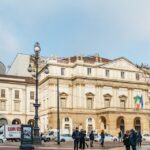
Your tour starts where Milan feels cinematic: at the entrance area of Galleria Vittorio Emanuele II, at the corner with Piazza del Duomo. This is a practical move. It puts you in the right zone for walking to the Duomo complex, and it also means you’re starting under a roof—handy if the weather turns.
Because the tour ends back at the same meeting point, your logistics stay simple. You don’t have to worry about a transfer or hunting down a finish location while your feet are already making opinions.
You’ll also be able to choose a morning or afternoon slot. That matters in Milan because light changes how the marble and façade details read, and it changes crowd levels too. If you can, pick the time that best matches your energy level and your schedule for the rest of the day.
You can also read our reviews of more walking tours in Milan

Duomo Cathedral inside and out: what to look for beyond the photos
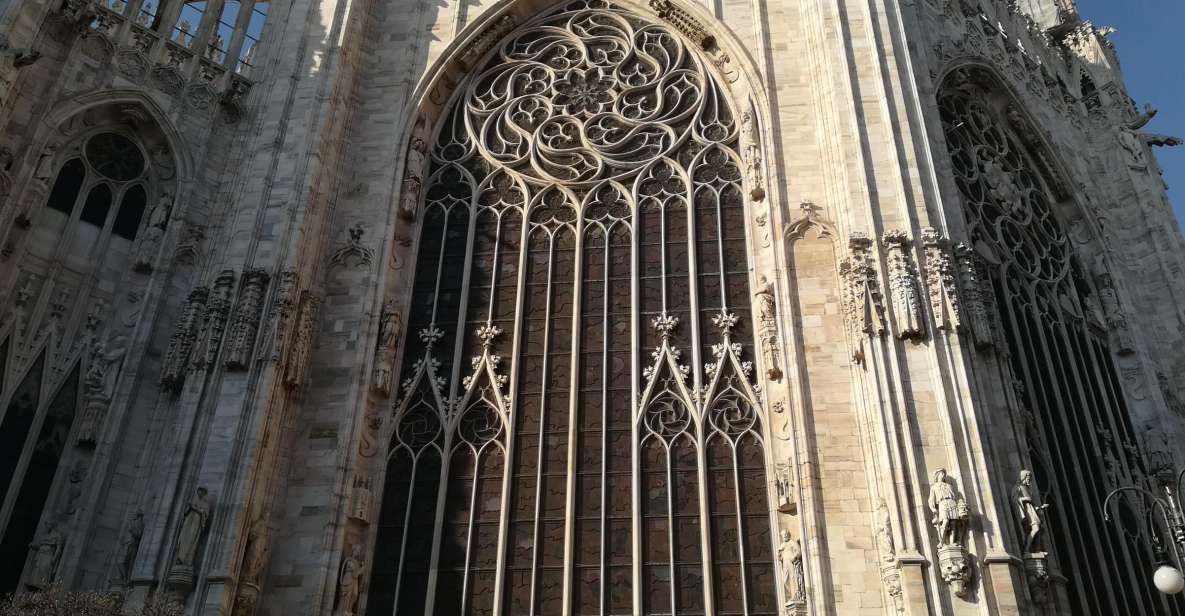
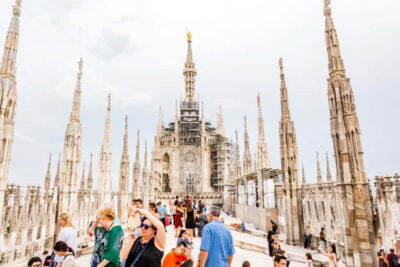
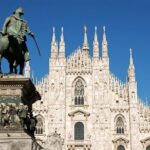
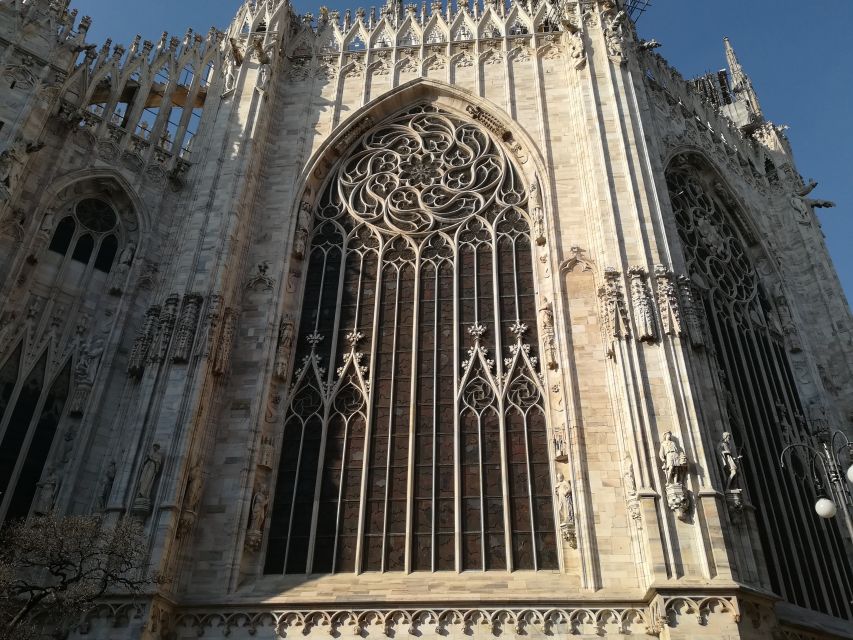
The star of the show is the Duomo Cathedral, and the big win is that the entrance fee is included. That means you’re not standing around sorting out tickets, and the guide can keep you moving with context instead of admin.
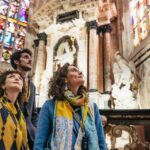
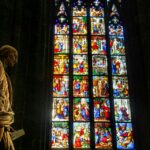
Inside, the Duomo can feel like a maze—high ceilings, dense decoration, and details everywhere you turn. A good art-history guide helps you slow down and pick the right things to notice. You’ll get explanations geared toward what you’re actually seeing, not generic facts.
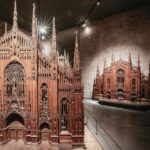
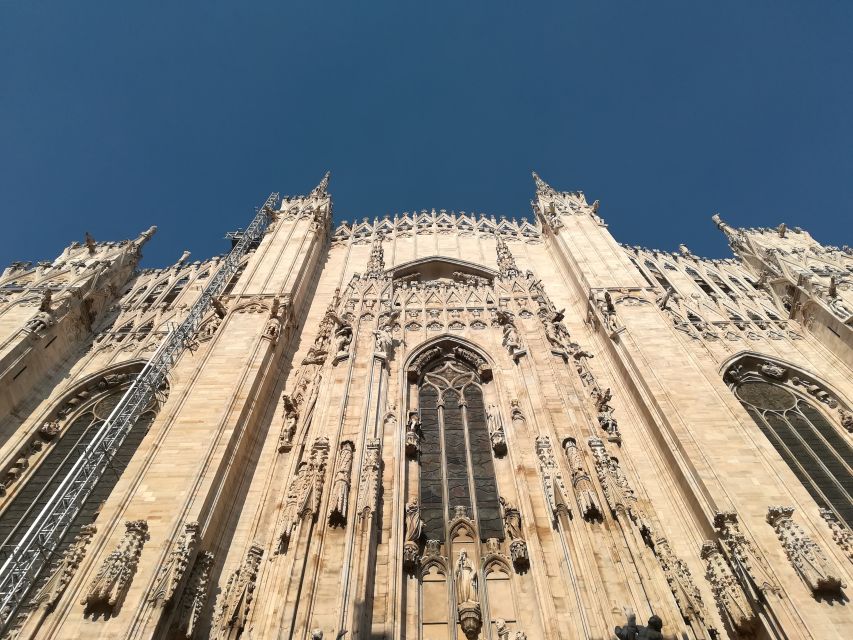
Outside, it’s the opposite problem: you might think you’ve seen the Duomo already from a distance, then realize up close it’s a whole collection of sculptural layers. The guide’s job is to help you connect the surface look to the wider story—why it looks like it does, how the style shows up, and what the design communicates.
Practical note: this is a church. You need to plan your outfit. No shorts, and no sleeveless tops. Knees and shoulders must be covered for both men and women, or entry can be refused. If you’re traveling with lightweight layers, this is the moment to use them.
From Galleria Vittorio Emanuele II to the Duomo zone: art plus everyday life
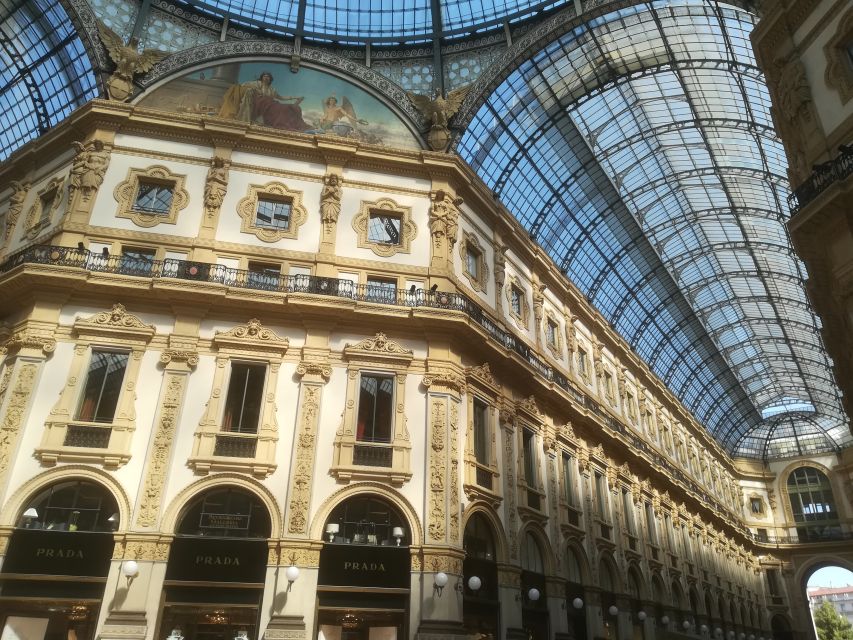
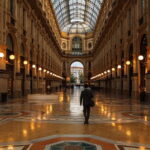
Between major sights, this tour uses the center like it’s a living museum. After the Duomo area, you’ll spend time at the Galleria Vittorio Emanuele II, the elegant shopping arcade that people often mention as a predecessor of modern malls.
Here’s why I like this stop: it’s not just about architecture. It’s about how cities socialize. The Galleria is a reminder that Milan’s artistic reputation isn’t only inside galleries or palaces. The city’s style spills into daily routines—shopping, strolling, meeting up, and people-watching.
Also, walking through the arcade gives you a break from open-air sun or rain while still keeping you in the middle of the action. And because the tour includes headsets, you can listen to your guide without shutting down your attention every time you step around a group photo.
Teatro alla Scala from the outside: noticing power, not just glamour
You’ll see La Scala from the outside. That may sound like a tease if you’re hoping to do a full theatre visit, but it can be smart on a walking tour for one key reason: you get the building’s context without losing time to schedules and extra entry fees.
Your guide can point out what makes this opera house feel like Milan’s cultural engine. Even from outside, you can understand why this place matters. It’s a landmark tied to performance, patronage, and the city’s identity. And if you’re an opera fan, it gives you a grounded sense of scale and location so a future ticket feels more meaningful.
One caution: if you’re hoping to pack the day with multiple ticketed venues beyond the Duomo, this tour won’t cover the cost of those entries. The big included exception is the Duomo.
Brera district: student creativity you can actually see
Brera is where Milan gets more human. The tour includes a look at the district shaped by the presence of the Academy of Fine Arts and its creative students. This is the part of the tour that often feels less like a checklist and more like atmosphere.
What you can expect here is a mix of streets that feel made for strolling: a place where art education shows up in the everyday environment. You’ll likely notice storefronts, studios, and the general buzz that comes from people who are learning and making things for a living.
This stop is especially good if you want Milan beyond the top postcards. It’s not trying to turn Brera into a brand-new storyline. Instead, it helps you read the neighborhood: why it developed a reputation for creativity, and how the art school’s presence changes what you experience on the sidewalk.
You can also read our reviews of more private tours in Milan




Sforza Castle: seeing ducal ambition in stone
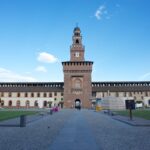
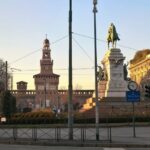
Next is Sforza Castle, known for its role as the luxury residence of Milan’s dukes. Even if you don’t go deep into museum collections, the castle works well on a walking tour because it gives scale fast.
You can get a sense of power from the structure itself—how it signals authority and control, and how it fits into Milan’s broader history. A guide helps you connect that impression to what the place was meant to do and how ducal rule shaped what the city became.
This is also a good stop for photos, but don’t just shoot and move. Take a few moments to look at the massing and the setting. Castles can look dramatic in pictures, but walking around the edges (with your guide timing your route) helps you understand why it commanded attention.
Why a licensed art-history guide changes everything
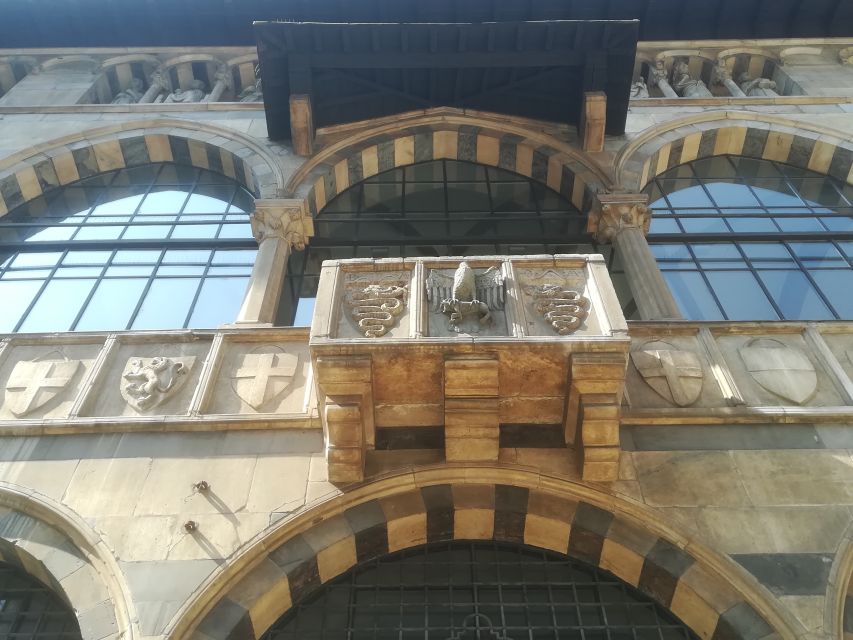
This tour is led by a licensed Milan tourist guide with a background in art history. That matters because Milan’s top sites can be visually loud but historically hard to decode on your own.
With a proper guide, you learn how to connect form to meaning:
- Why Gothic details make sense on the Duomo
- How the Galleria’s design reflects an idea of modern shopping
- How theatre architecture reinforces cultural status
- How Brera’s art-school presence shapes a neighborhood
- How a ducal residence speaks through fortification and luxury cues
Even better, one past guide you might get was Emilio, and his explanations were praised for being rich in history and for having excellent French. That kind of clarity is what you want from a walking guide. It’s not only about knowing dates; it’s about making what you’re seeing feel understandable.
And the headsets are part of that value. You’ll hear the guide better, even when other sounds and crowds are pushing in.
Pacing, personalization, and walking at your own speed
This is a private walking tour, so it isn’t locked to a giant group’s rhythm. That’s a real benefit in Milan, where the best views and best photo angles can depend on timing and crowd flow.
You’re also not stuck with only the “standard” route. The tour can be personalized if you tell the supplier ahead of time. That means if there’s a place you’ve circled before you arrived, you have a chance to fold it into the walk. It’s also possible to visit more tucked-away spots, depending on your interests.
Just keep expectations realistic. A four-hour tour is still four hours. Personalization works best when you choose priorities, not when you try to cram in everything you can think of.
Last Supper reality check (tickets aren’t included)
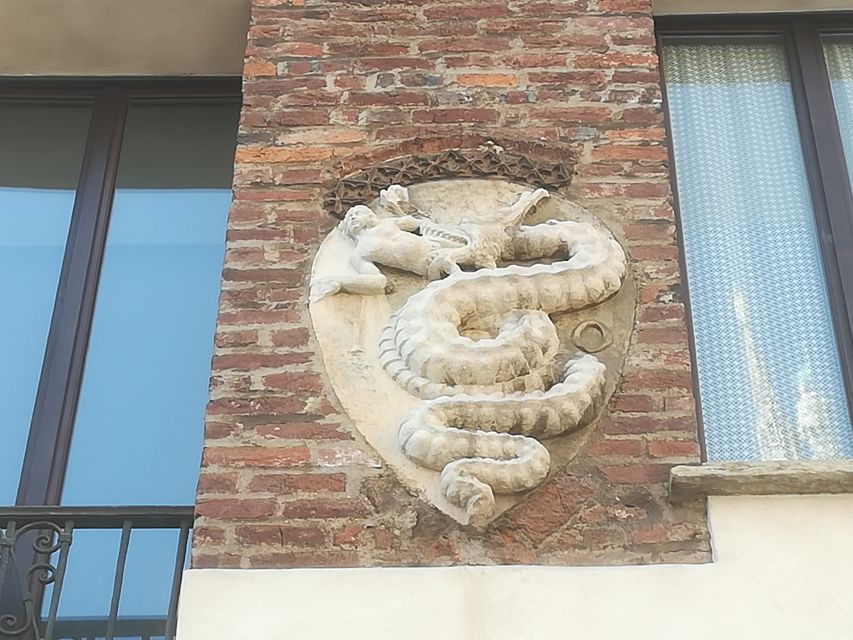
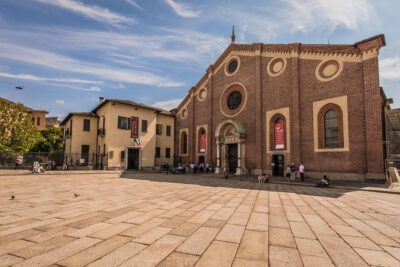
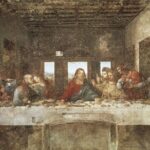
If you’re hoping to add the Last Supper, know this: tickets for it are not included, and it won’t be possible to buy them last minute. So treat it as a separate plan you may need to arrange independently.
This is one reason to read your day planning carefully. If that’s a must-do for you, you’ll want to coordinate timing around your other reservations. Your walking tour will give you the center highlights and the art-history context, but it won’t solve the Last Supper ticket puzzle.
Price and value for a 4-person private tour
The price is $215.24 per group (up to 4 people) for four hours. If you split it with a full group of four, that’s roughly $54 per person. If you’re going as a smaller group, your per-person cost rises—but you still get something many travelers are willing to pay for: a guide who can tailor the pacing and attention.
For me, the value comes from three parts:
- Duomo entrance included, which takes one major ticket item out of the equation
- Headsets included, so you don’t lose the best parts of the tour to noise
- A licensed art-history guide, which turns landmark walking into actual understanding
Also, you get a sort of time-saver benefit: skip-the-ticket-line for the Duomo. Even if you’re a confident planner, cutting down on lines around the Duomo helps your four hours feel full instead of spent waiting.
What to wear and bring: simple rules that prevent surprises
Dress code is serious here. For entry to places of worship, you need to cover knees and shoulders for men and women. That means no shorts and no sleeveless tops. If you’re traveling in warm weather, pack a light layer you can pull on quickly.
You also can’t bring luggage or large bags. That means if you’re traveling with a big backpack or rolling suitcase, you’ll need to store it before the tour. Plan to travel light for this one.
No matter what, bring the basics: comfortable walking shoes and water. The tour includes the guide, the duomo entrance fee, and headsets, but it doesn’t include food or drinks.
Should you book this Milan private walking tour?
Yes, if you want Milan’s top sights explained clearly, and you like the idea of a guide who can talk art history without turning it into a lecture. The included Duomo Cathedral entry, plus headsets and a genuinely small private group, makes this a strong value when you’re traveling with family or friends.
Book it especially if:
- You’re visiting Milan for the first time and want the center highlights covered
- You care about context, not just photos
- You want flexibility to personalize the walk
- You want a guide like Emilio who’s been praised for clear, history-rich explanations
Skip or rethink it if:
- You’re not willing to follow the church dress code
- You’re traveling with bulky luggage
- You’re hoping this tour handles Last Supper tickets (it doesn’t)
If your goal is a smart, guide-led walk that helps you understand why Milan looks the way it does, this one is a solid choice.
FAQ
What does the tour include?
It includes a licensed tour guide, a private walking tour, headsets to hear the guide better, and the entrance fee for the Duomo Cathedral.
Is Duomo entry included in the price?
Yes. The entrance fee for visiting the Duomo is included, and you can skip the ticket line for the Duomo visit.
Which sights are typically part of the route?
The typical center highlights include Duomo (inside and outside), Galleria Vittorio Emanuele II, La Scala from the outside, Brera district, and Sforza Castle.
Is the Last Supper ticket included?
No. Tickets for the Last Supper are not included, and you won’t be able to buy them last minute.
What languages are offered?
The live guide is available in English, French, and Italian.
Where do we meet and where does the tour end?
You meet at the entrance under the lodge of Galleria Vittorio Emanuele II at the corner with Piazza del Duomo. The tour ends back at the same meeting point.