REVIEW · MILAN
Milan: Italian Cooking Class with Food and Wine
Book on GetYourGuide →Operated by CHEF AND THE CITY · Bookable on GetYourGuide
Fresh pasta turns Milan into your kitchen. I love the hands-on pasta work at your own desk and the Italian chef-led technique that explains how to get the results, not just what to do.
One thing to consider: this is a real professional kitchen lab, so the kitchen rules are strict. Expect no eating or tasting while you cook, and you’ll need to tie back long hair and follow staff instructions.
In This Review
- Chef and the City: Why This Milan Cooking Class Works
- Key Points I’d Put on Your Shortlist
- Where to Meet: Chef and the City in Street-Level Milan
- What Happens in the Kitchen (No Waiting for the Action)
- The 3-Hour Flow: Snacks First, Then Three Traditional Dishes
- Fresh Pasta From Scratch: More Than Making Dough
- Italian Classics You Might Cook: Pasta Shapes, Bruschetta, and More
- Healthy, No-Waste Cooking: The Practical Benefit
- The Wine Part: Why It’s Included, Not Just a Free Pour
- Tools, Aprons, Gloves, and the Clean-Lab Setup
- What You’ll Actually Leave With: Recipes You Can Use
- Dietary Needs and Safety Rules: Know the Limits Before You Book
- Price and Value: Is $80 Reasonable for 3 Hours?
- Who This Cooking Class Is Best For
- Should You Book It in Milan?
- FAQ
- How long is the Milan Italian cooking class?
- What dishes will we cook?
- What’s included in the $80 price?
- Do we get recipes to take home?
- Where exactly is the meeting point?
- Are children allowed?
- Is it wheelchair accessible?
Chef and the City: Why This Milan Cooking Class Works
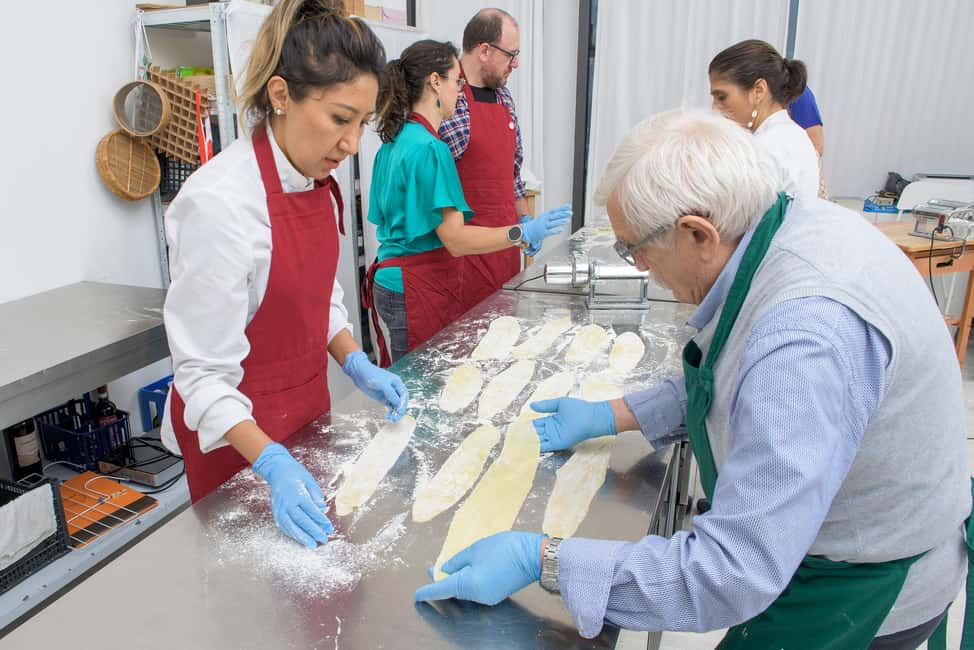
This class is built around one great idea: you don’t just watch Italian cooking. You do it. In a few focused hours, you’ll go from raw ingredients to a shared meal, with a chef who teaches the logic behind the flavor.
A lot of Milan is all show: monuments, museums, quick photo stops. This experience slows you down on purpose. You stand at a proper workstation, use tools provided for you, and learn technique you can repeat after you go home.
Key Points I’d Put on Your Shortlist
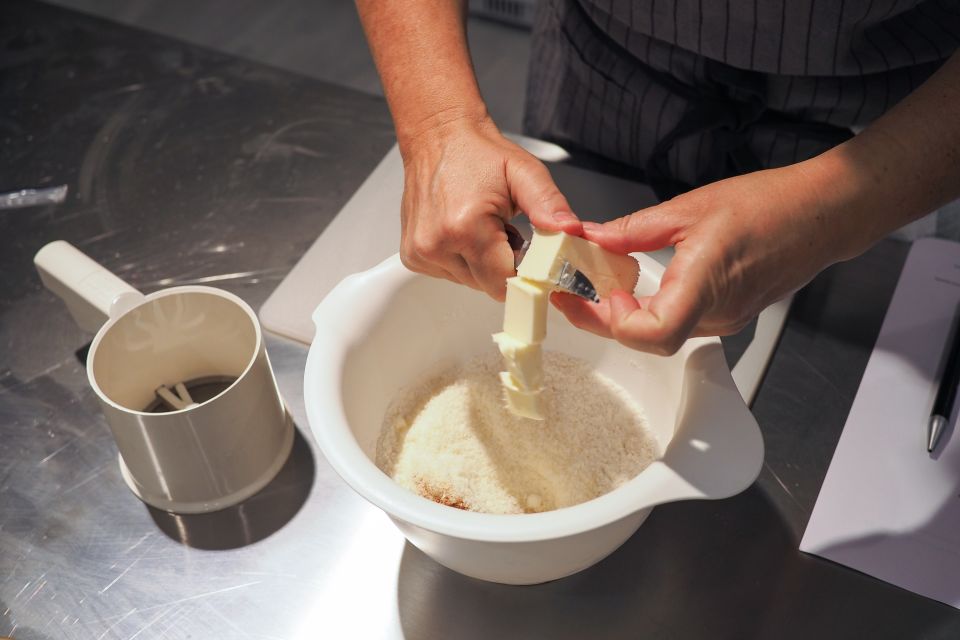
- Chef-led, hands-on cooking at your own desk, not a demo-only show
- Fresh pasta from scratch with guidance on shapes and timing
- A full meal moment afterward, when you finally sit down with wine
- Recipes included so you can recreate the dishes without guessing
- A no-waste mindset, with practical tips for healthier cooking
You can also read our reviews of more food & drink experiences in Milan


Where to Meet: Chef and the City in Street-Level Milan
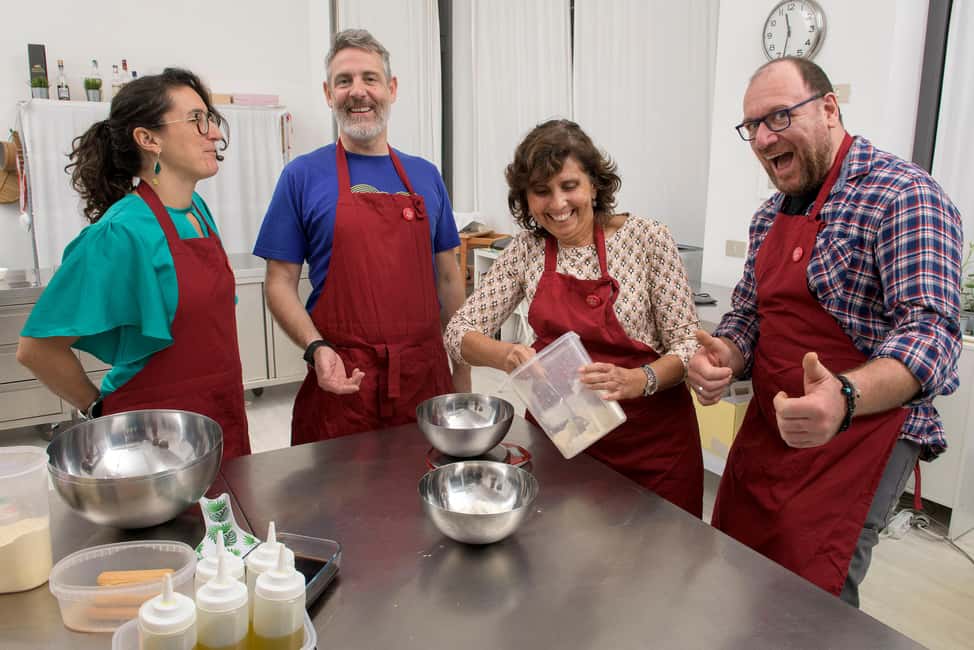
You’ll meet at Chef and the City, a street-level shop with three big windows and three red signs on top. When you arrive, ring the bell at the main window door.
This matters because cooking classes run on a schedule. You’ll want to show up a few minutes early so you can get settled, follow the rules, and start cooking without feeling rushed.
What Happens in the Kitchen (No Waiting for the Action)
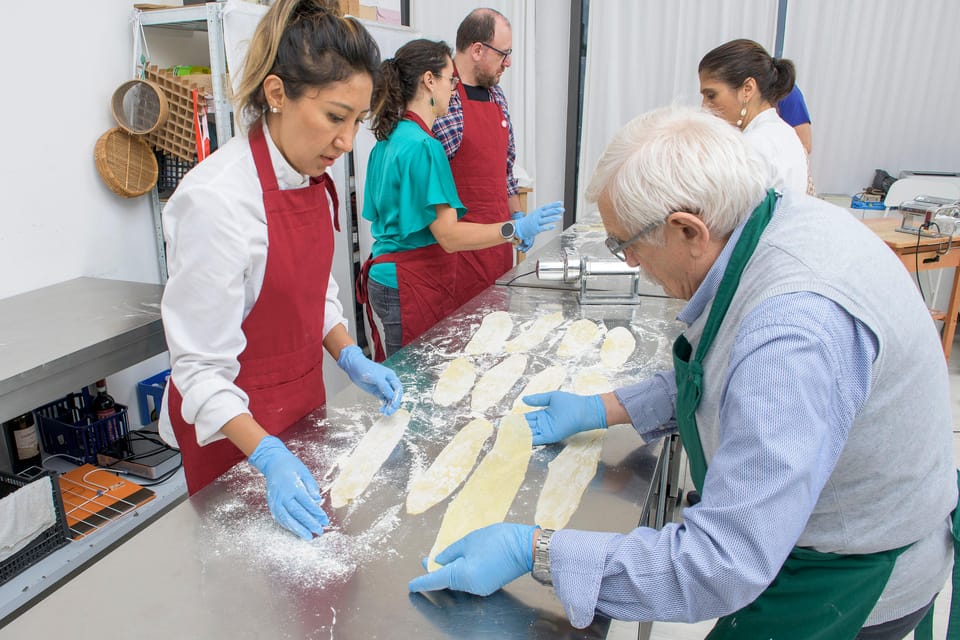
The rhythm here is simple and efficient: light snack and briefing, hands-on cooking, then eating what you made.
You’ll work in a professional lab setup with aprons and gloves provided. You’re also given a personal desk, which keeps things practical if you want to take notes or slow down when you need to.
And yes, the class is interactive. The chef (often Ilaria, with staff support like Fernando or Klara in some sessions) gives explanations in English and Italian, and you’ll get help as you cook so you don’t just produce pasta shapes that look good in theory.
The 3-Hour Flow: Snacks First, Then Three Traditional Dishes
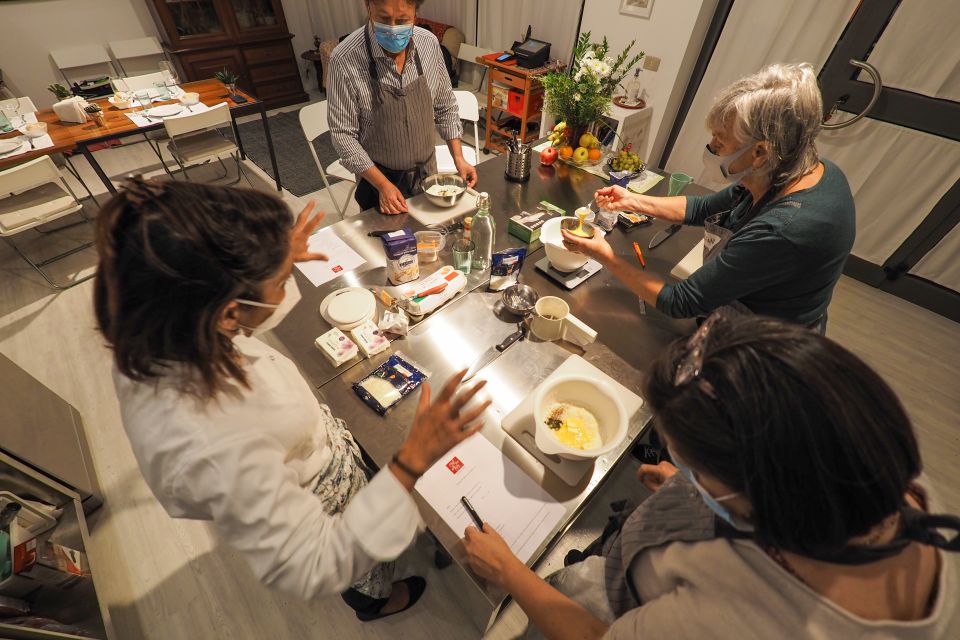
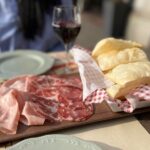
Before the main cooking starts, you’ll nibble on light bites. Expect an antipasti-style spread such as cheese, dry tomatoes, mortadella, and olives. There are also sweets like cookies, biscuits, and candies, plus coffee, teas, infusions, and water.
Then comes the serious part: cooking three traditional dishes under supervision. The focus isn’t only on one course. You’ll jump between tasks and learn how components fit together.
At the end, you sit down as a group in the dining room and enjoy the dishes you cooked. This is where the class clicks, because you finally connect technique to taste, and you get a relaxed social moment with wine.
Fresh Pasta From Scratch: More Than Making Dough
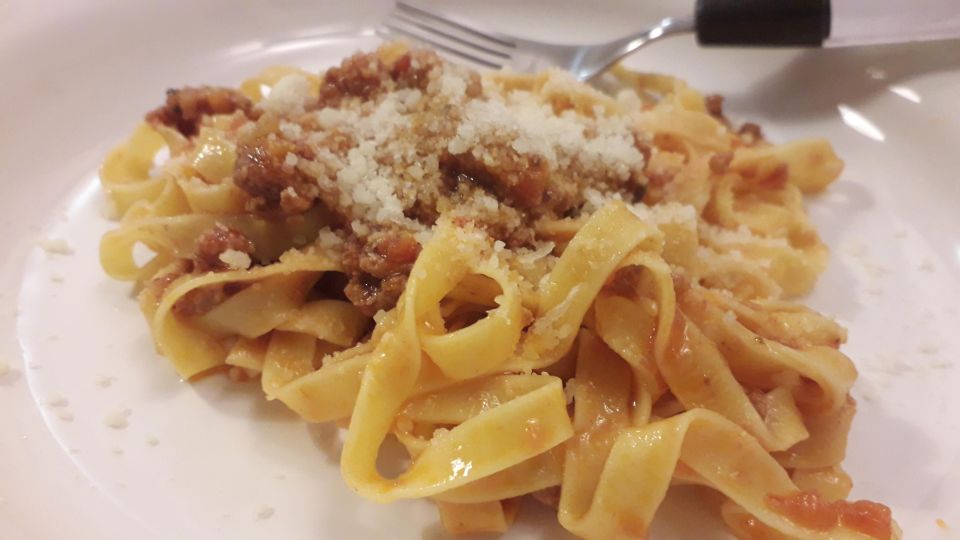
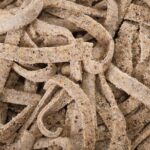
The headline skill is fresh pasta—made from scratch. Depending on the session, you may form shapes like tagliatelle, gnocchi, or ravioli.
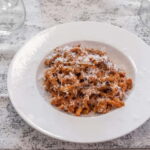
You’ll also learn sauce-making fundamentals. The menu includes sauce ideas you’ll actually want to repeat at home, like cacio and pepe (pepper-forward comfort) and ragu’ (slow-cooked depth, built with patience).
Why this is valuable: store-bought pasta is convenient, but fresh pasta teaches you what texture should feel like. You learn how dough behaves, how to shape it, and how to time the cook so everything hits the plate together.
You can also read our reviews of more tours and experiences in Milan





Italian Classics You Might Cook: Pasta Shapes, Bruschetta, and More
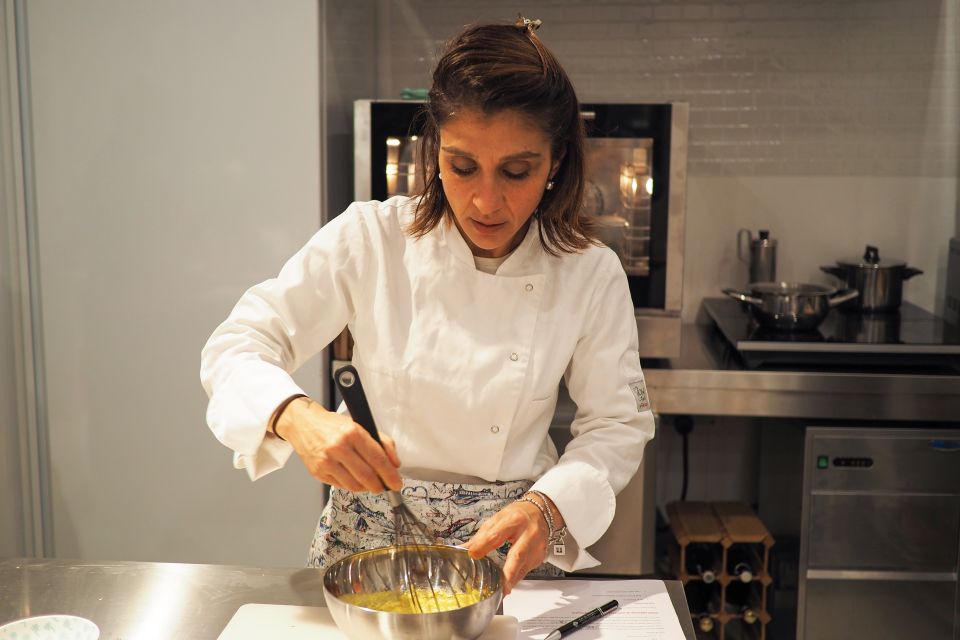
The class description points to a mix of Italian favorites, with some sessions centering on pasta and others pairing pasta with classic sides and desserts.
From what the experience outlines, you could encounter dishes such as:
- Pasta shapes like tagliatelle, gnocchi, and ravioli
- Sauces like cacio and pepe and ragu’
- Focaccia
- Bruschetta
- Eggplant parmigiana
- Tiramù (and other sweets)
A few extra-course examples that show up in the broader offering include tiramisù variations and cookie-style desserts like biscotti/cantucci, plus classes that create strudel. The exact combination can vary, but the core promise stays the same: you’ll cook three traditional dishes and leave with recipes.
Healthy, No-Waste Cooking: The Practical Benefit
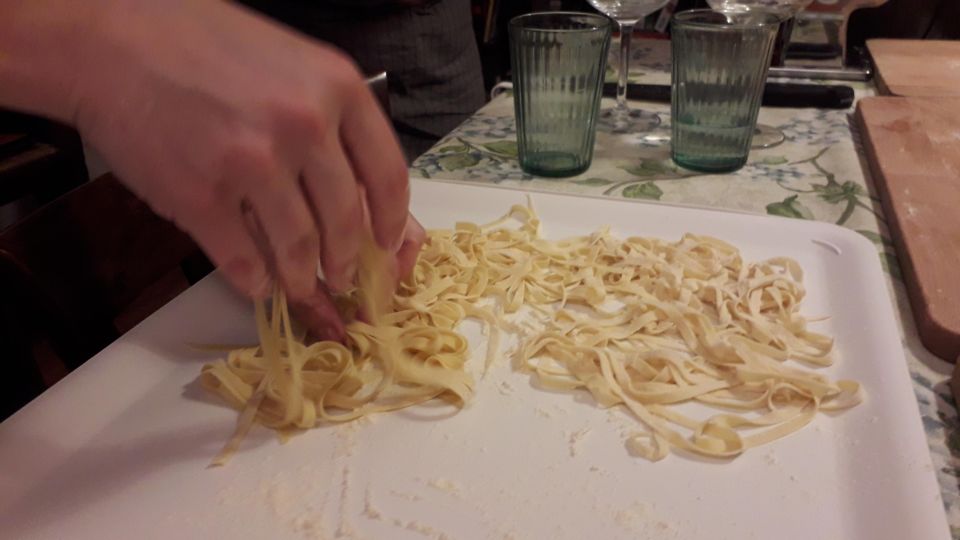
The class explicitly leans into healthier, waste-free cooking. That shows up as technique choices and planning, not just a vague wellness slogan.
What you take home from this is a more “use what you have” cooking mindset. You also pick up professional kitchen habits: how to season correctly, how to balance richness, and how to avoid turning leftovers into sad leftovers.
This matters if you want your home cooking to feel Italian without feeling heavy every night. You’ll learn approaches that scale down to a normal kitchen, where you need both flavor and control.
The Wine Part: Why It’s Included, Not Just a Free Pour
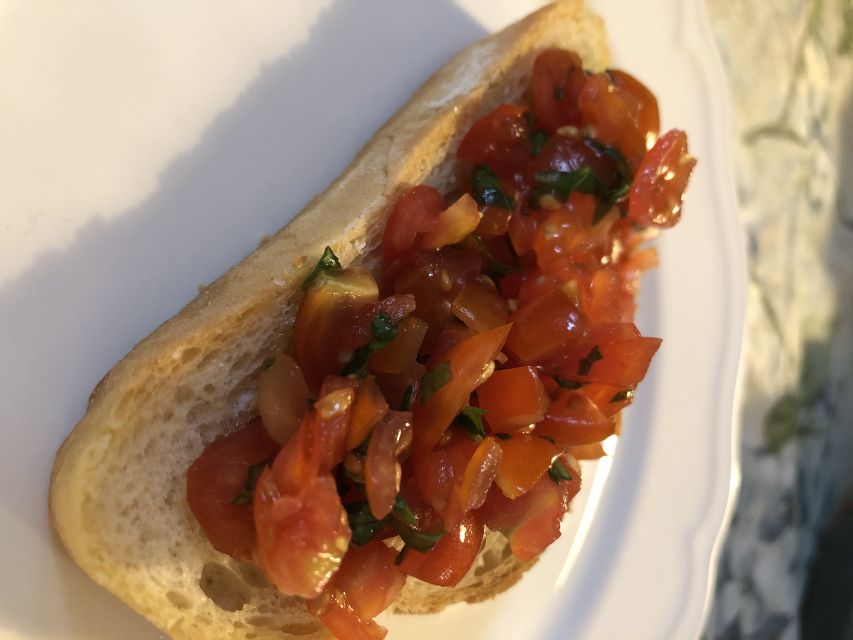
Wine is part of the package, and it’s served with your meal when you sit down together. The class also includes beverage options around the breaks, which helps keep energy up during hands-on work.
The bigger value of the wine moment is social and sensory. Cooking gets you busy; eating with wine gets you to slow down and notice what you made. It’s also a chance to ask questions in a lower-pressure setting, especially if you want to understand what to practice next at home.
And because the food is what you cooked, the wine feels earned. You’re not just tasting Italian; you’re tasting your own learning.
Tools, Aprons, Gloves, and the Clean-Lab Setup
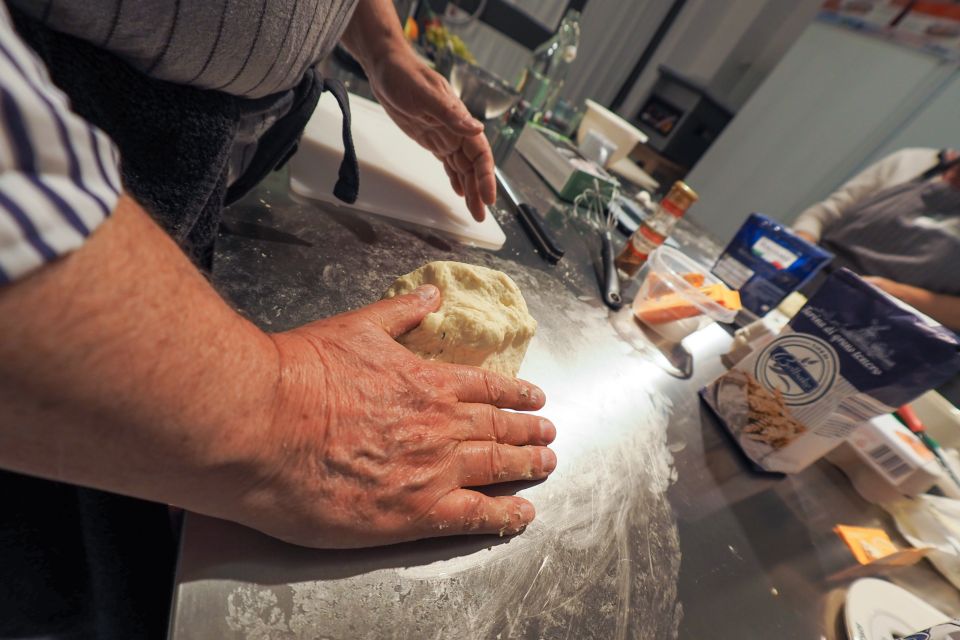
This isn’t a kitchen counter tour. You’ll have cooking tools provided, plus aprons and gloves for working safely and neatly.
The lab-style setup is a big deal for comfort. You can focus on technique instead of rummaging for equipment. It also makes the class feel structured, which helps a lot if you’re new to pasta making.
One more practical benefit: since this is built for instruction, there’s less chaos than you’d expect in a casual at-home class. You’ll still need to pay attention, but it won’t feel like you’re guessing your way through.
What You’ll Actually Leave With: Recipes You Can Use
You get a copy of all recipes. The promise is that they’re easy to make at home, so you’re not collecting a souvenir page that assumes you own every tool and ingredient on day one.
If you’ve ever made pasta at home and then forgotten what you did differently the next time, recipes help you lock in the method. Here, you’re not just told what to eat. You’re given the steps that got you there.
If you keep cooking pasta after this, you may also decide you want a pasta machine. Some people come to the class hoping to get confidence first, then they buy equipment afterward if they want the process to get easier.
Dietary Needs and Safety Rules: Know the Limits Before You Book
This is where you should read carefully. In a professional lab, safety comes first.
You’ll be asked to follow kitchen rules like:
- No drinks or food while cooking
- No tasting while cooking
- Tie up long hair
- No luggage or large bags
So if you like to nibble as you go, you’ll need to adjust. The upside is that this rule keeps the workflow smooth and the kitchen focused.
On top of that, the experience notes it is not wheelchair accessible and is not suitable for people with mobility impairments. It also isn’t for children under 10.
Price and Value: Is $80 Reasonable for 3 Hours?
At $80 per person for about three hours, you’re paying for several things that add up fast if you try to recreate the day on your own:
- A chef guiding your technique in a working kitchen
- Ingredients for three dishes
- Tools, gloves, and aprons
- Wine with the meal
- Recipes to take home
If you’ve ever bought ingredients for one fancy dinner and still ended up missing technique, this is why the value can feel strong. You get instruction plus the full meal outcome in one package.
That said, it’s not a casual drop-in. You’re doing real work at a professional workstation, and the rules are part of that tradeoff.
Who This Cooking Class Is Best For
This experience fits best if you:
- Want a practical skill (fresh pasta, sauces, classic dishes), not only a meal
- Like structured classes with clear steps and hands-on help
- Enjoy social dining with wine, not a silent cooking competition vibe
It’s also great for couples and small groups because the pacing stays manageable and the class doesn’t feel like you disappear into a crowd.
If you hate rules and prefer free-form cooking, you may find the no-tasting-no-eating-while-cooking style restrictive. But if you like learning in a professional format, it’s a big plus.
Should You Book It in Milan?
I’d book this cooking class if you want a memorable Milan day that turns into something useful at home. Fresh pasta from scratch, chef coaching, wine with your own meal, and recipes in hand make it feel like more than entertainment.
One final note for timing: the class runs on set start times, and it’s described as offering free cancellation up to 24 hours in advance for a full refund. If you’re juggling plans, that flexibility helps.
If you want a Milan souvenir you can actually cook, this is a strong choice.
FAQ
How long is the Milan Italian cooking class?
The experience runs for 3 hours.
What dishes will we cook?
You’ll learn to prepare 3 traditional Italian dishes. The class content includes skills like making fresh pasta from scratch (such as tagliatelle, gnocchi, and ravioli) and working on sauces like cacio and pepe and ragu’. Other Italian dishes mentioned include focaccia, bruschetta, eggplant parmigiana, and tiramisù.
What’s included in the $80 price?
Food and beverage are included, along with cooking tools, gloves, aprons, and wine.
Do we get recipes to take home?
Yes. You receive a copy of all recipes from your chef.
Where exactly is the meeting point?
Meet at Chef and the City, a street-level shop with three big windows and three red sign panels on top. Ring the bell at the main window door.
Are children allowed?
The experience is not suitable for children under 10 years.
Is it wheelchair accessible?
No. The workshop is not wheelchair accessible, and it is noted as not suitable for people with mobility impairments.