REVIEW · MILAN
Milan: City Sightseeing Hop-On Hop-Off Bus with Audio Guide
Book on GetYourGuide →Operated by Sightseeing Experience · Bookable on GetYourGuide
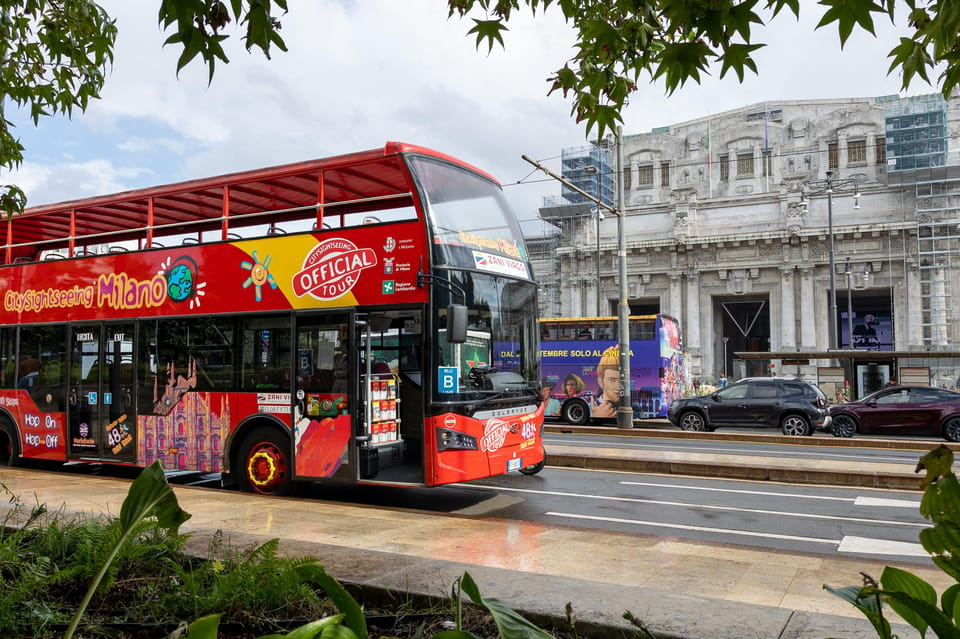
Milan’s best views come with zero rushing. This hop-on hop-off bus lets you ride above traffic in an open-top panorama and plug into audio stops for the city’s big hitters, from the Duomo area to places like La Scala and beyond. You set the pace: ride, hop off, explore, then climb back on when you want.
I especially like two things. First, the ticket connects 4 separate bus lines (A, B, C, D), so you can bounce across neighborhoods without building a new plan every time. Second, the included audio guide in 10 languages turns the ride into quick learning, including local food history like Cotoletta alla Milanese and the background on panettone.
One drawback to keep in mind: the first stop for most lines starts at Foro Bonaparte, which can feel like a maze when you’re looking for a specific landmark. Also, audio can occasionally be spotty on a few seats, so it helps to have a backup plan if you sit down and your headphones act up.
In This Review
- Key Things to Know Before You Ride Milan’s Hop-On Hop-Off Bus
- Why Milan Works So Well From a Hop-On Hop-Off Bus
- Picking the Right Line: A, B, C, and D Stops at a Glance
- Line A: Castello to Moscova (and the Duomo Axis)
- Line B: The Duomo–Repubblica Sweep
- Line C: Parks, City Life, and the Stadium Area
- Line D: Old Milan to Brera (via Navigli)
- Foro Bonaparte vs. Piazza Duomo: Getting On Without Losing Time
- Audio Guide Highlights: Food Stories, Opera House Facts, and Kids’ Commentary
- What the Stops Are Really For: Choosing Where to Hop Off
- Castello, Cenacolo, and Cadorna: A Classic Milan Anchor
- Duomo and Monte Napoleone: The Big Labels (and the Crowd Reality)
- Brera and Navigli: Neighborhood Time, Not Just Photos
- Stadio San Siro and Parco Sempione: The “Change of Mood” Pair
- How Long You Really Need: 1 Day vs 2 vs 3 in Milan
- Value at About $26: What You Get for the Money
- Common Snags to Watch For: Packed Transfers, Delays, and Audio
- Night Tour Bonus and Olympic Disruptions: Plan Like a Local
- Should You Book This Milan Hop-On Hop-Off Bus?
- FAQ
- How long is the Milan hop-on hop-off ticket valid?
- How many bus lines are included?
- Where do I start for each line?
- Is the audio guide included, and in what languages?
- Is Wi‑Fi available on the bus?
- Are attraction tickets included for major sights?
- Is there a walking tour included with the bus pass?
- Does the ticket include the Milan Night Tour?
- Can any stops be closed or suspended?
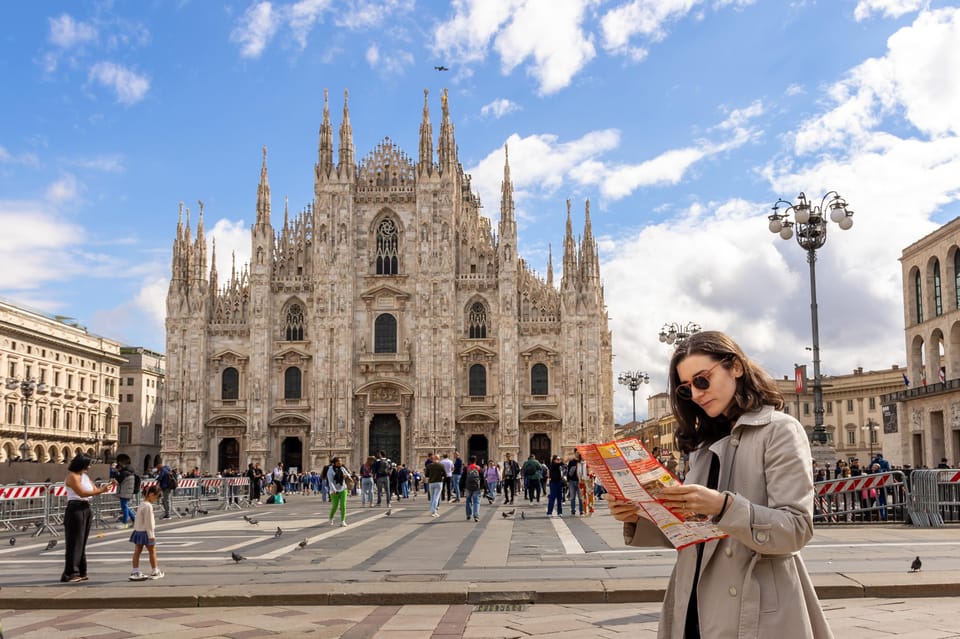
Key Things to Know Before You Ride Milan’s Hop-On Hop-Off Bus
- Four connected lines (A to D): You can mix and match routes instead of committing to one loop all day.
- 10-language audio + kids’ commentary: The narration covers sights and even food stories you’d never learn from a map.
- Easy city orientation: You’ll see major areas fast, then hop off where you actually want to spend time.
- Onboard Wi‑Fi and a city tour map: Handy for quick check-ins and deciding where to go next.
- Timing and crowding can vary: Transfers can mean packed buses and extra waiting if traffic is heavy.
Why Milan Works So Well From a Hop-On Hop-Off Bus
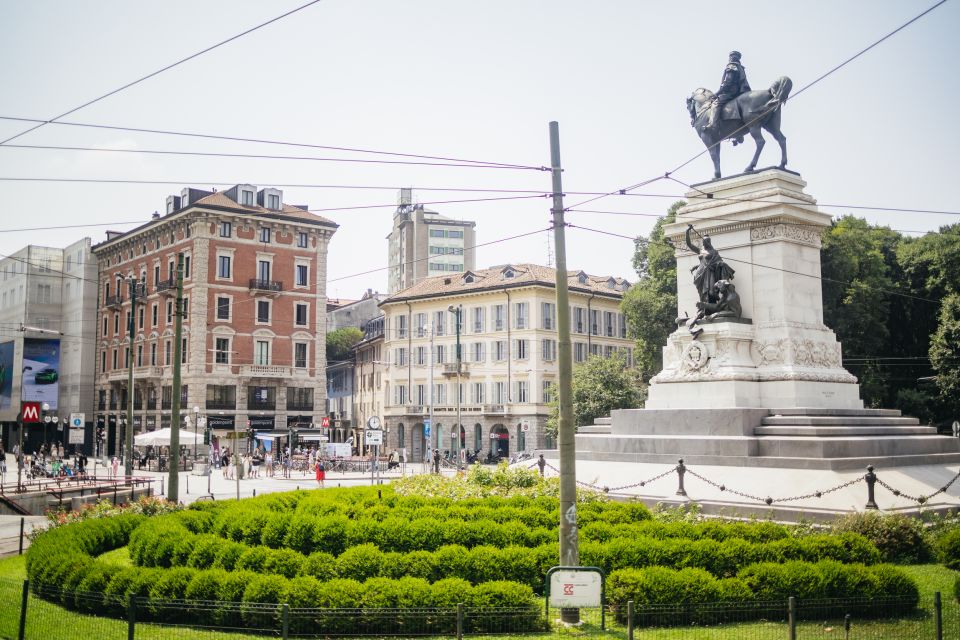
Milan is one of those cities where walking is great, but planning gets complicated fast. Streets can be busy, distances add up, and you often want to see several areas in a short window.
This bus solves that with an open-top ride plus control. You’re not stuck touring with a group march tempo. You choose when to hop off, which makes it realistic to fit “must-see” sights and personal interests into the same day—without sprinting between train stations.
You can also read our reviews of more guided tours in Milan


Picking the Right Line: A, B, C, and D Stops at a Glance
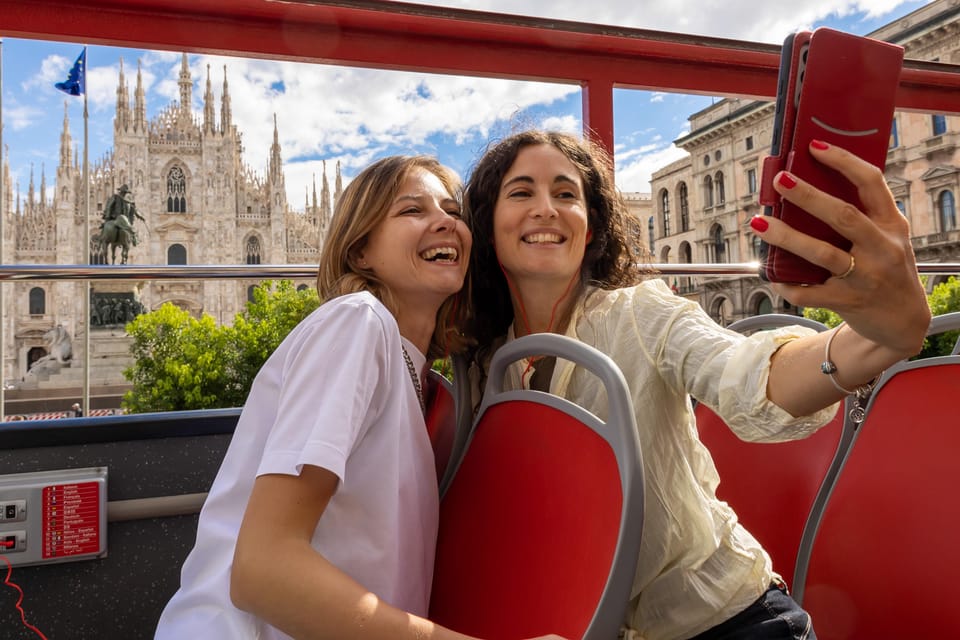
The ticket gives you access to 4 bus loops that connect. That means you can start on one line, hop to another at shared areas, and avoid repeating the same views over and over.
Here’s the practical stop map—use it like a shopping list for your interests:
Line A: Castello to Moscova (and the Duomo Axis)
- Castello
- Cadorna
- Cenacolo
- Corso Magenta
- Duomo
- Monte Napoleone
- Manin
- Moscova
This line is a strong “first day” option because it links central landmarks with shopping-and-street areas like Monte Napoleone. It’s also a good choice if you want quick access to Duomo without committing to staying there the whole day.
Line B: The Duomo–Repubblica Sweep
- Duomo
- Monte Napoleone
- Manin
- Repubblica
- Palazzo Lombardia
- Stazione Centrale
- Buenos Aires
- Porta Venezia
- San Babila
Line B is useful if you want a smoother arc through central Milan into transportation and shopping zones (like Stazione Centrale and Porta Venezia). It’s also handy for repositioning: you can hop off closer to where you want to wander next, then re-board without backtracking.
Line C: Parks, City Life, and the Stadium Area
- Castello
- Triennale
- Arco della Pace
- City Life
- Casa Milan
- Mico – Congress Centre
- Lotto – Montebianco
- Lido
- Ippodromo
- Stadio San Siro
- Lotto – Monterosa
- Buonarroti
- Pagano
- Conciliazione
- Parco Sempione
This is the line I’d pick if you want a big-picture contrast: central sights mix with modern districts and the Stadio San Siro area. It’s also one of the best lines for seeing Parco Sempione from above the city.
You can also read our reviews of more city tours in Milan

Line D: Old Milan to Brera (via Navigli)
- Castello
- Cadorna
- Cenacolo
- Navigli
- Piazza XXIV Maggio
- Duomo
- Monte Napoleone
- Brera
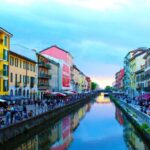
Line D is the “I want atmosphere” loop, because it includes Navigli and Brera. Even if you don’t spend hours at every hop-off stop, the route helps you time your day around neighborhoods that feel more like Milan than just famous landmarks.
Foro Bonaparte vs. Piazza Duomo: Getting On Without Losing Time
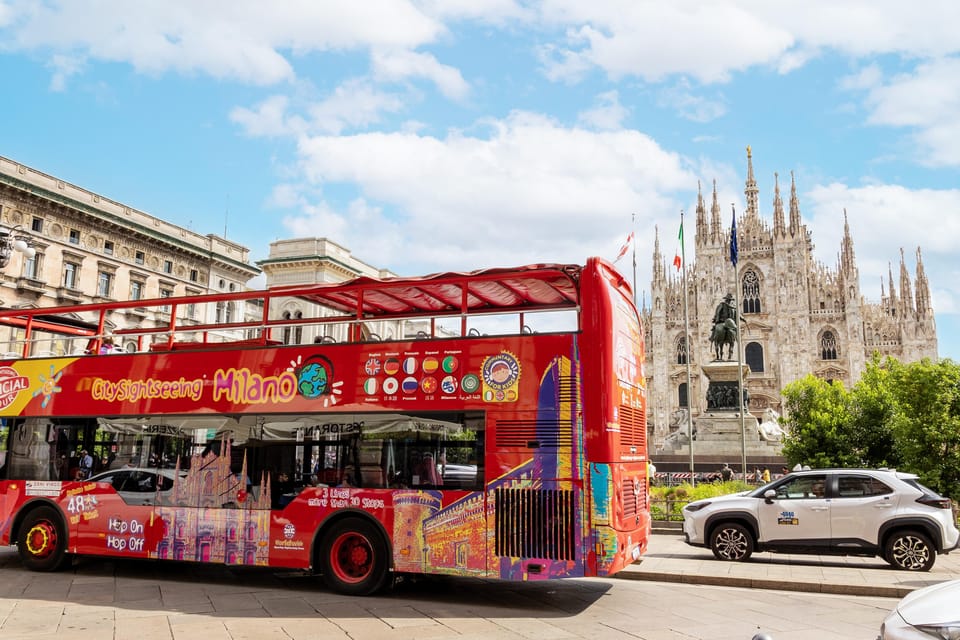
Where you start matters more than you’d think—especially on a first visit.
- For Lines A, C, and D, your first stop is Foro Bonaparte.
- For Line B, your first stop is Piazza Duomo.
My practical advice: when you arrive at Foro Bonaparte, give yourself a few extra minutes. The area is big, and the difference between spotting the right pickup point and wandering for an hour can come down to one tiny signage cue. If you tend to be the careful type, build in that buffer so you don’t start your day annoyed before the bus even arrives.
Audio Guide Highlights: Food Stories, Opera House Facts, and Kids’ Commentary
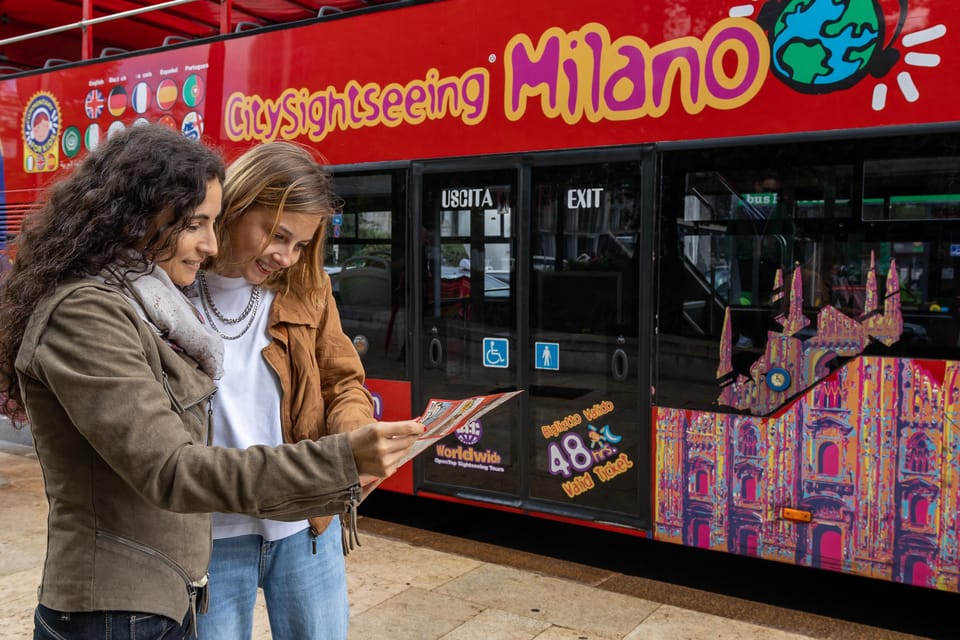
This is not just a narrated ride that repeats obvious facts. The audio guide includes lively city context and covers things like the Opera House and the Castello Sforzesco. You also get local food education, including the story behind Cotoletta alla Milanese and the history of panettone.
Audio is available in Spanish, Chinese, English, French, German, Italian, Russian, Portuguese, Japanese, and Arabic, and there’s also a special children’s audio track. If you’re traveling with kids (or just like a lighter tone), that’s a real plus because it keeps the ride from turning into background noise.
One small comfort tip from real-world use: if the audio cuts out on your seat, try switching to another pair of headphones or moving one or two rows. It tends to be easier than you’d expect once you’re on board.
What the Stops Are Really For: Choosing Where to Hop Off
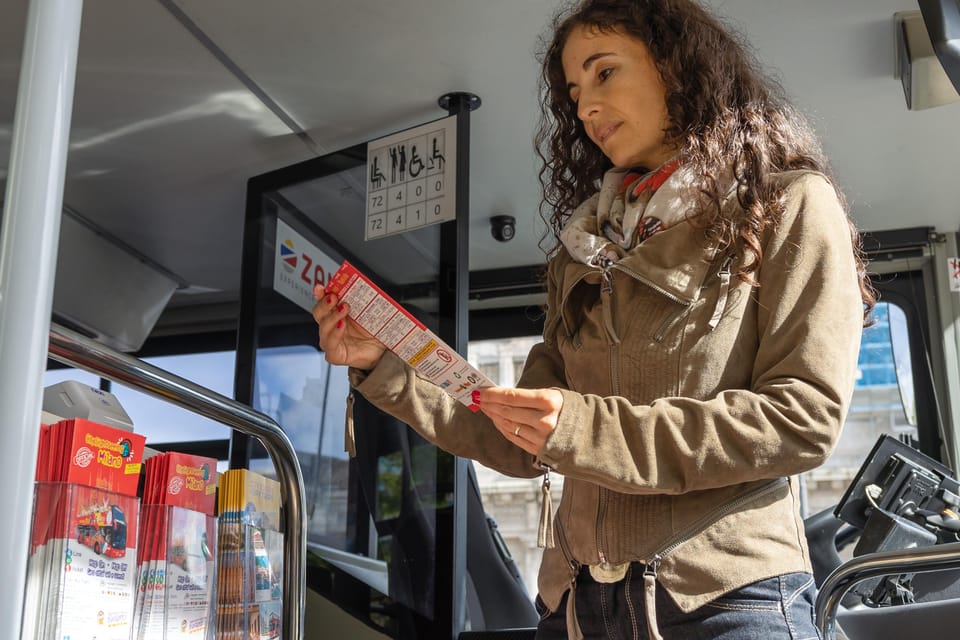
Here’s how I’d think about the stops, so they help your time instead of becoming a list you ignore.
Castello, Cenacolo, and Cadorna: A Classic Milan Anchor
If you’re trying to build confidence fast, these stops give you an anchor route. Castello and Cenacolo appear on multiple lines, so you can arrive, get oriented, and then decide later whether you want to go deeper.
Cadorna shows up on several routes too. It’s useful if your day includes switching directions or you want to break up your sightseeing with a change of scenery.
Duomo and Monte Napoleone: The Big Labels (and the Crowd Reality)
You’ll find the Duomo area on multiple lines, including Line A, Line B, and Line D. It’s an obvious stop, but here’s the deal: even if the area is where everyone wants to be, the hop-on hop-off format still helps because you can arrive when it suits you, not when a scheduled tour forces your timing.
Monte Napoleone also appears frequently (Lines A, B, and D). It’s a convenient “reposition” stop if you want to do shopping-style walking or just see that side of Milan without planning transit transfers.
Brera and Navigli: Neighborhood Time, Not Just Photos
Brera is on Line D, and Navigli is also on Line D (plus Piazza XXIV Maggio). Those are your cues to slow down. The bus helps you reach them without fighting for parking or planning transit segments—then you can do the real Milan thing: wander.
If you want a day that feels less like sightseeing checkboxes and more like neighborhood exploring, spend longer at these stops and let the audio guide do the heavy lifting while you move.
Stadio San Siro and Parco Sempione: The “Change of Mood” Pair
These two show up on Line C: Stadio San Siro plus Parco Sempione. If you like variety, Line C gives you that. You can go from stadium-focused plans to park time without changing your transportation plan.
How Long You Really Need: 1 Day vs 2 vs 3 in Milan
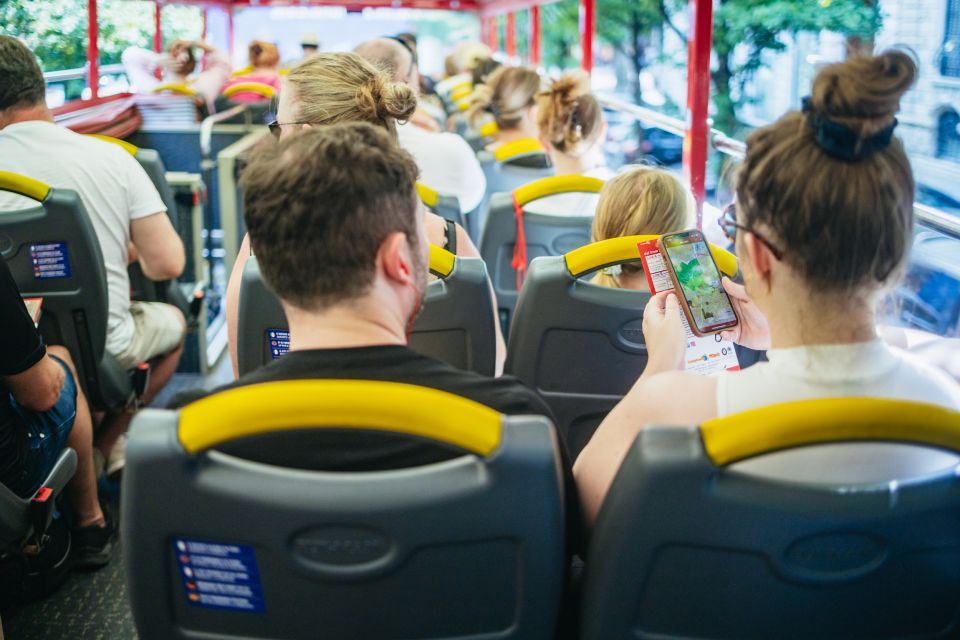
The ticket is sold for 1 to 3 days, and the right choice depends on your style.
- One day: You can get a lot of orientation, especially if you target a couple of hubs (like Duomo plus either Brera/Navigli or Parco Sempione). You might still feel like you didn’t see everything, but you’ll know what you’d like to revisit.
- Two days: This is the sweet spot for most people who want both landmarks and neighborhood wandering. You can do one day focused on central routes and another day on the loop that includes Navigli/Brera or Stadio San Siro/Parco Sempione.
- Three days: Worth it if you’re the type who wants to hop off, explore deeply, and still have time to cover more stops without feeling rushed.
A useful reality check: the routes can overlap in the sense that you’ll pass by some repeated areas depending on what loop you ride. Two days usually gives you enough flexibility to cover the big themes without turning the trip into a loop marathon.
Value at About $26: What You Get for the Money
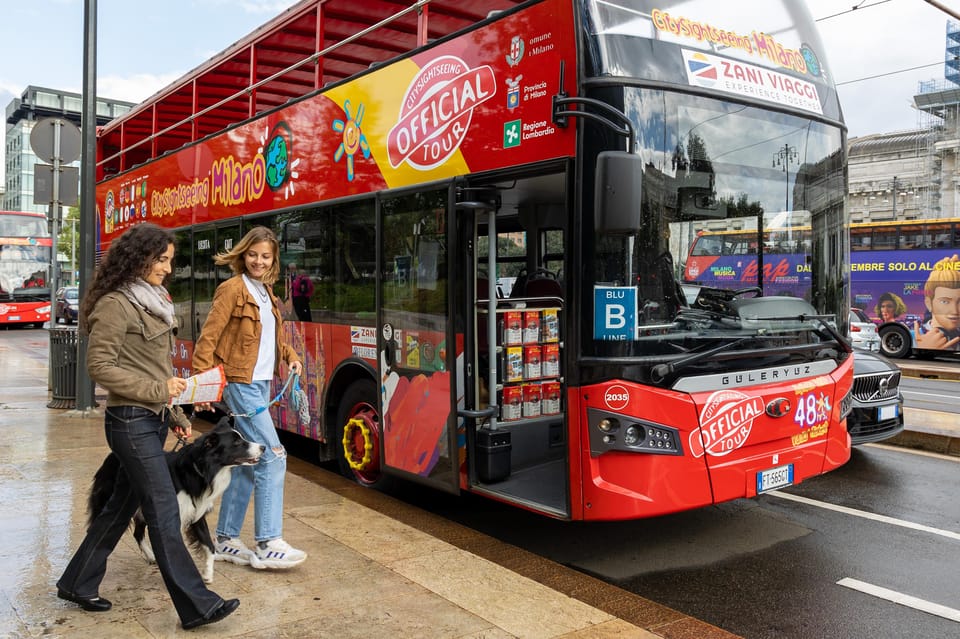
At around $26 per person, the value comes from how much is bundled into one ticket.
Included:
- Hop-on hop-off bus access across 4 lines
- Multilingual audio commentary
- Children’s audio
- Wi‑Fi onboard
- Free Walking Tour through the mobile app in 5 languages
- City tour map
Not included:
- Attraction tickets
That “not included” detail matters. If you want to enter museums or major venues, you’ll still need separate tickets. But for building a day plan—finding neighborhoods, deciding what to prioritize, and reducing transit friction—the bus pass does a lot of work for you.
If you’re worried about wasting money because Milan’s attractions are walkable, think this way: even when you can walk to places, the bus saves you the hardest part—time between distant areas. You’ll often end up using the bus as your “fast transit layer,” then walking once you’re in a zone you care about.
Common Snags to Watch For: Packed Transfers, Delays, and Audio
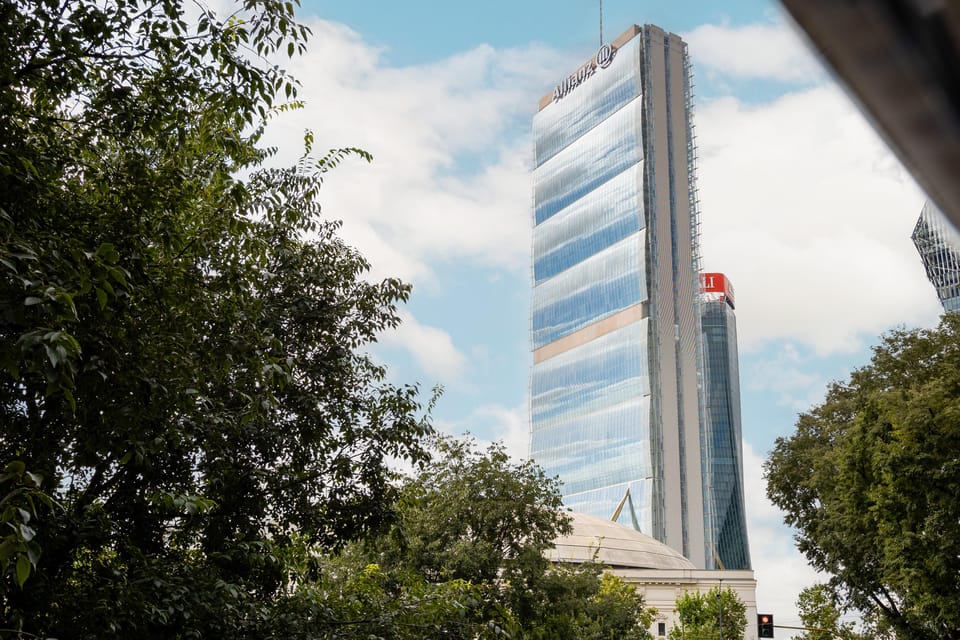
Most of the experience is smooth, but Milan traffic is Milan traffic. Here are the realistic friction points:
- Transfers can get crowded. When you switch lines, the next bus can be packed, which makes it harder to get a good seat.
- Waiting time can feel long. If you miss a bus, you may wait a while before the next one arrives.
- Traffic can push schedules. Heavy roads mean you can lose time between stops.
- Audio might not work for every seat. Some headphone plugs can fail, so be ready to move to another pair if yours goes quiet.
Also, double-check you’re using the correct operator. One caution you’ll want to take seriously in Milan is that more than one company runs similar hop-on hop-off products. Look closely at what you booked and make sure it matches the one operating at the stops.
Night Tour Bonus and Olympic Disruptions: Plan Like a Local
There’s a nice seasonal perk if you’re traveling on the right dates.
- If you buy the 72-hour weekend rate (Saturday and Sunday) during June to September, the Milan Night Tour is included.
And there can be route disruption during the Winter Olympic period:
- Green Line Stop 2 may be closed for the full duration of the Winter Olympic Games.
- On Saturday February 21, Stop Castello may be suspended.
If you’re traveling near those dates, build extra flexibility into your hop-off plans so one closed stop doesn’t derail the day.
Should You Book This Milan Hop-On Hop-Off Bus?
Book it if you want an easy way to get bearings fast, see multiple neighborhoods, and choose what you explore in depth later. It’s a great fit for first-timers, tight schedules, and anyone who likes learning while riding—especially because the audio includes food stories like Cotoletta alla Milanese and panettone.
Skip it (or pair it with a more targeted plan) if you know you’ll only care about a single neighborhood and you’re comfortable moving around purely on foot or public transit. Also, if you’re extremely sensitive to delays, remember Milan can slow buses down.
My bottom line: this is one of the better ways to structure a Milan trip when you want freedom without chaos—ride the loop, pick your favorite zones, then spend your real time on the streets where Milan actually happens.
FAQ
How long is the Milan hop-on hop-off ticket valid?
The pass is sold for 1 to 3 days, depending on the option you select.
How many bus lines are included?
Your ticket includes 4 bus lines that connect: Line A, Line B, Line C, and Line D.
Where do I start for each line?
For Lines A, C, and D, your first stop is Foro Bonaparte. For Line B, your first stop is Piazza Duomo.
Is the audio guide included, and in what languages?
Yes. The audio guide is included and available in Spanish, Chinese, English, French, German, Italian, Russian, Portuguese, Japanese, and Arabic. There is also a special audio commentary for children.
Is Wi‑Fi available on the bus?
Yes, there is Wi‑Fi onboard.
Are attraction tickets included for major sights?
No. Attraction tickets are not included.
Is there a walking tour included with the bus pass?
Yes. You get a free Walking Tour in the mobile app in 5 languages.
Does the ticket include the Milan Night Tour?
It can, depending on the rate: the 72h weekend rate (Saturday and Sunday) during June to September includes the Milan Night Tour.
Can any stops be closed or suspended?
Yes. There may be disruptions during the Winter Olympic Games, including Green Line Stop n.2 closure. Also, on Saturday February 21, Stop Castello may be suspended.