REVIEW · MILAN
Milan: Pasta and Tiramisu Small Group Cooking Class with Wine
Book on Viator →Operated by The Roman Food Tour - Food Tour Rome · Bookable on Viator
Fresh pasta in Milan starts with your hands. This cooking class pairs hands-on pasta making with a guided small-group experience (capped at 12), plus a Prosecco welcome and a sit-down meal afterward. I love how the chef talks you through the why, not just the how, from flour choices to shaping fresh dough.
One possible consideration: in some sessions the restaurant may help finish parts of the meal, so you may not always get every exact bite from your own hands’ work—still fun, just manage expectations.
In This Review
- Key Things That Make This Milan Pasta and Tiramisu Class Worth It
- Entering the Restaurant: Prosecco Welcome and a Back-of-House Peek
- Pasta Dough 101: Flour Choices and Fresca vs Secca
- Rolling, Shaping, and Getting Sauce Smarts
- Tiramisu Workshop: The Dessert You’ll Want to Repeat
- Lunch or Dinner With Wine: What the Meal Is Like
- Price and Value: Why $83.44 Makes Sense in Milan
- Who This Class Suits Best (Families, Couples, and Solo Diners)
- Practical Tips So You Get the Most From Your 3 Hours
- Should You Book This Milan Pasta and Tiramisu Class?
- FAQ
- How long is the Milan pasta and tiramisu cooking class?
- What will I make during the class?
- Is this a small group class?
- Is the class offered in English?
- Are drinks included?
- Where does the class take place?
- What does the price include?
- Can I cancel for a full refund?
Key Things That Make This Milan Pasta and Tiramisu Class Worth It
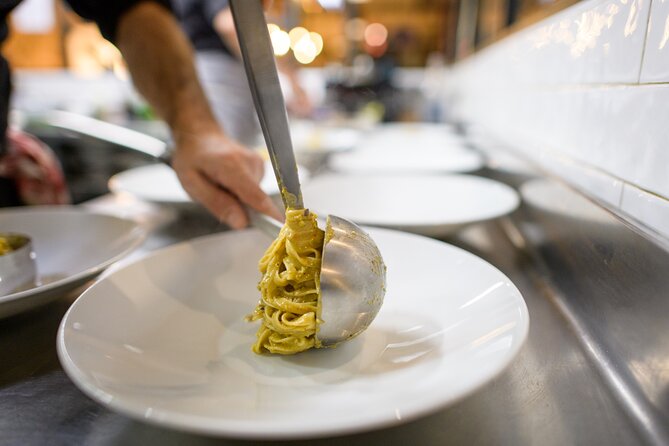
- Prosecco on arrival, then wine with your lunch or dinner
- Small group size (12 max), so you actually get time with the chef
- Fresh pasta basics taught clearly, including flour types and pasta fresca vs pasta secca
- Tiramisu made step by step, with the technique you can repeat at home
- Back-of-house look at how a real Italian restaurant runs during service
- You eat what you made, plus a shared meal with two pasta styles and dessert
Entering the Restaurant: Prosecco Welcome and a Back-of-House Peek
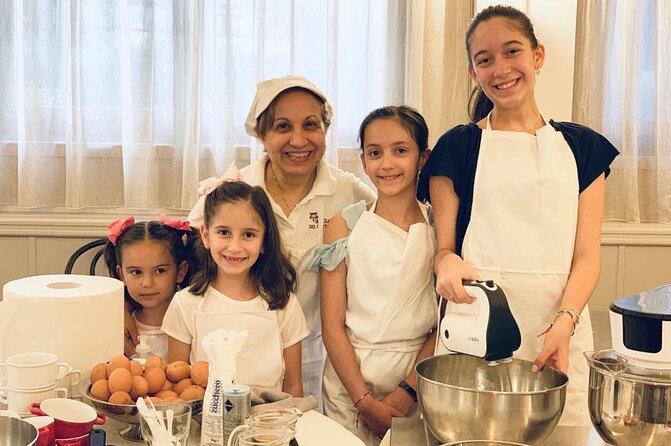
The experience starts in a central Milan restaurant, not some random studio room. When you arrive, you step inside, get a welcome glass of Prosecco, and then the staff brings you behind the scenes to see how an Italian kitchen moves during service. That matters more than it sounds. You’re not just learning a recipe; you’re learning the rhythm of how food gets made and served in a working restaurant.
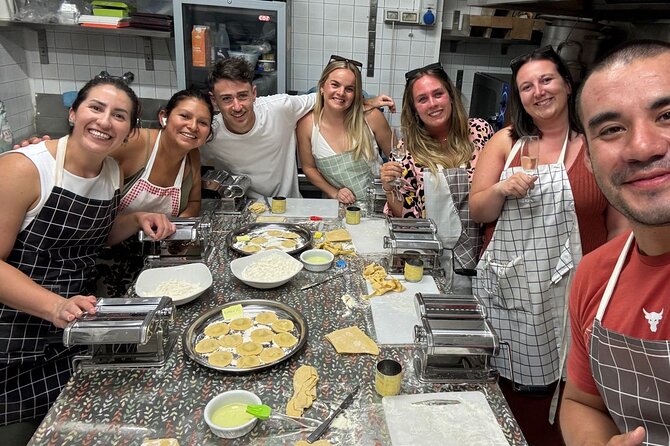
This is also where the tone becomes clear. The class is designed to feel social but structured—aprons on, stations set up, and the chef guiding you from the first stretch of dough to the final dessert layers. The vibe stays relaxed, even when it’s hands-on rolling and cutting, which is one reason people mention it works well for families and groups of friends.
You can also read our reviews of more cooking classes in Milan

Pasta Dough 101: Flour Choices and Fresca vs Secca
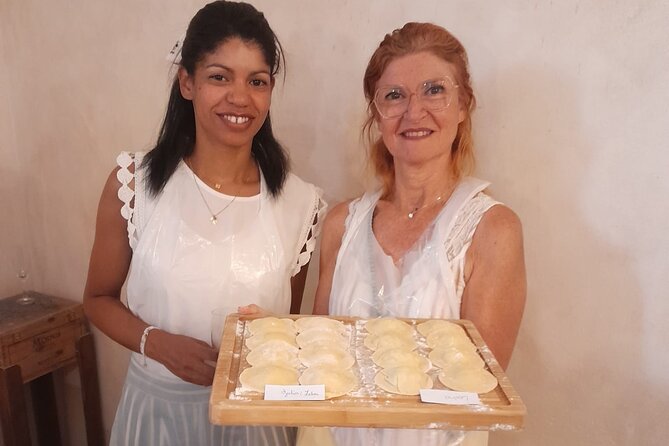
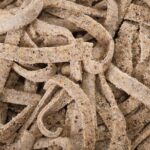
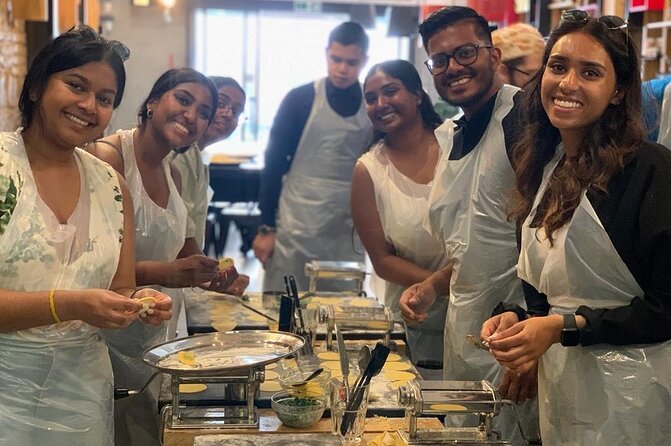
Now for the part you’ll actually remember next time you cook at home. You tie on your apron and head into the kitchen to make fresh pasta dough with step-by-step guidance. You’ll learn what type of flour to use, why it changes the texture, and how to get the dough to behave.
They also explain a key Italian distinction: pasta fresca vs pasta secca. Fresh pasta is made with a tender dough designed for quick cooking. Dried pasta (pasta secca) is engineered to last and cook differently. Knowing that difference helps you stop guessing when you’re recreating your meal later.
In the hands-on portion, you typically get to work with your own dough: forming, rolling, and shaping. Several instructors get praised in the same way—patient, clear, and willing to troubleshoot when your dough needs a quick adjustment.
Rolling, Shaping, and Getting Sauce Smarts
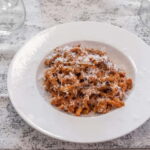
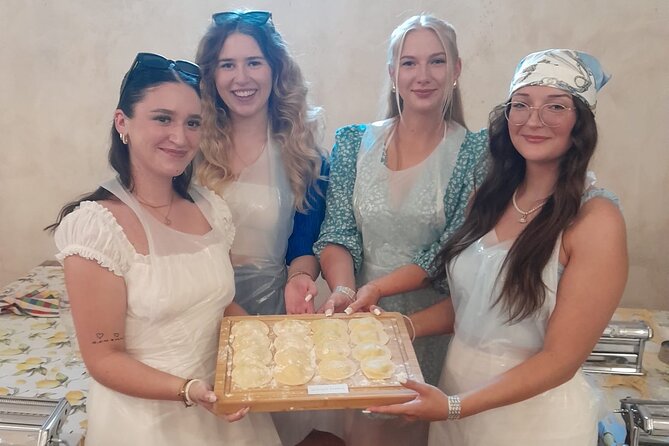
Once the dough is ready, the class focuses on shaping pasta skills and pairing ideas. The sample menu includes fettuccine with tomato sauce and ravioli with ricotta and spinach, finished with butter and sage—so you get a taste of both classic comfort and the Northern/center-of-Italy style logic that Italians use for simple flavor combos.
Here’s the practical truth: cooking classes in active restaurants often blend hands-on learning with kitchen finishing. Some people love that, because it means your technique matters while the restaurant keeps service smooth. One caution from a less positive note is that the final pasta you eat may not be presented strictly as your individual batch—sometimes the restaurant combines elements to serve the group efficiently. That doesn’t ruin the meal, but if you’re the type who wants total control from dough to plate, keep your expectations flexible.
Either way, you’ll walk away with “how to think about it” guidance—how dough should feel, how shapes affect sauce, and how to build a plate that tastes like Italy rather than just homemade pasta.
Tiramisu Workshop: The Dessert You’ll Want to Repeat
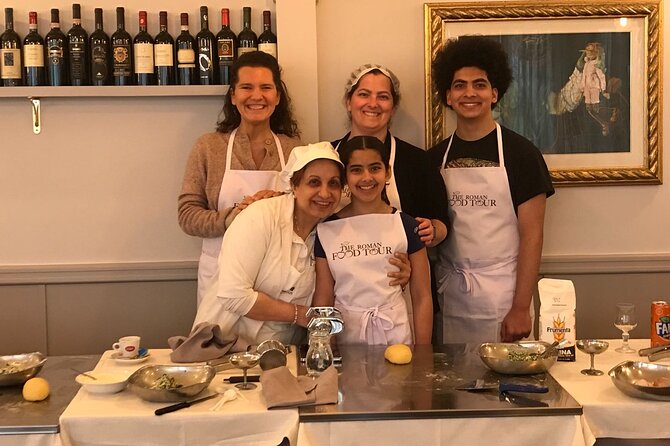
Then you switch gears to tiramisu, which is the other big reason this class gets booked. You’ll make it with step-by-step instruction, focusing on technique rather than vague tips. And that’s what you need, because tiramisu can go wrong in easy ways: cream too loose, layers too wet, or not enough structure to hold when served.
Even if you’ve had tiramisu before, learning the method is a different experience. The chef guides you through assembling it so it looks right and tastes right. You’ll also learn what to pay attention to—texture, timing, and layering—so you’re not just copying ingredients.
If you’re cooking for family later, tiramisu is a great “win” dessert because it scales well and feels special without being complicated once you know the steps.
Lunch or Dinner With Wine: What the Meal Is Like
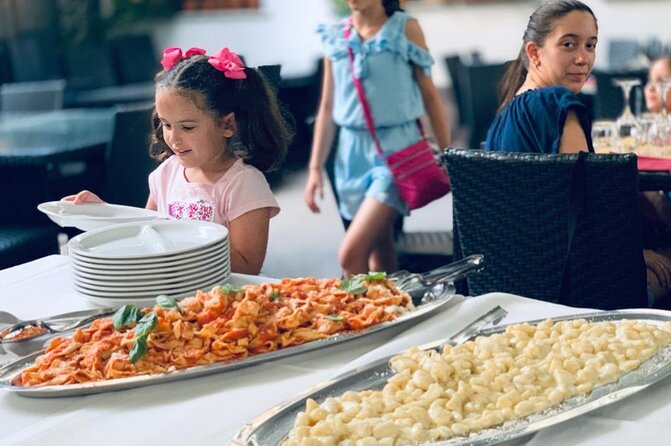
After the cooking, you all sit down together for lunch or dinner. This is when the class turns into more than a workshop—you get the reward meal. You’ll sip wine that pairs with what you’re eating, and the included drinks also list options like Prosecco (at arrival) plus red and white wine with the meal, along with non-alcoholic beverages.
The menu is simple and satisfying: you’ll sample both pasta dishes and the tiramisu. In other words, you don’t leave with just dessert knowledge—you leave with a full “what it should taste like” reference point.
One small planning note: since this is a real restaurant environment, timing can move a bit with the flow of service. Most reviews describe smooth pacing and plenty of interaction, but a minority mention slower service or long explanations. If you have strict timing pressure that day, this is one reason to buffer your schedule.
You can also read our reviews of more wine tours in Milan



Price and Value: Why $83.44 Makes Sense in Milan
At about $83.44 per person for roughly 3 hours, the value hinges on what’s included. You’re getting:
- hands-on pasta-making instruction
- step-by-step tiramisu teaching
- a Prosecco welcome drink
- wine with your meal
- lunch or dinner, plus pasta and dessert
In Milan, that combination matters. Cooking classes often charge extra for the meal portion alone, and here the drinks are part of the package. You’re not just paying for a recipe—you’re paying for the chef time, the kitchen setup, and the fact that you eat a full restaurant-style meal at the end.
Also, the small-group cap at 12 people helps justify the price. It keeps the class from turning into a lecture where you’re watching and hoping someone notices your dough problems.
Tips aren’t included, so you may want to set aside a bit for that if the service is excellent.
Who This Class Suits Best (Families, Couples, and Solo Diners)
This is one of those “works for many people” activities. It’s often described as a good fit for:
- families (including kids who can actively work at their station)
- couples looking for a shared, memorable activity
- solo visitors who want food-focused conversation without feeling awkward in a big group
If you’re traveling with children, this class gets praise for keeping it interactive rather than turning it into a long adult lecture. One parent even noted their child could handle key tasks. For adults, it’s great if you want a practical skill—fresh pasta dough and tiramisu technique—without needing to spend weeks learning everything first.
If you’re a serious foodie who wants restaurant-grade results, you’ll enjoy how the class links technique to outcome: flour choice affects dough feel, and proper layering affects tiramisu structure.
Practical Tips So You Get the Most From Your 3 Hours
You don’t need special gear, but you’ll enjoy the class more if you come ready.
- Wear comfortable clothes you don’t mind getting flour on. Pasta dough has a way of finding everything.
- Ask about dough texture while you’re making it, not after you’ve left the station.
- Take notes on the tiramisu timing (cream texture and layering order). That’s where mistakes happen at home.
- Eat the meal with intention. Even if you’re full, tasting the finished pasta and dessert is how you learn what “right” feels like.
- Plan a relaxed day around it. It’s about food, people time, and a few drinks—not a rushed checklist.
And a small bonus: instructors get praised by name in multiple ways—Francesco, Alba, Memmo, Mimo, Dimitri, Frederico, and others show up in feedback for teaching that feels patient and fun. Your chef may not be the exact person, but the teaching style is clearly consistent: step-by-step, hands-on, and ready to help.
Should You Book This Milan Pasta and Tiramisu Class?
If you want a high-interaction Milan food experience that ends with real wine, real pasta, and real tiramisu, I think it’s a strong booking. The small group cap at 12 is a big plus, and the focus on fresh pasta dough plus tiramisu technique gives you skills you can actually repeat.
Book it especially if you’re:
- traveling as a couple or small group and want a shared activity
- bringing kids and want them to actively do tasks
- hoping for practical pasta and dessert results, not just watching
Skip it or go in with flexible expectations if you’re the type who needs total control from dough to your exact individual serving, because restaurant logistics can affect how the final pasta portion is served. Most people still leave happy—and stuffed.
FAQ
How long is the Milan pasta and tiramisu cooking class?
It lasts about 3 hours.
What will I make during the class?
You’ll learn to make fresh pasta dough and prepare tiramisu. The sample menu includes fettuccine with tomato sauce and ravioli with ricotta and spinach.
Is this a small group class?
Yes. The class is capped at a maximum of 12 travelers.
Is the class offered in English?
Yes, it is offered in English.
Are drinks included?
You get a welcome glass of Prosecco, and wine is included with your lunch or dinner, along with soft drinks/non-alcoholic beverages.
Where does the class take place?
It’s in a convenient central Milan restaurant and is near public transportation.
What does the price include?
Lunch (or dinner) includes the pasta, tiramisu, and wine, plus soft drinks. Tips are not included.
Can I cancel for a full refund?
Yes. You can cancel up to 24 hours in advance for a full refund.