REVIEW · MILAN
Milan: Pasta and Tiramisu Cooking Class with Wine
Book on GetYourGuide →Operated by The Roman Food Tour · Bookable on GetYourGuide
Three hours, one apron, and pure Italian comfort. This Milan cooking class takes you inside a real local restaurant kitchen, with a Prosecco welcome and hands-on instruction that turns sightseeing fatigue into dinner you helped make. You’ll learn the methods that give Milanese dishes their texture and bite, right where Italians actually work.
I like this experience for fresh pasta from scratch—the kind of skill you can’t really learn from menus. And I also like the way the class treats dessert with the same seriousness, so tiramisu isn’t just assembled, it’s coached.
One thing to consider: classes can run with a group size around 15–20 people, so if you’re hoping for one-on-one troubleshooting every minute, you may need to wait your turn to ask.
In This Review
- Key highlights worth your attention
- A Milan Restaurant Kitchen, Not a Studio Classroom
- Prosecco Welcome and a Clear Path Through the Night
- Fresh Pasta From Scratch: Dough, Flour, and the Texture You Want
- Pasta Fresca vs Pasta Secca, Plus the Sauces That Make It Worth It
- Tiramisu First: The Dessert Lesson You’ll Actually Remember
- The Shared Lunch/Dinner and Wine Pairing Moment
- Price and Value: What $61 Buys You in Real Terms
- Dietary Limits and Allergy Reality Check (Read This Part)
- Who This Cooking Class Fits Best
- Should You Book This Milan Pasta and Tiramisu Class?
- FAQ
- What will I cook in this Milan class?
- How long is the cooking class?
- Is wine included?
- What language is the instruction in?
- Are vegetarian options available?
- Can you accommodate allergies or food restrictions?
- Is the class suitable for vegans, gluten intolerance, or lactose intolerance?
- Where is the meeting point?
- What are the cancellation and pay-later options?
Key highlights worth your attention
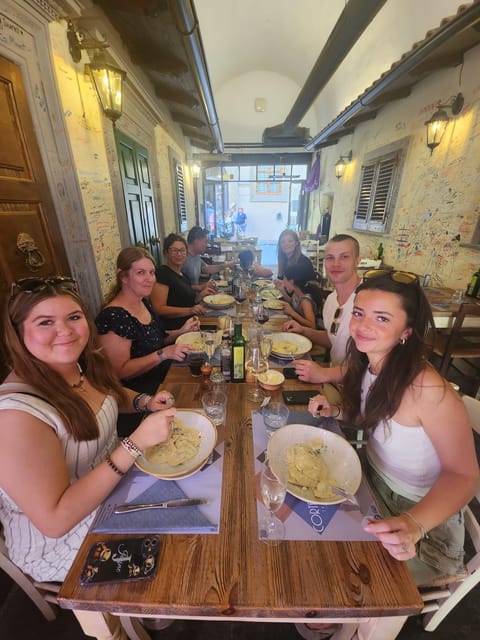
- Prosecco on arrival sets a relaxed tone before you touch the dough
- Fresh pasta, hands-on: you learn dough technique, not just watching
- Flour and texture lessons so your dough behaves the way it should
- Pasta fresca vs pasta secca explained in plain, practical terms
- Tiramisu technique taught step by step, then you eat what you make
- Wine with your meal when you all sit down together
A Milan Restaurant Kitchen, Not a Studio Classroom
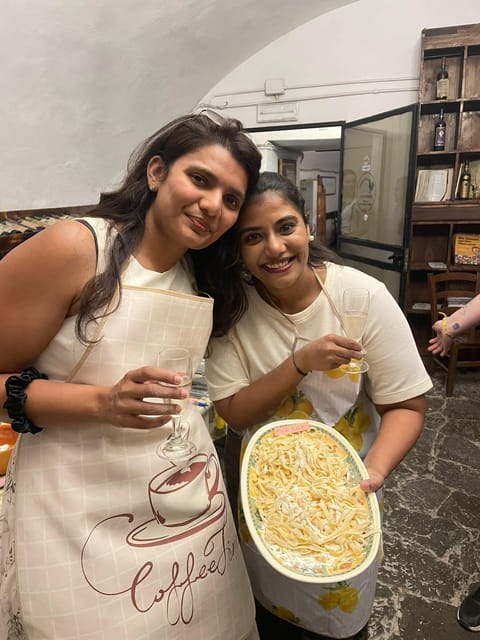
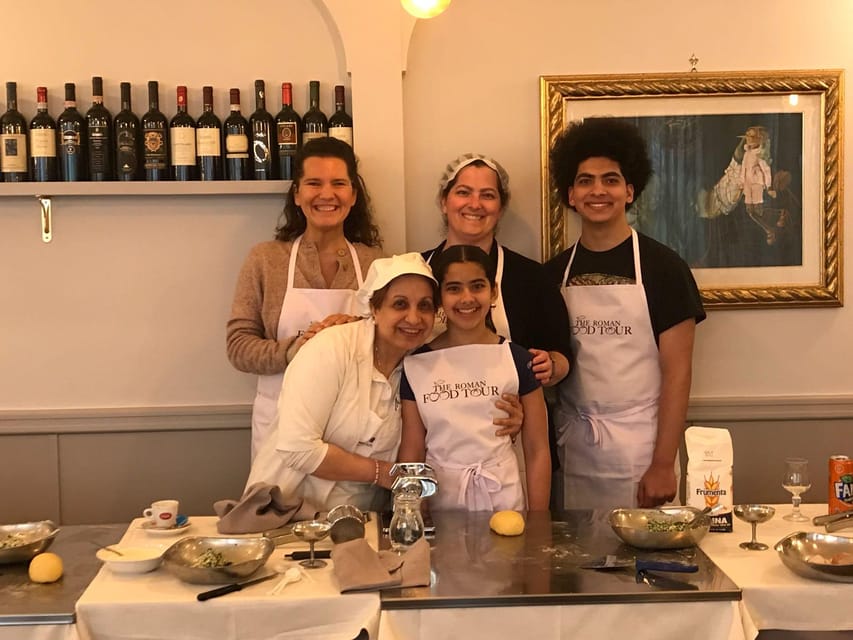
This isn’t a demo where you sit back and hope for the best. The experience starts with you stepping into a working Milanese restaurant environment, then moving behind the scenes to see how the place operates. That matters because cooking in a real kitchen teaches you pace and flow: how you set up, how you share counter space, and how timing affects food quality.
The class is built around two big wins: fresh pasta and tiramisu. If you’ve ever tried making pasta at home and ended up with something that tears instead of stretches, you’ll appreciate that you’re shown the logic behind the dough. And if tiramisu always feels a little mysterious, you’ll get a clearer path—what to do, what to watch for, and how to build it with confidence.
Language is English, so you won’t get lost in translation when it comes to technique. You’ll also receive step-by-step guidance from the chef, which is especially helpful if you’re not a confident cook.
You can also read our reviews of more cooking classes in Milan

Prosecco Welcome and a Clear Path Through the Night
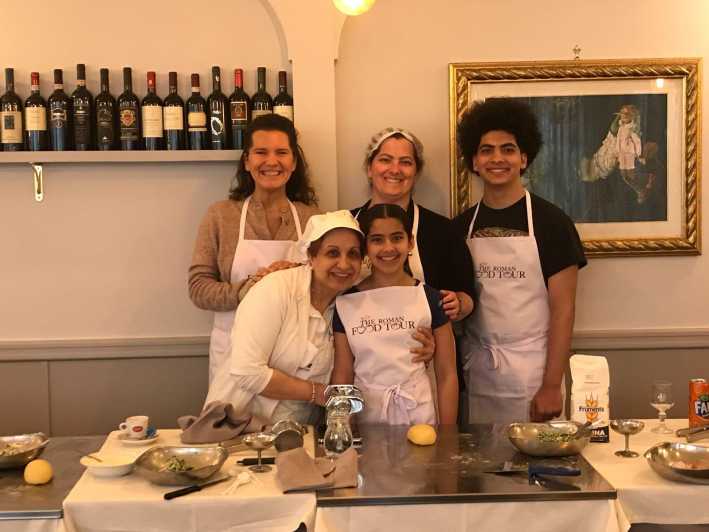
Before anything hits the workstation, you’re greeted with a welcome glass of Prosecco. It’s a nice reset in a city where you can spend days walking and not eating properly. It also signals the overall vibe: this is meant to feel social and enjoyable, not stressful.
Once you tie on your apron, the plan moves in an orderly sequence. You’ll see how the restaurant is run, then you’ll get to the station where you practice. The class focuses on getting the fundamentals right—how to prepare pasta dough, what flour choice affects, and what makes fresh pasta different from dried pasta.
The group format is part of the experience. Feedback from recent classes points to groups around 15–20 people, which is big enough to feel lively, but not small enough for everyone to get answers instantly. You can still learn a lot, but be ready to ask your question, then follow along while others do the same.
Fresh Pasta From Scratch: Dough, Flour, and the Texture You Want
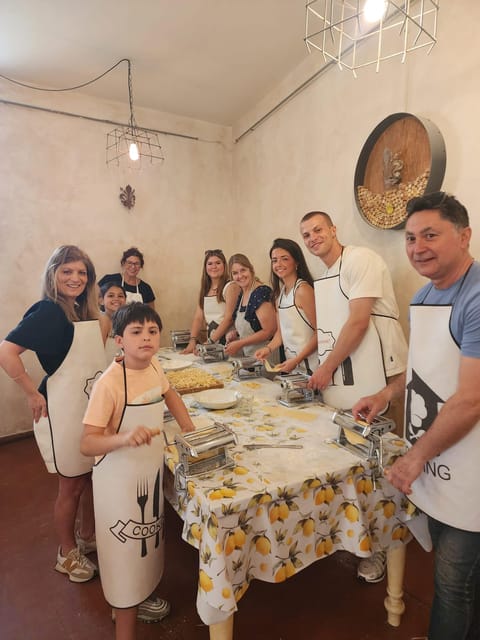
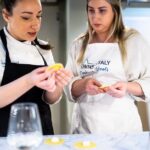
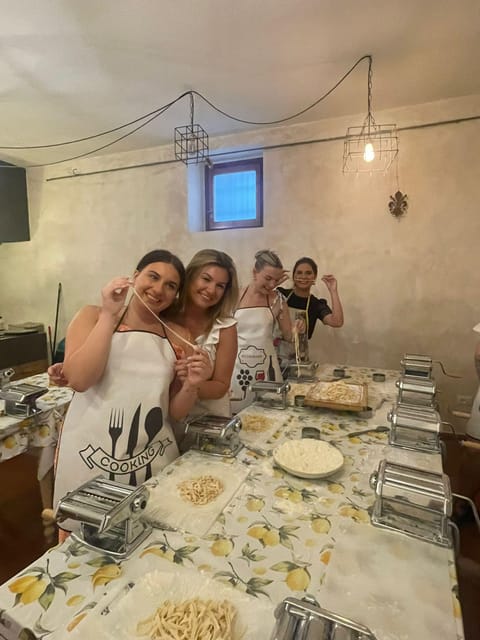
This is the portion that changes how you think about pasta. You don’t just roll and hope. You’re guided through preparing the dough, with attention to details like which type of flour to use and what dough should feel like as you work it.
The class also makes a point of connecting technique to outcome. Pasta dough isn’t only about ingredients; it’s about consistency and handling. When you understand what the flour is doing, you’ll be better equipped to replicate it later—whether you go full homemade next time or just appreciate what makes restaurant pasta taste the way it does.
One useful concept they cover is the difference between pasta fresca and pasta secca. That matters because they behave differently. Fresh pasta is built for a certain kind of softness and bite. Dried pasta holds up to different cooking times and sauces. Learning the distinction helps you stop thinking of pasta as one thing and start treating it like a tool.
And yes, you’ll get to make the pasta yourself—not just watch it happen.
Pasta Fresca vs Pasta Secca, Plus the Sauces That Make It Worth It
In class, you’ll work through the pasta part, then move into the rest of the meal process. A repeated highlight is that you don’t just end with a plate of plain pasta. You’ll learn dishes from the region, and you’ll end up eating what you made with sauces that are a major part of the flavor.
Recent experiences describe making two types of pasta and then eating after the staff handles the final steps—cooking and sauce—so you get the best possible result. That’s a smart setup for a 3-hour class. You’re still doing the hard learning work, but you’re not stuck waiting for the kitchen to catch up.
If you enjoy food that tastes simple but isn’t simple, this is where it clicks. Pasta shape, dough texture, and sauce choice all affect how the bite feels. When you see how these pieces interact, it becomes easier to order thoughtfully in Italy later instead of just going by the name on the menu.
Tiramisu First: The Dessert Lesson You’ll Actually Remember
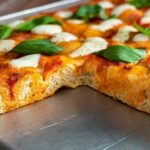
Tiramisu is one of those desserts people either love or avoid because it seems temperamental. Here, the class treats it like a process you can learn: you’ll make tiramisu with step-by-step instructions, not just “mix and hope.”
Many classes in this format start with dessert—so you’re not waiting halfway through the session for something sweet. One highlight from recent feedback: people made tiramisu first, then moved on to pasta, and finally sat down to enjoy everything together. That ordering is great. It keeps energy up, and it gives you a win early if you’re nervous about cooking.
The key value isn’t only that you eat tiramisu at the end. It’s that you learn how the components come together. When you understand the method, you stop treating tiramisu like a restaurant-only trick.
Important reality check: the class is built around the traditional approach. The guidance and recipe focus on gluten, dairy, and eggs. That affects who can comfortably join, especially if you have specific allergies or intolerances.
You can also read our reviews of more wine tours in Milan



The Shared Lunch/Dinner and Wine Pairing Moment
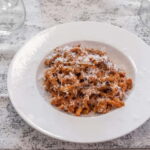
The ending is the best kind of closing: you sit down together to eat the dishes you prepared, while sipping wine. The meal format turns the work into something you can taste immediately, which is when learning sticks.
The wine pairing is included as part of the experience, and it’s presented as a match for the meal. Even if you don’t call yourself a wine person, it’s hard not to enjoy the flow: cooking, then eating, while the restaurant atmosphere is still in full swing.
Also, you’ll likely leave with a better understanding of portion and rhythm. This isn’t an endless buffet. It’s a real meal tied to what you made: fresh pasta plus tiramisu, with wine and a welcome Prosecco setting the stage.
Price and Value: What $61 Buys You in Real Terms
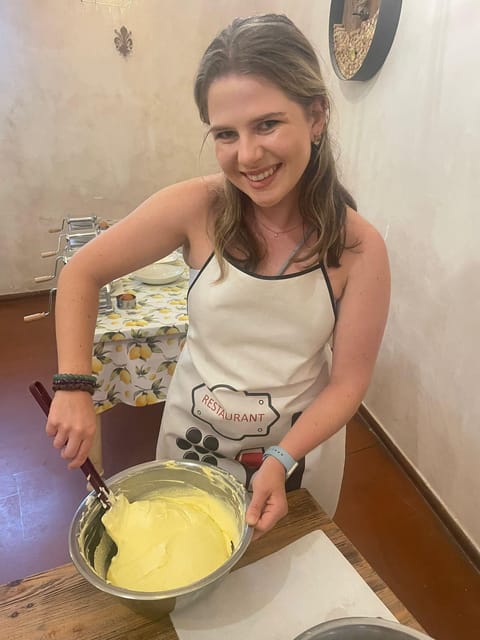
At $61 per person for 3 hours, you’re not just paying for “a cooking demo.” You’re paying for a chef-led lesson, ingredients for fresh pasta, and tiramisu production, plus wine and a Prosecco welcome.
Value is easiest to see in what you leave with:
- You gain a practical skill: fresh pasta dough technique and how it differs from dried forms
- You get to eat a full meal outcome: pasta and tiramisu, made during the session
- You get drinks included: wine with the meal and Prosecco at the start
If you like experiences where your hands do the work and you end up eating something you can’t get from a vending machine or a drive-through, this is a fair deal.
Dietary Limits and Allergy Reality Check (Read This Part)
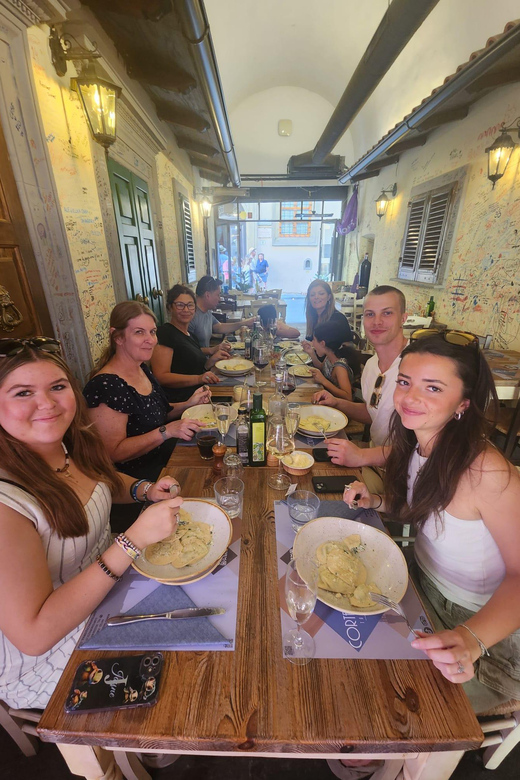
This class has a clear traditional base. The instructions are designed around a recipe that includes gluten, dairy, and eggs. They do mention substitutes for people with allergies or food preferences, but they also say they cannot guarantee 100% free cross contamination and that the instructions still focus on the traditional method.
There’s also an important line in the activity details: it’s not suitable for vegans, and it’s also listed as not suitable for people with gluten intolerance or people with lactose intolerance. Meanwhile, vegetarian options are available upon request.
So what should you do?
- If you’re vegetarian, ask ahead for the setup that fits you
- If you have a serious allergy or intolerance, contact the provider and be explicit about your needs
- If you’re vegan, gluten-free by requirement, or lactose intolerant, treat this as likely not a fit based on the listed suitability
If you want a risk-free booking, the safest move is asking directly before you pay—especially if your allergy is severe.
Who This Cooking Class Fits Best
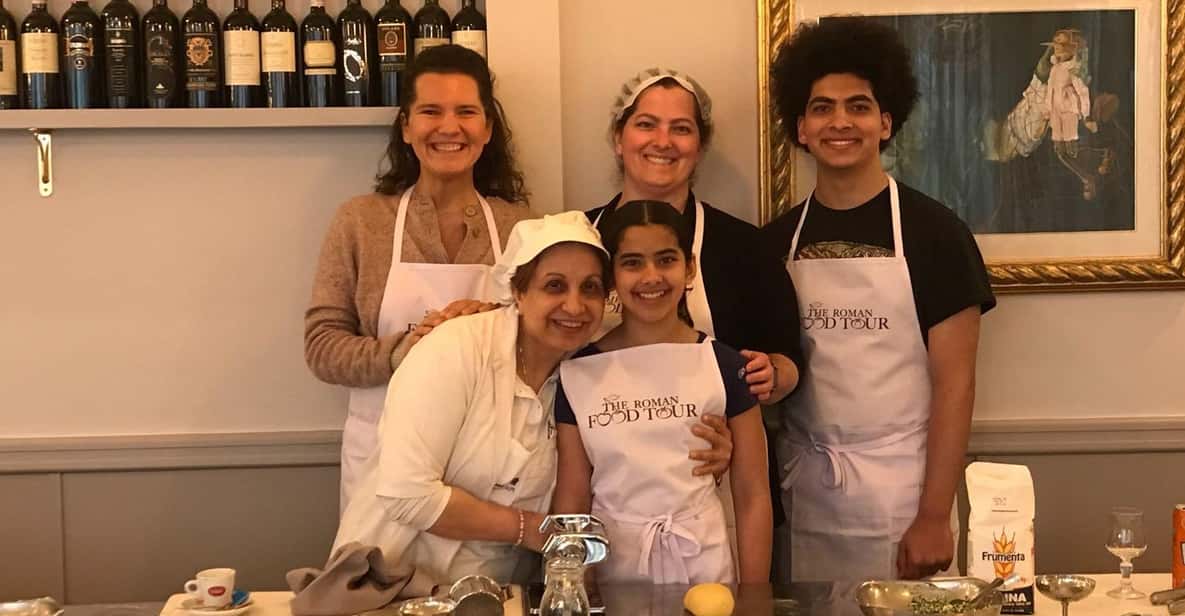
This is a strong match for adults who want something more hands-on than walking tours. You’ll probably enjoy it if you like:
- learning kitchen technique while in Italy
- social meals that still feel structured
- tasting what you made, right away
It also works well for couples and small groups because you get a shared activity with a clear ending meal. One reason the reviews sound so positive is that you’re not stuck watching alone. You have a workstation, you do real steps, and you get food at the end that tastes like it earned its place.
One note: it’s not designed for small kids. The activity is listed as not suitable for children under 3 years, and babies under 1 year aren’t suitable either.
Should You Book This Milan Pasta and Tiramisu Class?
If your trip needs one evening that’s both practical and genuinely tasty, I’d book it. This class gives you two anchor skills—fresh pasta dough technique and tiramisu method—plus a meal with wine. For a first visit to Milan (or for a return visit when you want something other than churches and galleries), this is one of those experiences that turns food into a memory you can repeat later.
Skip it if you need a fully vegan, gluten-free, or lactose-free meal. And if you’re the kind of person who needs constant personal attention, remember the session can be sized around 15–20 people, so your questions may have to wait a moment.
If you want an Italian night that feels real, inside a restaurant kitchen, while you learn and eat, this is a very solid bet.
FAQ
What will I cook in this Milan class?
You’ll learn how to make fresh pasta from scratch and how to prepare tiramisu. You’ll also be able to sample the dishes you make during the class.
How long is the cooking class?
The duration is 3 hours.
Is wine included?
Yes. You get a welcome glass of Prosecco on arrival, and there is fine wine included with your meal at the end.
What language is the instruction in?
The instructor teaches in English.
Are vegetarian options available?
Vegetarian options are available upon request.
Can you accommodate allergies or food restrictions?
You should inform the activity provider of any allergies or food restrictions. They offer substitutes, but instructions still focus on the traditional recipe (containing gluten, dairy, and eggs), and they cannot guarantee 100% cross contamination.
Is the class suitable for vegans, gluten intolerance, or lactose intolerance?
The activity is listed as not suitable for vegans, people with gluten intolerance, and people with lactose intolerance.
Where is the meeting point?
The meeting point may vary depending on the option you booked.
What are the cancellation and pay-later options?
You can cancel up to 24 hours in advance for a full refund, and there’s a reserve now & pay later option where you pay nothing today.