REVIEW · MILAN
Milan: Share Your Pasta Love in a Local’s Home
Book on GetYourGuide →Operated by Cesarine · Bookable on GetYourGuide
Fresh pasta tastes better when it starts at home. In Milan, this hands-on pasta-making class takes place with a certified home cook, in a real local apartment, not a commercial kitchen. You kick things off with an aperitivo and appetizer, then roll up your sleeves for fresh tagliatelle, fettuccine, or ravioli, and you sit down to eat what you made with wine.
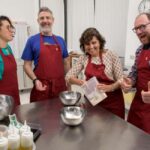
I love that the setting is personal and relaxed. A small group (limited to 10) means you actually talk with your hosts and other food lovers, and you get real-time help as you knead and shape dough.
One thing to consider: at this price point, you’ll want to go in with the right expectations for what 1.5 hours can cover. A couple of past participants felt the pasta-making time and the portion sizes were lighter than expected, and a rare comment flagged that English explanations may vary by instructor.
In This Review
- Key things that make this Milan pasta night work
- Why a Cesarine home pasta class beats a restaurant cooking demo
- The 1.5-hour flow: aperitivo first, then pasta, then the wine toast
- Welcome aperitivo and appetizer
- Hands-on pasta making (knead, shape, and make it real)
- Sit down to your homemade pasta meal with wine
- What you’ll learn: technique that works for tagliatelle, ravioli, and more
- Getting the dough right (the whole game)
- Rolling and shaping so it actually cooks well
- Pairing pasta with Northern Italian flavors
- The home-cooked meal part: why the setting is the real attraction
- Price and value: is $65 fair for 1.5 hours, wine, and a meal?
- Hosts you might meet: warmth, patience, and real personalities
- When English instruction matters (and how to handle it)
- Practical matters in Milan: getting to a home address and arriving on time
- Who should book this Milan pasta class
- Should you book this Milan pasta class?
- FAQ
- What is the duration of the Milan pasta-making experience?
- What’s included in the $65 per person price?
- How many people are in the group?
- Where is the meeting point?
- What languages are offered during the class?
- Is wine included, and how is it handled?
Key things that make this Milan pasta night work
- Small-group limit of 10, so you get attention while you work
- 1.5 hours total, with a full sequence from aperitivo to the meal
- Hands-on guidance from an Italian, English-speaking home cook
- Northern Italian focus, with dishes like tagliatelle, fettuccine, and ravioli
- Wine included (one bottle per three guests) plus coffee and water
- Real hospitality in a stylish home setting where you can actually chat
Why a Cesarine home pasta class beats a restaurant cooking demo
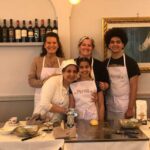
Milan does food the practical way: ingredients first, technique second, and plenty of hospitality always. This experience matches that energy because it happens in a local family home through Cesarine, with a certified home cook running the show.
The big win is that you’re not just watching someone cook. You’re learning how fresh pasta feels before it’s dinner. And when you sit down to eat, it doesn’t feel like a performance. It feels like being invited to someone’s table for a very Milanese evening.
You can also read our reviews of more cooking classes in Milan

The 1.5-hour flow: aperitivo first, then pasta, then the wine toast
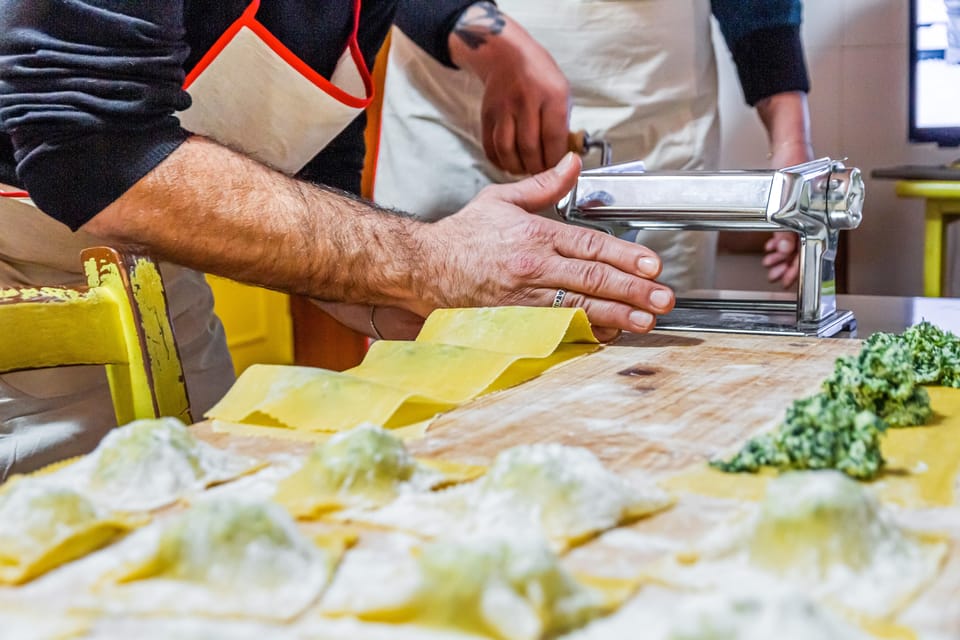
Here’s the rhythm you can expect, and it matters because it keeps the night moving without feeling rushed.
Welcome aperitivo and appetizer
You start with a warm welcome and a small appetizer paired with an aperitif. It’s not a vague snack plate; it’s a proper opening to the evening. This early drink-and-bite time helps you settle in, meet your host, and get comfortable asking questions before the flour starts flying.
Hands-on pasta making (knead, shape, and make it real)
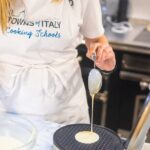
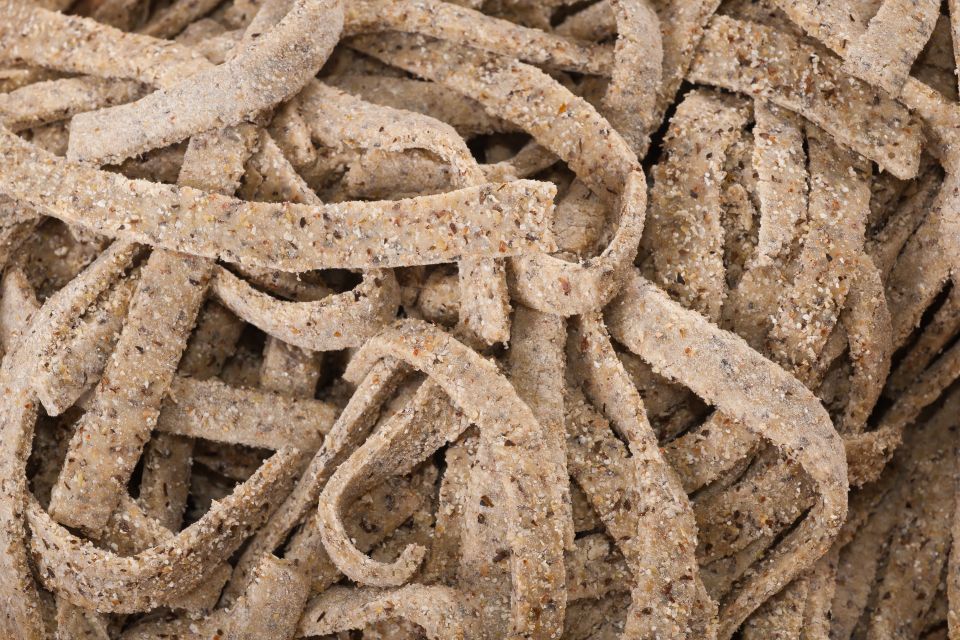
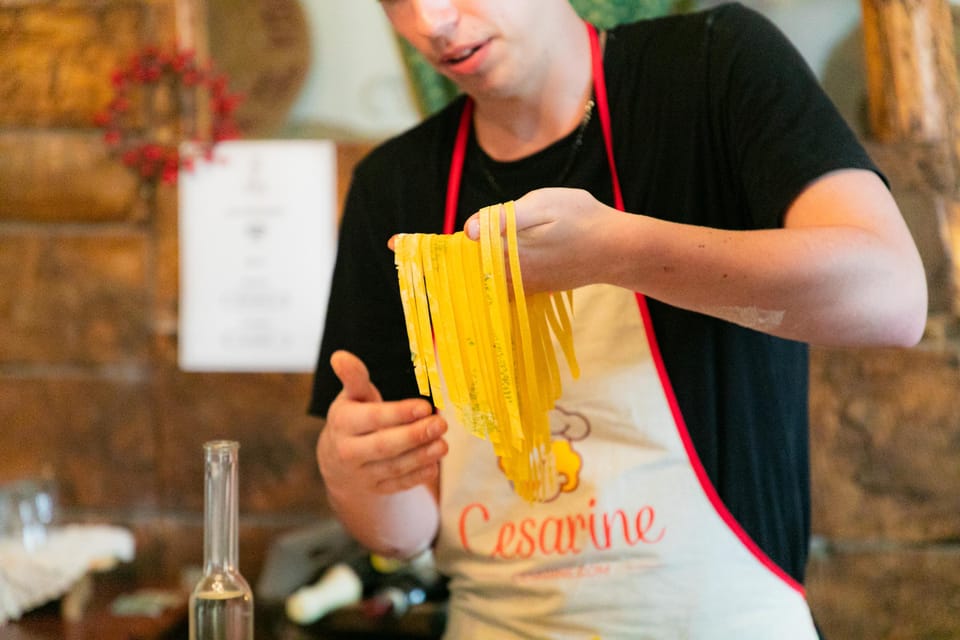
Then comes the main event: you mix, knead, and shape pasta dough under guidance. Depending on the evening, you might focus on classics like tagliatelle, fettuccine, or ravioli.
In some sessions, hosts lean into specific local textures and flavors. For example, you may make creamy Parmigiano-style tagliatelle, or a dough you can shape into gnocchi. Other nights may include pesto or a simpler sauce base built around tomatoes and garlic. The point is less about memorizing a single menu and more about learning dependable technique you can repeat later.
A good pasta class teaches you two things at once:
- how to handle the dough so it doesn’t stick or crack
- how to shape it so it cooks well and holds sauce
Sit down to your homemade pasta meal with wine
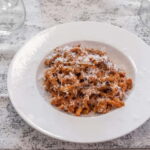
Once your pasta is ready, you eat it in the home. Wine is included, with the pace set by conversation. One bottle per three guests keeps it social without turning the class into a party.
Most nights also include coffee with your meal, and based on what people experience, you may finish with something sweet prepared by the host. Don’t count on a specific dessert every time, but it’s common in this kind of home setup.





What you’ll learn: technique that works for tagliatelle, ravioli, and more
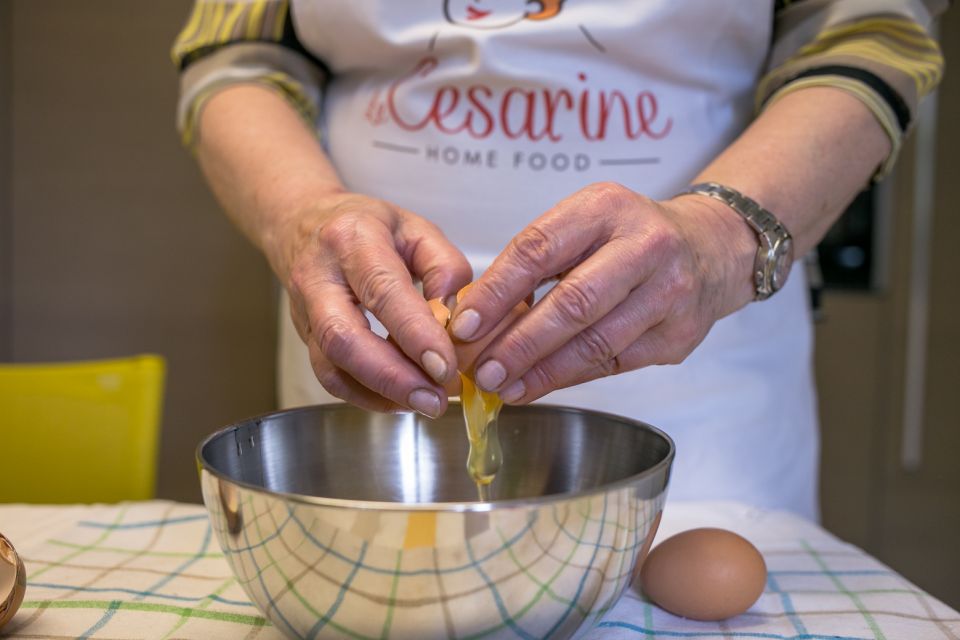
You do not need to be a pastry nerd. This is built for beginners and food lovers, with the instruction delivered in Italian and English.
That said, there are a few practical skills that make this class feel worth it:
Getting the dough right (the whole game)
Fresh pasta comes down to feel. You learn how to work the dough until it becomes smooth and elastic, not dry or gritty. Your host will guide you so you can adjust as you go.
If you’ve never kneaded dough before, don’t panic. This is exactly the kind of setting where a patient hand matters. Several past participants praised hosts for being both generous and calm while teaching.
Rolling and shaping so it actually cooks well
Rolling pasta thin enough without tearing it is one of the hardest parts to teach from a distance. In this class, you get the feedback in the moment, which is why you end up with something you can be proud of rather than a pile of dough.
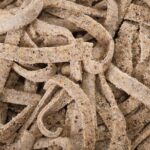
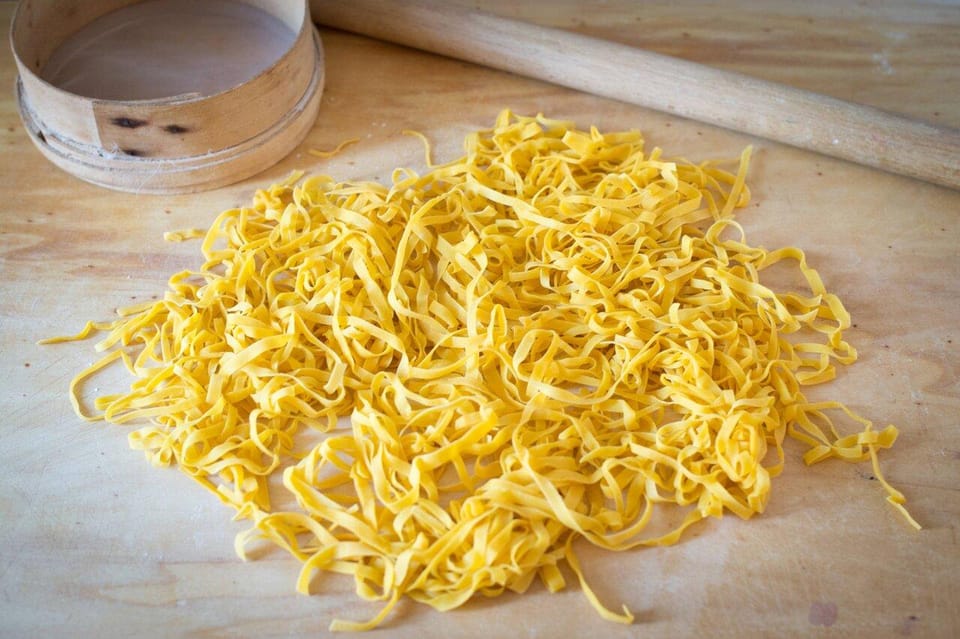
Shaping is also where you learn the difference between homemade and machine-made. Tagliatelle and ravioli look best when the edges and thickness are consistent. If you make gnocchi, you’ll see how a little technique changes the texture and how it holds onto sauce.
Pairing pasta with Northern Italian flavors
The class isn’t only about the dough. You’ll taste and eat what you make with sauce and flavors that fit Northern Italy.
Depending on the night, that could mean:
- Parmigiano-based cream flavors paired with tagliatelle
- pesto for a bright, herby finish
- a tomato and garlic sauce for comfort and simplicity
The value here is that you learn how pasta and sauce work together, not just what sauce someone picked for you.
The home-cooked meal part: why the setting is the real attraction
A cooking class is only half the experience. The other half is what happens when you finally sit down.
In a home, the table conversation changes everything. You’re more likely to ask about what your host cooks during the week, how they shop, or what makes a dish distinctly Milanese or Lombard. People often leave with not just a memory of pasta, but a sense of how local food fits into everyday life.
Small touches can also make the evening feel special: clean, stylish surroundings; a calm pace; and hosts who genuinely want you to succeed. Several people highlighted that the home felt welcoming and well kept, and that the hosts treated them like friends for the night.
Price and value: is $65 fair for 1.5 hours, wine, and a meal?
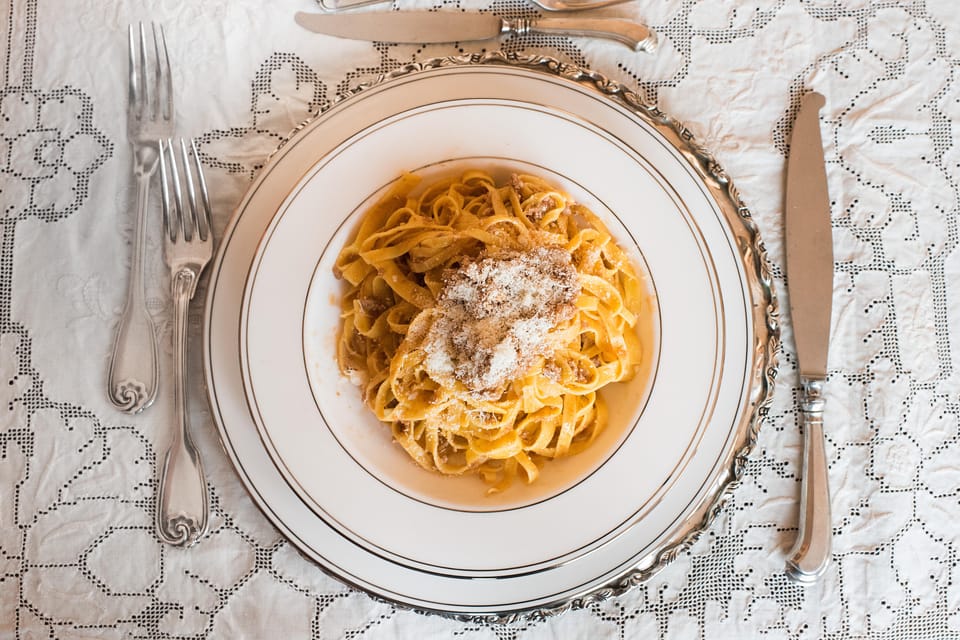
At $65 per person for 1.5 hours, the math only works if the experience gives you more than a quick craft lesson. Here’s what’s included based on the details you’ll see:
- welcome aperitivo and appetizer
- hands-on pasta making
- beverages like water, wines, and coffee
- homemade pasta meal with wine
- local taxes included
That’s a lot for 90 minutes, especially because wine is included and you’re eating what you cooked. In a lot of cooking formats, you pay extra for the meal or the drinks. Here, they’re part of the bundle.
Still, your value depends on your personal expectations. If you want a longer, heavier cooking session where you do lots of pasta steps with zero downtime, you might feel the time is tight. One concern that popped up for a small number of participants was that the pasta-making portion felt shorter and the plated serving smaller than hoped. So aim for this class if you want a fun, skill-focused night with food and wine, not a full-day cooking boot camp.
Hosts you might meet: warmth, patience, and real personalities
The best part of home-based classes is the person teaching. In this experience, different hosts can bring different styles, but the common theme is hospitality.
You might be welcomed by instructors like Valentina, Rosa, or Simona, depending on the date. Past participants called out patience and kindness, plus hosts who walked them through every step and kept the vibe friendly.
One consistent praise: hosts don’t just teach the dough. They make sure you understand enough to feel confident shaping pasta on your own later. That’s the difference between a class that feels like a transaction and one that feels like being cared for.
When English instruction matters (and how to handle it)
The class is offered with an Italian, English instructor. That’s great if you speak English and want guidance without stress.
But keep your expectations flexible. One participant felt the English explanations weren’t detailed enough for their liking. If you want very hands-on, step-by-step instruction in English, bring a mindset of asking questions as you go. Simple prompts help, like asking for a demo of how thick the dough should be or how to handle sticky spots.
Practical matters in Milan: getting to a home address and arriving on time
Because the class takes place in a private home, you’ll receive the full address after booking for privacy reasons. Plan on that detail so you don’t show up late hunting for a building.
You’ll also want to treat this like a dinner reservation: arrive a few minutes early, expect security checks or building entry rules, and then settle in. With only 1.5 hours, the timing is part of the structure. Once you start, you’ll have a natural flow from dough to meal.
Who should book this Milan pasta class
This experience is a strong fit if:
- you want a genuine Milanese food evening instead of another standard tour
- you enjoy learning by doing, even if you’re a beginner
- you like meeting people in a relaxed setting where conversation is part of dinner
- you want wine included with your meal, without extra planning
It’s also a good option for couples or small groups who want a shared activity with a clear payoff: you make pasta, then you eat it.
If you’re very specific about portion size or want a long, deep technical session, you might prefer a longer class format. But if you want technique plus hospitality plus dinner in one compact evening, this hits a sweet spot.
Should you book this Milan pasta class?
I think you should book it if you want an evening that feels like Milan—hands-on food, warm home hospitality, and a meal that’s built around your own work. The small group size (up to 10), the included aperitivo and wine, and the certified home cook format add up to real value for many people.
You might hold off if your top priority is a big volume of cooking time or a very detailed, English-only teaching approach. That’s the main trade-off with a 1.5-hour home experience.
If you can go in with the right goal—learn the basics of fresh pasta shaping, enjoy the meal, and soak up a local table—this is one of the more memorable ways to spend a night in Lombardy.
FAQ
What is the duration of the Milan pasta-making experience?
The experience lasts 1.5 hours.
What’s included in the $65 per person price?
It includes a welcome aperitivo and appetizer, a hands-on pasta making class, beverages such as water, wines, and coffee, and a homemade pasta meal with wine. Local taxes are also included.
How many people are in the group?
The group is small, limited to 10 participants.
Where is the meeting point?
Because it’s held in a local family home, you receive the full address after you book.
What languages are offered during the class?
The instructor uses Italian and English.
Is wine included, and how is it handled?
Yes. Wine is included, with one bottle per three guests.
If you want, tell me your travel dates and whether you’re aiming for tagliatelle, ravioli, or gnocchi. I can help you pick what to look for when you choose a time slot.