REVIEW · MILAN
The Secrets to Learn Fresh Pasta and Tiramisù in a Glam Home
Book on Viator →Bookable on Viator
Fresh pasta in a real palace kitchen. That mix of hands-on Italian cooking plus family recipes is what makes this class special. You’ll roll and shape dough, fill and seal ravioli, then finish with a traditional tiramisù you can actually copy at home. One thing to consider: it’s fully communal and hands-on, so if you’re very picky about hygiene or prefer not to share a kitchen workflow, this format may feel less comfortable.
I love that the place feels unmistakably Milanese: elegant rooms, antique furniture, and an old-palace setting right in central Milan. I also like that the lesson is in English, and the teaching team can rotate—some classes are taught by instructors like Laura, Marco, Luca, Katerina, Federico, Fred, Paolo, or Francesco.
The possible drawback is also practical: it’s inside a residential-style building. You’ll want to follow the meet instructions closely when you arrive, because the welcome happens at the entrance rather than at a big public storefront.
In This Review
- Key things that make this class worth your time
- Entering Milan’s palace home off the Blue Line
- How the 3-hour session really plays out
- Where the group size matters
- Tagliatelle: the pasta basics you can use again
- Ravioli plus a Michelin-style filling: technique with status
- Tiramisù the classic way, plus the pacing of a real dessert
- Limoncello and wine: small touches that make the meal feel Italian
- Who this class fits best (and who should think twice)
- Price and value: what $90.70 gets you in real terms
- What to do if you want the best experience
- Should you book this Milan pasta and tiramisù class?
- FAQ
- How long is the cooking class?
- What does the class include?
- Is the class taught in English?
- Where does the class take place?
- How many people are in each class?
- How do I get to the meeting point?
- What ticket type will I receive?
- Are service animals allowed?
- Can I cancel for a full refund?
- Will I know which teacher I get?
Key things that make this class worth your time
- A Michelin-trained workshop format focused on pasta and tiramisù technique, not just eating.
- Family recipes passed down through generations, with a teaching style that mirrors home cooking.
- Limoncello from fresh lemons in the garden, before and/or alongside the meal experience.
- Two mains and a dessert: tagliatelle, ravioli (with a star-chef style filling), and traditional tiramisù.
- Small group size (max 21), which keeps the lesson interactive and not like a lecture.
- Central location near the Blue Line (about 20 meters from Coni Zugna – Via Foppa), so you can fit it into a busy day.
Entering Milan’s palace home off the Blue Line
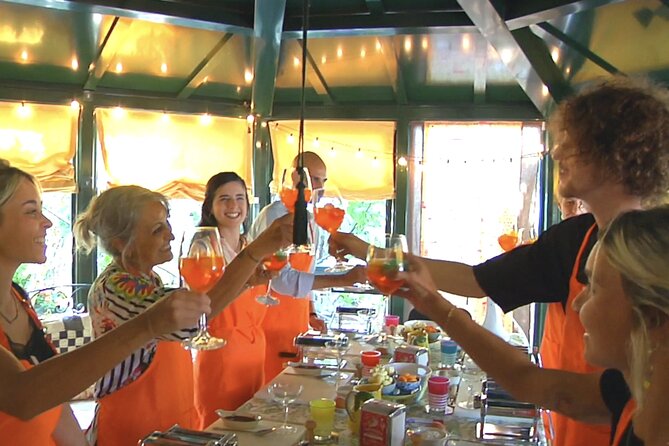
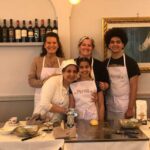
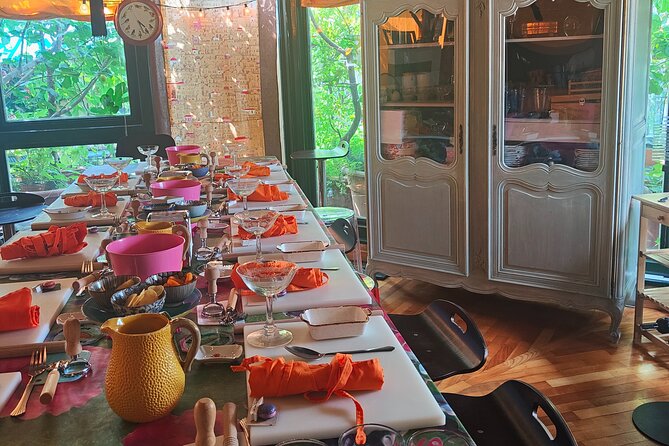
This isn’t a cooking school with a flashy entrance and a line of identical kitchens. The experience takes place in an elegant home inside an old palace, in one of central Milan’s prestigious areas. Think art on the walls, antique furnishings, and that lived-in sense that you’re stepping into someone’s real world—not a set built for tourists.
Location matters because it affects your mood. The start point is Via Giuseppe Dezza 47, Milan (with INTERCOME 47 noted for reference). And the big win is transit convenience: the subway Blue Line stop at Coni Zugna – Via Foppa is about 20 meters away. That makes it easy to pair with other Milan plans without planning your whole day around taxis or long walks.
One more practical note: it’s held in English (and other languages are available on request, depending on the teacher). If you’re traveling with a mixed language group, it’s a good sign that the organizers explicitly mention multiple language options.
You can also read our reviews of more cooking classes in Milan


How the 3-hour session really plays out
The class runs about 3 hours and ends back at the meeting point. You’ll get a proper sequence rather than scattered demos. The flow is built around making—then eating—what you make.
A typical rhythm goes like this:
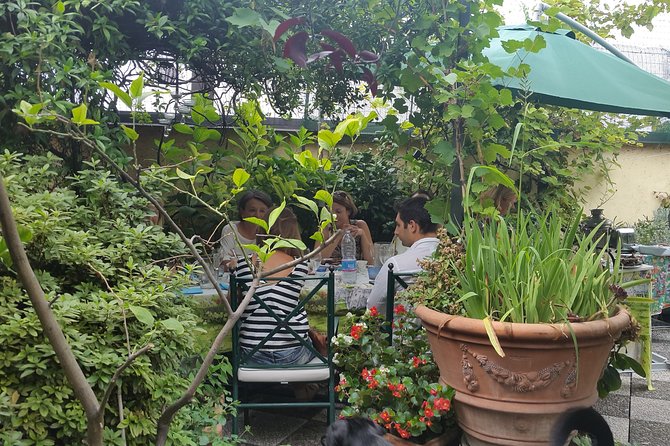
First, you arrive and settle in. You’ll start the experience in the kitchen setting of the home, with the lesson explained in English. Many classes also include sampling homemade limoncello made from fresh lemons in the garden, which instantly sets the tone for “Italian home cooking” rather than “cooking lesson theater.”
Then you move into pasta production. The core targets are:
- fresh tagliatelle with a traditional tomato sauce
- ravioli filled with a special filling that’s described as Michelin filling
- traditional tiramisù for dessert
At the end, there’s a shared meal built around what you made. In other words, you’re not just watching dough go through the motions. You finish the session by tasting the results together as a group.
Where the group size matters
Maximum group size is 21. That’s large enough for social energy, but small enough that instructions can stay practical. A big class can turn into “too many people, too little time.” Here, the structure is set up for everyone to make their own portions and learn the process steps.
Tagliatelle: the pasta basics you can use again
Tagliatelle sounds simple. It’s not. The real skill is in getting the dough right and shaping it with consistency.
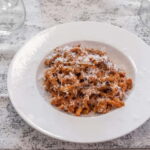
In your session, you’ll learn to make fresh tagliatelle using a traditional approach. You’ll also work with tomato sauce as a classic foundation, then finish with grated Parmigiano Reggiano. That last detail matters. Parmigiano isn’t just a finishing touch here—it’s part of the traditional balance of flavor and texture.
Here’s what you’re really learning with tagliatelle:
- how to handle pasta dough so it rolls out smoothly
- how to cut and shape so it stays tender and not chewy
- how to pair fresh pasta with a straightforward tomato preparation
A lot of cooking classes skip the texture work. This one is built around the “from scratch” feel, so you’re likely to leave with a clearer sense of how fresh pasta should behave, not just how it should taste.
Ravioli plus a Michelin-style filling: technique with status
Next comes ravioli. And this class gives it a step up. You’ll make ravioli with a special filling described as Michelin filling, then top with grated Parmigiano Reggiano.
Ravioli is where a beginner often gets stressed. The dough seems delicate. The filling feels like it should be perfect. And the sealing step is where things can fall apart—literally.
What makes this part valuable is the focus on technique. The experience is presented as a secrets-to-learn kind of class, passed down through family teaching. Even if you’ve made pasta before, ravioli often teaches you something new: how to portion filling, how to seal without overstuffing, and how to shape so you get uniform results.
Also, the class keeps things traditional. There’s no “molecular ravioli” gimmick. You’re making something that fits Italian home cooking standards, with a more advanced filling concept as the upgrade.






Tiramisù the classic way, plus the pacing of a real dessert
Tiramisù is the easiest dessert to mess up, and the hardest to do casually. Too wet, too firm, layers that slide, cream that splits. This class specifically teaches the secrets of the unique and classic tiramisù recipe.
What you’ll do is make traditional tiramisù, aiming for that creamy, layered result the recipe is famous for. The key value here is that you learn the process, not just the final look. If you want to make tiramisù at home, this is the kind of class where you can take away a repeatable approach—especially because the experience frames the recipe as something family-famous, not trend-of-the-month.
One more point: the dessert is part of the same session with the pasta and shared dinner. That matters for pacing. When dessert arrives after a real meal, you get to taste it as it’s meant to be served: at the end, not as a separate sugar event.
Limoncello and wine: small touches that make the meal feel Italian
A lot of classes claim “Italian vibe.” This one backs it up with specifics.
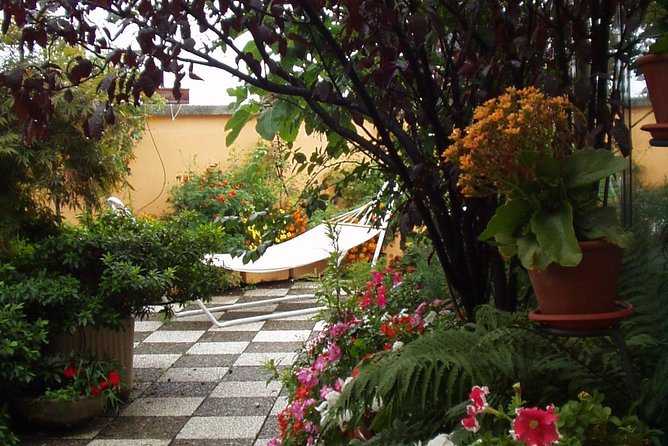
You’ll sample homemade limoncello prepared from fresh lemons in the garden. That’s not a random bottle brought for show. It connects the drink to place and season. Even if you don’t become a limoncello expert, you’ll understand why Italians treat lemon flavors as something more than decoration.
Wine is part of the dinner element as well. The experience structure is that you enjoy the meal together and then share the wine during the tasting moment at the end. That’s a useful detail for planning your energy level during the session. You’re working for most of the lesson, then relaxing at the meal and pairing stage.
If you’re sensitive to alcohol timing, just know you’re not expected to pace a sip while actively kneading dough for the entire class. The wine emphasis is tied to the shared tasting rhythm.
Who this class fits best (and who should think twice)
This is a great fit if you want:
- a practical pasta lesson where you actually shape dough
- classic Italian flavors without weird substitutions
- a social group setting where everyone cooks and eats together
- a hands-on activity that works well for different ages (the teaching approach is described as inclusive in multiple ways)
The one “think twice” moment is the hands-on communal cooking workflow. Because everyone contributes and the food is combined and served, you should expect shared handling. If you’re uncomfortable with that kind of kitchen process, that’s the main factor to consider before booking.
One more small consideration is instruction consistency. The experience notes that you’ll receive an email about the teacher’s name about 12 hours in advance, but if you specifically want Grandma Bruna as the teacher, it can’t be guaranteed that close to the class time. You can still request her, but treat it as a wish, not a promise.
Price and value: what $90.70 gets you in real terms
At $90.70 per person for about 3 hours, you’re paying for more than ingredients. You’re paying for:
- a structured, step-by-step teaching approach for fresh pasta and tiramisù
- access to family-style recipes passed down over generations
- hands-on cooking time, not just observation
- the “big day” meal component at the end, including wine and limoncello sampling
- a Michelin-trained workshop framing, plus a Michelin filling element for the ravioli
Is it cheap? No. But it’s also not a casual snack-and-stir session. You’re learning multiple components—two pastas plus a dessert—and eating the results. In Milan, that combination (private home atmosphere + guided technique + full meal) is usually where the value lands.
If you’re the kind of person who wants one memorable activity that you can repeat later, the class fits that goal. The skill you take home is the real currency here.
What to do if you want the best experience
You’ll get the most from this class if you show up ready to participate. The lesson is hands-on by design, and the value comes from working through the steps yourself.
A few things that help:
- Plan for a kitchen-style session: you’ll be kneading, shaping, and assembling.
- Go in expecting English instruction, and if you need another language, put the request in ahead of time.
- Embrace the group format. With a max of 21 people, it’s social without being chaotic.
Also, it helps to mentally switch from restaurant mode to workshop mode. This isn’t about ordering the perfect dish. It’s about understanding how Italian home cooking builds flavor and texture.
Finally, if the teacher names matter to you, watch for the email about the instructor identity about 12 hours in advance. The teaching lineup can include people like Laura, Marco, Luca, Katerina, Federico, Fred, Paolo, or Francesco, depending on the day.
Should you book this Milan pasta and tiramisù class?
I think you should book it if you want a classic Milan experience that’s practical, social, and rooted in tradition. The big strengths—hands-on pasta making, traditional tiramisù technique, and the palace-home setting—add up to a memorable evening that feels like more than a one-off activity.
Skip it only if the communal, hands-on kitchen workflow would make you uncomfortable. Otherwise, it’s a strong pick for anyone who wants to leave Milan with real skills, not just photos.
FAQ
How long is the cooking class?
The experience lasts about 3 hours.
What does the class include?
You’ll make fresh tagliatelle with traditional tomato sauce and Parmigiano Reggiano, ravioli with a Michelin filling and Parmigiano Reggiano, and traditional tiramisù. The experience also includes homemade limoncello made from fresh lemons in the garden, plus wine as part of the tasting meal.
Is the class taught in English?
Yes. The lesson is held in English, and other languages may be available upon request depending on the teacher.
Where does the class take place?
The meeting point is Via Giuseppe Dezza, 47, 20144 Milano MI, Italy (INTERCOME 47). It ends back at the meeting point.
How many people are in each class?
The experience has a maximum of 21 travelers.
How do I get to the meeting point?
It’s near public transportation, with the subway Blue Line stop at Coni Zugna – Via Foppa about 20 meters away.
What ticket type will I receive?
You’ll get a mobile ticket.
Are service animals allowed?
Yes, service animals are allowed.
Can I cancel for a full refund?
You can cancel up to 24 hours in advance for a full refund. If you cancel less than 24 hours before the start time, the amount you paid is not refunded.
Will I know which teacher I get?
The name of the teacher is emailed about 12 hours in advance. If you specifically want Grandma Bruna as the teacher, it cannot be assured within that 12-hour window.