REVIEW · MILAN
3 Italian sparkling wines and how to distinguish them: Prosecco, Franciacorta..
Book on Viator →Operated by Milano Wine Affair · Bookable on Viator
Three bubble styles, one Milan evening. This 2-hour tasting turns a simple pour into a mini lesson on how Italian sparkling wines are made, from dosage to perlage, plus what separates the methods behind the taste. I love that it’s hands-on with real bottles, and that Cornelia makes the whole thing feel friendly, not like a lecture. The only drawback: you’ll leave wanting to rethink every bottle you see after.
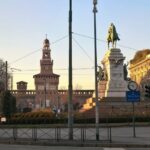
You’ll start at Piazza Fontana in central Milan and spend the afternoon learning to spot differences between styles that often get lumped together. I also like the bonus factor from the experience: an open, scenic feel that makes the bubbles taste even better while you’re learning. If you only want the easiest, no-brain wine tasting, this is still fun, but the focus on technique may feel like more than you expected.
Meeting a host like Cornelia is half the point. She’s passionate about how sparkling is made, and she walks you through what to notice as you taste, including how production choices affect both quality and price. It’s English, private for just your group, and it’s a solid option if you’re traveling solo and want something social without chaos.
In This Review
- Key highlights you’ll actually use later
- Piazza Fontana at 5:00 pm: setting up your Milan bubbles lesson
- Three wines, three methods: learning Prosecco, Franciacorta, and the bigger story
- How to distinguish them without getting nerdy
- Why this matters for your next meal
- The terms you’ll hear while tasting: dosage and perlage
- Dosage: a word that explains why bubbles can feel different
- Perlage: the texture of the bubbles
- Charmat method and classic method: the production lens
- Where technique meets price: what you’ll learn about quality signals
- “Why this one costs more” becomes answerable
- You’ll also learn to spot value, not just luxury
- The host factor: Cornelia’s teaching style and the vibe
- What you’ll do during the two hours (and why the pacing feels right)
- Who should book this Milan sparkling class (and who might not)
- Price and value: is $112.38 per person fair for two hours?
- Should you book this Milan bubbles lesson?
- FAQ
- Where does the tour start?
- What time does the tour begin?
- How long is the experience?
- Is the tour private?
- What language is it offered in?
- Do you taste three wines?
- Is there an age limit for drinking?
- What is the cancellation policy?
Key highlights you’ll actually use later
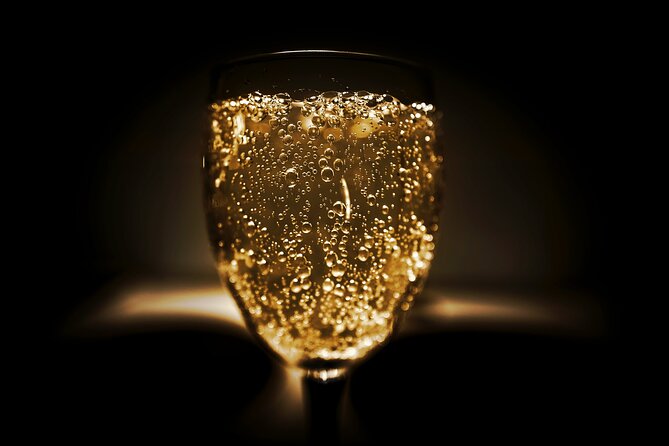
- Three Italian sparkling styles, three production methods explained in plain language
- Prosecco vs Franciacorta and beyond: learn what to look for, not just what to order
- Terms that matter while tasting, like dosage, perlage, and the Charmat/classic approach
- Quality and price signals: how technique shows up in the glass
- Cornelia as a guide: upbeat, practical, and happy to answer beginner questions
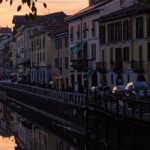
- Great Milan setting for the session, with views that add real atmosphere
Piazza Fontana at 5:00 pm: setting up your Milan bubbles lesson
This is the kind of tour that works because it fits your day. You meet at Piazza Fontana in Milan at 5:00 pm, then you get about two hours of guided tasting before you’re back where you started. That timing is smart: late afternoon light in the city makes everything feel less rushed, and you’re not forced into an early morning wine routine.
It’s also easy to jump into without complicated logistics. The experience is offered in English, it’s private (just your group), and it includes a mobile ticket. If you like to keep things simple while traveling, this kind of structure helps. You can also keep the vibe comfortable: service animals are allowed, and the group discount feature can make the price feel less stingy if you’re traveling with others.
One more practical detail that matters: Italy’s legal drinking age is 18. So if anyone in your group is under that age, they won’t be served alcohol. It’s a good thing to keep in mind so the experience matches your expectations.
You can also read our reviews of more wine tours in Milan
Three wines, three methods: learning Prosecco, Franciacorta, and the bigger story
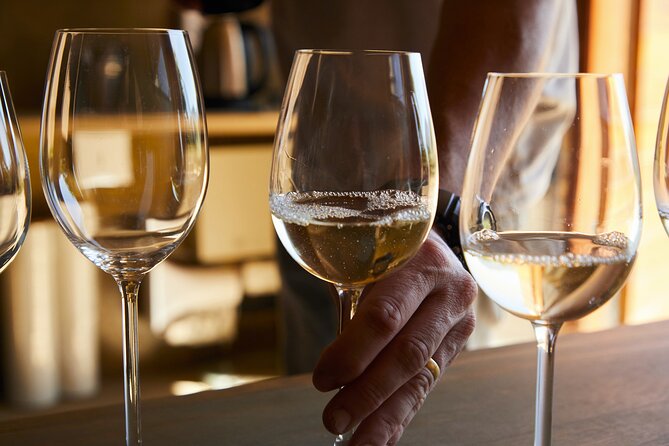
The core idea here is not just tasting three glasses. It’s learning how Italian sparkling wines can be made with different methods, so you start noticing differences for yourself.
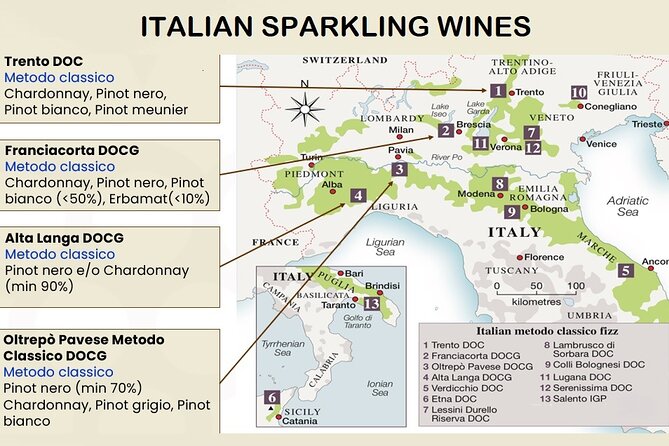
You’ll taste three excellent sparkling wines that represent three different approaches. The tour focuses on how those methods create different textures and styles, including the ancestral style, the Martinotti/Charmat method, and the traditional method, sometimes referred to as classic method.
What you take away is the ability to separate the styles in your head, instead of treating all bubbles as the same category. This is especially useful in Italy, where the labels you see in shops and restaurants can be confusing fast if you only know one keyword like Prosecco.
How to distinguish them without getting nerdy
Here’s the practical mindset the tour encourages: don’t guess based on the bottle name alone. Train your attention on the cues that production methods tend to influence. You start hearing terms tied to the process and then you taste with those terms in mind.
You also get the extra context that production choices come from regions and traditions, not just marketing. The tour mentions exploring not only the well-known territories but also lesser-known ones, which is exactly what makes your next shopping trip more interesting. Instead of defaulting to the loudest brand, you learn what to ask for.
And yes, Prosecco and Franciacorta show up in the learning. If you’ve ever wondered why those names feel interchangeable on a menu but taste clearly different, you’ll be glad the tour addresses that gap.
Why this matters for your next meal
If you eat out in Italy (or even order in a different country afterward), you’ll run into a problem: wine lists often shrink sparkling into a few lines, leaving you to choose fast. A tour like this gives you confidence to order with a plan. You’ll know what kind of sparkling profile you’re aiming for, based on method, not just the label.
The terms you’ll hear while tasting: dosage and perlage
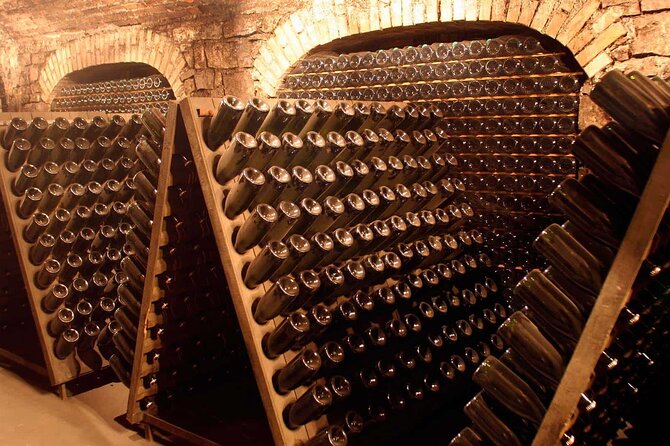
A big part of the value is language. You’re not just tasting—you’re learning how to describe what’s in the glass. The tour introduces key terms like dosage, perlage, and the Charmat method/classic method framework, and it connects those terms to what you notice.

Dosage: a word that explains why bubbles can feel different
Dosage is mentioned as one of the key terms in the experience. Even if you’re new to wine, the point is simple: it’s part of how the final wine is balanced. When you understand the term while tasting, you stop thinking only in terms of sweetness as a guess, and you start thinking about how the final touch affects how the wine feels.
Perlage: the texture of the bubbles
Perlage is also highlighted as a key term. If bubbles are only described as fizzy, you miss the detail that matters. Perlage is the way the bubbles present themselves—how they behave, how lively they seem, and how the wine feels over a sip.
This matters because a sparkling wine’s character isn’t only about taste. It’s also about sensation: the bite, the lift, the length of enjoyment. A tour that teaches you perlage while you taste helps you separate what’s genuinely different from what’s just marketing.
Charmat method and classic method: the production lens
You’ll also learn to recognize the idea of the Charmat method versus the traditional method/classic method. Even without turning it into a home chemistry experiment, this knowledge changes how you read wine descriptions. You learn why two bottles can both claim bubbles, but still land in different style lanes.
Where technique meets price: what you’ll learn about quality signals
The tour specifically mentions that production techniques affect both quality and price. That’s a claim you’ll appreciate because it’s practical, not theoretical. You taste the wines, then you connect what you notice to what the method choices can lead to.
You don’t have to become a critic. The point is decision-making. When you understand technique at a basic level, you become harder to upsell. You can look at price and ask a more useful question: what might be driving the cost beyond the label?
“Why this one costs more” becomes answerable
Instead of shrugging at a price difference, you get a toolkit. You learn that technique isn’t just tradition; it shapes the result in the glass. That means when you’re choosing between bottles later, you’ll feel like you’re making a reasoned pick, not paying blindly.
You’ll also learn to spot value, not just luxury
The experience is priced at $112.38 per person and lasts about two hours. That price is only worth it if you leave with more than a buzz. Here, the value comes from:
- structured tasting (not random pours)
- guided explanations tied to what you taste
- the ability to identify differences you would normally miss
If you like structured learning but hate dry classes, this hits a sweet spot.
The host factor: Cornelia’s teaching style and the vibe
The reviews you’ll find for this tour emphasize one consistent theme: the host makes it work. Cornelia comes up again and again as a guide who is passionate about teaching and also down to earth.
What I think matters for you as a reader is this: you don’t need to start with wine knowledge. The experience is built to help beginners ask questions. If you’re nervous about sounding clueless, you can relax. You’re guided through terminology and tasting cues in a way that feels approachable.
Cornelia also does something that makes wine education enjoyable: she ties the process to your senses. Instead of asking you to memorize a list, she helps you understand how what you taste connects back to how sparkling is made.
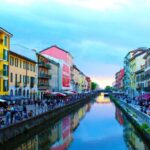
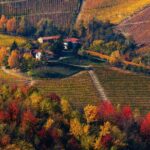
And the setting helps. The experience description mentions a view, and the feedback highlights that the location and views were amazing. That atmosphere makes a two-hour class feel like a real event, not just a stop-and-sip.
What you’ll do during the two hours (and why the pacing feels right)
Even without a complicated itinerary, the flow matters. This is a guided session centered on tasting and discussion, and it’s paced for learning rather than speed.
A typical rhythm looks like this:
- You meet at Piazza Fontana and get oriented.
- You taste three wines that represent three different methods.
- You learn key terms while you taste, so the words stick.
- You compare and practice distinguishing styles.
- You finish back at the meeting point.
That pacing matters because it reduces the main problem with wine tastings: you taste too many similar things and remember nothing. Here, the methods are the organizing principle. Your brain gets a framework, so the tasting has structure.
The fact that it’s a private experience also improves the dynamic. You can ask beginner questions without feeling like you’re holding up a large crowd, and your group stays focused on the teaching.
Who should book this Milan sparkling class (and who might not)
This experience is a great fit if:
- you love sparkling wine and want to order smarter afterward
- you’re tired of generic wine tastings that don’t teach you how to tell styles apart
- you’re traveling solo and want a structured, friendly group setup that still feels personal
- you want something more active than a standard museum-and-meal day
It may be less ideal if:
- you prefer purely casual drinking with no technique talk
- you’re expecting a food pairing heavy setup (nothing in the provided details suggests that focus)
- you only care about one brand and don’t want a broader comparison
Still, even if you think you already know Prosecco, the chance to learn differences in method can be genuinely eye-opening.
Price and value: is $112.38 per person fair for two hours?
Let’s talk straight about value. $112.38 for about two hours sounds like a splurge until you ask what you actually get. In this case, you’re paying for:
- three guided tastings of excellent sparkling wines
- instruction that helps you distinguish methods (not just drink them)
- a host-led experience in English
- a private setup for your group
If you usually pay around that level for a tastings-only event, the added value is the learning piece: you leave with a mental system for recognizing different styles like Prosecco, Franciacorta, and more.
And because the session is short, you don’t lose half a day to scheduling. For a traveler optimizing time in Milan, that matters.
Should you book this Milan bubbles lesson?
If you want more than a quick toast, I’d book this. The best reason is the teaching approach: it focuses on how sparkling is made and what that means in the glass. With Cornelia leading and a clear emphasis on how to distinguish styles (including Prosecco and Franciacorta), you’ll get a practical skill you can use right away.
Choose it if you’re the type who likes learning while traveling and wants to come home with better tasting instincts. If you’d rather just drink and chat with zero technique talk, you might find it more structured than you expect—but even then, the experience is still built around enjoying the bubbles.
FAQ
Where does the tour start?
The experience starts at Piazza Fontana, 20122 Milano MI, Italy.
What time does the tour begin?
It starts at 5:00 pm.
How long is the experience?
It lasts about 2 hours.
Is the tour private?
Yes. It is a private tour/activity, and only your group participates.
What language is it offered in?
It’s offered in English.
Do you taste three wines?
Yes. The experience is a tasting of three excellent Italian sparkling wines made using different methods.
Is there an age limit for drinking?
In Italy, the legal drinking age is 18. Customers under 18 will not be served alcoholic beverages.
What is the cancellation policy?
Free cancellation is available. You can cancel up to 24 hours in advance for a full refund.