REVIEW · MILAN
Milan: Guided Bike Tour
Book on GetYourGuide →Operated by Segway Bike Walk Tour CITY GUIDED TOUR · Bookable on GetYourGuide
Milan clicks into place faster on two wheels. This small-group bike tour takes you past major sights with a guide who helps you connect the art, architecture, and street-level details as you roll from stop to stop. I like the relaxed pace and the way you get time at the best photo viewpoints, not just a rushed glance from the saddle. One thing to consider: you’ll need to ride comfortably for the full 3 hours, and the tour does not include hotel pickup.
You’ll also want to travel light. The tour doesn’t allow luggage or large bags, so plan for a compact day bag and comfortable shoes.
In This Review
- Key things to know before you ride
- Price and timing: a short ride with big coverage
- Meet at Cargo bike store and ride like a local
- Sforza Castle: outside views, then inner courtyards
- Peace Arch, Darsena, canals, and Santa Maria delle Grazie views
- Rolling through modern Milan, then back to the old stones
- San Lorenzo, Roman columns, Basilica di Sant’Ambrogio, and Via Brisa ruins
- Piazza Affari and L.O.V.E: where contemporary art meets big-city energy
- Mercanti Square, La Scala Square, Galleria Vittorio Emanuele, and Duomo Square
- Pacing and bike-path comfort (the part that makes or breaks a bike tour)
- Who should book this Milan guided bike tour
- Should you book this tour?
- FAQ
- How long is the Milan guided bike tour?
- Where do I meet the guide?
- Is hotel pickup or drop-off included?
- What’s included in the price?
- What languages are the guided tours offered in?
- What should I bring and wear?
- Who can’t join, based on the tour rules?
Key things to know before you ride
- Up to 8 riders keeps it easy to ask questions and hear your guide over the street noise.
- Sforza Castle courtyards include an in-depth look right in the flow of the ride.
- Darsena and the canals photo stop gives you a break from monuments and a nicer view of water and city angles.
- San Lorenzo, Roman columns, and Via Brisa ruins add an ancient layer without turning the day into a museum marathon.
- L.O.V.E by Maurizio Cattelan is a quick, memorable contemporary-art moment with a dedicated camera stop.
- Helmet and bicycle included, so you’re not hunting for rentals or scrambling on the first day.
Price and timing: a short ride with big coverage
At $55.80 per person for about 3 hours, this tour is priced like a serious city orientation. You’re paying for three things: a live guide, the bicycle, and the time-saving route that strings together Milan’s highlights in one go. Since hotel pickup isn’t included, you’re also deciding to be self-sufficient and meet the group at the start.
The upside is that 3 hours feels realistic, especially in a city where you can burn half a day just figuring out transport and where to start. You’ll cover major stops without turning your trip into a sprint between tickets and long lines.
If you’re the type who likes to see several landmarks in one afternoon, this tour fits. If you want a very slow, deep walking tour with lots of inside time at every stop, you might feel slightly time-constrained.
You can also read our reviews of more cycling tours in Milan
Meet at Cargo bike store and ride like a local
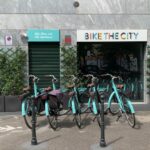
You’ll meet at the Cargo bike store, then bike as a group and end back at the same starting point. That simple start-to-finish loop is helpful on a first or second day, when you’re still learning Milan’s flow and street patterns.
One reason this tour works well is that it’s run in a small group limited to 8 participants. That size matters. You get fewer traffic-jams inside the group, more chances for the guide to answer your questions, and stops that feel like a conversation rather than a timer countdown.
Helmets and a bicycle are included, which removes a common headache. You just show up with comfortable shoes and wear suitable clothing for riding.
Also note who this is best for: it’s not a fit for pregnant women, and there’s a weight limit of 254 lbs / 115 kg. Luggage or large bags aren’t allowed, so if you’re traveling with more than a small day pack, plan ahead.
Sforza Castle: outside views, then inner courtyards
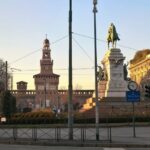
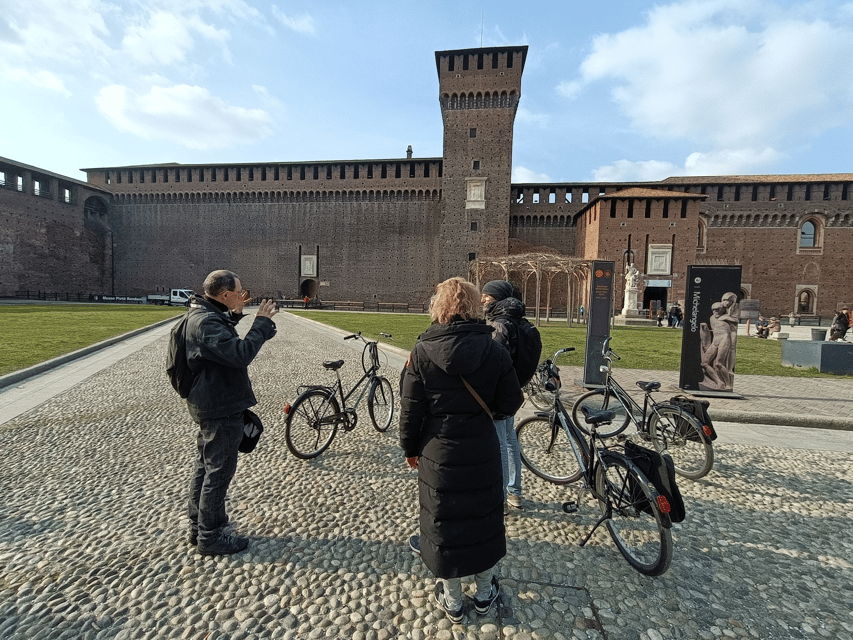
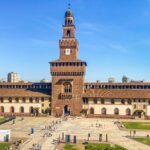
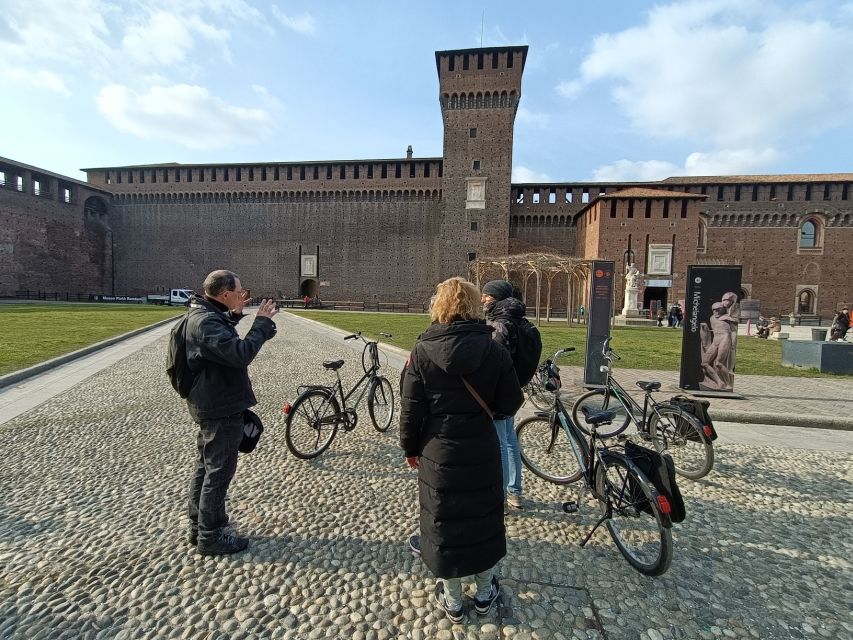
Your first big “wow” moment is Sforza Castle. You’ll cycle to the outside of the monument first, which is the smart way to get your bearings. You’re not committing to interior time before you understand the scale and how the castle sits in the urban layout.
Then you visit the inner courtyards and get an explanation of the castle’s art and history. This is one of the best parts of the tour because it turns the castle from a postcard into something you can visualize. With a guide pointing out what you’re looking at, you’re more likely to leave with a mental map instead of a blur of stone.
A practical note: castles can mean uneven surfaces and changing light. Since you’re on a bike tour, the time inside is handled efficiently, but you should still be comfortable walking a bit once you’re off the saddle.
Peace Arch, Darsena, canals, and Santa Maria delle Grazie views
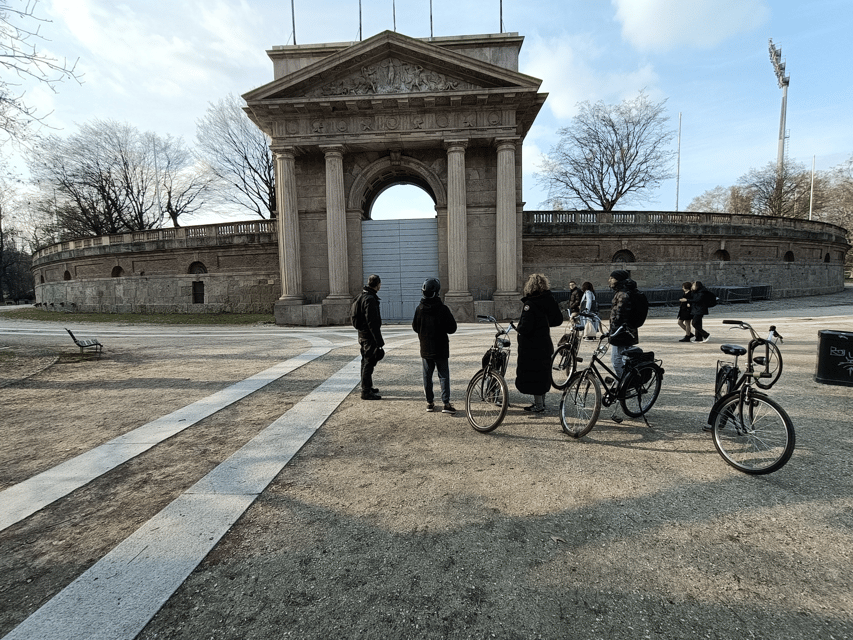
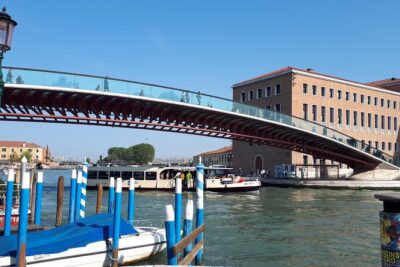
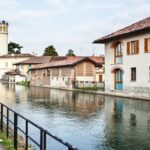
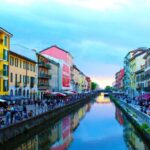
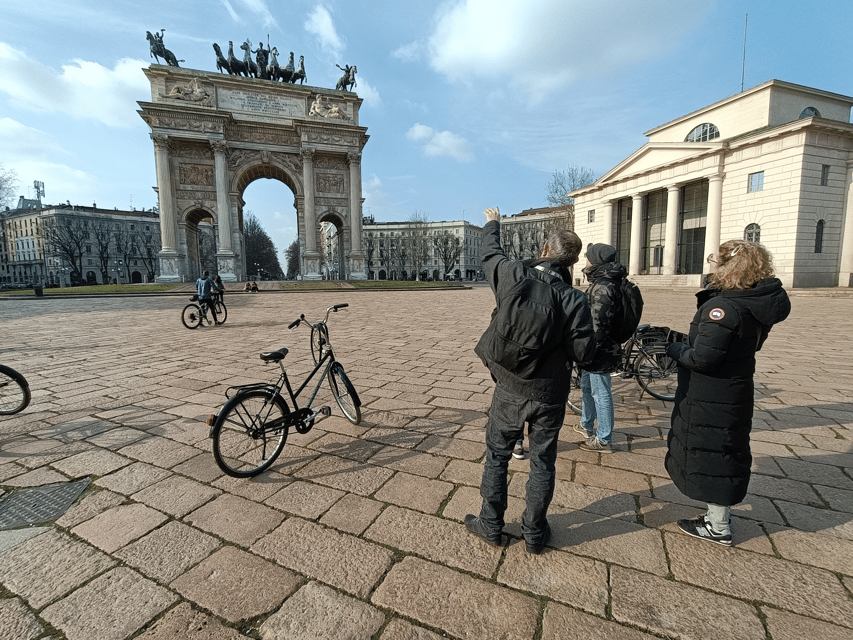
After Sforza Castle, the route shifts toward water and viewpoints. You’ll see the Peace Arch, the area around Darsena, and the canals, with a few chances to stop for photos from the best angles.
This is a nice change of pace because the city’s skyline and streets can feel all monuments, all the time. The canal area gives you softer sight lines and a more “Milan at street level” feeling. It’s also where your camera really earns its keep.
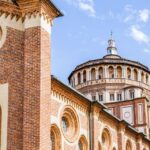
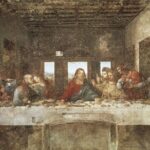
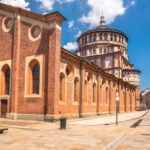
You’ll also view Santa Maria delle Grazie as part of this section of the ride. Even if you’re not doing an extended interior visit, seeing it from the right vantage points helps anchor the tour in Milan’s artistic identity.
Some riders get a lot from the canal stop because it’s not just pretty scenery. It helps you understand how the city’s layout influences what you see when you bike—where the open spaces are, how the routes bend, and why certain buildings frame the skyline.
Rolling through modern Milan, then back to the old stones
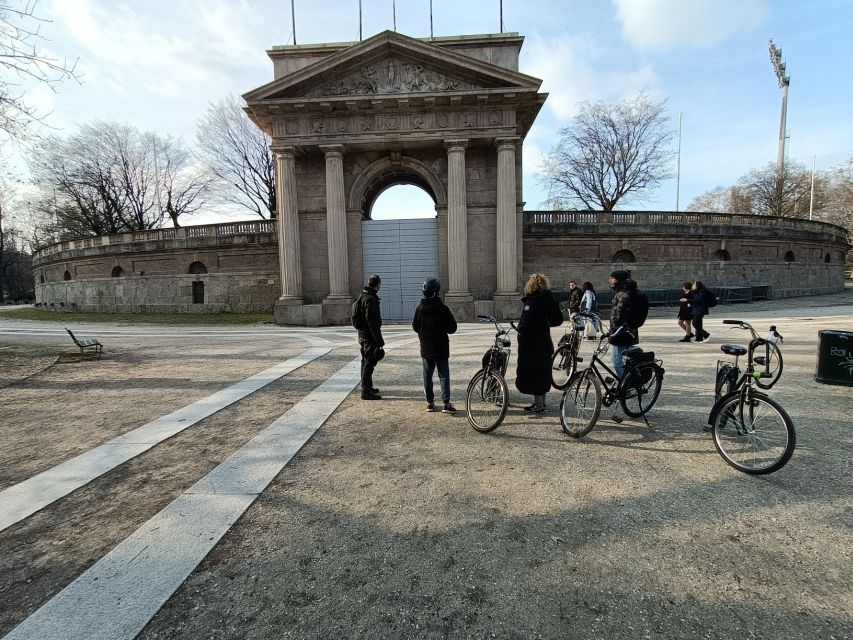
Milan has a habit of mixing eras without announcing it. This ride reflects that. You’ll cycle through the skyscrapers district, then head into older quarters where ancient details show up in surprising places.
That contrast is one of the tour’s strengths: you don’t spend your whole day chasing one style. Instead, you get a quick lesson in how Milan edits its past while building its future.
And because you’re moving on a bike, the transitions happen faster than they would on foot. You still get the visual drama, but you don’t lose your entire morning to transit between far-flung areas.
You can also read our reviews of more guided tours in Milan
San Lorenzo, Roman columns, Basilica di Sant’Ambrogio, and Via Brisa ruins
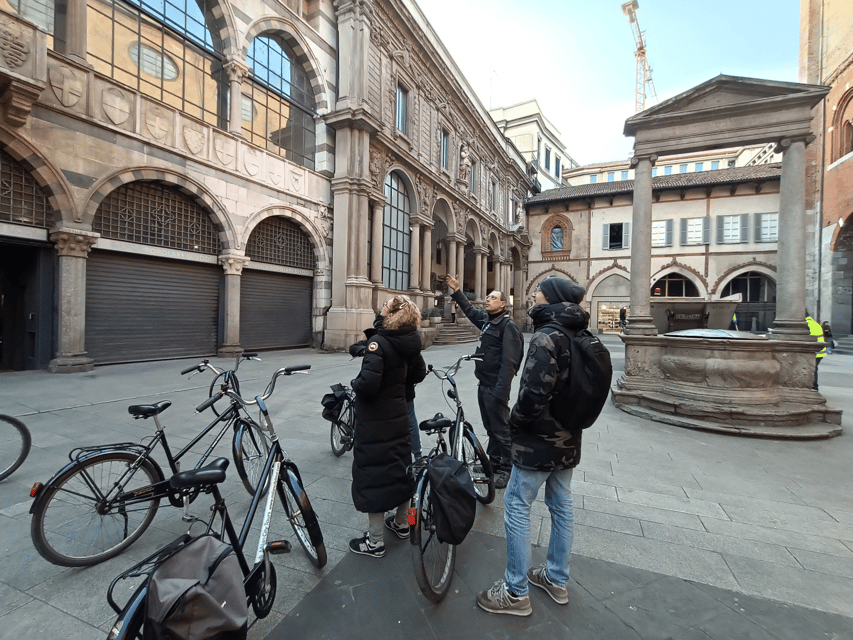
This next stretch leans into the “Rome echoes in Milan” feeling. You’ll head to San Lorenzo and see the Roman columns, then continue to the Basilica di Sant’Ambrogio.
After that, the tour takes you to Roman ruins on Via Brisa. Having these stops stitched together in one ride is valuable because you start to notice patterns. You see how classical elements survive, how they get reused or reinterpreted, and how the urban fabric keeps old layers visible.
The Basilica stop also matters because it adds a different kind of scale and atmosphere. You’re not just looking at relics; you’re stepping into a part of Milan where religious architecture shapes the street experience.
If you’re someone who loves the “how did this become this” question, this is where the guide’s explanations really help. The stops are tight enough to stay engaging, but each one is distinct.
Piazza Affari and L.O.V.E: where contemporary art meets big-city energy
Next up is Piazza Affari, a key Milan square that helps connect the tour to modern city life and the rhythm of the center. Right after, you’ll visit Maurizio Cattelan’s contemporary art installation L.O.V.E for another short photo stop.
This is one of those moments where a guide can turn a landmark into a meaning. Even without a long museum-style explanation, having context on what you’re looking at makes the installation feel intentional instead of random.
The L.O.V.E photo session is built into the flow, so you’re not waiting around. You get a brief, well-timed window to photograph the installation and then move on, which keeps the tour from stalling.
I also like that this portion doesn’t feel like a “random detour.” It fits the theme of eras colliding in Milan.
Mercanti Square, La Scala Square, Galleria Vittorio Emanuele, and Duomo Square
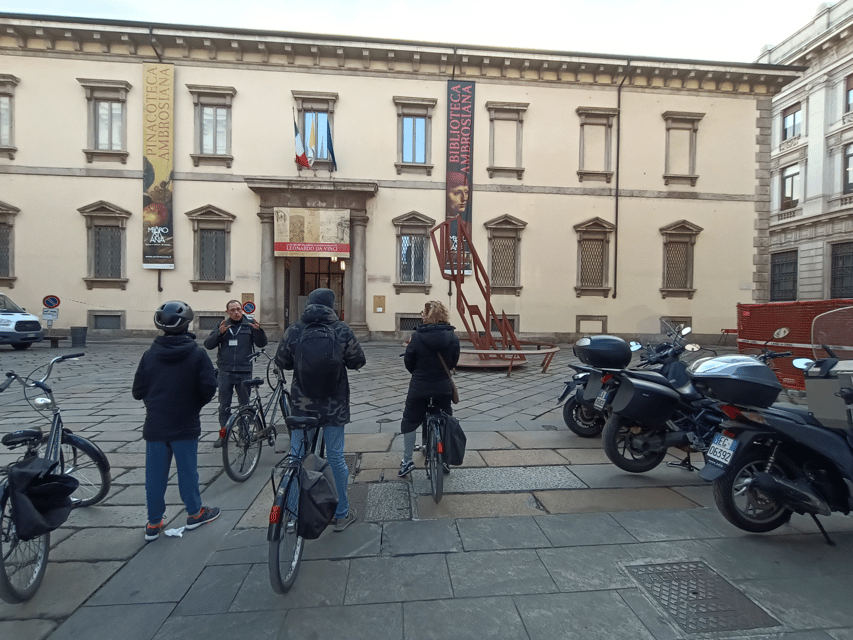
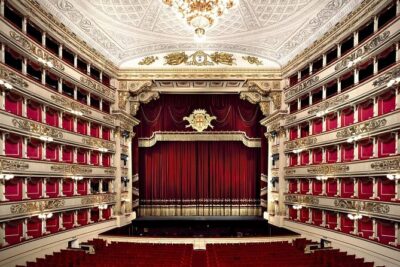
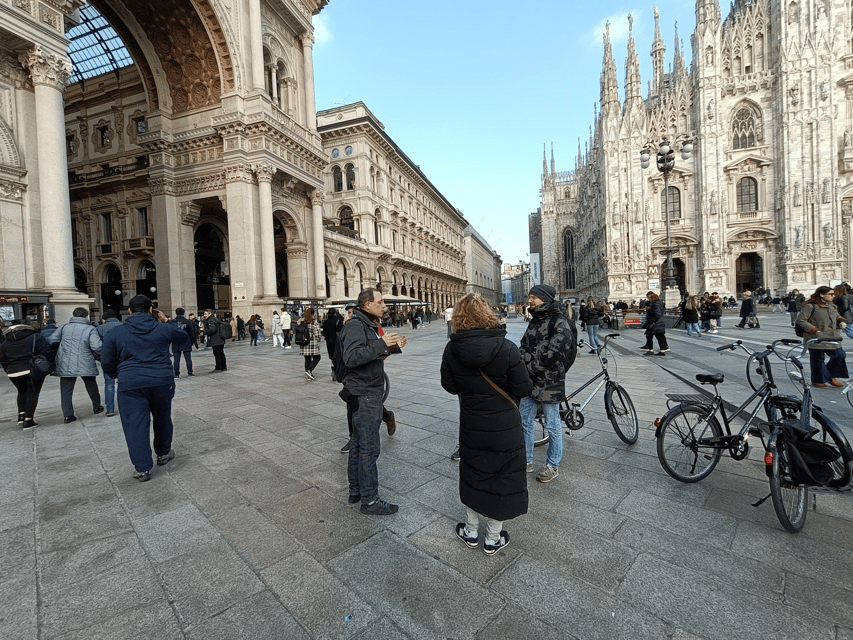
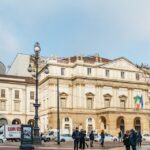
The final stretch is where the tour lands on Milan’s best-known centerpieces. You’ll head to Mercanti Square, then La Scala Square, and on to the Galleria Vittorio Emanuele.
By the time you reach the shopping arcade area, you’ll already have layers in your head from the earlier stops—castle courtyards, canal angles, Roman columns, and a contemporary art moment. That makes the Galleria feel like more than a pretty corridor. It becomes another chapter in Milan’s style.
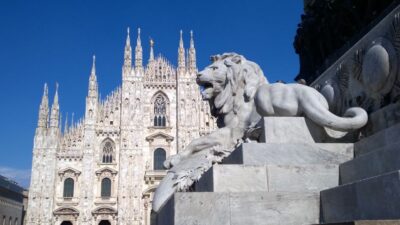
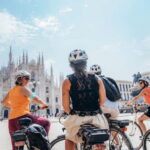
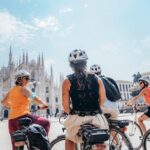
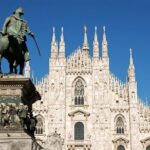
Then the tour finishes with a photo session at Duomo Square. That last stop is a smart move because it gives you a clean end point. You get one more set of “I’m really here” photos without turning the day into a sprint of extra add-ons.
Pacing and bike-path comfort (the part that makes or breaks a bike tour)
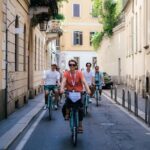
A bike tour lives or dies on comfort. The great news here is the ride is designed to be manageable: it’s mostly on bike paths and less crowded streets, so you’re not white-knuckling your way through the busiest parts of town.
This is where the guide’s style matters. Guides such as Emilio are praised for answering questions and keeping the pace relaxed while staying informative. Another name that comes up is Katharine, described as leading an enjoyable ride with time for the stops and not rushing people along.
You’ll get the best experience if you go with the right mindset: this is a guided ride with short visits and photo windows, not a long-stay sightseeing day for every monument.
Who should book this Milan guided bike tour
You’ll likely love it if you want:
- A 3-hour overview that hits big names without exhausting you.
- A route that mixes Milan’s eras: castles, canals, Roman remnants, and contemporary art.
- A small-group setup where you can actually hear the guide and ask questions.
- Efficient landmark coverage with time for photos from good viewpoints.
You might want to skip it if:
- You have mobility limits that make riding and short stops difficult.
- You’re traveling with more than a compact bag (luggage or large bags aren’t allowed).
- You don’t like cycling in the city environment, even if the route uses bike paths.
Should you book this tour?
If you’re planning a short Milan stay or you want a first-day orientation that still feels like real sightseeing, I’d book it. For $55.80, you’re getting a guide, a bicycle, and a helmet, plus a route that connects many of Milan’s top stops in a way that feels coherent instead of chaotic.
Do it especially if you care about understanding what you’re seeing. The best part isn’t just moving between landmarks—it’s having explanations at the moments that usually turn into blank-stare sightseeing.
If you’re sensitive to timing and need very long time at each site, know that the focus here is on motion and highlights. But for most people, this is a great way to see the center of Milan efficiently and enjoyably.
FAQ
How long is the Milan guided bike tour?
It lasts about 3 hours, and starting times vary, so you’ll need to check availability for the time that fits your day.
Where do I meet the guide?
You meet at the Cargo bike store.
Is hotel pickup or drop-off included?
No, hotel pickup and drop-off are not included. The tour meets at the store and ends back at the meeting point.
What’s included in the price?
The tour includes a guide, bicycle use, and a helmet.
What languages are the guided tours offered in?
The live tour guide is available in French and English.
What should I bring and wear?
Bring comfortable shoes and wear suitable clothing for cycling.
Who can’t join, based on the tour rules?
The tour is not suitable for pregnant women, and there’s a limit of 254 lbs / 115 kg. Also, unaccompanied minors aren’t allowed, and luggage or large bags are not permitted. All participants must have an ID card, and those under 18 must be accompanied by a legal guardian.