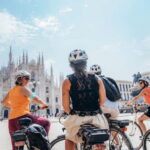
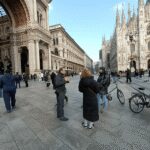
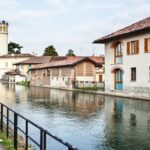
Milan looks different at bike speed. I like how this route links modern skyline moments with quieter residential streets, so you get a whole sense of the city in just a few hours. I also love the relaxed flow of the ride: there are stops to look, snap photos, and regroup without feeling rushed.
You’ll also appreciate the simple setup: bicycle and helmet are included, plus bottled water for everyone. There’s even time built in for a traditional café pause where you can buy an espresso, ice cream, or a Milanese cocktail—small, but very Milan.
One thing to consider: if you’re hunting for super deep, tightly paced history, some people find the talk a bit basic, and hearing details can be tricky in a group with traffic and construction nearby. Headsets aren’t listed, so come ready to enjoy the city as much as the narration.
In This Review
- Key highlights worth your attention
- The big idea: why this Milan bike tour works
- Starting point at Via Guglielmo Pepe: make your morning easy
- Bosco Verticale: modern Milan right out of the gate
- Brera district: classic streets without the crowds
- Sforza Castle area: a big landmark, paced like a tour
- Corso Garibaldi to Sempione: from streets to green space
- Piazza della Conciliazione and Arco della Pace: upscale streets and monuments
- CityLife Shopping District: the ultra-modern pause
- Via Paolo Sarpi (Chinatown): a flavor shift
- Monumental Cemetery of Milan: quieter, unexpected, memorable
- The café break: espresso, gelato, or a Milanese cocktail
- How the ride actually feels: pace, paths, and safety
- Bikes, helmets, and water: included essentials that matter
- Price and value: what $42.33 buys you in Milan
- Who should book this (and who might not)
- Quick planning tips before you go
- Should you book this Milan bike tour?
- FAQ
- How long is the Milan bike tour?
- Is the tour offered in English?
- What’s the minimum age to join?
- Are bikes, helmets, and water included?
- Are food and drinks included?
- Where does the tour start and end?
- Are there entrance fees for the stops?
- What happens if weather is bad?
- Can I get a full refund if I cancel?
Key highlights worth your attention
- Most riding stays on bike paths, with a guide who stays on top of crosswalks and staying together.
- A modern-to-classic route: Bosco Verticale, Brera, Sforza Castle, Sempione, and more in one loop.
- No big entry-fee surprises: listed admission tickets are free at each main stop.
- Café break built in for an espresso, gelato, or a Milanese cocktail (food and drinks not included).
- English is available, and guides may be multi-lingual depending on departure.
- Small-feeling group: maximum size is 45 travelers, and the pacing is generally described as relaxed.
The big idea: why this Milan bike tour works
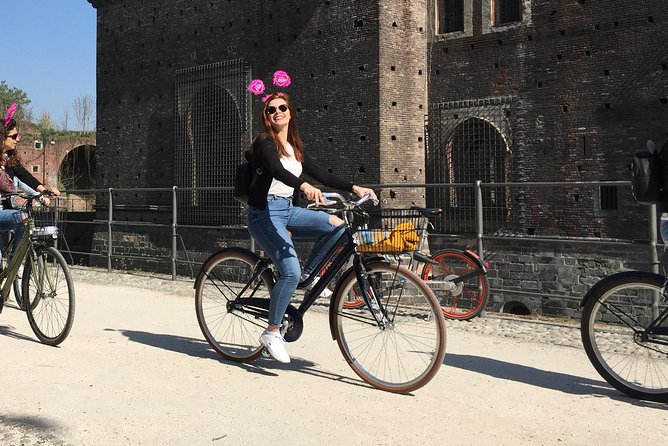
This tour is built for people who want to see a lot but don’t want the strain of nonstop walking. In about three hours, you move between Milan’s “old and new” sides—without the constant stop-and-go stress you get when you’re alone in traffic.
I like that it’s not just the headline sites. You get a mix of downtown classics and places that feel more like everyday Milan: neighborhoods, parks, and wide streets where locals actually go about their day.
The experience is also good value for the time. You’re paying a flat tour price, and the basics—bike, helmet, and water—are included. On top of that, the main sight stops list free admission tickets, so you’re not doing mental math on entry fees mid-ride.
You can also read our reviews of more cycling tours in Milan
Starting point at Via Guglielmo Pepe: make your morning easy
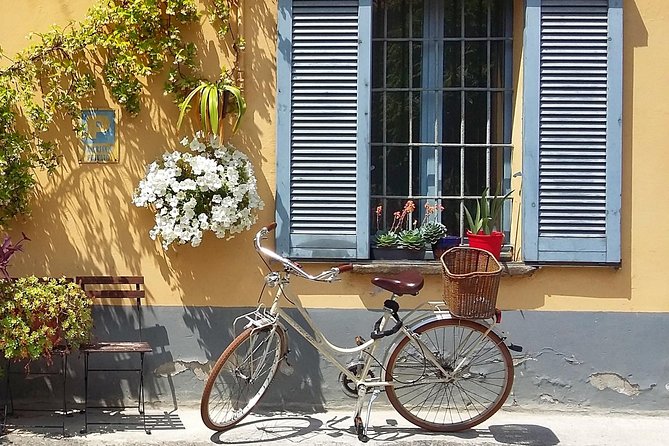
The tour meets at Via Guglielmo Pepe 12, 20159 Milano (and you return to the same spot). The start time is listed as 10:00 am, but there are multiple daily departure times.
Plan to arrive a little early so you can get fitted with your bike and helmet without feeling rushed. The meeting area is described as near public transportation, which matters because Milan can be chaotic if you depend on last-minute taxis.
Also, minimum age is 12, and kids must ride with an adult. There’s even mention of a cargo bike option for two kids up to 8 upon request—so families aren’t automatically excluded, but you’ll want to ask ahead.
Bosco Verticale: modern Milan right out of the gate
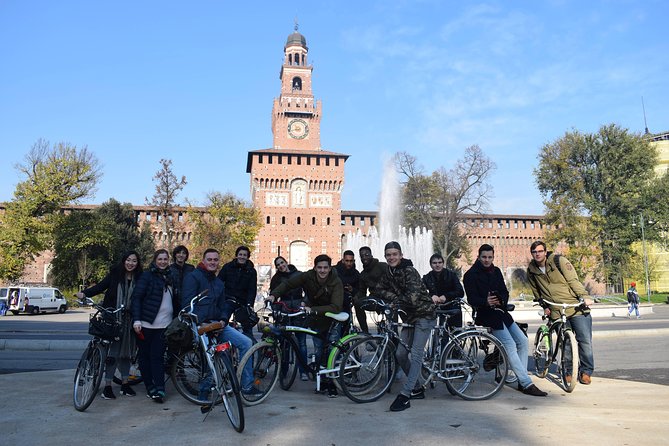
You start with Bosco Verticale, a modern city highlight. Even if you’ve seen photos online, this kind of spot hits differently on a bike: you’re moving, the skyline context changes as you ride, and you’re close enough to notice the scale.
The “value” of this first stop is that it sets the tone. You’re not starting with a museum or a single monument and then spending the rest of the day repeating the same vibe. Instead, you’re thrown into the mix of Milan—contemporary design right beside older neighborhoods you’ll see later.
The stop itself is short (around 10 minutes), so treat it as a quick orientation moment: take photos, look around, and then roll.
Brera district: classic streets without the crowds
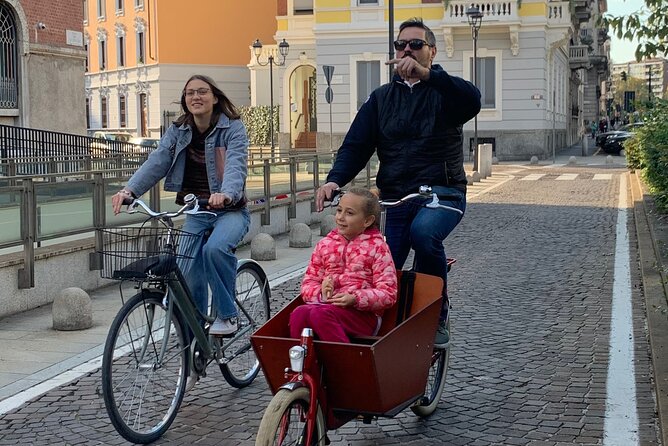
Next comes the Brera District, described as the old town. Brera is the kind of area where walking alone can feel slow—especially if you don’t know where to go first. On this tour, it’s one of your “easy wins”: you get a slice of historic Milan with a bike route that keeps the momentum.
The stop is about 15 minutes. That’s enough time to pick a viewpoint, check street corners, and get a feel for neighborhood character without turning the day into a sprint.
One practical note: in older districts you’ll often have construction or traffic noise nearby. If you’re paying attention to the guide’s commentary, stand where you can hear best and don’t assume you’ll catch everything while looking around.
Sforza Castle area: a big landmark, paced like a tour
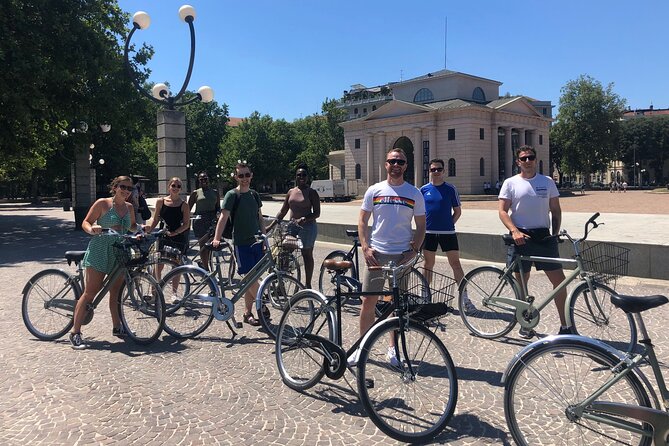
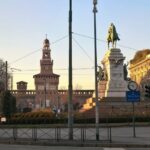
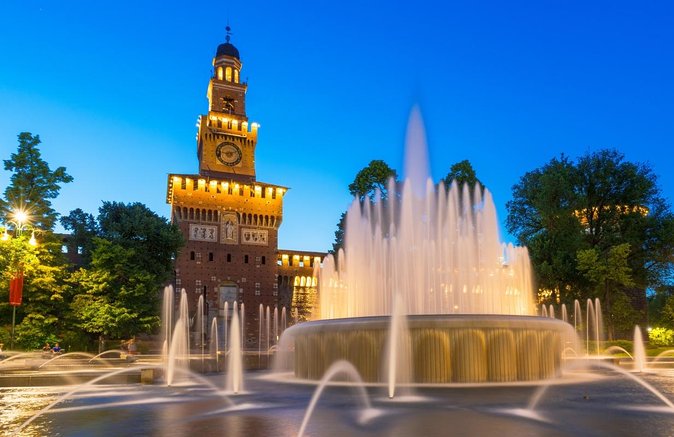
Castello Sforzesco (Sforza Castle) is next, with about a 20-minute stop. This is the part of the route that gives you a “major Milan” moment, but it’s still paced like a tour rather than an endurance challenge.
The benefit here is time management. You don’t have to decide between castle, park, and monument yourself. The guide already threads these together in a logical order, and you just show up with comfortable energy.
If you like structure, you’ll probably enjoy that each stop has its own segment length, so you’re not stuck somewhere too long or whisked away too quickly.
Corso Garibaldi to Sempione: from streets to green space
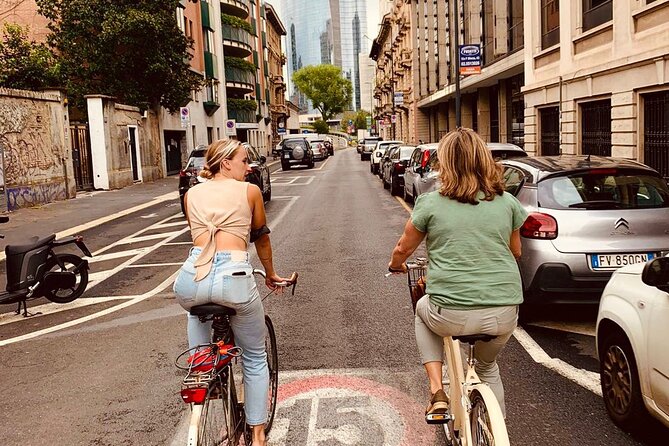
Corso Garibaldi is listed next as old town, with about 15 minutes. This segment works as a transition. You’re moving from a landmark-heavy area into a more open-flow environment.
Then you hit Sempione, the Sempione park area (around 10 minutes). Parks are great on bikes because you get a change of scenery without changing transportation style. You can relax your shoulders, take a breath, and reset your brain after city streets.
Even the short stop makes sense. It’s not asking you to read every sign or tour every path. It’s giving you a taste of Milan’s outdoor space—then moving you forward.
Piazza della Conciliazione and Arco della Pace: upscale streets and monuments
Piazza della Conciliazione is described as an upscale residential part, with about 15 minutes. That wording matters: this is a neighborhood-like section. You’re not just clocking a monument; you’re getting a sense of the city’s different “moods” as you move.
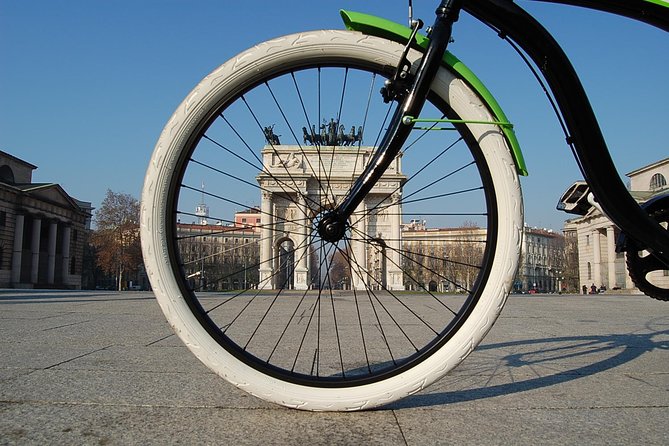
Then it’s on to Arco della Pace (around 15 minutes). On a bike tour, monuments are easier to appreciate because you approach them from different angles while traveling through the area. You’re not stuck staring at one face like you might be if you arrived by bus and then only walked a small perimeter.
Expect these stops to be visual and photo-friendly. If you like architecture and city planning more than deep museum lectures, this is a strong section.
CityLife Shopping District: the ultra-modern pause
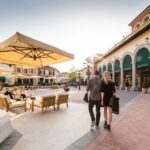
CityLife Shopping District is listed as an ultra modern project, with about 20 minutes. This stop is your contrast stop—the moment where Milan stops feeling “historic Italy” and starts feeling like a designed future.
The key here is pacing and variety. You get older neighborhood texture (Brera, Corso Garibaldi), major landmarks (Sforza, Arco), and then this modern district where the urban feel is completely different.
It’s also a good point in the ride to take a breather. By now, you’ve already done enough riding to warm up, and you’re likely ready for another quick scenic moment.
Via Paolo Sarpi (Chinatown): a flavor shift
Via Paolo Sarpi is described as Chinatown, with about 15 minutes. This is where the tour becomes more than “sights.” It starts to feel like daily city life: different shops, different rhythms, and a different street atmosphere than the monuments and parks.
Even if you don’t plan to eat during the ride, this section helps you map the city in a practical way. You learn what areas cluster around certain vibes, so later, when you’re choosing where to wander on your own, you’re not starting from zero.
Monumental Cemetery of Milan: quieter, unexpected, memorable
The last listed stop is the Monumental Cemetery of Milan, with about 20 minutes. This choice is exactly why the tour feels like more than a standard highlights circuit.
Cemeteries can be surprisingly moving and visually powerful, but most people ignore them because they’re not “tourist-first.” On a bike tour, it becomes one of the easy “yes” add-ons because you’re already moving efficiently through the city.
Use the time to look slowly. This isn’t the stop for sprinting to get another photo. It’s a better fit for anyone who likes to slow down for a moment and notice details.
The café break: espresso, gelato, or a Milanese cocktail
The tour highlights mention a stop at a traditional café where you can buy espresso, ice cream, or a Milanese cocktail. Food and drinks are not included, so you’re in charge of the spend.
This part is more than a sugar/coffee break. It’s a practical reset during a three-hour bike ride. It also gives you something very Milan-adjacent to do besides sightseeing: take a seat, watch life go by, and taste a city moment without turning it into a full meal.
One extra note from real ride experiences: some departures included a little treat like popsicle, and if it rains, you might be given ponchos. So plan for the day to be more forgiving than you’d expect.
How the ride actually feels: pace, paths, and safety
Most people describe the route as easy and mostly on dedicated bike paths. That matters more than people think. If you’re comfortable biking but worried about city stress, bike paths reduce that tension dramatically.
The guide is also described as safety-aware—helping everyone cross streets, keeping the group together, and making sure the pace is manageable. That translates into a smoother experience, especially if you’re traveling solo or you’re not an expert cyclist.
The pace is repeatedly described as relaxed. You’re not doing a workout class. You’re doing a guided loop with frequent, short breaks.
Still, bike tours aren’t silent. You’ll be near traffic and construction at times, which can interfere with hearing commentary at certain stops. If you care about every detail, position yourself so you can hear best and don’t rely on the guide speaking over noise.
Bikes, helmets, and water: included essentials that matter
The bike and helmet are included, and bottled water is provided for everyone. Those are the kind of details that make the tour feel “set up” instead of improvised.
The bike condition gets strong praise too—people mention smooth gear changes and bikes that ride well. That’s not a small thing. When your bike works properly, you spend less time thinking and more time enjoying the city.
Helmets aren’t just a box-check. They make you feel more relaxed about the ride, and that helps everyone enjoy the stops rather than worrying about safety.
Price and value: what $42.33 buys you in Milan
At $42.33 per person for about three hours, the value is pretty clear once you look at what’s included:
- Local guide
- Bike and helmet
- Bottled water for everyone
- Free admission tickets listed for the main stops
You’re also getting structure. Instead of spending your time figuring out route planning, bike path access, and what order to see things, the guide does that thinking for you. That’s worth real money in a city like Milan, where distances aren’t always intuitive.
And because the route includes both classic and modern parts of town, you’re not paying for one narrow theme. You’re paying for variety, plus mobility that walking can’t match in the same time window.
Who should book this (and who might not)
This tour is a great fit if you:
- want a 3-hour overview of Milan’s different “faces”
- like biking but don’t want strenuous exertion
- would rather spend time learning the city’s layout than arguing with maps
- enjoy a mix of modern architecture and historic neighborhoods
- travel with teens and want something that doesn’t feel like a museum day
It’s less ideal if you:
- crave deep, long-form storytelling at every stop
- need perfect audio clarity for lots of narration
- prefer super slow sightseeing with lots of independent wandering
Quick planning tips before you go
A few practical things will make the ride smoother:
- Wear comfortable clothing and shoes suitable for both biking and short walks.
- Bring layers if mornings feel cool; you’ll be outside most of the time.
- If you’re traveling with kids, ask about the cargo bike option for two kids up to 8 on request.
- If it’s rainy, don’t assume the day is ruined—there’s evidence that ponchos have been provided.
Should you book this Milan bike tour?
If you want a smart way to see Milan in a short time, I think this is a strong booking. The route covers modern landmarks, classic neighborhoods, parks, and a surprising end stop at the Monumental Cemetery area—all with mostly bike-path riding and practical stops that keep the energy steady.
Book it early in your trip too. The city layout you learn from this route helps the rest of your days feel less random and more planned.
Skip it only if your top priority is deep historical detail over the joy of moving through the city. If your goal is a fun, efficient Milan circuit with a guide who keeps you safe and moving, this one fits nicely.
FAQ
How long is the Milan bike tour?
It’s about 3 hours long.
Is the tour offered in English?
Yes, it’s offered in English.
What’s the minimum age to join?
The minimum age is 12 years. Children must be accompanied by an adult.
Are bikes, helmets, and water included?
Yes. Bike and helmet rental are included, and bottled water is provided for everyone.
Are food and drinks included?
No. Food and drinks aren’t included, even though there’s a traditional café stop where you can purchase items.
Where does the tour start and end?
It starts at Via Guglielmo Pepe, 12, 20159 Milano MI, Italy, and it ends back at the same meeting point.
Are there entrance fees for the stops?
Admission tickets for the listed stops are free.
What happens if weather is bad?
It requires favorable weather. If it’s canceled due to poor weather, you’ll be offered an alternative date or a full refund.
Can I get a full refund if I cancel?
Yes. Free cancellation is available up to 24 hours in advance for a full refund.