REVIEW · MILAN
Private Milan Canals and Navigli Neighborhood Guided Tour
Book on GetYourGuide →Operated by TUI Musement · Bookable on GetYourGuide
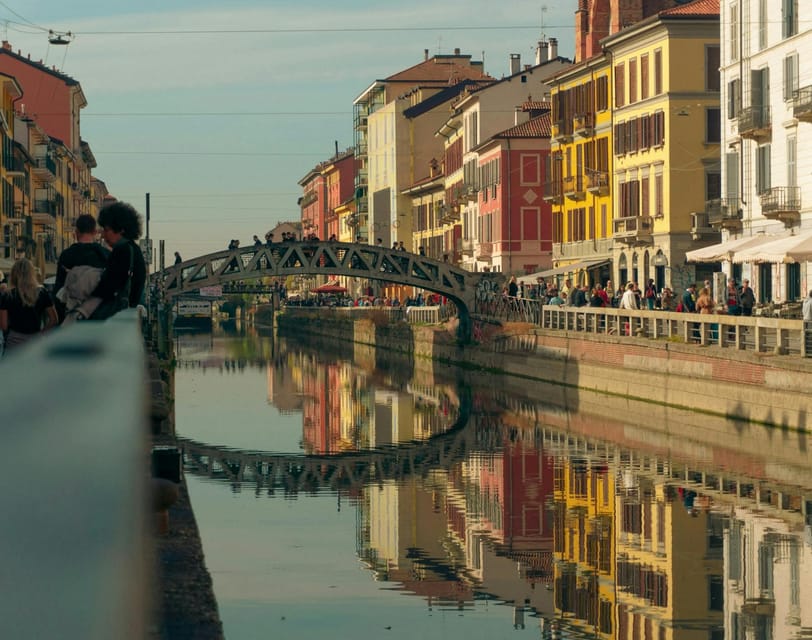
Canals in Milan feel like a movie set—walking here is the point. This private guided tour threads you through Navigli’s waterways and historic corners, starting at Piazza Sant’Eustorgio and ending with the mood of the district in your head. I love that the route blends big landmarks with offbeat scenes like Vicolo dei Lavandai, and I also like the way the guide ties the canal network to real commercial life and local traditions. One thing to consider: it is still a walking tour, so wear comfortable shoes and expect 2 to 2.5 km in about two hours.
You’ll get a focused plan with built-in context—what you see in the streets and what you learn about the canals at the same time. If your idea of Milan is more than Duomo photos, this is a strong match, especially with the private pace and a local, friendly guide. The only “watch out” is that you’ll be moving through several key spots rather than staying long in one place.
In This Review
- Key highlights worth your time
- Private Navigli Canals: why this 2-hour route feels smarter than browsing
- Meeting at Piazza Sant’Eustorgio and a 4th-century start you can feel
- Basilica of Sant’Eustorgio: Ark of the Magi and the Portinari Chapel angle
- Portinari Chapel: what you should expect
- Canal time: walking toward Naviglio Pavese and Naviglio Grande
- Why the canal walk is the core payoff
- A practical tip
- The Ticinese district: old commerce, newer style, and real local traditions
- What you’ll likely remember
- Vicolo dei Lavandai: the laundress alley and why it’s more than a pretty street
- A useful way to think about this stop
- Price and logistics: what $147.27 buys you (and what it doesn’t)
- What’s included
- What that means for your day
- Who this tour suits best
- Should you book this Milan canals and Navigli guided tour?
- FAQ
- How long is the private Milan canals and Navigli neighborhood guided tour?
- Where does the tour start?
- What are the main stops on the route?
- Is the Portinari Chapel entrance fee included?
- Do I need to bring anything?
- What languages is the guide available in?
- Is the tour wheelchair accessible?
Key highlights worth your time
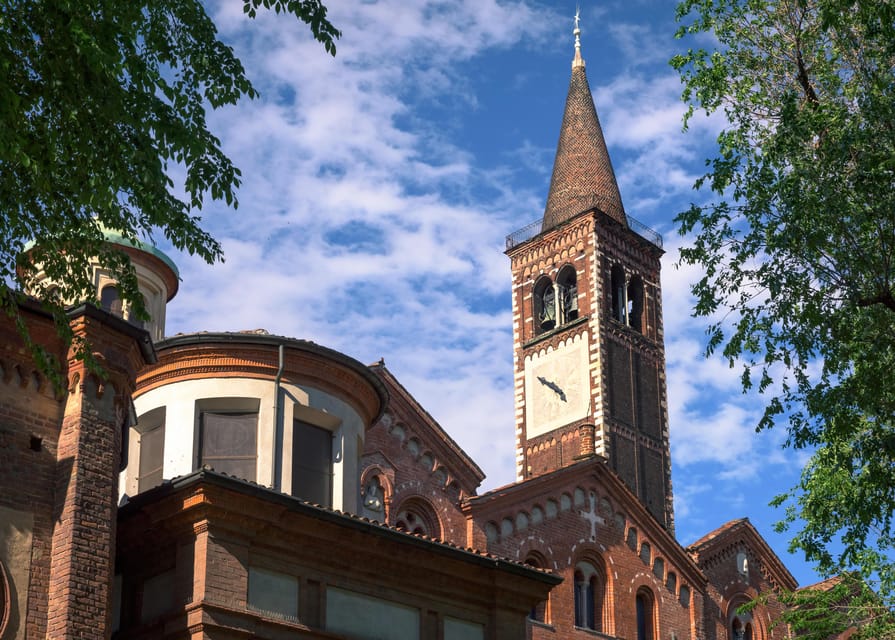
- Sant’Eustorgio as the launchpad: start at a 4th-century church and get oriented fast
- Portinari Chapel entrance included: you’ll cover the details without hunting for tickets
- Naviglio Pavese and Naviglio Grande walk: canal stories come with the scenery
- Ticinese district themes: commerce, music traditions, sports, and everyday Milan talk
- Vicolo dei Lavandai + banister house courtyard: you see how the area worked beyond the water
Private Navigli Canals: why this 2-hour route feels smarter than browsing

Milan’s canals don’t get as much attention as the cathedral and the opera house, which is exactly why a guided route here makes sense. You’re not just strolling along water—you’re learning how the Navigli network shaped daily life, money, and culture. The tour’s design is also practical: it’s short enough to keep the pace lively, but it covers enough ground that you actually understand the neighborhood instead of skimming it.
The private format matters. With a dedicated guide, you can ask questions and slow down when something catches your eye, like an old corner street or a specific canal viewpoint. If you’re with a group large enough, the tour also uses headsets so you can hear your guide clearly—helpful in the kind of street noise this area can generate.
Price-wise, $147.27 per person is not a “budget stroll,” but you are paying for a private, guided experience with an included interior stop at the Portinari Chapel. For many people, that’s where value shows up: you’re not paying just for someone to point at photos; you’re paying for context and access.
You can also read our reviews of more guided tours in Milan


Meeting at Piazza Sant’Eustorgio and a 4th-century start you can feel

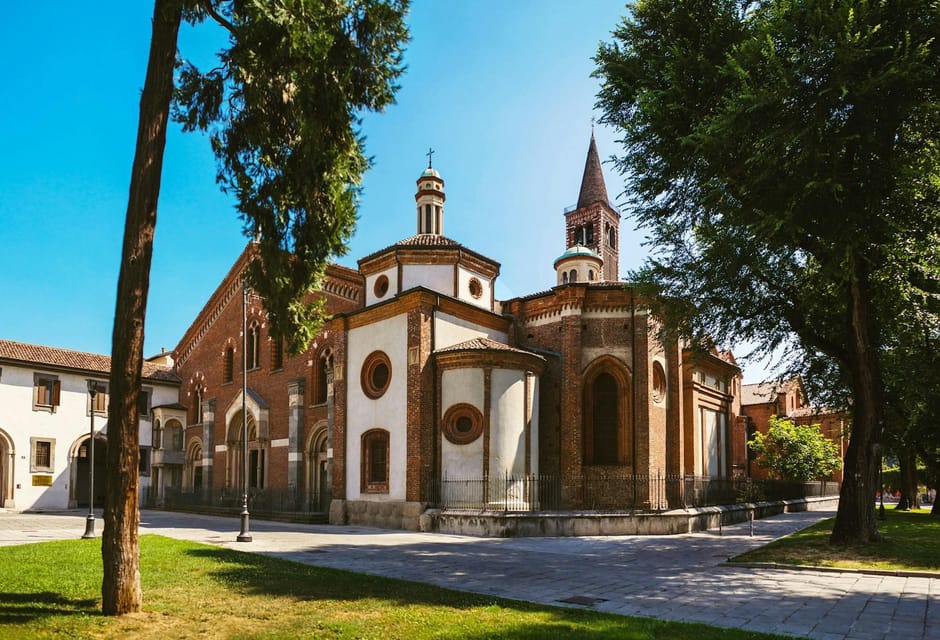
The tour starts at Piazza Sant’Eustorgio, 3, right by the Basilica of St. Eustorgio. You’ll meet your destination insider in front of the basilica about 10 minutes before departure, and the guide will be holding a TUI sign for easier recognition.
This isn’t a random start point. It helps you frame the area before you ever reach the canals. The basilica is a major early-Christian landmark, and that matters because the Navigli story doesn’t begin with trendy waterfront bars. You need the earlier layers—religious, architectural, and legendary—to understand why certain places in Milan became anchors for stories, commerce, and identity.
If you like tours that give you bearings fast, this start works. You’ll begin with something solid and historic, and then the route turns toward the water and the neighborhoods that grew up around it.
Basilica of Sant’Eustorgio: Ark of the Magi and the Portinari Chapel angle
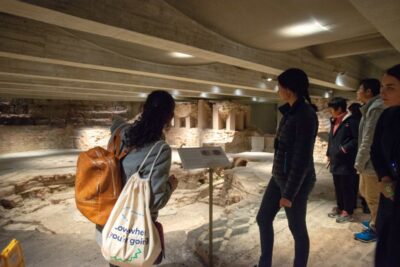
After you meet, you’ll have a guided look connected to the basilica and then move into the Portinari Chapel stop (with entrance fees included). The most specific draw here is that the tour explains the Ark of the Magi, described as a large sarcophagus tied to legend about the three Magi’s relics.
Even if you don’t consider yourself a religious-history person, this is a smart first interior stop. It gives you a feeling for how Milan records big stories in physical objects—things you can actually see and walk around—before you shift gears to water routes and neighborhood traditions.
Portinari Chapel: what you should expect
The itinerary includes about one hour here for a visit and guided tour. You’ll also get the guide’s explanations during the transition, so the chapel isn’t treated like a quick checkbox. The value is in connecting art and objects to the broader Milan narrative the guide is building—legend, memory, and local identity.
Potential drawback: because this is an interior stop with guided attention, the pace inside may feel a bit more structured than the open-air walking segments. If you prefer lots of free wandering, plan to save your longest downtime for the canal stretches afterward.
Canal time: walking toward Naviglio Pavese and Naviglio Grande
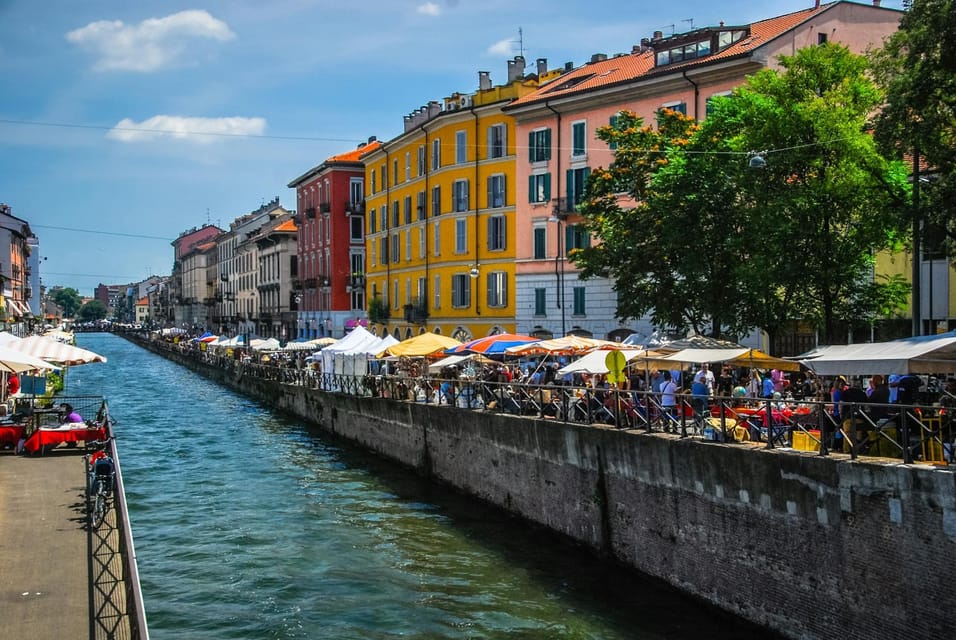
Once you’re out on the route, the experience shifts from old stone to moving water. You’ll walk along the new dock toward the Naviglio Pavese and Naviglio Grande, with commentary as you go.
What makes this section work is that you’re not just walking by scenery. The guide explains the canal network and how it supported commercial activities from the Middle Ages to the 19th century. You also get commentary that ties in Leonardo da Vinci’s contribution—presented as part of the broader story rather than a standalone trivia moment.
You can also read our reviews of more private tours in Milan






Why the canal walk is the core payoff
Canals are visual, sure, but the best canal tours make you understand cause and effect:
- why waterways mattered
- how people used them
- how the neighborhood’s character formed over time
Here, you get that through the guide’s anecdotes and the way the route is paced. The water sections also give you a break from big-city intensity. Even though you’re in Milan, the canal lanes have their own mood—more intimate and more local than the main boulevards.
A practical tip
Bring your “slow eye.” On canal walks, the details are small: dock edges, bends in the water, and the way buildings face the canal rather than away from it. If you try to walk with your phone up the whole time, you’ll miss half the lesson the guide is giving.
The Ticinese district: old commerce, newer style, and real local traditions
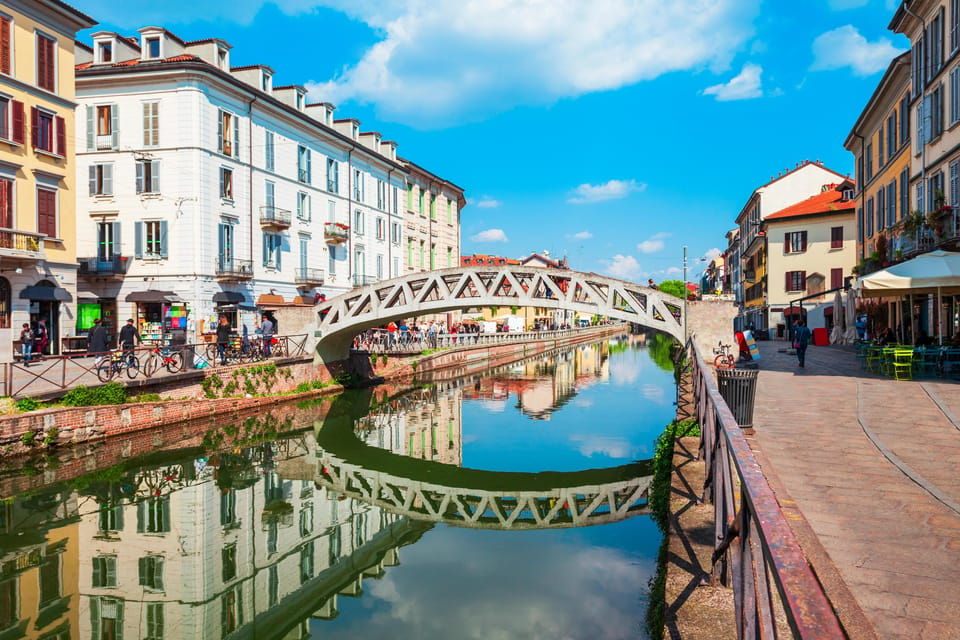
As you move through Navigli, you’ll learn about the Ticinese district—its faces from yesterday and today. The tour specifically highlights the way the area evolved, including the commercial importance of canal life and then the more modern, stylistic atmosphere you see now.
This is where the tour’s “off the beaten path” promise feels most believable. Navigli gets attention, but not everyone understands how quickly it changes. One minute you’re hearing about historical trade; the next you’re walking through the kind of streets where people come for music and a social scene.
The itinerary notes that the guide discusses musical traditions and sports, which is a telling sign that the tour isn’t only about architecture. The guide is positioning canals as part of community culture—how people gather, what they do for fun, and what the district feels like when life is happening.
What you’ll likely remember
The strongest moments in a tour like this aren’t one single photo spot. They’re the “aha” connections:
- The canals weren’t just pretty water; they were infrastructure.
- The neighborhood’s vibe is tied to its working past.
- Milan can feel playful when you move beyond its biggest monuments.
That’s why the tour’s length works. In two hours, you get enough context to stop viewing Navigli as just a nightlife map.
Vicolo dei Lavandai: the laundress alley and why it’s more than a pretty street
One of the most specific and memorable itinerary pieces is Vicolo dei Lavandai—often described as the Alley of the Laundress. You’ll get a guided look at the area, and the tour also covers washerwomen’s tricks and the job as it worked in this setting.
This is the kind of detail that makes a neighborhood tour feel alive. When you learn that there was real labor behind a water-adjacent lifestyle, the canal scenery shifts in your mind. Suddenly you’re not only looking at “cute streets.” You’re visualizing how people depended on water and space.
The stop also includes a look at the courtyard of a typical Milanese banister house. That’s important because it grounds the story in how buildings were arranged and how people lived and worked around those spaces.
A useful way to think about this stop
You’re seeing how everyday life used to function:
- water access
- shared courtyards
- domestic work linked to the neighborhood’s practical needs
The tour’s practical value is that it helps you read the area’s physical layout. After this, you’ll recognize why certain streets turn the way they do and why courtyards exist.
If you’re short on time in Milan and want one neighborhood experience that feels different from the standard sights, this is one of your best bets.
Price and logistics: what $147.27 buys you (and what it doesn’t)
Let’s talk value, plain and practical.
What’s included
- A 2-hour private tour
- A friendly local guide
- Entrance fees to the Portinari Chapel
- Headsets for groups of 7 guests or more
- Tour in English, French, German, or Italian
Not included: food and drinks.
What that means for your day
Because food isn’t included, you’ll likely want to plan a meal before or after. The pacing works well with a lunch or aperitivo plan afterward, especially since the tour is in the Navigli area where you can easily keep exploring on your own.
In terms of price, the “private” part is the biggest driver. If you’re traveling as a couple or small group, you’re paying to have time and attention tailored to your pace. If you hate large crowds and you appreciate a guide who can explain things clearly, this cost starts looking more reasonable.
If you’re on a very tight budget and just want to walk the canal lanes independently, you might choose a self-guided option. But you would miss the legend-and-labor connections that make this tour feel purposeful.
Who this tour suits best
This private Navigli canal walk is a strong fit if:
- you want a Milan neighborhood experience beyond the postcard hits
- you like guided explanations tied directly to what you’re seeing
- you enjoy history that’s connected to everyday life, not just famous buildings
- you prefer smaller-group attention (private format)
- you’re okay with a solid walk (about 2 to 2.5 km) in two hours
It’s also a good option if you’re traveling with someone who gets bored by “only monuments” tours. Here, you get canals, chapel details, and street-level story in one package.
Should you book this Milan canals and Navigli guided tour?

I’d book it if your goal is to understand Navigli, not just pass through it. The combination of Sant’Eustorgio framing, the Portinari Chapel interior stop, and the canal walk toward Naviglio Pavese and Naviglio Grande gives you a complete neighborhood arc. Add in the Vicolo dei Lavandai story and the banister house courtyard, and you get the kind of specifics that turn a generic walking tour into a memorable one.
I’d think twice if you’re very sensitive to walking time or you only want the lightest, least structured stroll. Two hours plus 2 to 2.5 km is manageable for many people, but it’s still a walking tour with guided stops.
If you like your Milan with story, shoes, and good listening—this is a booking worth considering.
FAQ
How long is the private Milan canals and Navigli neighborhood guided tour?
The tour lasts 2 hours.
Where does the tour start?
It starts at Piazza Sant’Eustorgio, 3, meet in front of the Basilica of St. Eustorgio.
What are the main stops on the route?
You’ll visit Sant’Eustorgio, the Portinari Chapel, walk through the Navigli district toward the canal areas, and include Vicolo dei Lavandai.
Is the Portinari Chapel entrance fee included?
Yes. Entrance fees to the Portinari Chapel are included.
Do I need to bring anything?
Wear comfortable shoes, since the tour includes a fair amount of walking (about 2 to 2.5 km).
What languages is the guide available in?
The live tour guide is available in English, French, German, and Italian.
Is the tour wheelchair accessible?
Yes, the tour is listed as wheelchair accessible.