REVIEW · MILAN
Milan: Fresh Pasta and Tiramisù Class in A Historical Home
Book on GetYourGuide →Operated by Cooking Class in Italy · Bookable on GetYourGuide
If you want Milan without another museum line, this cooking class hits the spot. You cook in a historic downtown home wrapped in 16th-century paintings and antique furniture, and you learn two pasta types plus classic tiramisù from family-style recipes.
I love that it’s genuinely hands-on—you’re shaping pasta, not just watching—and I also love the social feel, with instructors pushing the group to interact while staying relaxed. The one drawback to consider is that it’s not built for little kids (it’s not suitable for children under 8), so it’s best if your group can handle a focused 3 hours.
In This Review
- What makes it feel different in Milan
- Key highlights you’ll actually care about
- A Milan Kitchen Inside a 16th-Century Art Home
- The 3-Hour Flow: From Limoncello Sip to Final Bite
- Tagliatelle with Tomato Sauce: Learn the Texture, Not Just the Shape
- Ravioli with Butter and Sage: A Skill You’ll Actually Use
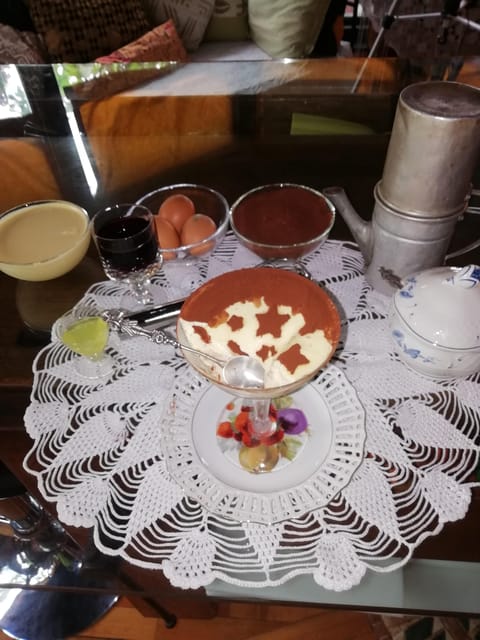
- Classic Tiramisù, Done Early So Dessert Doesn’t Wait
- Meal Time: Wine, Limoncello, and What You’ll Leave With
- Price and Value: What $84.96 Covers (and Why It’s Not Just a Show)
- Getting There from Duomo: Subway Stops That Make It Easy
- Who Should Book This (and Who Might Not)
- What to Bring and How to Show Up Like a Pro
- Should You Book This Class?
- FAQ
- How long is the Milan fresh pasta and tiramisù class?
- What dishes will I learn to make?
- Where does the class meet in Milan?
- What language is the class taught in?
- What’s included in the price?
- Is there a gluten-free option?
- Is it suitable for children?
- What should I bring?
- Is wheelchair access available?
- Can I cancel and get a refund?
What makes it feel different in Milan
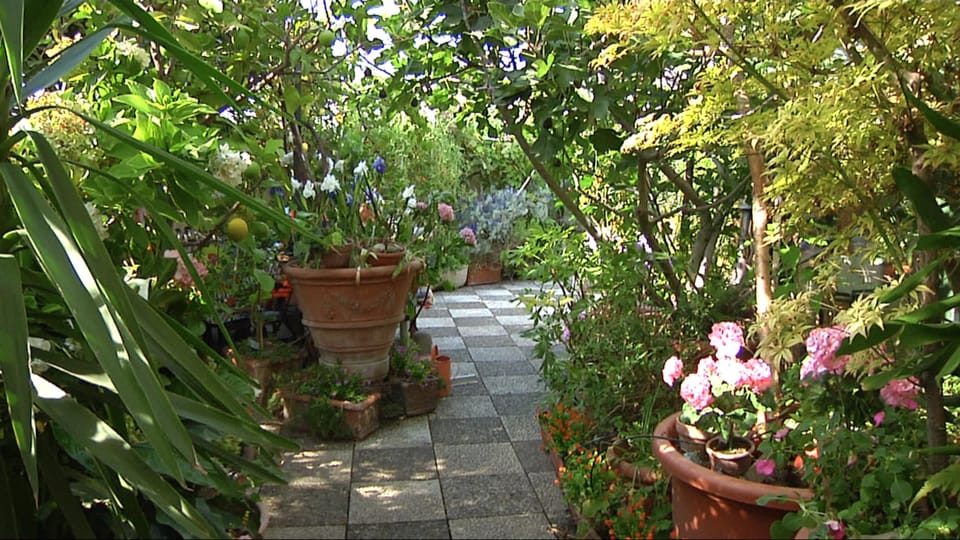
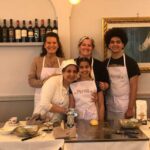
This class leans into tradition: when Grandma Bruna is too tired, her daughter and granddaughter (or grandson) take over, keeping the technique and family recipes going. You’ll sip limoncello made with lemons from the terrace, then sit down to eat what you made with wine (or soft drink), plus recipes sent by email afterward. If you’re hoping for a quiet, minimalist experience, the energy can be lively and the room is active with everyone cooking at once.
Key highlights you’ll actually care about
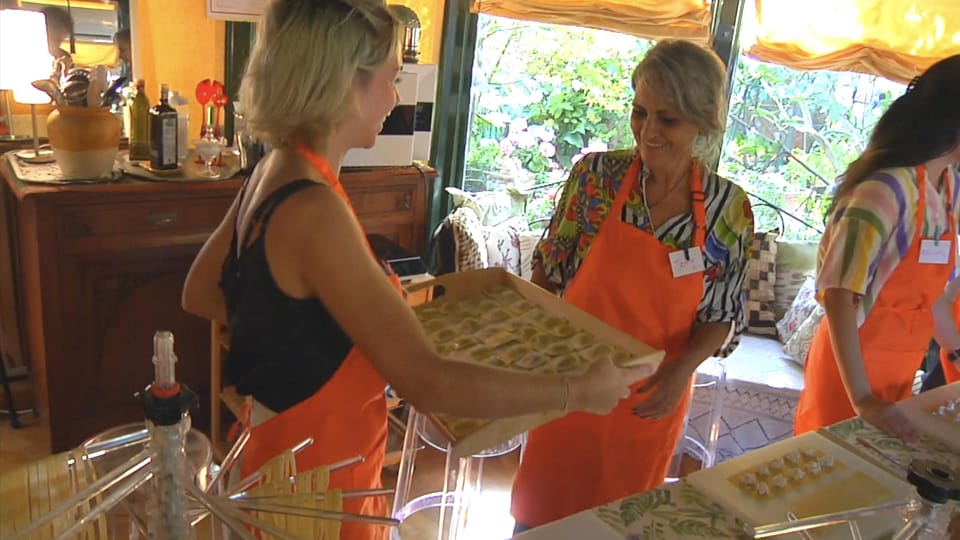
- A private-style kitchen in a downtown art-filled home, not a standard studio
- Two pasta skills: tagliatelle with tomato sauce and ravioli with butter and sage
- Tiramisù made the classic way, started early so it sets properly
- Limoncello with the meal, plus wine (1/4 bottle per person) or soft drink
- Recipes by email so you can recreate it back home
- Small-group feel (often around 17–18 people) that still allows participation
You can also read our reviews of more historical tours in Milan


A Milan Kitchen Inside a 16th-Century Art Home
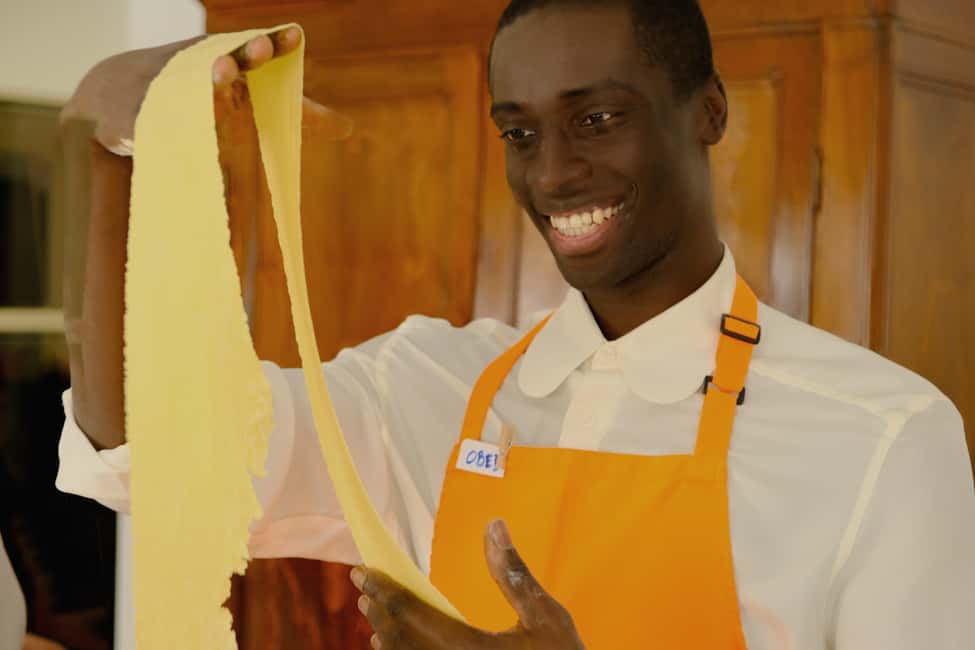
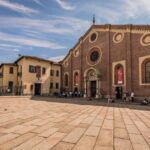
Milan has plenty of great experiences, but this one is different because the location does real work for you. You’re not just traveling to a class—you’re stepping into an elegant home in the fashion/designer area, about a short walk from Duomo Square, and the rooms feel like a private gallery. The highlight isn’t the brochure language. It’s that you’re cooking surrounded by antique paintings and fine furnishings, including artwork described as coming from the family’s Palladiana Palace.
Why I think this matters: when you learn food properly, your brain needs to stay engaged. Cooking in a beautiful setting keeps you paying attention to details like dough texture, cutting, and sealing. You also feel a bit less like a customer and more like a temporary member of the family rhythm.
Also, this place isn’t trying to be a theme park. It’s personal. The family tradition is part of the teaching style—family members step in when needed, and that generational handoff shows up in how the class is paced and how instructions are given.
The 3-Hour Flow: From Limoncello Sip to Final Bite
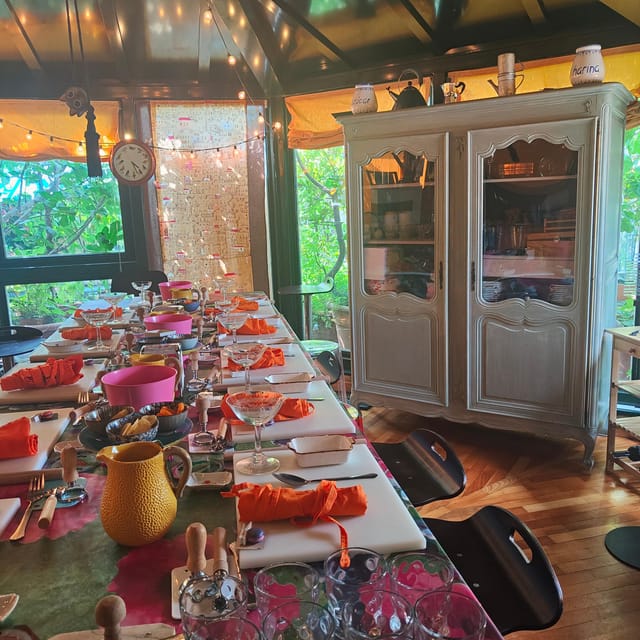
The class runs for 3 hours, with starting times varying by availability. The pacing is built around the reality of cooking: some things need time to set while other things need active hands.
Here’s the general flow you should expect:
- You arrive and settle in, with the home’s atmosphere doing that instant Milan “oh wow” thing.
- You get ready to cook—tools and aprons are provided, and everything is set out so you can jump in quickly.
- You start with tiramisù preparation, then it goes into a freezer quickly so it can set.
- After that, the focus shifts to pasta: tagliatelle first, then ravioli.
- At the end, you sit down for the meal: the classics you made, along with wine or soft drink, water, and your limoncello.
In past sessions, tiramisù is described as being prepared first and placed in a fast freezer right away. That’s a smart move because it keeps the class timeline smooth. You don’t end up waiting around for dessert while your dough dries out or your group loses momentum.
One more thing I appreciate: the teaching style is described as interactive, with instructors using humor to keep everyone engaged and supported. If your cooking experience is limited, this matters. You want someone who can correct mistakes without making the room awkward.
Tagliatelle with Tomato Sauce: Learn the Texture, Not Just the Shape
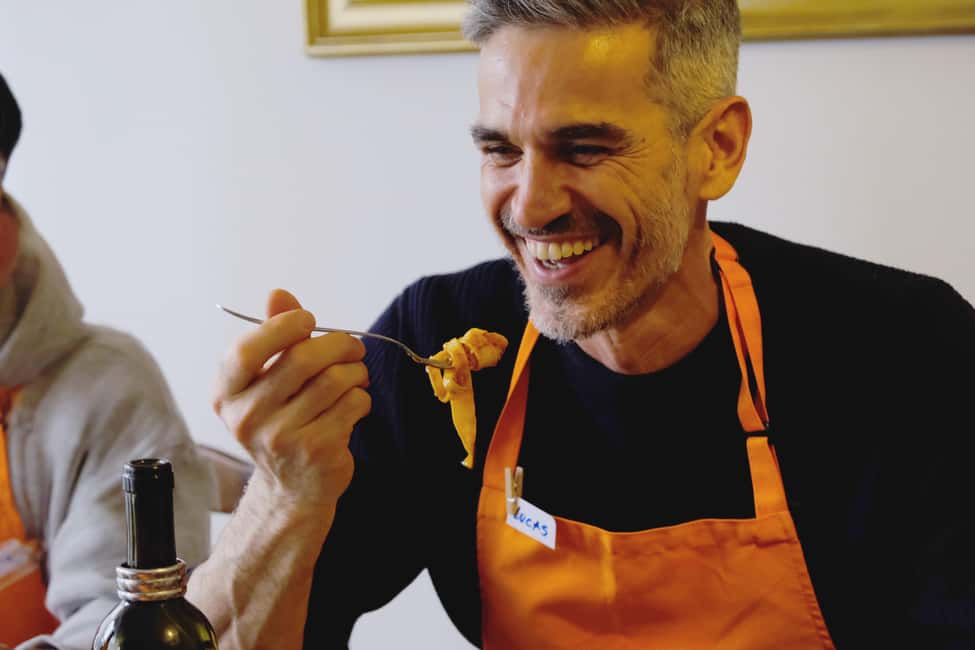
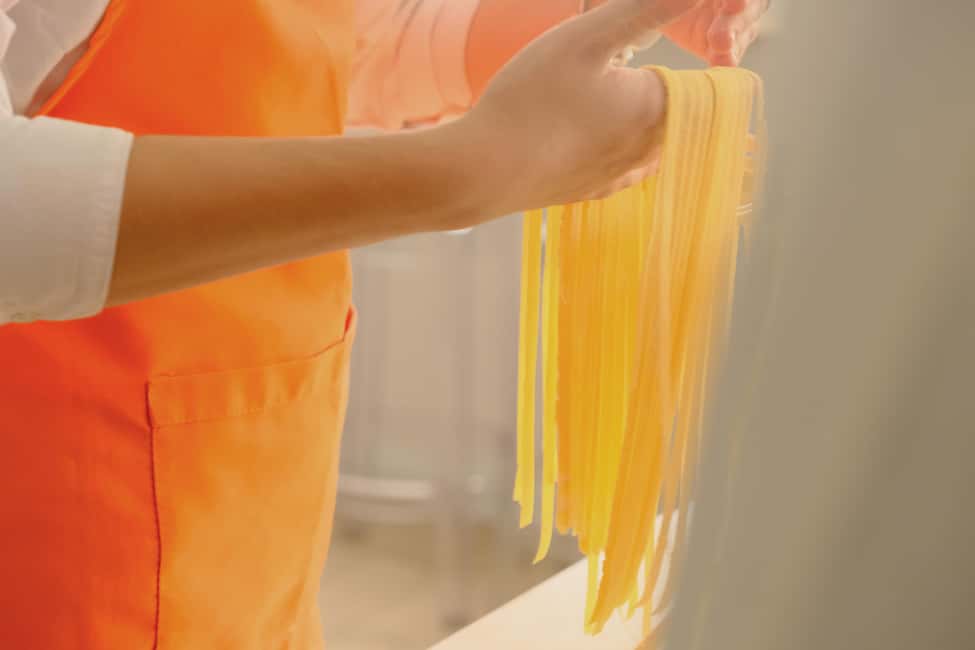
You’ll make tagliatelle with tomato sauce, and the lesson here is about feel.
Fresh pasta is simple in theory—flour, eggs, mixing, then rolling and cutting—but in practice, the dough can be too dry, too sticky, or unevenly mixed. This is where a hands-on class wins. You get direct instruction as you work, and your success depends on your touch. That’s how you learn what “right” feels like.
Even if you’ve made pasta at home before, this kind of structured class is valuable because it forces you to notice the small variables:
- How the dough changes as you mix
- How it behaves when rolled
- How thickness affects cooking and sauce pickup
- How the cut shape holds onto the tomato sauce
The tomato sauce component is also practical. You’re not learning a complicated, fussy restaurant-style sauce that takes hours. You’re learning a classic pairing that’s reliable when you want a real pasta dinner again.
Ravioli with Butter and Sage: A Skill You’ll Actually Use
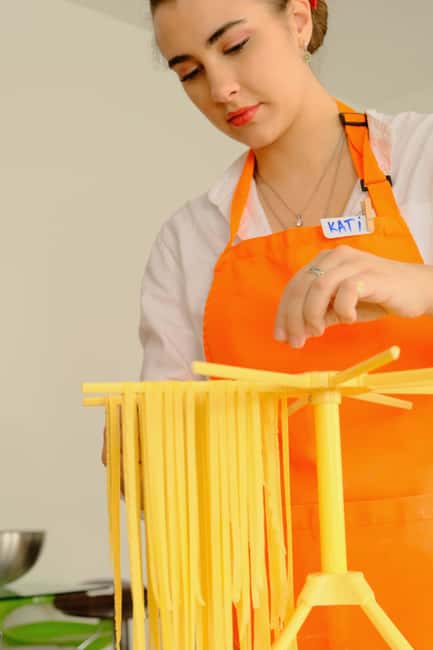
Next comes the pasta that makes people proud at dinner parties: ravioli with butter and sage.
Ravioli is where technique meets patience. Sealing well matters, and the class teaches you the steps so the filling stays inside through cooking. The payoff is bigger than you might think. When you make ravioli successfully once, you start craving making them again because it feels like you unlocked a “grown-up cooking” skill.
The butter and sage pairing is a smart choice for a class menu. Sage is aromatic and forgiving, and the butter helps coat pasta evenly. That combination is a classic Italian flavor profile, and you’ll taste the difference between plain pasta and pasta that’s properly dressed.
And yes, you’re working as a group, but multiple reviews describe that each person has their own setup and you’re involved in most of the prep and pasta making. That reduces the common problem of classes where only one or two people really get hands-on time.
If you go in thinking you’ll just make it through, you’ll still leave with a full meal. If you go in hoping to get good enough to repeat the recipe, this structure gives you a real chance.
You can also read our reviews of more cooking classes in Milan




Classic Tiramisù, Done Early So Dessert Doesn’t Wait
Tiramisù is often treated like the easy dessert—mix, assemble, done. But true tiramisù depends on timing and texture.
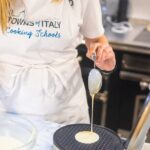
In this class, tiramisù is prepared first and then placed in a freezer quickly, so it sets properly by the time you’re ready to eat. That’s a practical detail, and it’s also why the class schedule works.
You’ll learn to prepare classic tiramisù using the methods taught in the family tradition. Expect instruction geared toward getting the right consistency and assembly so the final bite isn’t runny.
Why I like this part: tiramisù is one of those desserts where home cooks often get stuck. Either it doesn’t set, or it’s too heavy, or the layers don’t come out right. A structured class gives you the technique you can repeat without guessing.
Meal Time: Wine, Limoncello, and What You’ll Leave With
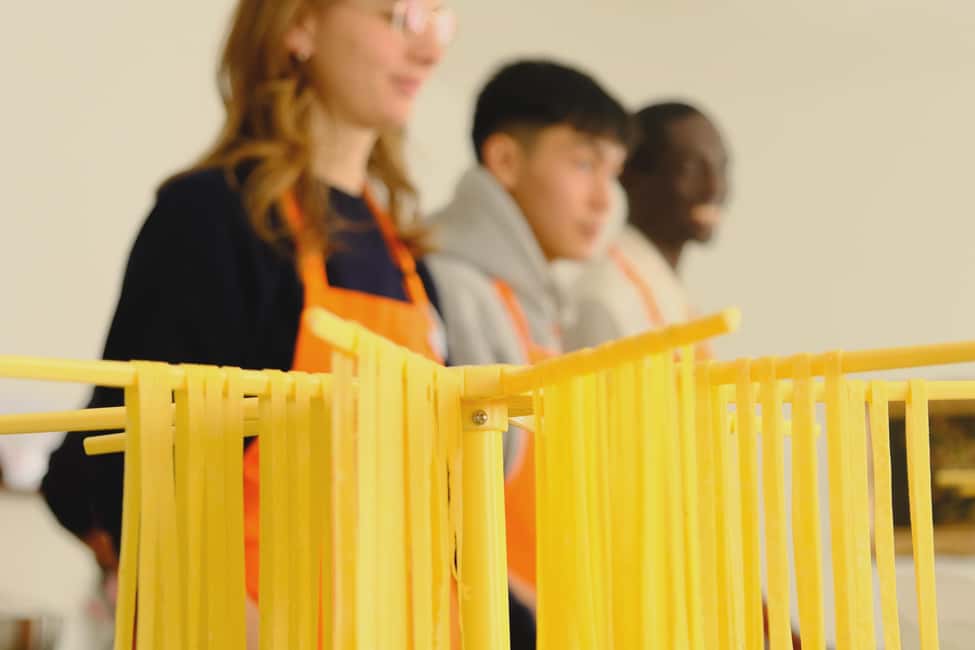
Once the cooking is done, you eat what you made—tagliatelle with tomato sauce, ravioli with butter and sage, and traditional tiramisù. You’ll also have white wine at 1/4 bottle per person or soft drinks, plus water and limoncello.
If you’ve ever taken a class where the food is mostly symbolic, this one isn’t like that. Reviews describe a real pasta feast, and people explicitly mention being full afterward. That matters for value. You’re paying for instruction, yes, but you’re also leaving with a substantial meal.
Dietary notes: there’s risotto for gluten-free included. The data doesn’t say gluten-free pasta dough is made, so if that’s a requirement for you, you’ll want to check directly with the organizer before you book.
You’ll also get a booklet by email with the recipes. This is one of those small details that turns a fun night into something you can repeat. Having the recipes means you’re not relying on memory when you try to recreate the dough and sauce at home.
And about the limoncello: you’re told it’s prepared with lemons from the terrace. That means it’s not just a generic bottle open-and-pour. It’s part of the flavor story of the meal, and it gives you a souvenir you can taste again before you even leave.
Price and Value: What $84.96 Covers (and Why It’s Not Just a Show)
The price is $84.96 per person, and the best way to judge it is by what’s included.
You’re getting:
- All tools and aprons
- The meal (the dishes you cook)
- White wine (1/4 bottle per person) or soft drink
- Limoncello
- Water
- Recipes sent by email
- A historical, art-filled home setting
- Risotto for gluten-free
That’s the value equation. You’re not just buying access to a kitchen. You’re buying instruction, ingredients, drinks, and dinner, plus the chance to learn two pasta styles and tiramisù techniques you can use later.
It’s also a good value if your Milan plan needs a break from crowds and long sightseeing days. Instead of spending your limited energy in lineups, you get a guided experience that’s active, social, and meal-based.
One small consideration: some groups mention they would have liked more wine. That doesn’t sound like a dealbreaker, but it tells you the wine portion is set. If alcohol is central to your evening, you may want to pace yourself or plan an extra drink elsewhere.
Getting There from Duomo: Subway Stops That Make It Easy
Location is one of the practical advantages. The meeting point is Via Dezza 47, Milan, and it’s walkable from central sights. It’s about 5 minutes from Duomo Square on foot.
For transit, you have solid options:
- The easiest route is near the blue line stop Coni Zugna – Via Foppa, roughly 20 meters away. Exit via escalator.
- The green line stop Sant’Agostino is about 500 meters from the home.
This matters because you’re in a central neighborhood with safe, easy walking once you know where you’re going. I’d also recommend arriving a few minutes early so you’re not rushing in with a camera in one hand and a worry in the other.
Who Should Book This (and Who Might Not)
This class fits best if you want:
- A hands-on Milan activity that ends with a real meal
- A social evening where the group is encouraged to talk and learn together
- A cooking skill upgrade: two pasta types and tiramisù
- The art-and-antiques atmosphere of a historical home
It’s also a good choice for couples, friend groups, and solo travelers who want to meet people without forced small talk. Reviews repeatedly mention instructors keeping the energy up with humor and making sure everyone is included.
Who might pause:
- Families with kids under 8 (it’s not suitable for children under 8)
- Anyone who prefers a quiet, low-interaction experience
- People who hate guided group timing, because you’ll follow a cooking schedule built around setting tiramisù and cooking pasta
If you’re the sort of traveler who likes authenticity, this hits. The family-style teaching isn’t just a vibe—it affects how the class is run and how recipes are passed down and explained.
What to Bring and How to Show Up Like a Pro
You’ll be more comfortable if you plan for practical cooking conditions.
Bring:
- Comfortable shoes
- Camera
- Comfortable clothes
- Biodegradable insect repellent
Keep in mind:
- Backpacks aren’t allowed.
- Smoking indoors isn’t allowed.
- Non-folding wheelchairs aren’t allowed (the activity is listed as wheelchair accessible, but restrictions apply).
If you’re used to touring all day in Milan, this is a nice change. Still, wear clothes you can move in. Pasta dough doesn’t care about your outfit.
Should You Book This Class?
Yes, I think you should book it if you want an evening that mixes Milan atmosphere with real food skills. The biggest win is the combination: cooking in a historic art-filled home, learning tagliatelle and ravioli from scratch, and finishing with tiramisù you helped make—all while getting recipes emailed afterward.
I’d skip it only if you’re traveling with very young kids, you need a totally quiet experience, or you’re only looking for a quick tasting. This is about making, learning, and eating together.
If you’re aiming for one memorable non-touristy night in Milan, this is a strong choice.
FAQ
How long is the Milan fresh pasta and tiramisù class?
It lasts 3 hours.
What dishes will I learn to make?
You’ll learn to prepare two types of Italian pasta: tagliatelle with tomato sauce and ravioli with butter and sage, plus classic traditional tiramisù.
Where does the class meet in Milan?
The meeting point is Via Dezza 47, Milan. The easiest access is near the blue line stop Coni Zugna – Via Foppa (about 20 meters), or the green line stop Sant’Agostino (about 500 meters).
What language is the class taught in?
The lesson is held in English, and other languages are available. The instructor languages listed include English, Italian, French, Spanish, Persian, and Hebrew.
What’s included in the price?
Included items are all tools and aprons, meal, white wine (1/4 bottle per person) or soft drink, limoncello, water, and the pasta and tiramisù you prepare. You also receive a recipe booklet by email.
Is there a gluten-free option?
Yes. Risotto for gluten free is included.
Is it suitable for children?
It is not suitable for children under 8 years.
What should I bring?
Bring comfortable shoes, a camera, comfortable clothes, and biodegradable insect repellent.
Is wheelchair access available?
The activity is listed as wheelchair accessible, but non-folding wheelchairs are not allowed.
Can I cancel and get a refund?
Yes. There is free cancellation up to 24 hours in advance for a full refund. There is also a reserve now & pay later option.