REVIEW · MILAN
Milan: Natural History Museum Entry Ticket & Audio Guide
Book on GetYourGuide →Operated by Vox City International · Bookable on GetYourGuide
Your phone turns a museum into a time machine.
At Milan’s Natural History Museum, you get an entry ticket plus a smartphone audio guide that walks you through natural wonders in about 2 hours. It’s a straightforward, low-stress way to see a lot without needing a human guide.
What I like most is the combo of paid admission and 40+ audio stops you can follow with a digital map at your own pace. One more plus: the audio is available in multiple languages (including English, Italian, French, and German starting April 15).
One thing to think about: the experience doesn’t include headphones, and the audio guide depends on getting the right download link/QR to work smoothly on your phone.
In This Review
- Key takeaways before you go
- Milan Natural History Museum: what this experience is really like
- Entering via Indro Montanelli Gardens and Corso Venezia
- Price and value: is $12 a good deal for a self-guided audio tour?
- Your 2-hour plan inside the museum (40+ audio points in motion)
- 1) Start with orientation
- 2) Work through the “core themes”
- 3) Let the stories connect the exhibits
- 4) Finish with architecture and the garden views
- Paleontology audio points: fossils with an actual storyline
- Mineralogy and Earth materials: seeing formations with context
- Zoology: diversity of life explained in a way you can follow
- Botany and conservation: the science that links past and present
- Museum building + the Public Gardens setting: a small detail with big payoff
- Audio guide on your smartphone: the steps that prevent headaches
- What you get
- When you get it
- What you should bring
- Who this is best for (and who might want a different option)
- Quick FAQ for planning your visit
- FAQ
- How much does the Milan Natural History Museum entry ticket and audio guide cost?
- How long should I plan for the museum visit?
- What languages are available for the audio guide?
- Where do I go to enter?
- Do I need my own headphones?
- How do I get the e-ticket and the audio guide on my phone?
- Is it wheelchair accessible and can I cancel?
- Should you book this Milan Natural History Museum audio ticket?
Key takeaways before you go
- Skip-the-line entry using your mobile e-ticket
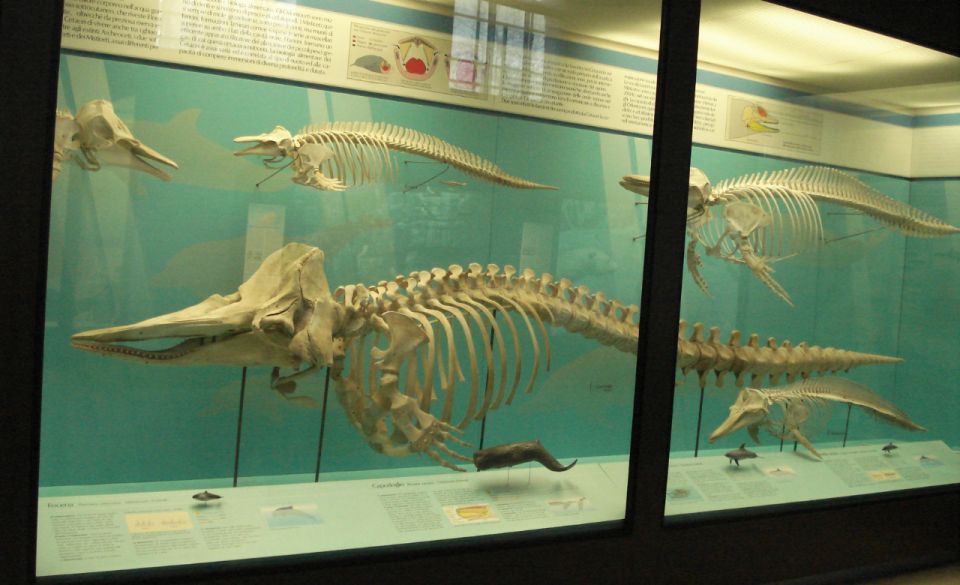
- 40+ audio points that cover paleontology, mineralogy, zoology, and botany
- Digital map so you don’t feel lost in the halls
- Multilingual audio in English, Italian, French, and German (from April 15)
- Museum + Public Gardens views since the building sits in Indro Montanelli Gardens
Milan Natural History Museum: what this experience is really like
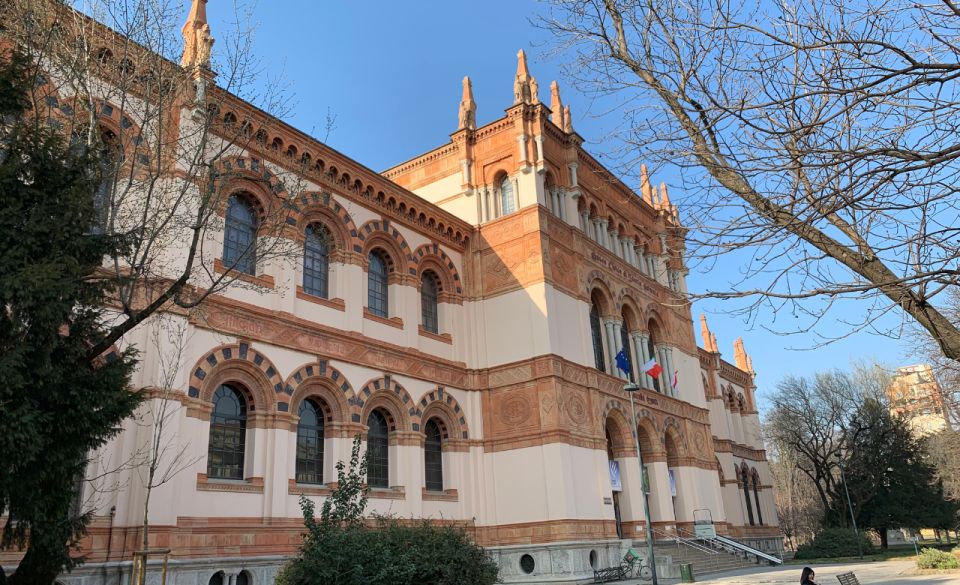
This isn’t a guided tour with a group leader herding you through rooms. It’s a self-guided museum visit where your soundtrack is the “guide.” The museum itself brings the big wow: the building has real architectural presence, and the location in Indro Montanelli Gardens is a nice bonus when you finish.
For you, that means you can move at a comfortable speed. If you want more time on fossils or minerals, you can linger. If you’re more interested in animals and plant life, you can focus there. And because the audio guide includes a digital map with over 40 audio points, you’re not stuck guessing what to see next.
There’s also a practical value angle. At around $12 per person for entry + audio guide, it’s not trying to turn a museum into a premium production. You’re paying for access plus interpretation that helps you connect exhibits to stories.
You can also read our reviews of more tours and experiences in Milan


Entering via Indro Montanelli Gardens and Corso Venezia
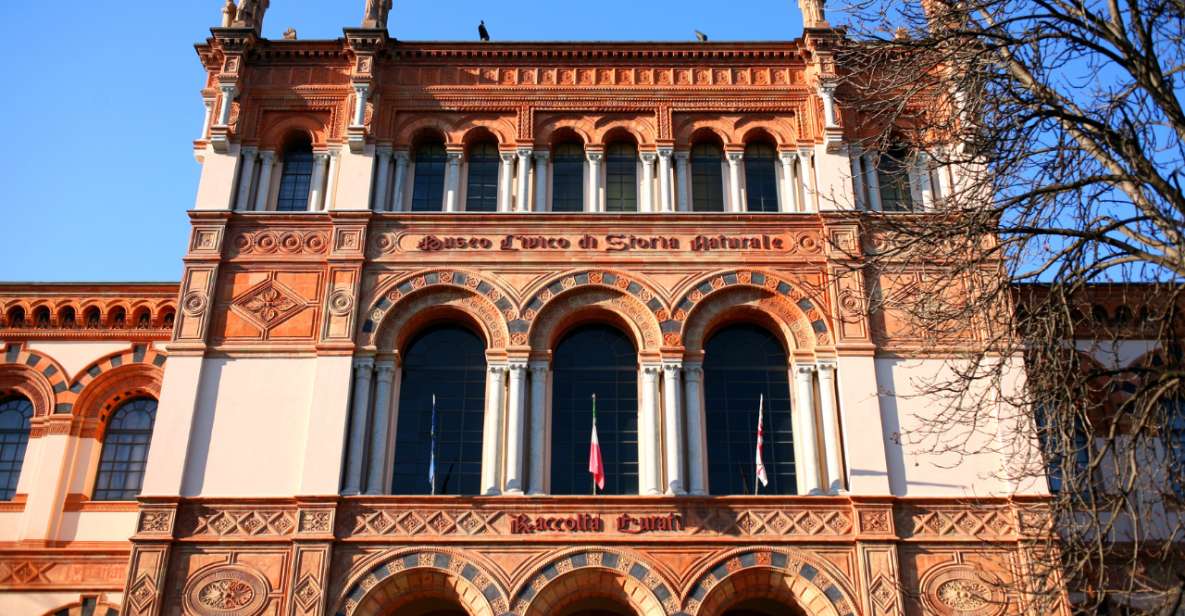
You head straight to the Natural History Museum at Indro Montanelli Gardens, Corso Venezia 55. No complicated pickup at a distant corner. The big win here is simple: plan to arrive, get inside, and start the audio guide.
That address matters because this museum experience is very specifically tied to Milan. One snag that’s worth learning from: if your phone ends up with the wrong download link or audio destination, you could end up confused about where you’re supposed to go. Your best protection is using the QR code on your voucher to download the audio guide before you arrive.
Quick tip: if you’re arriving at a busy hour, it helps to be ready with your e-ticket open on your phone. You’ll show it to staff for entry.
Price and value: is $12 a good deal for a self-guided audio tour?
At $12 per person, the value depends on how you like to travel.
If you enjoy museums at your own speed, this is solid value because you get:
- Admission to the Natural History Museum
- A digital audio guide in several languages
- A digital map and 40+ points to structure your visit
If you prefer guided storytelling with a live guide, you might feel like something’s missing, because this is not a guided tour. But for many people, the audio guide does the job: it explains what you’re looking at so the exhibits don’t feel like random displays.
Also, a budget reality check: headphones aren’t included. You’ll want your own wired headphones or a Bluetooth pair you trust. Bring a charged smartphone, too—your phone is doing the heavy lifting here.
One more note on language value: German audio is scheduled to be available starting 15th April. If German is your priority, check timing before you go.
Your 2-hour plan inside the museum (40+ audio points in motion)
This experience is set up for about 2 hours. That’s a perfect length for a first visit because you can see multiple areas without feeling rushed.
Here’s how I’d structure your time once you’re inside:
1) Start with orientation
Before you chase the big exhibits, take a moment to get oriented. Use the digital map in the app to understand where the audio points are. This is one of the smartest parts of the setup. Without it, self-guided museums can turn into wandering. With it, your route feels intentional.
You can also read our reviews of more guided tours in Milan





2) Work through the “core themes”
The audio tour covers key disciplines:
- Paleontology
- Mineralogy
- Zoology
- Botany
You don’t need to treat these like a strict checklist, but they’re a natural framework. If you’re the type who wants a balanced museum experience, aim to hit at least one audio point in each category during your visit.
3) Let the stories connect the exhibits
The audio isn’t just labels. It frames the exhibits around evolutionary stories, fossil and mineral narratives, and how conservation matters today. That’s what makes the museum feel less like a storage building of objects and more like a timeline you can follow.
4) Finish with architecture and the garden views
The museum sits in Indro Montanelli Gardens, and part of the experience is the historic building setting. If you’re able, step back outside afterward for fresh air and a quick reset. Even a few minutes makes the museum feel complete.
Paleontology audio points: fossils with an actual storyline

When the paleontology section kicks in, the audio points are built to help you see fossils as evidence, not just pretty shapes behind glass.
You can expect stories that relate specimens to:
- deep time and how life changes
- evolutionary explanations
- the kind of information scientists can learn from fossils
If you’re someone who usually skips the “science text,” the audio helps because it turns reading into listening. And because you can control the pace, you don’t have to keep up with anyone else’s walking speed.
Practical tip: pause the audio when you want to take a close look. Some exhibits reward careful looking, especially when the story is guiding your attention to specific features.
Mineralogy and Earth materials: seeing formations with context
In the mineralogy areas, the audio guide shifts from “life over time” to “planet over time.”
What you’ll likely notice is how the audio frames:
- mineral formations
- the physical story behind rocks and crystals
- why these specimens help explain Earth’s processes
For many visitors, this is the section that turns curiosity into understanding. Minerals can look similar at a glance, so the audio helps you spot what’s important and why.
One consideration: this part is more “science and material” than “creature and motion.” If you’re coming mostly for animals, you might want to spend slightly less time here and move on—but the map and audio points make it easy to do that without getting lost.
Zoology: diversity of life explained in a way you can follow
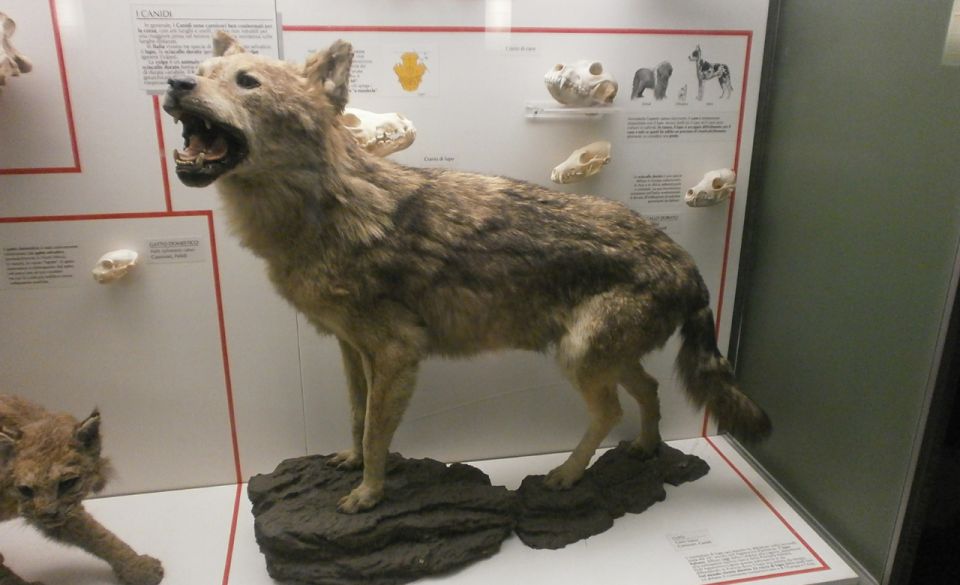
Zoology is where the museum becomes more about living diversity. The audio guide connects exhibits to the variety of life forms on Earth and how they relate to natural history as a whole.
You’ll likely get:
- explanations of different animal types
- context on how life is grouped and understood
- evolutionary themes that connect back to earlier stories
If your brain likes visuals, zoology tends to deliver. And because you’re using an audio guide, you won’t miss the interpretation while you’re focused on the displays.
Practical tip: if you find yourself speeding, slow down for a moment whenever the audio says you’re looking at something that links to evolution or adaptation. Those moments are usually the “point” of the exhibit.
Botany and conservation: the science that links past and present
Botany rounds out the experience by bringing plants into the same storyline. Here, the audio guide’s goal is to connect:
- plant diversity
- natural history beyond animals
- conservation efforts and why they matter
This is also where the museum’s message can feel more relevant to today. Even if you came for fossils, the botany and conservation themes give the visit a stronger finish.
If you care about sustainability or ecology, this ending can be meaningful. If not, it still helps close the loop because it reminds you that natural history isn’t only about what’s extinct—it’s about what’s alive now and what we need to protect.
Museum building + the Public Gardens setting: a small detail with big payoff

Don’t skip the atmosphere of the place. This museum lives in Indro Montanelli Gardens, so you’re not trapped inside a box.
Inside, the architectural elegance adds to the sense that this is a serious institution, not a random collection. Outside, the gardens are the built-in reward after you finish your audio points.
If you’re going on a calm day, that setting can make the visit feel extra easy. One positive experience I saw: someone noted how beautiful the museum was and how quiet it felt when they went on a Sunday. You can’t guarantee quietness, but it’s a strong reason to consider weekday mornings or quieter times when you want a lower-noise museum visit.
Audio guide on your smartphone: the steps that prevent headaches
This is where your prep matters.
What you get
- Entry ticket included
- Audio guide included via app on your smartphone
- Languages: English, Italian, French, and German from 15th April
- You can download the audio guide using a QR code on your voucher
When you get it
Your e-ticket is available for download and sent via WhatsApp within 24 hours of your travel date.
What you should bring
- Headphones
- A charged smartphone
If you only remember one thing, make it this: download the audio guide using the QR code on your voucher before arrival. That’s also the best way to avoid the kind of mix-ups that can happen when a link is wrong or sends you somewhere unexpected.
Who this is best for (and who might want a different option)
This experience fits best if you want:
- a self-guided museum visit
- a clear structure (40+ audio points + map)
- multiple language options
- a manageable time commitment (about 2 hours)
You’ll probably enjoy it most if you like listening while looking and you’re comfortable handling your own phone setup.
It might not be ideal if:
- you hate troubleshooting phone apps
- you don’t have headphones
- you strongly prefer a live guide
Also, if German is important, double-check dates since German audio starts 15th April.
Quick FAQ for planning your visit
FAQ
How much does the Milan Natural History Museum entry ticket and audio guide cost?
It costs $12 per person.
How long should I plan for the museum visit?
Plan for about 2 hours.
What languages are available for the audio guide?
The audio guide is available in English, Italian, and French, and German is available starting 15th April.
Where do I go to enter?
Go directly to the Natural History Museum at Indro Montanelli Gardens, Corso Venezia 55.
Do I need my own headphones?
Yes. Headphones are not included, so bring your own.
How do I get the e-ticket and the audio guide on my phone?
An e-ticket is available for download and sent via WhatsApp within 24 hours of your travel date. Use the QR code on your voucher to download the audio guide before you arrive.
Is it wheelchair accessible and can I cancel?
It is wheelchair accessible. You can cancel up to 24 hours in advance for a full refund.
Should you book this Milan Natural History Museum audio ticket?
Yes, if you want a museum visit that’s structured but still flexible. The 40+ audio points, the digital map, and the fact that you’re paying for both entry + interpretation makes it a practical choice for your time in Milan.
Book it especially if:
- you like self-guided travel
- you’re visiting with friends or family who don’t all want the same pace
- you want an experience that works in multiple languages
Skip it (or at least prepare differently) if:
- you’re traveling with no headphones
- your phone battery is usually unreliable
- you prefer a live guide rather than audio navigation
If you show up with a charged phone and use the voucher QR code to get the right audio guide, you’ll get a smooth, museum-filled couple of hours—complete with stories that connect fossils, minerals, animals, plants, and conservation into one continuous walk through natural history.