REVIEW · MILAN
Milan : Historic Private Walking Tour
Book on GetYourGuide →Operated by Guydeez Tours · Bookable on GetYourGuide
Two hours is enough for a sharp Milan snapshot. This private tour packs modern design and old-school landmarks into one easy loop, starting at Piazza Gae Aulenti and bouncing through places like Pinacoteca Ambrosiana, Bosco Verticale, and Porta Garibaldi. I love how the guide steers the walk toward what you care about, like when Davide explained details clearly or when Daniela adjusted the route around what we’d already seen. I also love the kind of practical local advice you don’t get from a standard audio guide, from where to grab an espresso to how Milanese routines work. One possible drawback: if you’re hunting for deep architecture talk the whole time, the experience can feel more like a friendly stroll than a strict history seminar, depending on the guide.
At $41 per person for 2 hours, it’s a solid way to get your bearings fast and leave with next-step ideas for the rest of your trip. The tour is private, customizable, and offered in English, French, Italian, or Spanish, with wheelchair accessibility included.
In This Review
- Key things that make this Milan private walk work
- Starting at Piazza Gae Aulenti: modern Milan sets the tone
- Pinacoteca Ambrosiana and Brera area art: you see Milan’s brain
- A quick heads-up
- Bosco Verticale and UniCredit Tower: design you can walk around
- Porta Garibaldi and the Gae Aulenti loop: seeing the city connect
- Basilica di San Simpliciano and Santa Maria Incoronata: churches with real character
- Piazza Mercanti, N’Ombra de Vin, and SUPER: the Milan between the monuments
- Piazza del Duomo area: the iconic anchor in your big-picture mental map
- How private, customizable walking tours feel in real life
- A practical tip before you set off
- Local advice you can actually use the same day
- Transportation and pace: walking smart, not slogging
- Price and value: $41 per person makes sense if you use the guide right
- Who this tour suits best (and who should think twice)
- A quick checklist before you book
- Should you book this Milan Historic Private Walking Tour?
- FAQ
- Where does the tour start?
- How long is the Milan Historic Private Walking Tour?
- What is the price?
- Is this tour private?
- Which languages are available?
- What’s included in the tour?
- Are food and drinks included?
- Can I get a refund if I cancel?
- Is the tour wheelchair accessible?
Key things that make this Milan private walk work
- Private and customizable: you’re not sharing your guide with other people, so your interests can drive the route
- Art + architecture mix: Pinacoteca Ambrosiana and the Gallerie d’Italia area sit alongside Bosco Verticale and major business landmarks
- Local knowledge in plain language: guides like Davide and Daniela are praised for clear explanations and tailoring
- Design-forward stops: Bosco Verticale and the UniCredit Tower side of Milan show the city’s modern ambition
- Everyday Milan moments: N’Ombra de Vin and Piazza Mercanti add texture beyond monuments
Starting at Piazza Gae Aulenti: modern Milan sets the tone
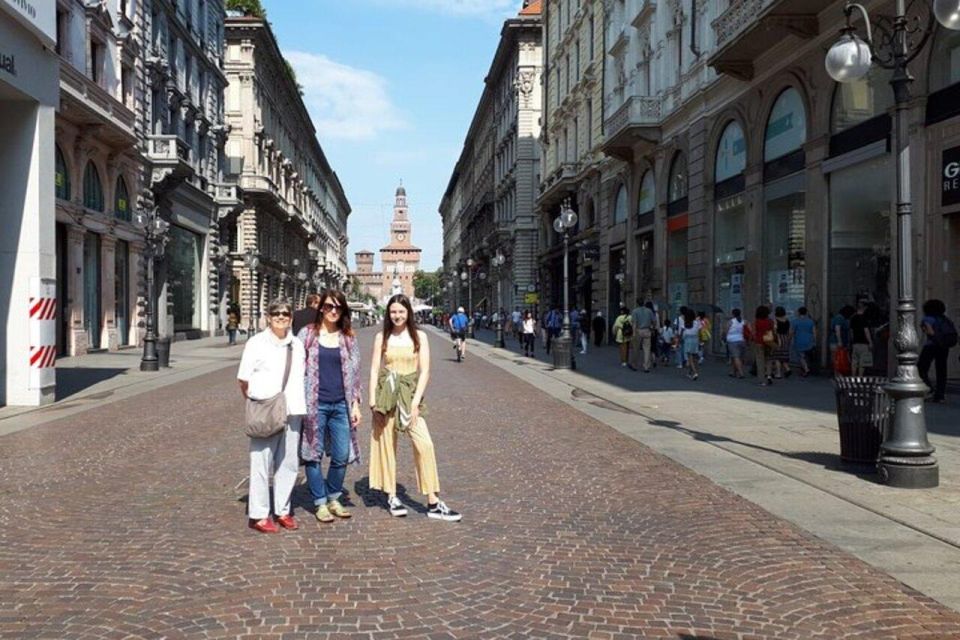
Most Milan tours start with the obvious classics. This one begins in a newer part of town, at Piazza Gae Aulenti (8), where the skyline already feels like the city’s “future chapter.” It’s a smart opening because it frames what you’ll keep noticing later: Milan constantly mixes old stone with sharp contemporary lines.
From there, your guide steers you through key areas at a pace that fits a 2-hour window. If you’re spending only a day or two in Milan, this start helps you understand how the different neighborhoods connect.
You can also read our reviews of more walking tours in Milan


Pinacoteca Ambrosiana and Brera area art: you see Milan’s brain
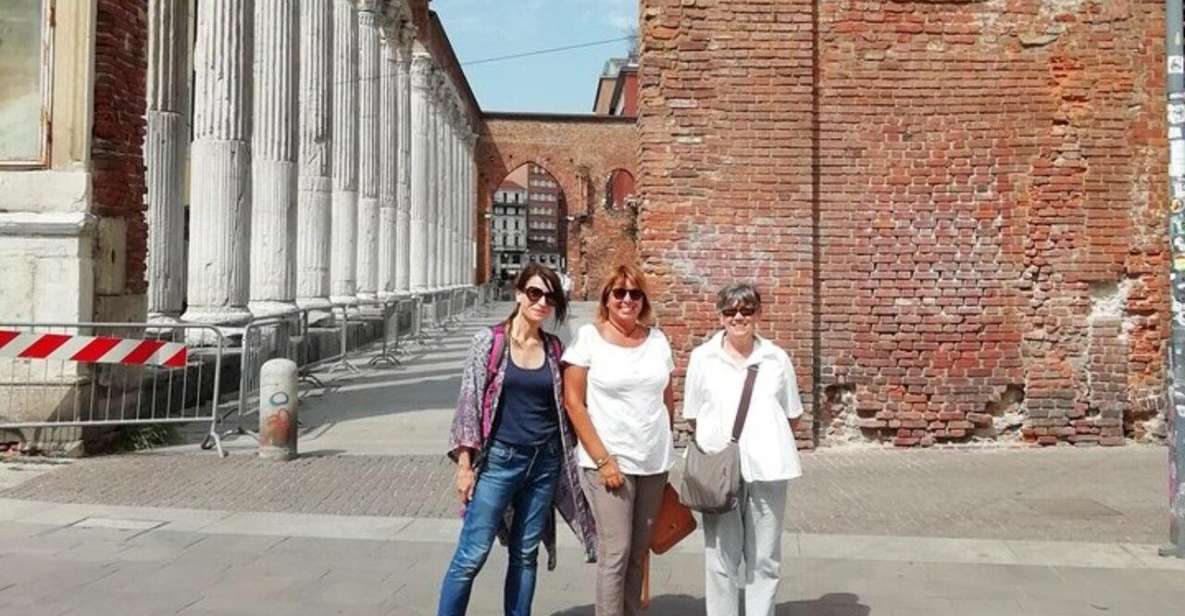
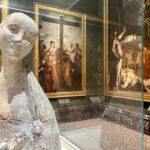
The tour includes a guided visit at Pinacoteca Ambrosiana, a central stop if you want art that’s grounded in Milan rather than imported from elsewhere. Even with limited time, a guided walkthrough here can help you spot what matters, instead of getting lost in the rooms.
This is also a good stop if you’re the type who likes “why this place, why now?” In that short stretch, your guide can connect art to the city’s identity, and it sets up the rest of the walk because you’ll start noticing how architecture and design show the same sort of thinking.
You’ll also pass by or connect to the Pinacoteca Ambrosiana / Gallerie d’Italia orbit, so you get more than one museum-style stop without turning the day into a full museum marathon. That balance is the main value for a short private tour.
A quick heads-up
This experience includes ticket help, but it’s still worth checking how long you personally want inside each art stop. With only 2 hours, your guide may need to keep a tight rhythm.
Bosco Verticale and UniCredit Tower: design you can walk around
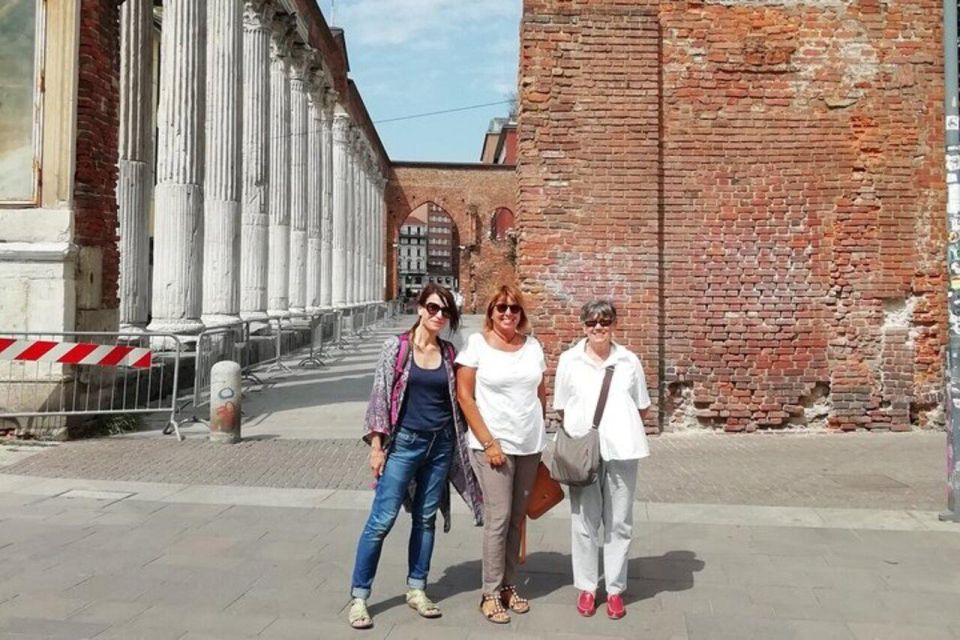
If you’ve seen photos of Bosco Verticale, you know it’s striking. On foot, it’s even better. Those residential towers are covered with hundreds of trees across terraces, and your guide can point out what you’re actually looking at—how the building turns green space into part of everyday life.
From there, you move into the more corporate skyline world around UniCredit Tower. This isn’t just a photo stop. Milan’s modern centers can feel like a different city until you learn the context. With an informed guide, the modern buildings become easier to read: who uses these spaces, what they signal, and why this area matters.
It’s a strong pairing: Bosco Verticale shows “life,” while UniCredit Tower shows “power and business.” Put together, they explain Milan’s modern personality in a way you’ll remember later.
Porta Garibaldi and the Gae Aulenti loop: seeing the city connect
Once you shift back toward Porta Garibaldi, you’re moving along one of the city’s main bridges between present-day Milan and its older roots. The name alone hints at the city’s story, but the experience comes from walking the space and watching how your surroundings change.
Your tour also includes time back around Piazza Gae Aulenti, which helps you avoid the classic problem of short tours: starting in one place, ending in a place you don’t know, and wasting the last 20 minutes mentally lost.
This “loop” design is practical. Even if you don’t memorize every street, you’ll understand where things are relative to your hotel and your next plans.
You can also read our reviews of more private tours in Milan

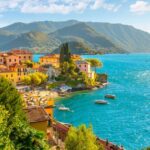

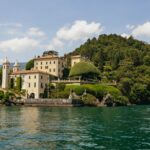

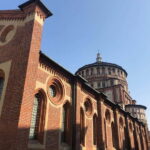
Basilica di San Simpliciano and Santa Maria Incoronata: churches with real character
Milan’s churches can feel either over-famous or oddly specific, depending on how you approach them. This route includes Basilica di San Simpliciano, so you get a chance to slow down and focus on the architecture rather than speed through it.
Later, you reach Chiesa di Santa Maria Incoronata. That stop gives you another look at how Milan layers meaning onto buildings—religion, art, and local identity all stacked together.
What makes these church stops worth it on a walking tour is that the guide can connect what you’re seeing to why it exists in this city. In the best versions of this tour, that explanation is clear and direct—exactly what people praise when they say the guide answered detailed questions and kept the walk interesting for different ages.
Piazza Mercanti, N’Ombra de Vin, and SUPER: the Milan between the monuments
Not every Milan highlight needs to be dramatic marble. This tour also touches places that show how people actually move through the city.
You’ll pass Piazza Mercanti, which helps you understand Milan’s civic side. It’s the kind of square where it’s easy to imagine old life, even while modern streets keep working around you.
You’ll also stop around N’Ombra de Vin, a spot tied to local evening culture. It’s not included for food or drinks, but it’s included because it’s part of the city’s rhythm. Seeing those areas with a guide helps you learn what’s worth your time later, and what’s just a convenient meeting point.
Finally, SUPER Milano appears on the route. That’s another clue that the tour isn’t only about old stones and famous names; it also points toward how Milan stages culture today. For a short tour, that kind of mix is a win.
Piazza del Duomo area: the iconic anchor in your big-picture mental map
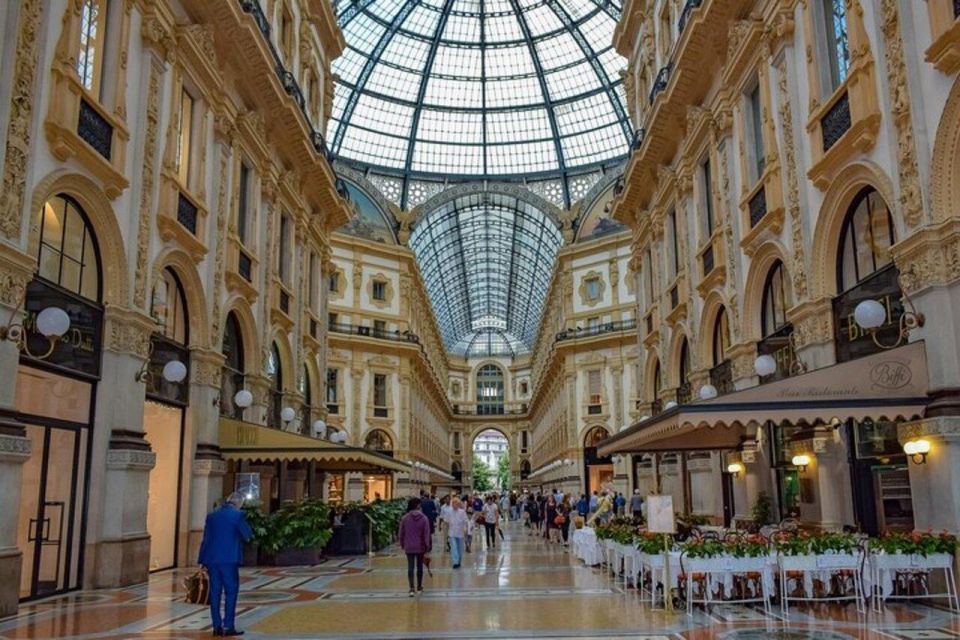
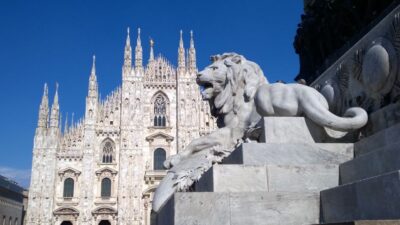
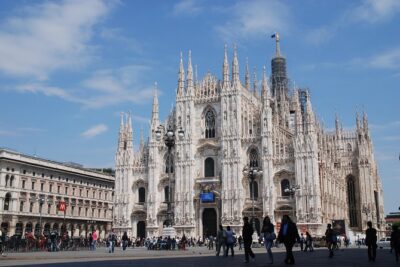
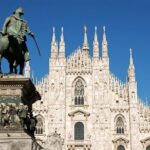
You also get the classic Milan icon zone in the mix, including the Piazza del Duomo area. Even if you’re not spending hours inside, having that visual anchor matters. It helps you build a mental map right away, which makes the rest of your day smoother—especially when you’re deciding what to do next.
If Duomo is your main reason for visiting Milan, this tour works well as a first orientation. You get the sense of scale and the surrounding energy without committing your whole limited time to one monument.
How private, customizable walking tours feel in real life
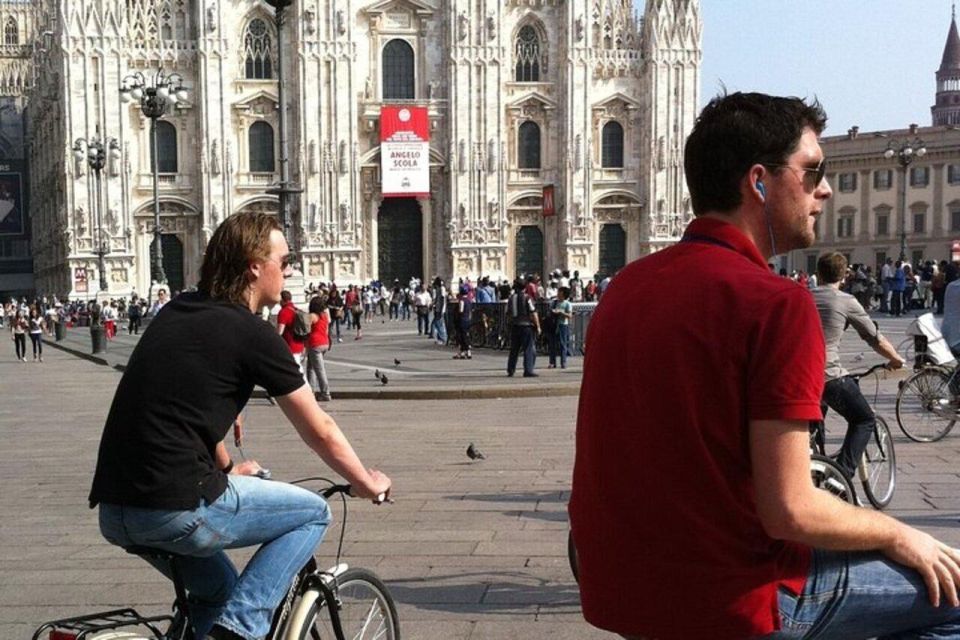
The “private and customizable” part is not just marketing fluff here. In practice, it means your guide can adjust based on what you’ve already seen and what you want next.
This is where guides like Daniela get special credit: the walk adapts to your preferences and to what you’ve already covered before. That reduces the chance you’ll repeat things you didn’t need.
It also helps with the pacing. At 2 hours, you want stops that matter to you. If art is your priority, you can lean toward the museum side. If architecture is your priority, you can ask for more focus around towers and churches. If you want local culture, ask about the areas around N’Ombra de Vin and what’s good for evenings.
A practical tip before you set off
Ask your guide a simple question at the start, like what Milan detail you should look for next when you’re on your own. The best tours give you that “future lens,” so the city keeps teaching you after the walk ends.
Local advice you can actually use the same day
One of the best parts of this tour is the real-world tips—small, concrete, and often oddly specific.
For example, a guide shared that you can find a good espresso place connected to Armani, and they even mentioned how cappuccino timing is treated like a social rule in Milan: it’s considered fine at breakfast, but using it at other times can feel off. The exact spot may not be your style, but the broader value is the same: you learn the local logic behind daily habits.
That’s the type of advice that saves time. Instead of guessing which café is touristy, you get a quick filter from someone who lives here.
Transportation and pace: walking smart, not slogging
This tour includes walking and also public transport (unless you select a different option). That matters because Milan can be deceptively draining if you try to do too much on foot in one day.
Public transport also helps you cover ground without feeling like you’re constantly stopping. If you tend to tire out after a couple hours of walking, this blend can keep the experience enjoyable instead of exhausting.
The route stays within a 2-hour slot, so expect a focused pace. You’ll likely have enough time to see and understand each stop, but you probably won’t have long, wander-around freedom unless you ask your guide to adjust priorities.
Price and value: $41 per person makes sense if you use the guide right
At $41 per person, the cost is reasonable for a short, private, guided experience—especially because you’re getting more than just directions. You’re buying interpretation: why the buildings look the way they do, why those landmarks matter, and what to do next when you finish.
Private tours can be pricey in many cities. Here, the math works better because the duration is tight and the guide’s time is concentrated on key highlights across modern and historic Milan.
The value increases further if:
- you’re traveling with someone who likes asking questions
- you care about architecture and want context, not only photos
- you want a short list of “go here next” ideas
Who this tour suits best (and who should think twice)
This tour is a strong fit if you want:
- a first look at Milan that balances modern and historic landmarks
- a guide to help you connect art, architecture, and street life
- a private format where you can steer the focus
It may be less satisfying if you want a very strict, lecture-style deep dive into architecture with lots of building-level detail at every stop. One disappointing example in the feedback described the walk as more of a stroll than a structured historic/architectural tour. That doesn’t mean the tour is always like that—it’s a caution to match your expectations to the guide and to ask for the focus you want right away.
A quick checklist before you book
You’ll likely enjoy this more if you:
- tell the guide what you want most: architecture, art, or local culture
- bring comfortable shoes for a walking-heavy couple of hours
- plan to use the advice immediately after the tour for food and sightseeing next steps
- confirm your preferred language so the explanations hit the right tone
And since drinks and food aren’t included, it’s smart to have a light plan for a post-tour snack or gelato nearby.
Should you book this Milan Historic Private Walking Tour?
Yes, if you want a fast, guided orientation that connects Milan’s big-name landmarks with the stuff that makes the city feel lived-in. Starting at Piazza Gae Aulenti and moving through places like Bosco Verticale, Pinacoteca Ambrosiana, Porta Garibaldi, and church stops gives you a rounded picture in only 2 hours.
Book it with confidence if you value a guide who can explain clearly and adapt on the fly. I’d skip it only if your main goal is a very technical, relentlessly architectural tour where every minute must be heavy on building history—because the experience can drift toward a friend-with-local-insider knowledge style depending on the guide and your preferences.
FAQ
Where does the tour start?
The tour starts at Piazza Gae Aulenti, 8 and returns back to the same location.
How long is the Milan Historic Private Walking Tour?
It lasts 2 hours.
What is the price?
The price is $41 per person.
Is this tour private?
Yes. It’s described as a private and exclusive tour, meaning there won’t be anyone else in your group.
Which languages are available?
The live guide is available in English, French, Italian, and Spanish.
What’s included in the tour?
You get a private tour, customization, and a walking tour plus public transport (unless you select an option that changes that). The provider also offers help to book tickets for the visits you want.
Are food and drinks included?
No. Drinks or food aren’t included.
Can I get a refund if I cancel?
Yes. The tour offers free cancellation up to 24 hours in advance for a full refund.
Is the tour wheelchair accessible?
Yes, the tour is listed as wheelchair accessible.