REVIEW · MILAN
Walking Food Tour of Milan with Tastings
Book on Viator →Operated by Walking Palates · Bookable on Viator
Milan tastes better when you walk. This 3-hour food-and-wine stroll turns a few famous landmarks into a practical guide to Milanese eating, not just sightseeing. I love the progressive tastings and I love how the guide connects food to what you’re seeing as you move through the city. One thing to consider: you’ll be walking steadily for about half a day, and the tastings add up fast.
Small group size helps here, too. With a max of 15 travelers, you’re not stuck trailing a big crowd, and it’s easier to ask questions about what you’re eating (and why Milan does it differently than the rest of Italy). Guides who have led groups like Francesca and Agnes are especially praised for mixing food talk with street-level history.
My only caution is pacing and appetite. Plan for real portions across the stops, and come with a light lunch (or just an empty stomach) if you want to enjoy everything without feeling stuffed before dessert.
In This Review
- Key things I’d put on your radar
- Why This Milan Walking Food Tour Works (3 Hours, Max 15)
- The main decision point: do you want guided eating?
- Meeting at the Colonne di San Lorenzo: Roman Atmosphere First
- What I like about starting here
- San Lorenzo Maggiore Mosaics: When Architecture Explains the Appetite
- Why this stop is more than a photo break
- Constantine’s Statue to Piazza Vetra: Roman-Era Meaning, Canal Memory
- The benefit of a breather stop
- Piazza di Sant’Eustorgio and the Three Magi Connection
- Food-wise, why a religious landmark matters
- Arco di Porta Ticinese to Navigli: The Gate That Leads to Dinner Energy
- What to do with your new dinner instincts
- What You’ll Eat and Drink: Risotto, Pasta, Cheese, and More
- Wine tastings: included, but keep it sensible
- How the Tour’s Pace Keeps Tastings Enjoyable
- A small-group tip that actually helps
- Price and Value: Is $141 Reasonable for Milan?
- Who Should Book This Food Tour in Milan?
- Dietary requirements: tell them early
- Should You Book This Walking Food Tour of Milan?
- FAQ
- How long is the Walking Food Tour of Milan?
- Where does the tour start, and where does it end?
- What food and drink are included?
- Are there admission tickets during the tour?
- Can children or minors participate?
- What is the cancellation policy?
Key things I’d put on your radar
- Small group max 15: easier conversation and a calmer walk.
- Food + wine tastings: a full intro to Milanese/Lombardy flavors, not just nibbles.
- Landmark-to-food flow: Roman columns, mosaics, canal memory, and a city gate all feed the story.
- A real guide, not a script: people highlight guides like Marie Christina, Francesca, and Agnes for strong explanations.
- One extra admission might cost: the Basilica of San Lorenzo Maggiore is listed as not included.
- All-weather planning: it runs in all weather conditions, so dress for walking.
Why This Milan Walking Food Tour Works (3 Hours, Max 15)
This tour is priced at $141 for about 3 hours of walking with a professional local guide and multiple tastings. For Milan, that’s a solid chunk of time to go from “I’ve heard of risotto” to actually understanding what makes it Milanese.
The max group size of 15 travelers changes the experience. You can keep up without playing leapfrog, and the guide can adjust the pace and answer food questions without the whole group getting slowed down.
You can also read our reviews of more walking tours in Milan
The main decision point: do you want guided eating?
If you’re the type who likes to eat while learning—why a dish exists, where ingredients come from, what locals mean by comfort food—this format fits well. If you’d rather roam alone and pick restaurants at random, you might feel boxed in by the set stops and tasting schedule.
Meeting at the Colonne di San Lorenzo: Roman Atmosphere First
You start at the Colonne di San Lorenzo, a famous row of ancient Roman columns near the Basilica of San Lorenzo. It’s also a lively meeting spot, so it’s a good way to get your bearings fast in the area.
This stop includes an admission ticket, which matters because it signals the tour isn’t just passing by sights from the sidewalk. You’ll have a chance to step closer and appreciate the Roman scale before food talk starts.
What I like about starting here
You immediately get that Milan is layered: Roman roots, Christian heritage, and later architectural styles all on the same map. That theme keeps showing up when the tastings come, because Milanese cuisine is built the same way—old traditions mixed with newer ideas.
San Lorenzo Maggiore Mosaics: When Architecture Explains the Appetite
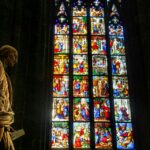
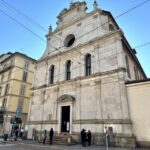
Next you head to Basilica San Lorenzo Maggiore, one of Milan’s oldest churches. Expect a mix of Roman and Renaissance architecture, plus mosaics that make the inside worth the time.
Here’s the practical catch: admission is not included for this stop. If you want to go inside during the tour window, you may pay extra, and it can add a little waiting time depending on access and crowds.
You can also read our reviews of more food & drink experiences in Milan

Why this stop is more than a photo break
This is where the tour’s value shows up for food lovers. Milan’s history affects ingredients, cooking styles, and even the rhythm of daily life—so the guide’s story helps you taste with context, not just with hunger.
Constantine’s Statue to Piazza Vetra: Roman-Era Meaning, Canal Memory
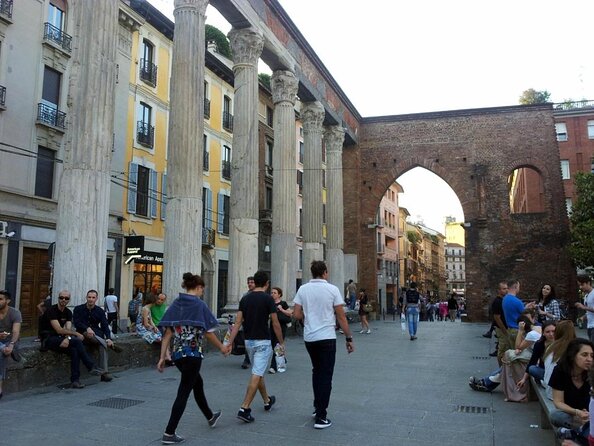
You’ll pause at the Statue of Constantine, which honors Emperor Constantine and his edict of Milan—an event tied to the end of Christian persecution. It’s a quick stop, but the symbolism lands because it connects Milan’s identity to early Christian history.
From there you move to Piazza Vetra, a tranquil park that once belonged to Milan’s ancient canal system. Even without seeing a canal in full operation, the park setting gives you a calmer break in the walk, and the guide’s talk helps you picture how water shaped the city.
The benefit of a breather stop
Half-day walks in city centers can feel relentless. Piazza Vetra gives you a small reset—enough to regroup, refill water, and keep energy for the later tastings.
Piazza di Sant’Eustorgio and the Three Magi Connection
At Piazza di Sant’Eustorgio, you’ll find the Basilica of Sant’Eustorgio, known for its link to the Three Magi. The setting is peaceful, which makes it a good moment to slow down and absorb the mood shift from busier streets.
This stop is free (no admission listed), so it’s a low-friction way to keep moving while still getting something meaningful. It also helps the tour feel like a guided walk through real neighborhoods, not just a checklist.
Food-wise, why a religious landmark matters
It might sound odd, but places tied to major faith stories often shaped community life and gathering points. Milanese eating habits were never invented in a vacuum, and the guide’s connections help you see how food, people, and place meet.
Arco di Porta Ticinese to Navigli: The Gate That Leads to Dinner Energy
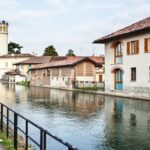
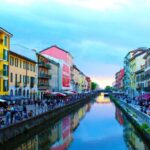
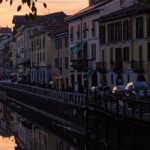
Your walk closes at the Arco di Porta Ticinese, a neoclassical arch marking one of Milan’s historic city gates. This spot matters because it functions like a doorway into the Navigli district, an area known for its lively atmosphere and old-school Milan street energy.
It’s also a smart “wrap-up” location. You end back at the starting area, so the walk feels like a loop that builds from Roman roots toward modern day rhythms.
What to do with your new dinner instincts
A good food tour should leave you with choices for what’s next. Many guides are willing to point you toward where to eat after the tour, so you can use what you learned about Milanese flavors to make a better restaurant pick.
What You’ll Eat and Drink: Risotto, Pasta, Cheese, and More
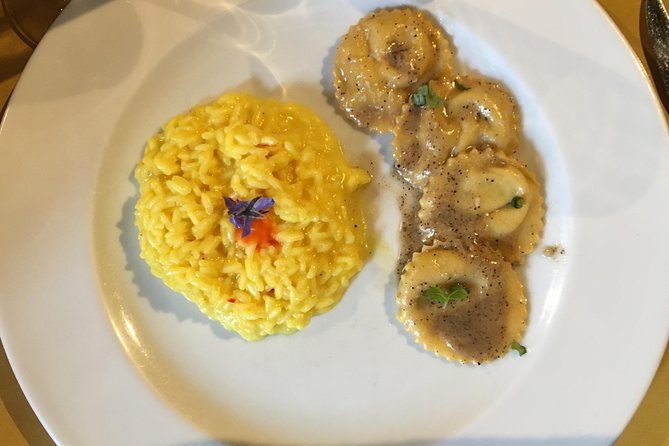
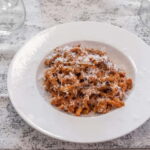
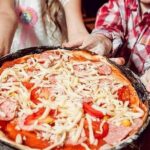
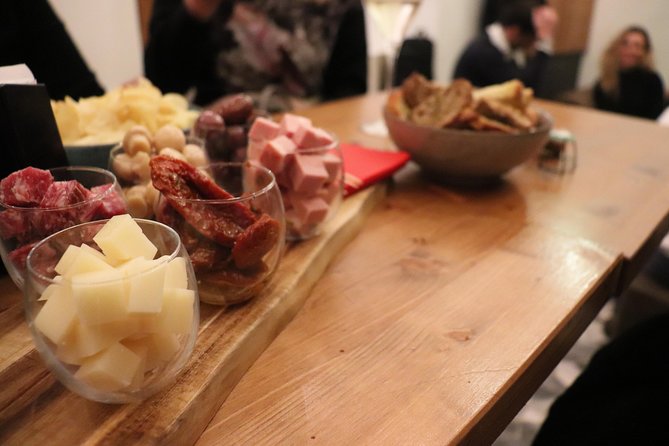
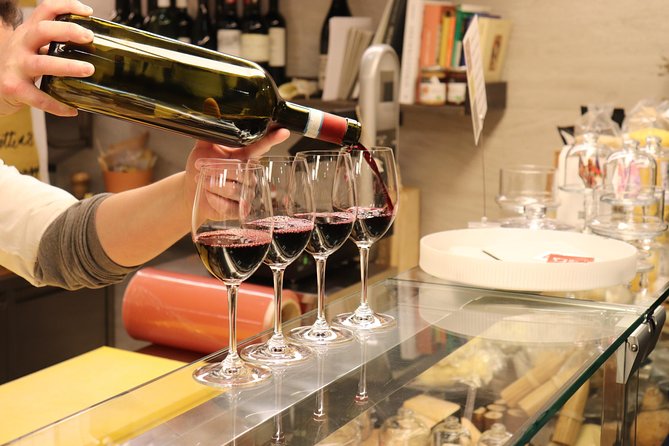
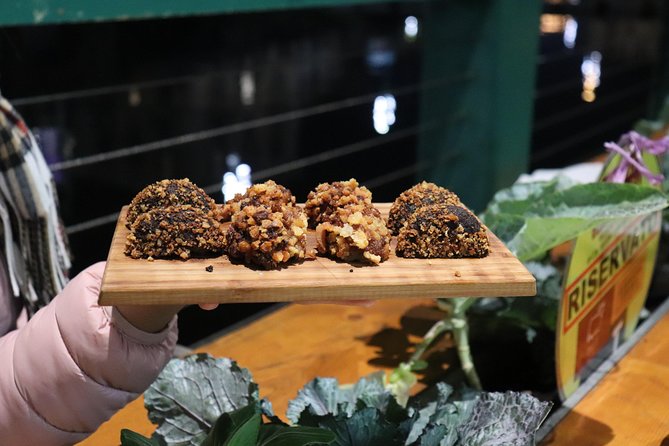
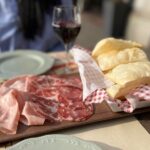
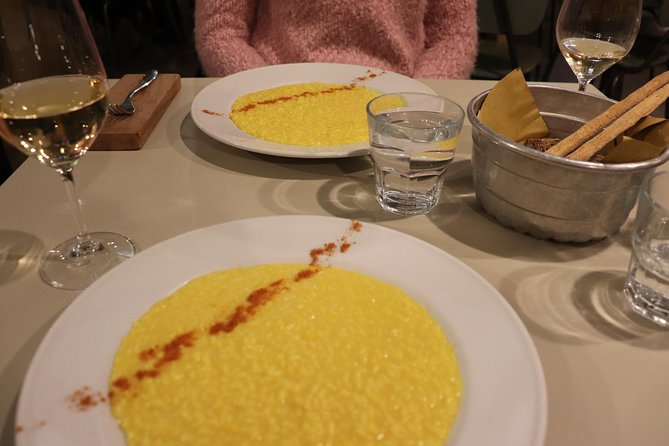
The core of this experience is the tasting lineup: risotto alla Milanese, fresh pasta, local wines, cheeses, and additional Milan/Lombardy food along the way. You’re not just sampling a single dish and calling it a day.
This is the sweet spot for visitors who want to understand Milanese cuisine without needing a private chef. Risotto alla Milanese, for example, is iconic for a reason, but the guide’s explanations help you see what makes it distinct from other rice dishes you might have elsewhere in Italy.
Wine tastings: included, but keep it sensible
Wine tastings are included, and the tour also notes the minimum drinking age is 18. That means if anyone in your group is under 18, they should plan around the fact that wine won’t be part of their tasting experience.
I also recommend going into the tour with a practical mindset: take sips, taste with attention, and leave yourself enough room to enjoy dessert at the end.
How the Tour’s Pace Keeps Tastings Enjoyable
This is a walking tour built around a half-day rhythm: several landmark stops, short pauses, and tastings attached to the experience. With a three-hour duration, you should expect frequent movement and steady time pressure—especially at popular sights nearby.
That’s why the tour structure matters: it spreads food across the walk so you don’t face one giant meal right away. A few groups have described the tastings as substantial, which is exactly what you want if your goal is to skip the guesswork of finding dinner on arrival day.
A small-group tip that actually helps
Ask questions as you go. If you’re curious about what makes a cheese local, or why a pasta shape is used, the guide can tailor answers to what you’re tasting in real time.
Price and Value: Is $141 Reasonable for Milan?
At $141, this isn’t a budget snack crawl, but it also isn’t a luxury private tour. You’re paying for three things you can’t easily buy separately without planning: a guide who connects food to the city, multiple tastings, and organized wine tasting time.
Here’s how I’d judge value for myself:
- If you plan to eat a real dinner anyway, the tastings can replace part of that meal cost.
- If you care about context, the historical framing is part of what you’re buying, not just food samples.
- If you’re counting admissions, remember San Lorenzo Maggiore admission is not included, while the Roman columns stop includes a ticket. That one detail can shift the final “all-in” cost a bit.
Bottom line: the price makes sense if you want a guided education through Milanese flavors, not just a place to sit and eat.
Who Should Book This Food Tour in Milan?
This tour is best for first-timers who want a fast introduction to Milanese tastes and neighborhoods. It’s also a good fit if you’re traveling with someone who enjoys food but wants a structure that keeps things moving.
It may be less ideal if you dislike walking, hate group pacing, or prefer to choose your own restaurants without any schedule. Since it operates in all weather conditions, it’s also worth bringing the right shoes and outer layer so you’re not miserable when the weather changes.
Dietary requirements: tell them early
The tour asks you to advise any specific dietary requirements at the time of booking. If you’re vegetarian, have allergies, or follow a specific diet, do it as soon as possible so the guide and partner venues can plan tastings that match your needs.
Should You Book This Walking Food Tour of Milan?
If you want a memorable first taste of Milan—risotto alla Milanese, fresh pasta, cheese, and local wines—while learning why the city eats the way it does, I think this is a smart booking. The small group size (max 15) and the strong guide reputation matter here, because it turns food stops into a story you can carry into your next meal.
Book it if:
- You’re in Milan for a short stay and want a concentrated experience.
- You like walking tours that connect sights to food culture.
- You’re ready to eat and drink enough to feel like you had a real meal.
Skip it if:
- You want total freedom with restaurants.
- You’re not comfortable with steady walking for about three hours.
- You’d rather build your own food list without a scheduled tasting flow.
FAQ
How long is the Walking Food Tour of Milan?
The tour lasts about 3 hours.
Where does the tour start, and where does it end?
It starts at Colonne di San Lorenzo on Corso di Porta Ticinese, 20123 Milano MI, Italy, and it ends back at the meeting point.
What food and drink are included?
The tour includes a professional local guide, food tastings, and wine tastings.
Are there admission tickets during the tour?
Colonne di San Lorenzo includes an admission ticket. Basilica San Lorenzo Maggiore has admission not included.
Can children or minors participate?
Children must be accompanied by an adult, and the minimum drinking age is 18 years.
What is the cancellation policy?
You can cancel for a full refund if you cancel at least 24 hours in advance. If you cancel less than 24 hours before the experience, you won’t receive a refund. The provider may also offer a different date or a full refund if the tour is canceled due to poor weather or if a minimum number of travelers isn’t met.