REVIEW · MILAN
Milan: Guided Walking Tour with Last Supper Skip-the-Line
Book on GetYourGuide →Operated by VEDITALIA · Bookable on GetYourGuide
A fresco ticket in a timed world changes everything. This Last Supper guided visit plus a 3-hour medieval-to-Renaissance walk gives you Milan’s top hits in one tight loop, with skip-the-line handling done for you. One practical catch: your Last Supper entry might land at the start or the end of the tour, depending on the timed slot you’re given.
What I like most is how the walk doesn’t just list sights. You’re guided through meaning: why spaces feel a certain way, how power shaped the city, and where Milan’s most famous landmarks connect to everyday life. You get a licensed guide, plus headsets so you can actually hear the story while you’re moving.
In This Review
- Key things that make this Milan tour work
- First stop: Santa Maria delle Grazie and the timed Last Supper entry
- Next chapter: walking from the fresco to Sforza Castle’s medieval reign
- Piazza dei Mercanti: a hidden square that helps you read Milan’s geometry
- Piazza della Scala and Milan’s most stylish streets
- The Galleria Vittorio Emanuele II: glass-vaulted shopping and a social meeting place
- Duomo exterior stop: using the skyline to orient your whole day
- How the pacing works in a 3-hour loop (and what you should skip mentally)
- Price and value: paying $106 for access, context, and time saved
- Who should book (and who might want a different plan)
- Should you book the Last Supper + medieval Milan walking tour?
- FAQ
- Where does the tour meet?
- How long is the tour?
- What’s included with the ticket for The Last Supper?
- Is The Last Supper entry truly skip-the-line?
- When will I see The Last Supper during the tour?
- What language is the tour guide?
- Which Milan landmarks will the walking part cover?
- Is this tour good for people who only have a short time in Milan?
- What’s the price?
- Can I cancel for a refund?
- Is the tour wheelchair accessible?
Key things that make this Milan tour work
- Timed access to The Last Supper so you don’t fight the hardest ticket in town on arrival
- Sforza Castle as the medieval power base, not just a photo stop
- Piazza dei Mercanti for a quieter square and a lesson on Bramante’s space illusion
- La Scala area + Galleria Vittorio Emanuele II for the dramatic shift from art to 19th-century city life
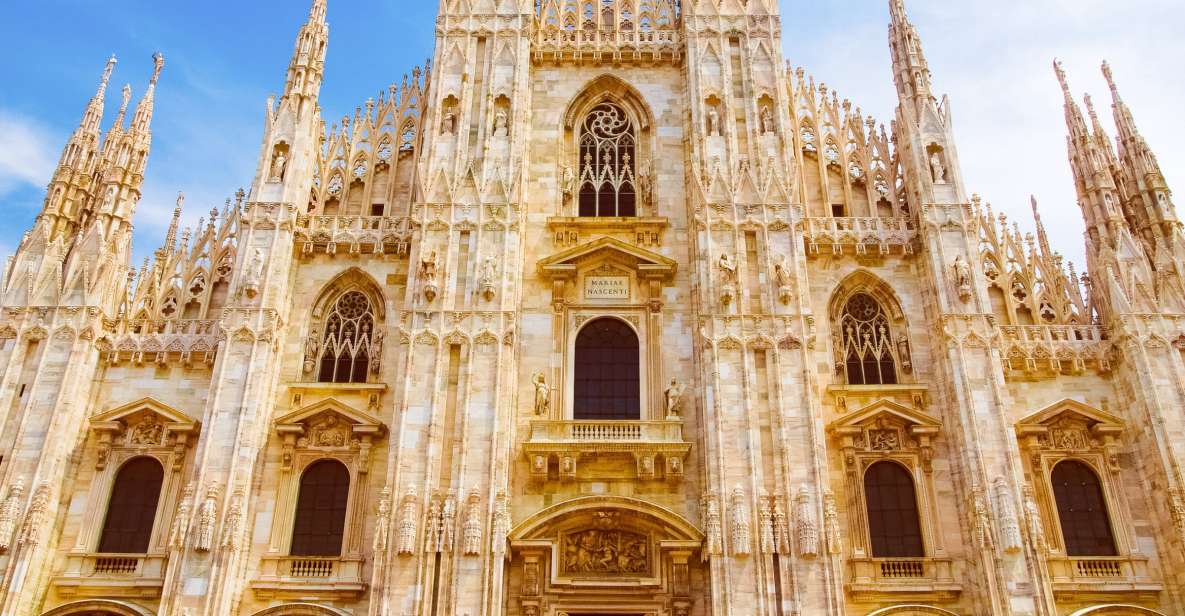
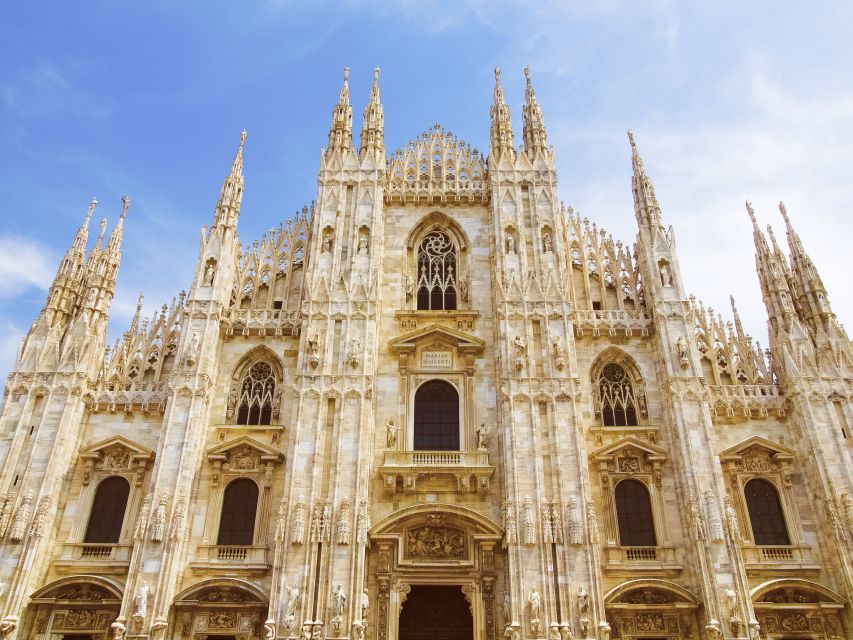
- Duomo views that help you understand the cathedral’s role in the city center
- Headsets that keep the guide’s explanations clear throughout the walk
First stop: Santa Maria delle Grazie and the timed Last Supper entry
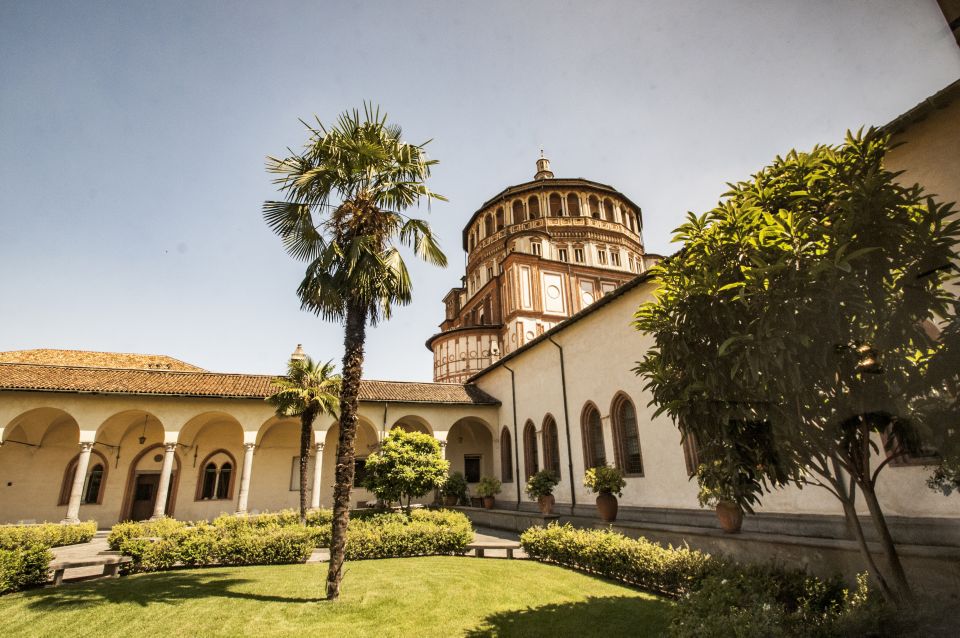
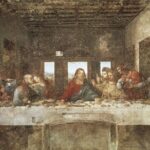
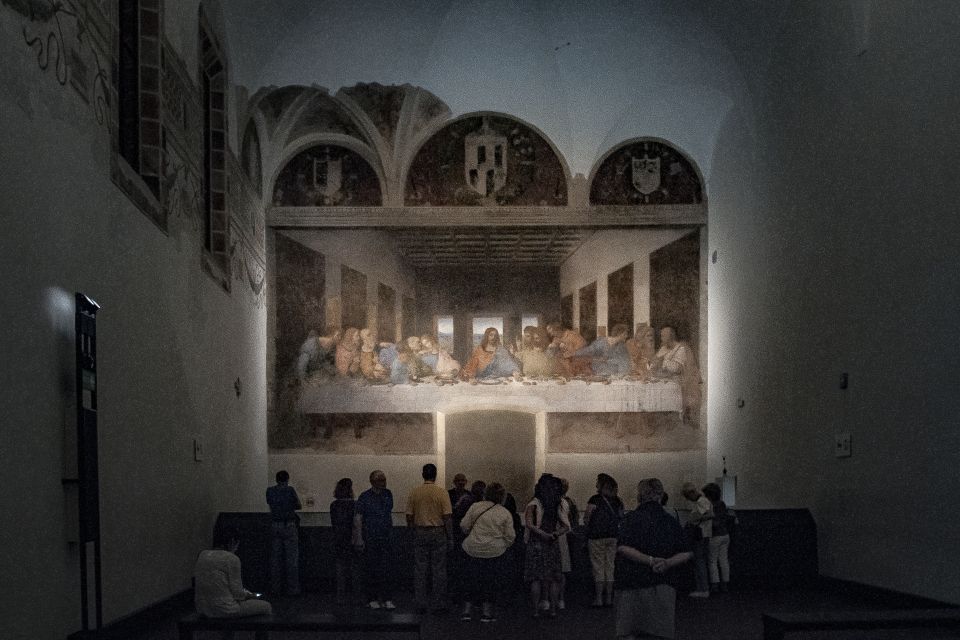
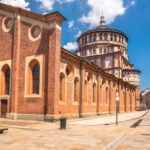
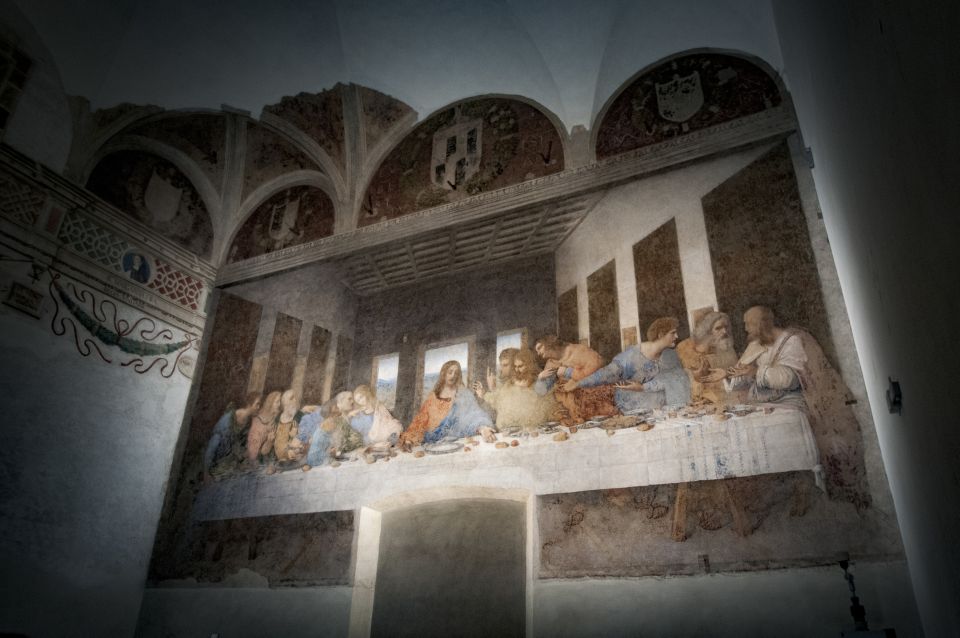
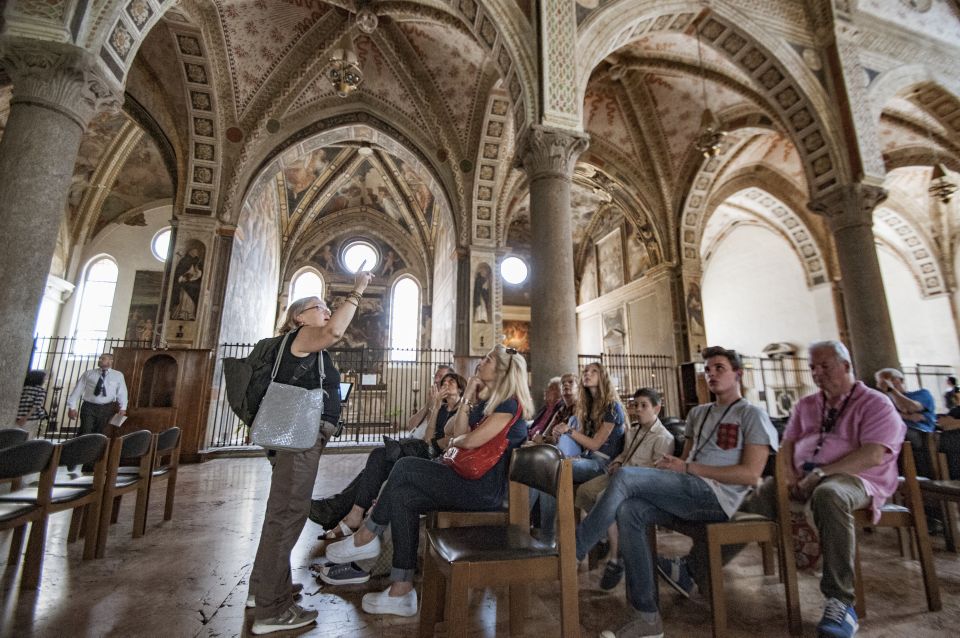
Your tour starts (or ends) at Santa Maria delle Grazie, where Leonardo da Vinci’s The Last Supper is the star. This isn’t a casual museum visit. Entry is tightly scheduled, and admission is strictly limited to pre-booked tickets. That matters because the fresco has a small viewing window by design, not because the venue is being difficult.
The biggest value here is simple: you’re not trying to solve the ticket puzzle by yourself. A guide meets you, keeps the group moving at the right pace, and ensures you’re at the right place for your timed slot. The tour format also means you get the historical framing in real time, which is half the experience with a work like this.
One more detail to plan around: the visit could occur right at the beginning or right at the end of your 3-hour tour. If you’re the type who likes a clean start, aim for a morning slot when possible. If you prefer to end on a high note, choose a time that fits your schedule so you’re not rushing your evening.
You can also read our reviews of more walking tours in Milan
Next chapter: walking from the fresco to Sforza Castle’s medieval reign
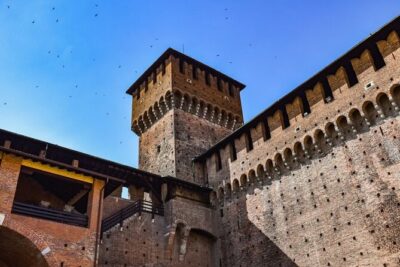
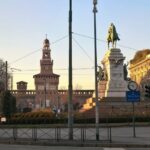
After The Last Supper, the tour moves into the heavy-hitter medieval story with Sforza Castle. This fortress wasn’t built as a backdrop for tourism. It was the residence of the dukes of Milan for centuries, a visible symbol of control and wealth.
What you’ll take away isn’t just the walls. You’ll learn how the castle fits into Milan’s evolution: how political power shaped the city, and how those centuries still show up in the street structure and landmark placement. It’s the kind of context that makes the rest of your walking day feel more connected.
The tour description also notes that the castle today houses museums and important art collections. Even if you’re not going deep into exhibits during the 3-hour window, the point is that you’re standing in the right place to understand why Milan developed the way it did.
Piazza dei Mercanti: a hidden square that helps you read Milan’s geometry
Then comes one of my favorite parts of this route: Piazza dei Mercanti. This square feels like a secret you’re allowed to find, because it’s tucked away from the busiest flow of streets. That’s not just charming—it’s useful. When you’re on foot for the first time in a dense city, quiet pockets help your brain reset. You get a clearer sense of scale.
There’s also a specific design story tied to the space. The tour highlights the Renaissance illusion of depth and space created by Bramante within the medieval heart of the city. In plain terms: you start noticing how architecture can trick your eye, making one view feel larger or more organized than you expect.
This is the kind of stop where your guide’s explanations really matter. Without narration, it can look like another pretty square. With it, you start seeing Milan as a city built by layers of ideas—medieval first, Renaissance corrections later.
Piazza della Scala and Milan’s most stylish streets
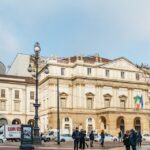
From Piazza dei Mercanti, you head toward Piazza della Scala, where La Scala rises as one of the world’s best-known opera houses. Even if you don’t attend a performance (not everyone does on a short trip), this stop gives you cultural context: La Scala isn’t only a building. It’s a signal that Milan has long treated the arts as part of civic identity.
Right after, you step into a very different mood.
The Galleria Vittorio Emanuele II: glass-vaulted shopping and a social meeting place
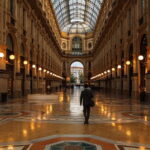
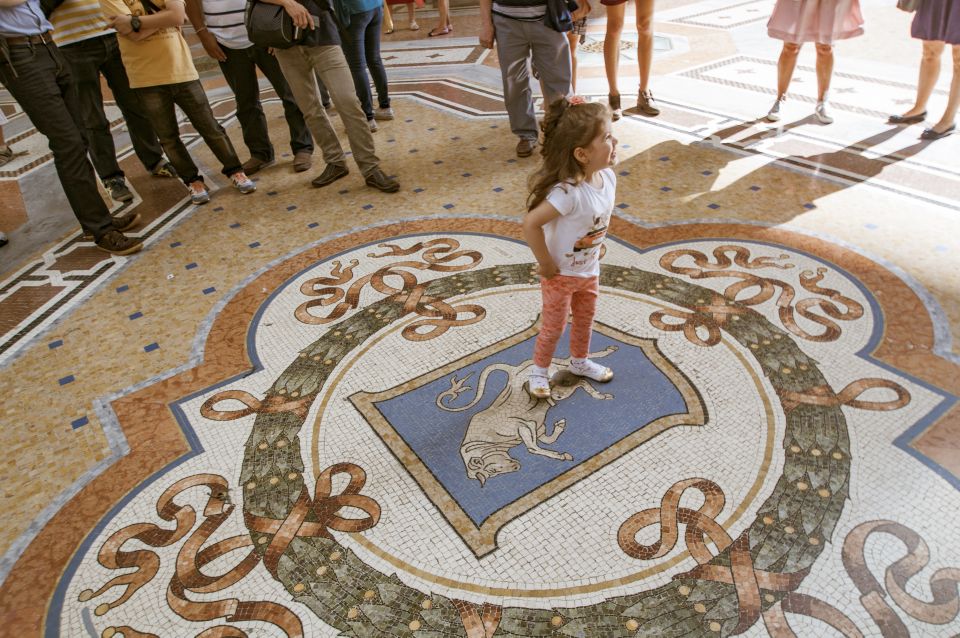
The tour brings you inside the Galleria Vittorio Emanuele II, the famous 19th-century glass-vaulted arcade. It’s the kind of place that works on multiple levels at once. Yes, it’s pretty. But it’s also a historical artifact of how Milan moved, met, and shopped in an era when arcades were high-status public spaces.
The description calls the Galleria the Salotto di Milano, Milan’s drawing room. That’s the key idea. In a city of serious architecture, this place functioned as a social hub—somewhere people showed up, talked, looked around, and stayed in the flow of city life.
If you only know Milan for the big-ticket landmarks, this is a strong balancing act. It reminds you that the city is lived-in, not just admired.
You can also read our reviews of more guided tours in Milan

Duomo exterior stop: using the skyline to orient your whole day
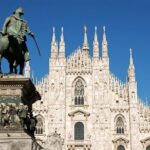
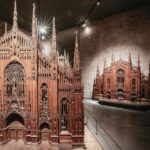
You’ll finish with the Duomo area, with a focus on admiring the cathedral’s exterior. That’s a smart choice for a 3-hour tour. The Duomo façade and surrounding spaces are complex enough that trying to do everything in one go can turn into rushed frustration.
Instead, you get the landmark in context. You see why it sits at the center of the city’s identity, and you learn how to spot it quickly later when you’re wandering on your own. If you want to go farther—inside the cathedral, to specific views, or into nearby areas—this tour gives you the bearings you need.
My practical tip: after you leave, don’t just head to the next checklist item. Pause once, look back at the façade, then walk away. Let the visual imprint settle. It’s the fastest way to make the Duomo feel less like a photo and more like a place.
How the pacing works in a 3-hour loop (and what you should skip mentally)
This tour is short on purpose: 3 hours, a guided walking format, and multiple big stops. That means you’ll get guided highlights, not long museum marathons. The route is designed to “connect the dots” from Leonardo to medieval power to Renaissance city structure and then to Milan’s modern cultural image.
Timing is also something to keep in mind. Because The Last Supper visit can occur at the beginning or the end, you might feel slightly different energy depending on where it lands:
- If it’s first, you’ll spend the rest of the tour translating what you saw into Milan’s broader art and power story.
- If it’s last, you’ll move through the city sights with the fresco as your final reward.
Also, a few reviews mention groups around 10 people and that the guide uses headsets so everyone can hear. That small-group feel helps, because it’s easier to ask a question and get an answer without the guide turning into a lecturer in a crowd.
Price and value: paying $106 for access, context, and time saved
Let’s talk money. At $106 per person, this isn’t the cheapest way to see Milan. The good news is that the price has clear reasons behind it.
You’re paying for:
- A pre-booked ticket to The Last Supper, where access is strictly limited and tightly scheduled
- A licensed guide who connects architecture and art history to what you’re seeing outdoors
- Headsets, which aren’t free, and make the experience far more comfortable and intelligible
- A structured walk to major sites that would take you longer to string together on your own
One review notes the price point felt steep, but the ticket and the guidance made it worth it—especially if you don’t want to spend months planning ticket releases. If you’re on a first trip to Milan or you only have a half day to work with, the value math usually favors booking something like this because it protects your time.
If you’re already an art-history planner who has tickets locked and wants to wander slowly with no schedule, then this might feel like paying for convenience. If you want the big sights handled in a smart sequence, it’s a strong use of money.
Who should book (and who might want a different plan)
This is a great fit if:
- It’s your first time in Milan and you want the headline sites without getting lost
- You care about meaning behind landmarks, not just pictures
- You want to see The Last Supper without spending your trip stressing about ticket windows
- You like guided storytelling while walking, then having time afterward to explore on your own
It may not be the best fit if:
- You need full wheelchair support. The activity information includes both a wheelchair-accessible note and a “not suitable for wheelchair users” warning, so I would treat this as a check-with-the-provider situation rather than assuming it will work smoothly.
- You dislike timed entry. The fresco itself is timed by nature, and your tour slot will follow that system.
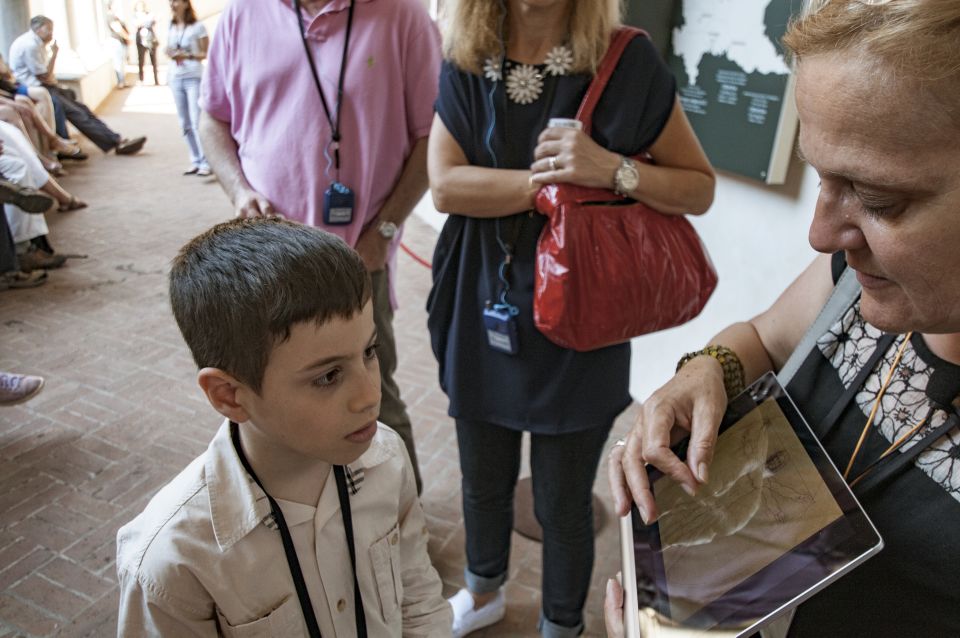
For people traveling with kids, the tour can also be a practical option. One review mentions a 10-year-old staying attentive, which suggests the guide style and pace can work across ages.
Should you book the Last Supper + medieval Milan walking tour?
If The Last Supper is on your must-see list, I think booking this is the easiest way to remove stress. The tour handles the ticket reality, and then it keeps going with a well-shaped walking route: Sforza Castle for medieval power, Piazza dei Mercanti for the Bramante space trick, La Scala for cultural muscle, the Galleria for social Milan, and finally the Duomo area so your day has a strong finish.
Book it if you want a guided framework you can use later while you wander. Skip it if you already have the fresco ticket sorted and you prefer a totally free-form day where you control every hour.
FAQ
Where does the tour meet?
It meets at Duomo Square no. 4, under the arches next to 12 OZ Coffee Joint.
How long is the tour?
The duration is 3 hours.
What’s included with the ticket for The Last Supper?
You get a ticket to see The Last Supper, along with a licensed live tour guide and headsets.
Is The Last Supper entry truly skip-the-line?
Yes. The activity includes skip-the-ticket line and uses pre-booked entry for access to The Last Supper.
When will I see The Last Supper during the tour?
Your visit to The Last Supper will be either at the very beginning or very end, depending on available time slots.
What language is the tour guide?
The live tour guide is English, and the audio guide included is also English.
Which Milan landmarks will the walking part cover?
The walking route includes the medieval center highlights such as Sforza Castle, Piazza dei Mercanti, Piazza della Scala / La Scala exterior area, Galleria Vittorio Emanuele II, and views of the Duomo exterior area.
Is this tour good for people who only have a short time in Milan?
Yes. With 3 hours and multiple major landmarks, it’s designed to help you see key sights efficiently.
What’s the price?
The price is $106 per person.
Can I cancel for a refund?
You can cancel up to 24 hours in advance for a full refund.
Is the tour wheelchair accessible?
The activity information lists wheelchair accessible, but it also states not suitable for wheelchair users. You should confirm suitability with the provider before booking.