REVIEW · MILAN
From Milan: Langhe Wine Region Day Trip with Barolo Tasting
Book on GetYourGuide →Operated by City Wonders Ltd. · Bookable on GetYourGuide
A day in Langhe turns wine into a real place. I like how this trip ties together Barolo country views, real town time in Barolo or Alba, and a guided tasting you can actually understand, not just taste. One thing to plan for: there’s a fair amount of walking, and some stops have little shade.
What I really appreciate is the focused tasting format: a guided, six-glass experience at a winery with an expert in Piedmontese winemaking traditions. For some people, the lack of included lunch can be a drawback if you prefer to go all day without thinking about food.
In This Review
- Key things to know before you go
- Milan to Piedmont: getting started at Porta Garibaldi
- Barolo or Alba: the seasonal switch that drives the whole day
- April to October: Barolo town time
- November to March: Alba for markets and food culture
- The Langhe UNESCO country: why those vineyard views matter
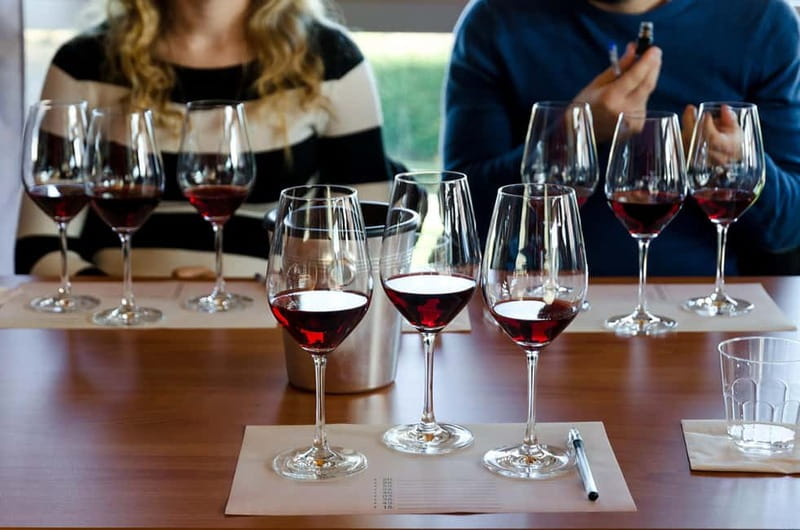
- A guided six-glass Barolo tasting at a family winery
- What the tasting includes
- The guide makes or breaks this part
- How to pace yourself (and taste smarter)
- Barolo and Alba town time: what you can actually do
- Barolo: stroll, browse, and soak up views
- Alba: markets, artisan shops, and truffle-season vibes
- Castello di Grinzane Cavour: your big UNESCO finish
- Coach comfort, walking levels, and how long it really feels
- What to pack so the day stays fun
- Who should book this Langhe day trip
- Value check: why this can be a smart use of your time
- Should you book it?
- FAQ
- FAQ
- Is lunch included on this day trip?
- How long is the tour from Milan?
- Where do I meet the guide in Milan?
- Does the tour include wine tasting?
- Is the guide available in English?
- Will I visit Barolo or Alba?
- Do we stop at Castello di Grinzane Cavour?
- Is hotel pickup included?
- Are there restrictions on bags or strollers?
- Is this tour suitable for wheelchair users?
Key things to know before you go
- Season decides your town: Barolo runs Apr–Oct, Alba runs Nov–Mar
- Six glasses, guided: whites, reds, and the iconic Barolo, with context from an expert
- UNESCO photo stop: Castello di Grinzane Cavour with big vineyard panoramas
- Small-group energy: an experience can feel close-knit, with groups reported around seven
- English guides make it easy: guides like Sara Calabrese and Barbera keep the day clear and organized
Milan to Piedmont: getting started at Porta Garibaldi
This day trip is built for an easy start, which matters when you’re leaving Milan and want your day to feel like a trip, not a project. You meet your guide at Milano Porta Garibaldi Train Station, on the left side just outside the main entrance. Look for Briccocafé, near the stairs, under the covered roof.
If you’re arriving by metro, take the M2 (green line) to Garibaldi and walk to the same spot. If you’re using a taxi, ask for Stazione Garibaldi in front of the station entrance. Either way, arriving a few minutes early is smart, because once everyone’s on the coach, the day starts moving.
From there, you’re on a comfortable round-trip ride with scenic views along the way. The coach part sounds simple, but it’s a real value: you can relax while the countryside shifts into those vine-covered hills that make the Langhe famous.
You can also read our reviews of more food & drink experiences in Milan
Barolo or Alba: the seasonal switch that drives the whole day
The biggest decision point is simple: the tour visits Barolo from April to October and Alba from November to March.
April to October: Barolo town time
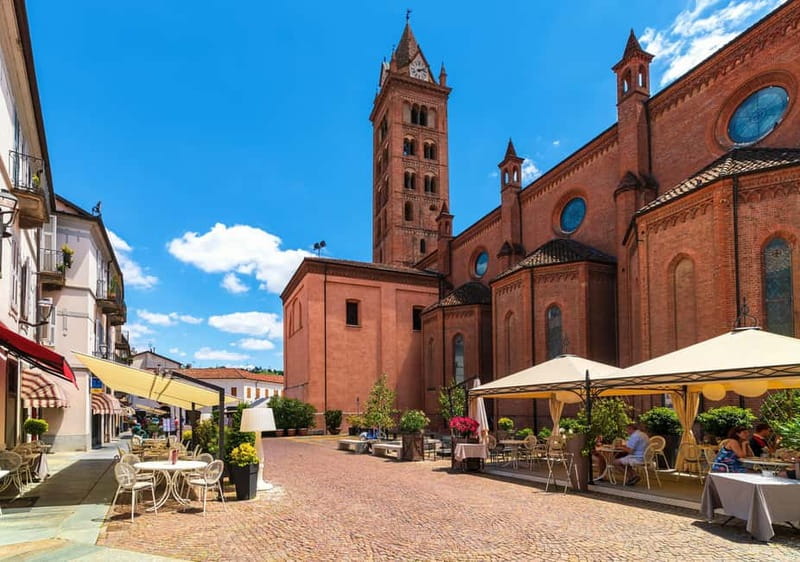
In the warmer season, you get free time in Barolo, a hill town tied directly to the wine it’s known for. This is where you can wander wine boutiques, stroll through quaint streets, and take in those sweeping views over the Langhe hills.
If you love the idea of walking through a wine village that feels built around vintners and visitors, Barolo is the better match. Also, Barolo tends to feel like a place you could spend extra hours in if you didn’t have a tasting later—so don’t overschedule your day before you come.
November to March: Alba for markets and food culture
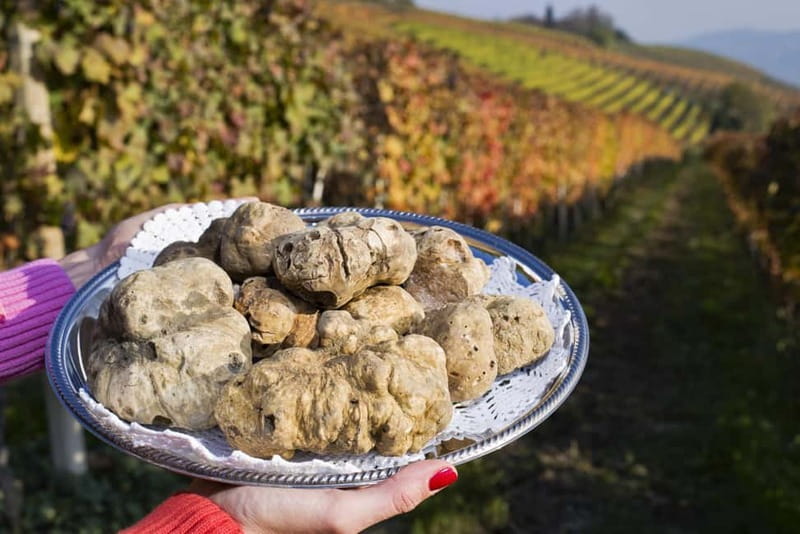
During the colder months, the plan switches to Alba, known for its history and food culture. You’ll have time to stroll cobbled streets, browse markets and artisan shops, and you might even spot things tied to the area’s famous truffles.
Alba is a solid choice if you want more of a town-and-streets atmosphere rather than strictly vineyard-photo moments. And because the schedule leaves room for browsing, you’re not stuck viewing everything from behind a bus window.
The Langhe UNESCO country: why those vineyard views matter
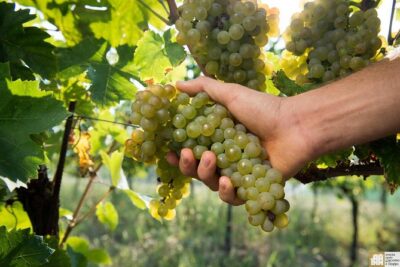
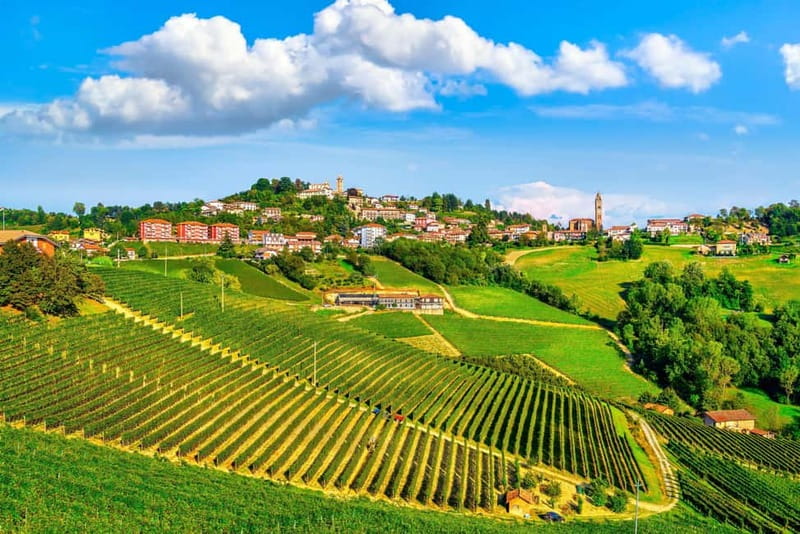
The Langhe is UNESCO-listed, and the tour makes sure you don’t just hear that word. You travel deeper into the vine hills, where the shapes of the landscape start to make sense: the slopes, the patterns of vineyards, and why winemakers obsess over where grapes grow.
This isn’t just scenery for scenery’s sake. Understanding the terrain is what makes the tasting later feel logical. Even if you’ve never studied wine, you can start connecting the dots between geography and flavor.
There’s also a practical side: you’ll get scenic stops along the way. Bring your camera, but also pause long enough to actually look. These hills can look different depending on light and weather, and it’s one of those places where you’ll feel the difference between a postcard and being there.
You can also read our reviews of more wine tours in Milan

A guided six-glass Barolo tasting at a family winery
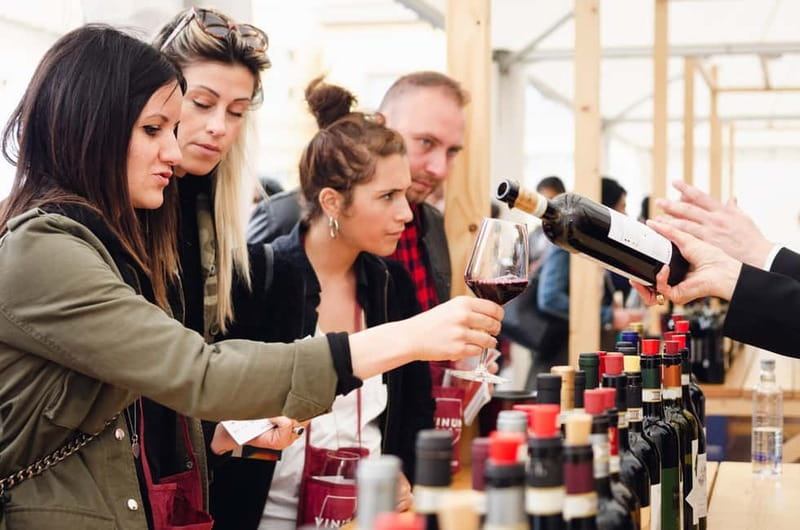
The heart of the experience is the winery stop: a family-run winery where an expert guide walks you through winemaking traditions and the idea of terroir—what the land contributes to the bottle.
What the tasting includes
You’ll enjoy a guided tasting of six glasses, typically featuring:
- elegant whites
- bold reds
- and of course Barolo, the region’s flagship
That six-glass format is key. Instead of a quick, generic sample, you get enough variety that you can notice style differences and learn what to look for beyond taste alone. It’s also paced so you can listen and still enjoy the glasses.
The guide makes or breaks this part
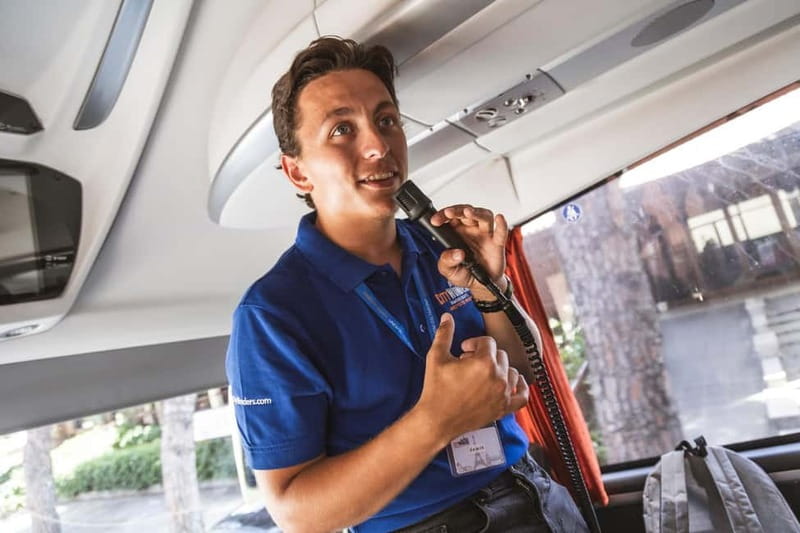
This is where the best tours shine: the guide turns wine into something you can talk about later. In past groups, guides such as Sara Calabrese have brought energy and stayed available for questions, even those not directly part of the tasting. Another guide, Barbera, has been described as friendly and experienced, with knowledge that kept the day organized.
When the guide is strong, you leave with a better sense of why Barolo has its reputation. You also pick up small cues—like how winemaking choices shape what you taste—without turning the day into a classroom.
How to pace yourself (and taste smarter)
Wine tasting can sneak up on you because you’re moving around too. I’d treat this like a planned tasting, not a drinking spree. Sip slowly, listen, and take notes if you like. And remember: lunch isn’t included, so your best strategy is to plan for something to eat during town time or before you head out, depending on what time you start.
Barolo and Alba town time: what you can actually do
The tour builds in free time so you can experience the place, not just the wine.
Barolo: stroll, browse, and soak up views
With free time in Barolo, your time is mostly self-directed: walk the town, visit wine shops or boutiques, and take in views. If you want photos, this is when you’ll find angles without the pressure of being on a tight schedule.
Just keep in mind that some areas can be warm and sunny. Wear comfortable shoes and consider a hat.
Alba: markets, artisan shops, and truffle-season vibes
In Alba, you’ll have time to explore local markets and artisan shops. Alba’s food identity is strong here, so browsing feels like part of the experience, not a chore.
If you’re visiting in the colder months, expect more of the town vibe: cobbled streets, shops, and the kind of wandering that works even if you don’t have a single “must-see” listed in your head.
Castello di Grinzane Cavour: your big UNESCO finish
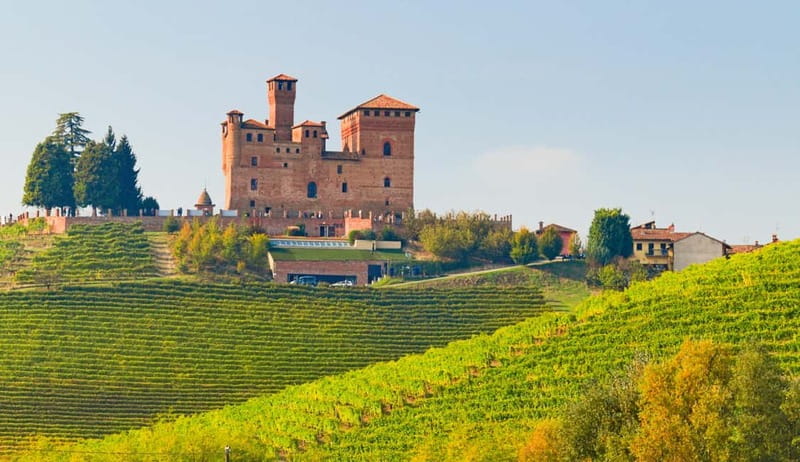
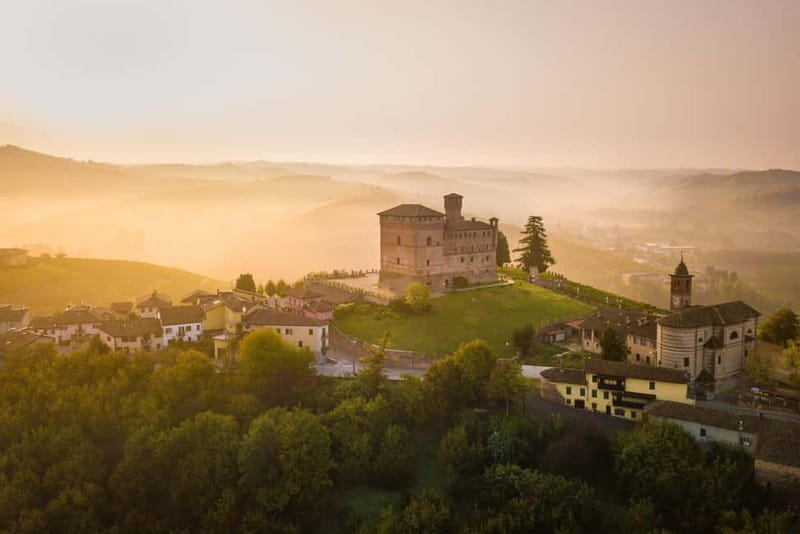
Before heading back to Milan, you stop at Castello di Grinzane Cavour. This is a UNESCO World Heritage Site, and it’s strongly tied to the region’s wine story. The castle sits up on a hill, surrounded by vineyard views, so it works as both history and photography.
Expect a scenic stop where you can look around, take pictures, and get a quick feel for why this location matters. It’s also a nice final contrast to the winery: one last visual reminder of the hills you just tasted.
This stop tends to help the whole day click. The tasting becomes easier to remember when you’ve seen the surrounding terrain. The castle also gives you a clear “wrap-up” moment, instead of feeling like the day ends abruptly on the coach.
Coach comfort, walking levels, and how long it really feels
The trip runs about 10 hours and uses a coach for comfortable round-trip transportation. That’s a big plus when you’re leaving Milan and you want the day to be smooth.
That said, it’s not a no-walking outing. The day includes town time and scenic stops, so plan on walking more than you might expect from a “wine day trip.” The tour notes recommend comfortable shoes for a reason, and in warm weather, some places lack shade.
Also, lunch isn’t included. If you get easily hungry on full days, bring your own plan:
- Eat during the town free time
- Or make sure you arrive with enough food earlier so you’re not rushing through your meal
What to pack so the day stays fun
This is one of those trips where small preparations make a big difference.
Bring:
- comfortable shoes
- camera
- water
If you’re going in warm weather, add:
- a hat
- sunscreen
Don’t bring:
- luggage or large bags
- baby strollers or non-folding strollers
That last point matters because it affects how easily the group moves. I’d travel light so you can concentrate on the day, not logistics.
Who should book this Langhe day trip
This tour fits best if you want:
- a full-day tasting experience with context, not just samples
- time in an Italian hill town tied to wine—either Barolo or Alba
- UNESCO castle views to round out the story
- an English-speaking guide and comfortable coach transport from Milan
It’s also a good choice if you’re traveling with wine curiosity but not a deep background. The guide’s job here is to translate the traditions and the land into something you can taste and understand.
If you’re someone who hates walking, hates sun, or needs wheelchair-friendly access, this isn’t listed as a match. The tour indicates it isn’t suitable for wheelchair users and mobility impairments, so it’s worth choosing something else if accessibility is a priority for you.
Value check: why this can be a smart use of your time
Even without a price number, I can tell you where the value comes from.
You’re paying for three things that add up fast on your own:
1) Guided transportation out of Milan and back, with scenic routing
2) A guided six-glass tasting at a winery (the guidance is the expensive part)
3) Structured stops like Castello di Grinzane Cavour, where you’d otherwise need local knowledge to time visits well
Then you get free time in Barolo or Alba, so you aren’t locked into a single room with glasses. It’s the mix—town + tasting + UNESCO viewpoints—that makes the day feel like more than a single-ticket winery stop.
Should you book it?
If your idea of a great day is: good scenery, a real tasting with guidance, and a chance to walk through an Italian town tied to the wine, then this trip is an easy yes.
Book it especially if:
- you want Barolo knowledge and you like a structured tasting format
- you prefer a small-group feel, which has been experienced as around seven people
- you’re starting from Milan and want someone else to handle the timing
Skip it if:
- you’re not up for walking around towns
- you need lunch included automatically
- you’re traveling with mobility needs that require wheelchair-friendly access
FAQ
FAQ
Is lunch included on this day trip?
No. Lunch is not included.
How long is the tour from Milan?
The duration is listed as 10 hours.
Where do I meet the guide in Milan?
Meet at Milano Porta Garibaldi Train Station, outside the main entrance on the left side, in front of Briccocafé next to the stairs and under the covered roof.
Does the tour include wine tasting?
Yes. It includes a premium six-glass wine tasting at a family-run winery, featuring whites, reds, and Barolo.
Is the guide available in English?
Yes. The tour offers a live English-speaking guide.
Will I visit Barolo or Alba?
It depends on the season: Barolo is visited Apr–Oct, and Alba is visited Nov–Mar.
Do we stop at Castello di Grinzane Cavour?
Yes. The tour includes a scenic stop at Castello di Grinzane Cavour with vineyard views.
Is hotel pickup included?
No. Hotel pickup and drop-off are not included.
Are there restrictions on bags or strollers?
Yes. The tour does not allow luggage or large bags, and it also notes restrictions on baby strollers and non-folding strollers.
Is this tour suitable for wheelchair users?
No. It is not suitable for wheelchair users, and it’s also listed as not suitable for people with mobility impairments.