REVIEW · MILAN
Milan: The Last Supper Entry Ticket and Guided Tour
Book on GetYourGuide →Operated by BOLOGNA TOUR & BEST ITALY TOUR · Bookable on GetYourGuide
Da Vinci in Milan, scheduled to the minute. This tour is interesting because you don’t just see The Last Supper on a screen or from far away—you get a timed entry and a local guide to explain why this painting still feels so human.
I love the two-part flow: first you spend real time at Santa Maria delle Grazie, then you move to the refectory for the mural. I also like that the tour is run with English and Italian together at the same time, so you’re not stuck guessing what someone is saying.
One possible drawback: your time inside the refectory is capped (15 minutes), and a few people reported problems hearing the guide through the included headsets. If you’re hoping for a slow, long stare, plan for a faster, guided experience instead.
In This Review
- Key things to know before you go
- Santa Maria delle Grazie: where the setting does half the work
- The timed slot inside: why 15 minutes feels like a lot
- The Last Supper story: the painting’s damage makes the viewing sharper
- Seeing gestures and expressions like an art historian (without needing one)
- Bilingual, headsets, and the reality of hearing the guide
- Logistics that can make or break your experience
- Price in context: does $98 make sense for the Last Supper access?
- Who this tour fits best in Milan
- Should you book? My practical take
- FAQ
- How long is the tour?
- How much time do I get inside the refectory to see The Last Supper?
- Is the tour in English?
- What is included in the ticket price?
- Do I need to bring an ID?
- Are food, drinks, or bags allowed?
- Is photography allowed inside?
- Can I cancel and get a refund?
Key things to know before you go
- 15 minutes in the refectory keeps the visit short and tightly scheduled, so go in ready to focus.
- Santa Maria delle Grazie first helps you understand the setting before you look at Leonardo’s mural.
- Italian and English run at once, which is great when you want one tour, two languages.
- Entry ticket is included, so you don’t end up hunting for sold-out day-of access.
- Audio headsets are provided, but bring your patience in case technology glitches.
- No mobility access is listed as a limitation, so check your needs early.
Santa Maria delle Grazie: where the setting does half the work
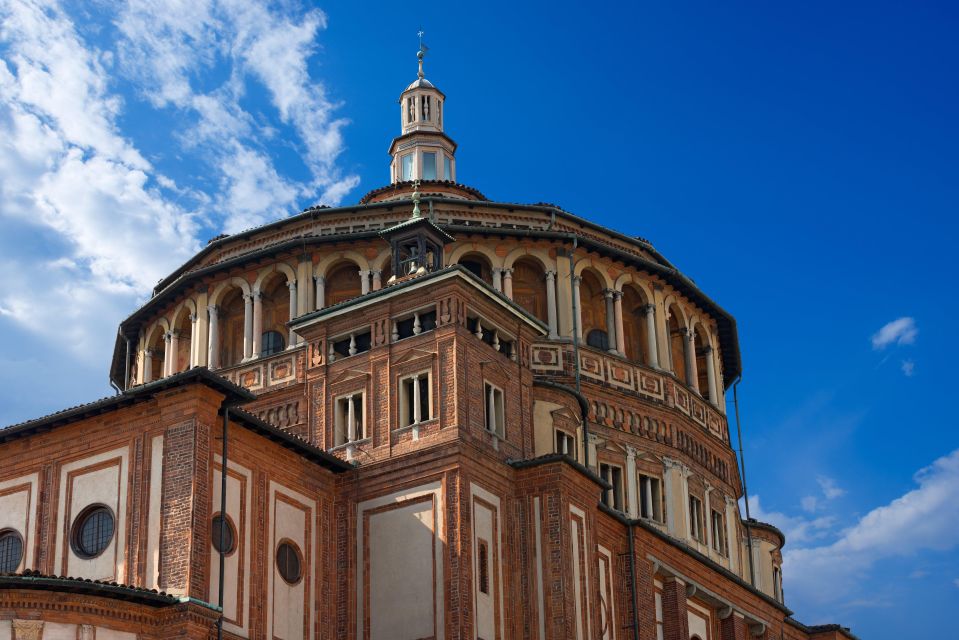
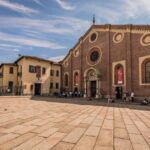
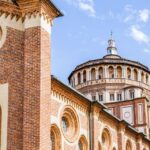
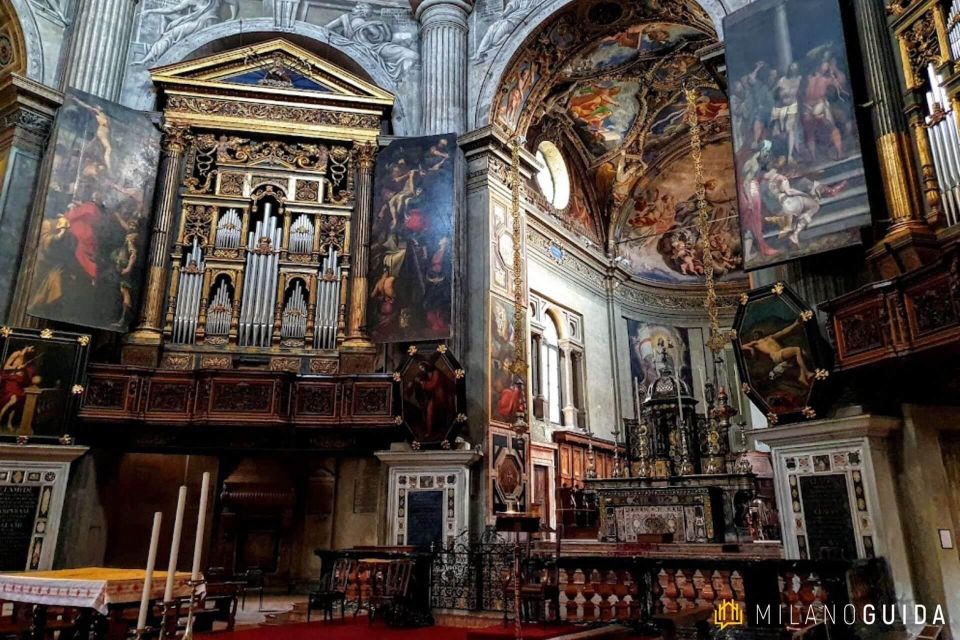
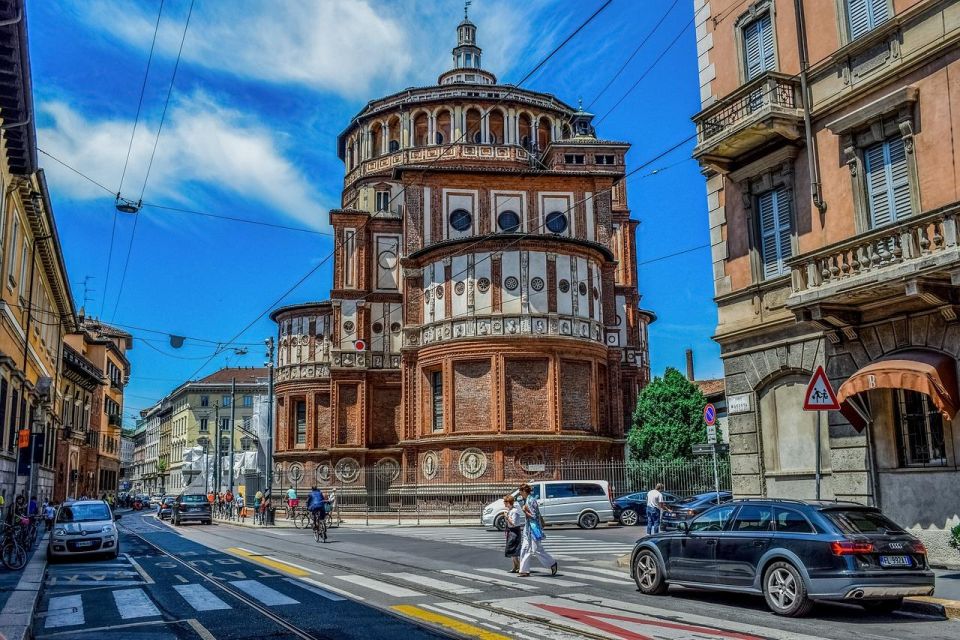
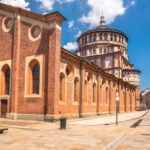
I like starting with the church itself, and this tour does that. You’re at Santa Maria delle Grazie first, for about 45 minutes, which means you’re not thrown straight into the pressure-cooker room with only seconds to get oriented. The church context matters because it frames the painting as more than a famous image. You’re in the place where it lives—within the Renaissance-era world that made this kind of work possible.
You’ll also benefit from how the guide paces the story. Instead of dumping facts at random, you get a sense of what to watch for when you finally reach the mural. That’s a big deal with The Last Supper, because the details are subtle even though the scene is dramatic. Give yourself the warm-up time, and you’ll actually notice more once you’re standing in front of it.
One practical note: there’s no hotel pickup or drop-off. You’ll start and end at Via Fratelli Ruffini, 1, so build in time to get there on foot or by tram/metro, depending on where you’re staying.
You can also read our reviews of more tours and experiences in Milan
The timed slot inside: why 15 minutes feels like a lot
The refectory visit is only 15 minutes inside with the group. That sounds short until you realize why it’s set up that way: the room has to be managed carefully, and the experience is controlled to protect both visitors and the artwork. The result is that you’re not battling constant crowd surges.
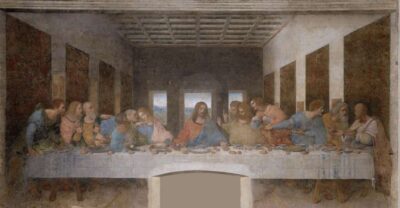
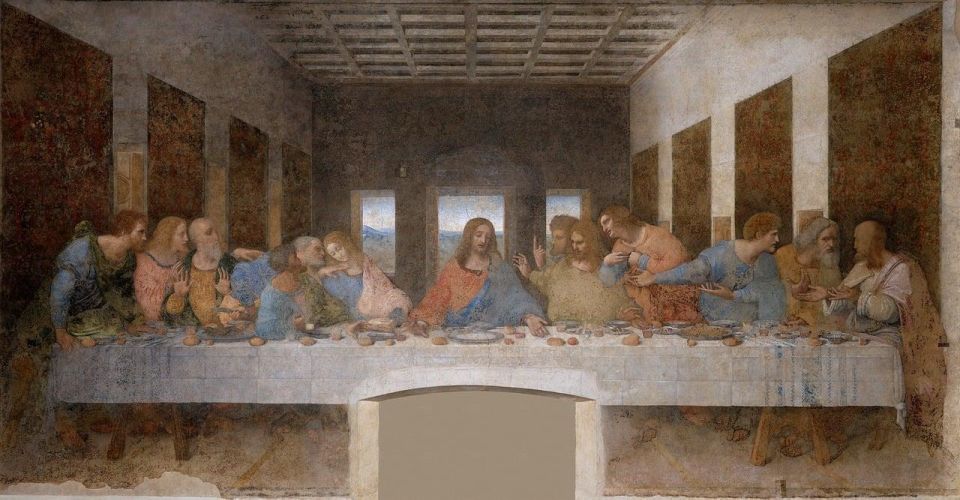
Here’s how you’ll want to use the time: don’t try to look at everything at once. Pick one thread. For example, start with Christ, then move your eyes across the apostles, and notice how different faces and body angles change the mood of the whole table. When you have someone explaining what you’re seeing, the 15 minutes can feel focused instead of rushed.
Also, be ready to follow the rules without turning it into a stress test. Photography inside is not allowed, and that’s where a lot of people get stuck mentally—thinking about their phone or camera instead of the painting. Put your device away. You’ll get more out of the scene.
The Last Supper story: the painting’s damage makes the viewing sharper
Leonardo’s Last Supper has a reputation, but the guide’s job here is to turn reputation into understanding. You’ll hear about the painting’s complicated, troubled history—why it looks the way it does today and how time and restoration have shaped what you’re viewing. That context changes your reaction. You’re no longer just seeing a masterpiece; you’re seeing a masterpiece that has survived serious strain.
What I find valuable in this kind of guided approach is the cause-and-effect. The guide will connect details you can visually spot with the larger story: the way the mural has been preserved, and how its “miraculous and tortured history” affects everything from the surface to what visitors are able to see.
One more thing: the tour is designed to move. It’s not a museum lecture where the group wanders. That can feel brisk, but it’s also why you’re able to cover both the church and the refectory in a clean 1-hour window.
Seeing gestures and expressions like an art historian (without needing one)
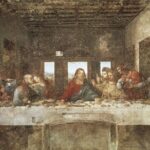
The scene is famous because the moment is tense. The table doesn’t look calm. People lean, recoil, gesture, and react—like the event is unfolding in real time. A good guide helps you read that body language instead of treating it like frozen poses.
During your refectory time, you’ll focus on Christ and the twelve apostles. The guide highlights gestures and expressions and explains Leonardo’s mastery at depicting human emotion. This is exactly what makes the mural work. It’s not just religious art; it’s psychology in paint.
If you’re the type who normally walks quickly and misses facial expressions, this is where the guided format helps. You get told what to look at, then you’re positioned so the experience stays orderly and clear. It’s also why your 15-minute slot matters: you can’t “museum-crawl” a work like this. You need direction.
And if you’re bringing your curiosity to the group, it’s worth knowing that past visitors have praised guides for answering questions and keeping the narrative moving—even when the group gets a little energetic.
Bilingual, headsets, and the reality of hearing the guide
This tour is run in Italian and English simultaneously, which is great. You’re not choosing one language and hoping you catch the rest. You’ll also have audio headsets, which makes a huge difference in a venue where sound can be tricky and the guide needs to manage the group’s flow.
That said, I’ll flag the practical part. Some people have reported that the headsets didn’t work properly during the visit. When that happens, you can lose parts of the story right when you most want it. If you’re a detail listener, it’s smart to arrive early and confirm everything feels fine with the headset staff at the start.
In the reviews data, one guide name shows up often: Anna. People describe her as friendly and strong at storytelling, with clear English. That matters because in a short refectory visit, the guide’s pacing can be the difference between you understanding the emotional logic of the scene—or just seeing it as a flat picture.
You can also read our reviews of more guided tours in Milan

Logistics that can make or break your experience
Small rules matter here, because the experience is time-and-room constrained.
Plan around these limits:
- Bring passport or an ID card.
- No food or drinks.
- No luggage or large bags, no backpacks.
- Flash photography is not allowed.
- Photography inside is not allowed.
If you’re used to traveling light, you’re fine. If you normally carry a daypack, consider switching to a smaller crossbody bag or checking what you truly need for the day. Nothing kills the vibe like trying to sort bags right when the group is about to enter.
Also note the pacing: you start at Via Fratelli Ruffini, 1. That’s where you return too. Make your other Milan plans compatible. Don’t stack your day with a tour immediately afterward unless it’s flexible.
Finally, there’s an accessibility warning. The tour is listed as not suitable for people with mobility impairments. If this affects you, treat that as a hard stop and look for an alternative that’s confirmed for your needs.
Price in context: does $98 make sense for the Last Supper access?
At $98 per person for about 1 hour, this is not a bargain. You’re paying for access plus a guided art explanation plus headset support. The real value piece is the entry-ticket component—Last Supper access is limited, and timed slots can be hard to secure without planning.
Here’s how I’d judge the value if you’re deciding:
- If you’d otherwise risk missing out on entry, the guided ticket price looks more reasonable.
- If you love art and want the painting’s story explained in real time, the guide is a major part of what you’re buying.
- If you prefer to read independently and want maximum time alone, you might feel the price is high for a 15-minute inside visit.
Some people in the feedback pool also questioned whether the tour cost feels high compared with other companies. Even so, the included ticket matters, because the alternative is often scramble-level stress. For many visitors, that alone is worth it.
Who this tour fits best in Milan
I’d recommend this tour if:
- You want the timed Last Supper access without the day-of headache.
- You like art history explanations delivered in a straightforward, guided way.
- You want a clean, efficient visit that covers church context and then the mural.
I’d think twice if:
- You need long unstructured time inside the refectory. The visit is limited by design.
- You rely heavily on audio and you’ve had trouble with headsets in the past. The tour includes headsets, but a few visitors reported issues.
This is also a good pick for mixed groups—families, friend groups, or couples—because the bilingual format helps everyone stay connected to the story even if everyone’s Italian level differs.
Should you book? My practical take
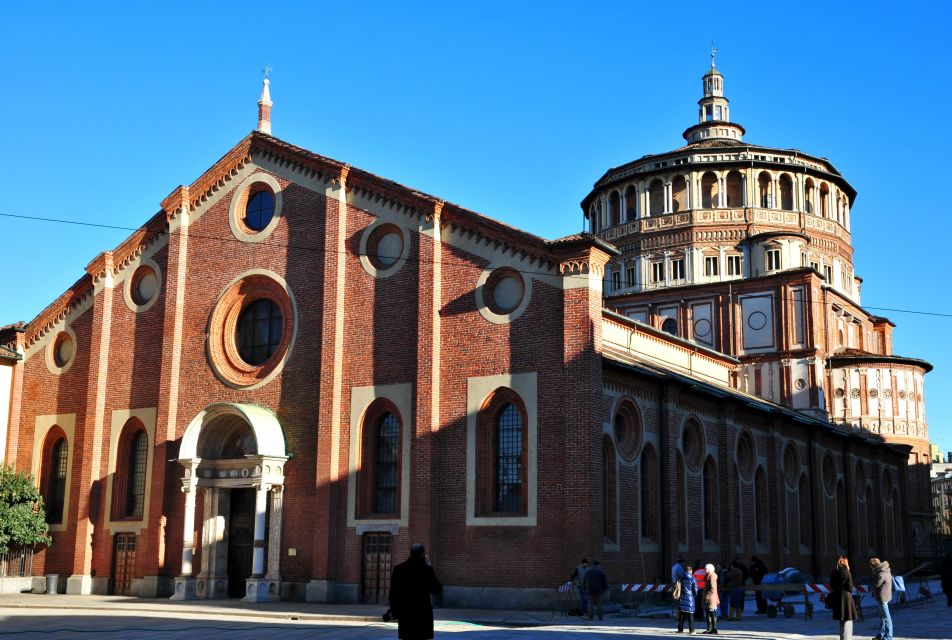
If you’re set on seeing Leonardo’s Last Supper and you want help understanding what you’re looking at, I’d book this. The mix of Santa Maria delle Grazie time, included entry, and bilingual guiding gives you a more complete visit than a bare ticket.
Before you click confirm, do two things:
- Check your schedule for that 1-hour window and plan to get to Via Fratelli Ruffini, 1 on time.
- Travel light and prepare for the no-bags, no-food, no-inside-photos rules.
If you hate the idea of relying on headsets, you’ll have to decide how much you can tolerate a potential audio hiccup. But overall, for most people, the structured access and the story behind the mural are the point.
FAQ
How long is the tour?
The tour runs for about 1 hour total.
How much time do I get inside the refectory to see The Last Supper?
All visitors are only allowed 15 minutes inside the refectory.
Is the tour in English?
Yes. The tour is held with English and Italian simultaneously.
What is included in the ticket price?
You get the Last Supper entry ticket, a local bilingual guide, audio headsets, and welcome staff.
Do I need to bring an ID?
Yes. You’ll need a passport or ID card.
Are food, drinks, or bags allowed?
Food and drinks are not allowed. Luggage or large bags and backpacks are also not allowed.
Is photography allowed inside?
Photography inside is not allowed, and flash photography is also not allowed.
Can I cancel and get a refund?
Yes. You can cancel up to 24 hours in advance for a full refund.