REVIEW · MILAN
Milan Hop-On Hop-Off Bus Tour with Four Routes
Book on Viator →Operated by Sightseeing Experience · Bookable on Viator
Milan looks different from a double-decker bus. This four-route pass helps you knock out big sights without crisscrossing the city on foot. I like the way it links major areas like Duomo/La Scala with farther stops like the Last Supper and Navigli, and I love the flexible 24-, 48-, or 72-hour timing. One thing to plan for: you may spend a few extra minutes tracking down the right stop and making sure the audio matches what you’re seeing.
I also appreciate the practical extras: free Wi‑Fi onboard and a mobile app that shows buses in real time. That matters in Milan, where you can lose time if you’re constantly guessing where the next bus is. And the biggest reason I’m a fan of hop-on hop-off here: you can rest your legs while still getting a clear overview of how the neighborhoods connect.
For 72 hours, there’s a nice bonus for summer weekends. If you buy the weekend 72h ticket from June to September, the Milan night tour is included, which turns this from a sightseeing tool into an evening plan.
In This Review
- Quick take: four lines that cover Milan’s big hitters
- Why I’d use a hop-on pass in Milan
- How the bus routes connect (and why you should care)
- Line A (red): Duomo, Sforzesco, and La Scala with an about 90-minute loop
- Line B (blue): Palazzo Lombardia to the Last Supper area
- Line C (green): San Siro, the Monumental Cemetery, and the shopping side
- Line D (yellow): Navigli canals, Piazza XXIV Maggio, Brera, and back to the core
- Onboard audio, Wi‑Fi, and the app: how to avoid missing things
- Getting on and off: finding stops without wasting half your day
- 24, 48, or 72 hours: which ticket is actually worth it
- Small practical notes that save time (and keep you comfortable)
- Should you book this Milan hop-on hop-off bus tour?
- FAQ
- How long is the Milan hop-on hop-off bus tour?
- What ticket options can I choose from?
- What is included with the 72-hour weekend ticket in summer?
- Is Wi‑Fi and an app included?
- Are there audio guides, and is English available?
- What’s included in the price, and what’s not?
- Can I cancel for a full refund?
Quick take: four lines that cover Milan’s big hitters

- Four routes, 30+ combined stops: You can get off close to where you want to walk.
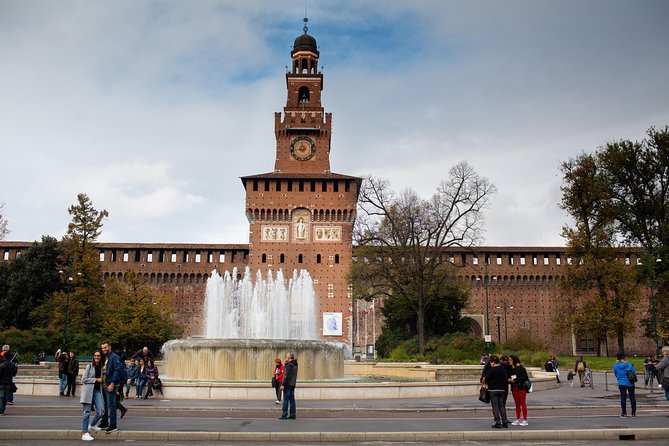
- Line A (red) loops key landmarks: Duomo, Castello Sforzesco, and La Scala with an about 90-minute loop.
- Line B (blue) hits Leonardo’s stop: Santa Maria delle Grazie for The Last Supper plus Porta Venezia and Palazzo Lombardia.
- Line C (green) is stadium and cemetery country: San Siro and the Monumental Cemetery area, with a link toward the Via Montenapoleone shopping zone.
- Line D (yellow) is Navigli + Brera: Canal views around Navigli and time in Brera, via Piazza XXIV Maggio and the Duomo area.
- It connects: You can switch between routes rather than treating each line like a separate trip.
Why I’d use a hop-on pass in Milan
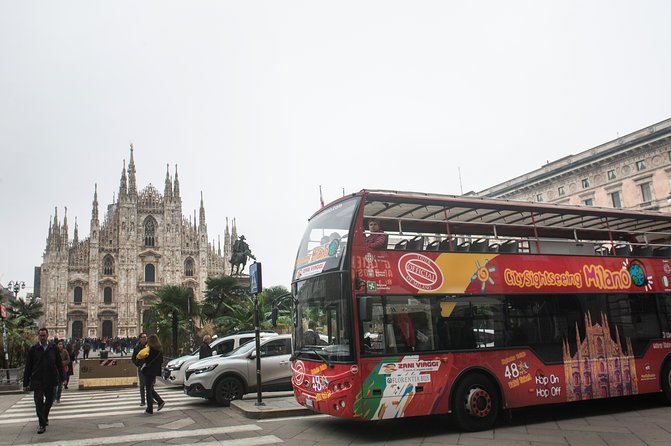
Milan rewards efficiency. You can absolutely walk it, but between churches, museums, shopping streets, and nightlife districts, your feet can get tired faster than your enthusiasm.
This tour is built for pacing. The tickets run for 24, 48, or 72 hours, so you’re not forced into a strict order. That flexibility is especially useful if you want to spend extra time around the Duomo area one day and then shift to Navigli or San Siro on another.
And because it’s a hop-on hop-off format, you control the rhythm. Ride when you need a break. Get off when something grabs you—views, architecture, a street you want to explore, or a neighborhood vibe you want to linger in.
You can also read our reviews of more tours and experiences in Milan.


How the bus routes connect (and why you should care)
The best part of the setup is that the four routes are connected, so you can jump lines and cover more territory without backtracking. That’s huge in a city where “one more stop” can turn into a long walk if you pick the wrong direction.
Here’s how to use that practically:
- Start with one line to create a mental map of the city.
- Then switch lines at shared central zones to avoid unnecessary rides.
- Plan your day so you’re hopping off to walk in short bursts, then returning to the bus to travel to the next anchor area.
If you’re the type who likes a plan but hates rigid schedules, this format usually fits well. The loop times and stop clusters mean you can structure your day around neighborhoods, not just landmarks.
Line A (red): Duomo, Sforzesco, and La Scala with an about 90-minute loop
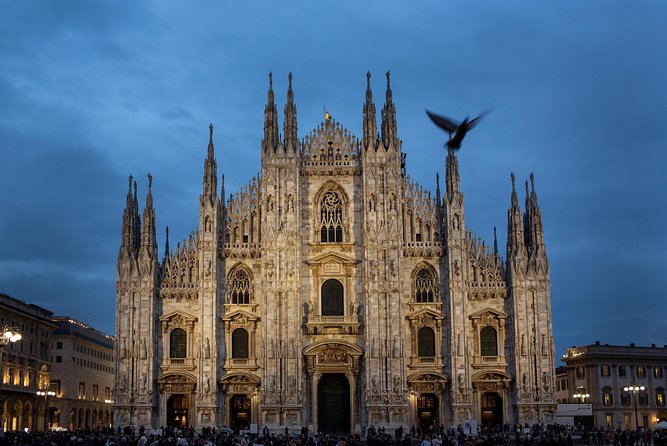
Line A is your classic Milan center line. It links the most “first time in Milan” spots into one readable circuit.
You’ll hit:
- Milan Duomo (Cathedral)
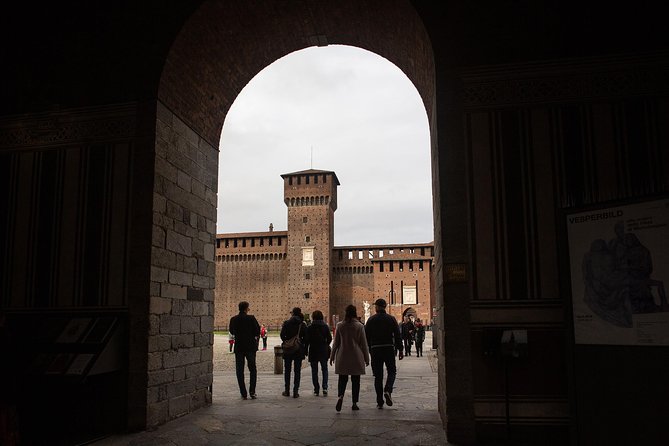
- Castello Sforzesco
- La Scala opera house
The full loop is about 90 minutes, so it’s a great way to orient yourself. If you’re only doing one line on a limited day, do Line A first. It sets your bearings fast and makes everything else easier to place on your map.
Practical tip: when you get off around Duomo, give yourself a little time to wander. This is one of those areas where the bus view is impressive, but the street-level streetscape is what sticks in your memory. Once you’ve had your “wow” moment, use the bus to hop to the next landmark instead of trying to stitch the city together by foot.
Line B (blue): Palazzo Lombardia to the Last Supper area
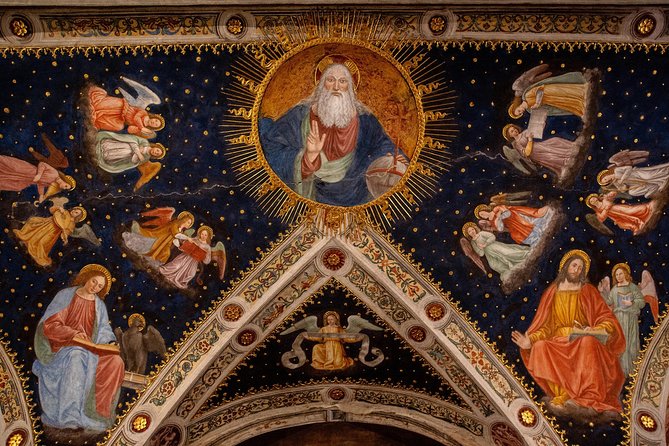
Line B swings into two major themes: modern Milan edges and the da Vinci universe.
It includes:
- Palazzo Lombardia (the more skyscraper-ish side of town)
- Porta Venezia (a historic city gate area)
- Santa Maria delle Grazie, where you can see The Last Supper fresco
This line is perfect when you want variety in one day. You get a chunk of “business Milan” via Palazzo Lombardia, a gateway-and-boulevard feeling near Porta Venezia, and then a step into one of Europe’s most famous artworks.
How to make it feel like more than a checklist:
- Use the Palazzo Lombardia and Porta Venezia stops as a breather zone before you commit time to the church area.
- If you’re traveling with someone who cares more about art than skyline views (or the reverse), Line B is one of the easiest compromise routes.
Line C (green): San Siro, the Monumental Cemetery, and the shopping side
Line C is where you go when you want Milan to feel less like a museum stroll and more like a city you can belong to.
It covers:
- San Siro stadium
- Monumental Cemetery
- A stop near the Via Montenapoleone shopping quarter
On paper, that mix sounds random. In real life, it’s a useful reminder: Milan isn’t one single “type” of sightseeing. It’s stadium energy, old-world scale at the cemetery, and then high-end fashion streets not far from the center zones.
If you’re a soccer fan, San Siro is an easy win. If you’re not, it still works because it gives you a different Milan scene than churches and galleries. And if you do shop or window-shop, the connection toward Via Montenapoleone can save you from planning a separate trip just to reach the fashion core.


Line D (yellow): Navigli canals, Piazza XXIV Maggio, Brera, and back to the core
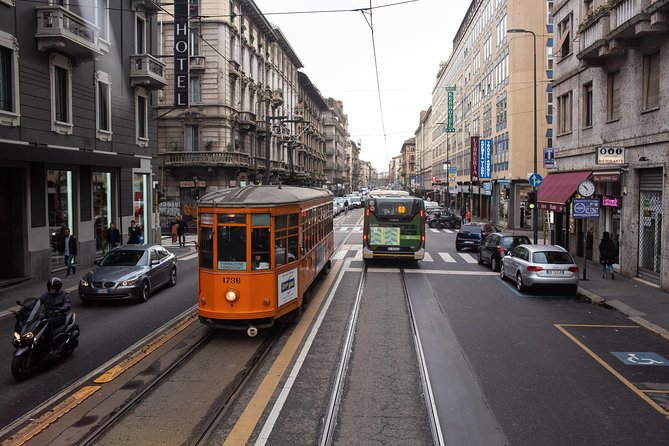
Line D is the neighborhood daydream line. It follows the Navigli canals, stops at Piazza XXIV Maggio, passes through the Duomo area, and reaches into Montenapoleone and Brera.
That combination is great for two reasons:
- You can experience Milan at street level, not only monument level.
- Brera and Montenapoleone are the kinds of areas where you’ll want to get off and wander repeatedly.
If you’re building a “mood” itinerary, Line D helps. Think canals, casual evening energy, and the kind of streets where you’ll keep noticing little details long after the bus explanation ends.
And because it passes through core spots too, it’s a smart line to use mid-day—especially if you start feeling like your day is drifting into “just one more stop” territory.
Onboard audio, Wi‑Fi, and the app: how to avoid missing things
This tour includes:
- Audio guide on board in 10 languages (English is offered)
- Free Wi‑Fi onboard
- A free mobile app that shows the real-time location of the buses
That package is genuinely useful because Milan’s best sightseeing often happens between stops: a street turns into a plaza, an alley surprises you, and suddenly you’re exploring without realizing you changed zones.
Still, there are a few smart ways to make the tech work for you:
- Don’t treat audio as your only cue. Keep an eye on what you’re passing and follow stop names on your map.
- If you’re using headphones, be ready to adjust. Some seats can have weaker sound or audio issues, so switching seats can help.
- Use the app when you’re planning your next hop. Knowing where the bus is beats standing around.
One more practical note: the bus is open-air and double-decker, which is half the fun and also half the reason audio can be harder to catch if you’re not paying attention. Visual cues matter.
Getting on and off: finding stops without wasting half your day
The biggest repeat theme with hop-on hop-off tours is not the sightseeing—it’s the waiting and the locating. Here, that’s worth taking seriously.
Some riders have found that stop signage and timing can be tricky, and it can take effort to identify the right stop. The good news is that the system is built around many stops across the city, so once you’re at the correct place, it’s typically easy to board and then exit to explore.
My advice:
- Arrive a few minutes early for your planned departure.
- Use the app to check the direction you need, not just that a bus is nearby.
- If a specific stop feels hard to spot, take 60 seconds to confirm you’re at the right location rather than walking off in the wrong direction.
Also, expect the ride itself to feel a bit bumpy. Open-air double-deckers move through traffic, and not every seat feels the same. Hold on during turns and don’t pick the most crowded aisle spot if you can avoid it.
24, 48, or 72 hours: which ticket is actually worth it
The price for this experience is $27.01 per person, and your value mainly comes from how you plan to use the time.
Here’s the honest way to choose:
- 24 hours: Good if you want a fast “big sights” day and you won’t need to revisit neighborhoods.
- 48 hours: The sweet spot for most first-time visits. You can do one central anchor line and then a second day to hit a different vibe.
- 72 hours: Best if you’re spreading out museums, shopping streets, and evening plans.
The 72-hour weekend option adds a real incentive: from June to September, if you buy the weekend (Saturday and Sunday) 72h ticket, the Milan Night Tour is included.
So ask yourself this: are you planning to do one big day only, or are you actually building two or three half-days? If it’s the latter, the extra time tends to pay for itself by reducing rushed choices.
Small practical notes that save time (and keep you comfortable)
A few details can matter more than you’d think on a bus day.
Headphones and seat controls: Audio is included, but you may need to switch seats if headphone jacks don’t cooperate everywhere. Keep your strap/cord setup simple so you can move quickly.
Weather and comfort: Because the buses are open-air and traffic splash is real, it can get messy on rainy days. Bring a small towel or wipe if you can. It sounds silly until you’re standing in drizzle trying to sit somewhere dry.
No food included: Food and drinks aren’t part of the ticket. Plan for breaks, especially if you’re getting off for longer walks around Duomo, Brera, or Navigli.
Restrooms: There’s no public restroom available on the buses, so don’t treat this like a full-day lounge. If you need a bathroom, do it before you get too far into a walking loop.
Should you book this Milan hop-on hop-off bus tour?
Book it if:
- You want an easy way to cover Duomo, La Scala, the Last Supper area, Navigli/Brera, and San Siro without building a complicated transport plan.
- You like the idea of resting your legs but still checking major districts.
- You’re visiting for the first time and want a fast way to learn how Milan’s neighborhoods connect.
- You’ll use the app to time your hops and keep your day efficient.
Skip it (or think twice) if:
- You hate the idea of waiting for buses or you’re very time-tight and don’t want any “traffic and spacing” uncertainty.
- You’re confident navigating on your own and prefer to walk directly between places you’ve already mapped out.
If you do book, my biggest recommendation is simple: use Line A to set your bearings, then pick Line D for atmosphere (Navigli/Brera), and use Line B or C to balance culture with the city’s other moods. That mix keeps Milan from feeling like a list.
FAQ
How long is the Milan hop-on hop-off bus tour?
The tour duration is approximately 1 hour 20 minutes.
What ticket options can I choose from?
You can choose 24-, 48-, or 72-hour tickets.
What is included with the 72-hour weekend ticket in summer?
For the period June to September, if you purchase the 72-hour rate valid for the weekend (Saturday and Sunday), the ticket includes the Milan Night Tour.
Is Wi‑Fi and an app included?
Yes. There is free Wi‑Fi onboard, and the tour includes a mobile app that helps you see the buses’ real-time locations.
Are there audio guides, and is English available?
Yes. There is an audio guide on board in 10 languages, and the tour is offered in English.
What’s included in the price, and what’s not?
Included: the hop-on hop-off bus tour for 4 bus lines, audio guide, and free Wi‑Fi plus the app. Not included: hotel pickup/drop-off and food and drinks.
Can I cancel for a full refund?
Yes. You can cancel up to 24 hours in advance for a full refund.