Milan clicks faster when you walk it. This private 3-hour loop mixes big-name sights with street-level context, and I especially like the Duomo Square to Brera flow and the stop-by-stop guide explanations. The main thing to consider: it’s a city-walk format, so you’re not getting full interior monument tickets.
I also like that you’re not squeezed into a crowd. It’s private and exclusive (just your group), with an in-person guide who can work in English, Spanish, French, or Italian, plus a mobile ticket for the day.
Finally, the quality can vary by guide day and how you steer the conversation. The best experiences I saw highlighted strong pacing, tailored interests, and clear English; the rougher notes complained about rushing or focus drifting toward shopping breaks—so you’ll want to set expectations early.
In This Review
- Key highlights at a glance
- How This 3-Hour Milan Walk Gets You Oriented Fast
- Starting at Piazza dei Mercanti: The Route’s Smart Opening
- Duomo Square: Outside Views Plus Context, Without the Ticket Stress
- Galleria Vittorio Emanuele II: A Stunning Walk Through a Legend
- Brera District: Street-Level Milan With Fewer Crowd Feel
- Basilica di San Simpliciano: A Church Stop That Adds Depth
- Castello Sforzesco Courtyards: A Big Ending Without a Museum Detour
- Price and Value: What $78.10 Really Buys
- Meeting Point, Timing, and How to Avoid the Usual Milan Confusion
- What to Expect From the Guide: Tailoring vs. Rushing
- Who This Tour Is Best For (And Who Might Want a Different Format)
- A Few Simple Tips Before You Go
- Should You Book This Milan Highlights and Side-Street Tour?
- FAQ
- How long is the Milan highlights private walking tour?
- Is this tour private?
- Where does the tour start and where does it end?
- What are the main stops on the route?
- Are entrance tickets included for attractions?
- Does the tour include public transportation during the walk?
- What languages are the guides available in?
- Do you visit inside monuments?
- What is the cancellation policy?
- Is the tour suitable for most people?
Key highlights at a glance
- Private, no-mixing group: You won’t be sharing the route with strangers.
- 5 landmark stops in ~3 hours: A tight arc that helps you understand how Milan connects.
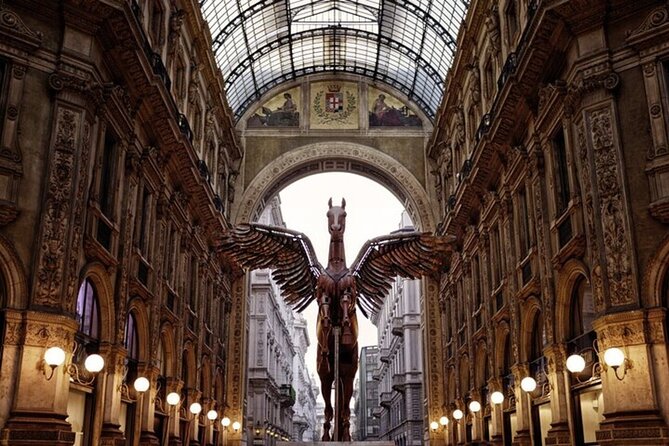
- Galleria Vittorio Emanuele II on foot: You get the arcade experience, not just a photo outside.
- Brera District with fewer crowds: Time spent on atmosphere and street stories.
- Castello Sforzesco courtyards: A high-impact finish without museum ticket pressure.
- Guides in multiple languages: English listed, with Spanish/French/Italian available too.
How This 3-Hour Milan Walk Gets You Oriented Fast
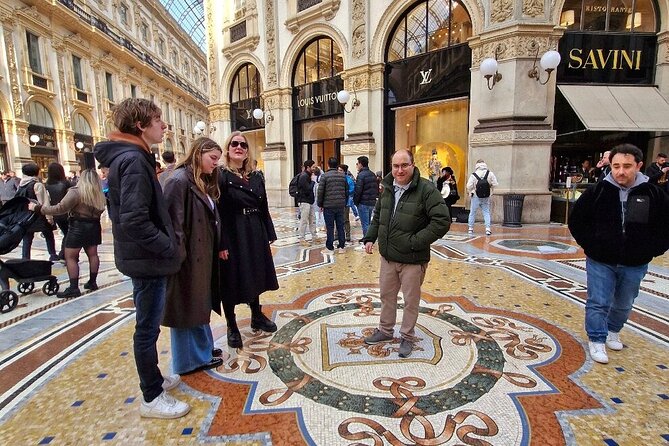
This tour is built for orientation. You get a guided path across Milan’s most recognizable architectural moments, but the real value is in what the guide ties together: why each place matters, how different eras of the city leave visible marks, and how neighborhoods connect to daily life.
You’ll also appreciate the pacing style. Since it’s a walking format with several short, structured stops, it works well if you’re still figuring out where everything sits on the map. If you’re the kind of person who likes to ask questions on the move, the format encourages it: there’s room for back-and-forth rather than a rigid “watch and move on” parade.
One practical note: it’s not sold as an all-in, inside-the-monuments experience. That’s a good fit for many people, but if you’re dreaming of Duomo interior time or a museum deep dive at Sforzesco, you’ll need to plan separate timed entries.
You can also read our reviews of more walking tours in Milan
Starting at Piazza dei Mercanti: The Route’s Smart Opening
You meet at Piazza dei Mercanti, 1 (20123 Milano), and it’s a solid “start here” location because it anchors you in the older city fabric. Meeting at this kind of central point matters more than it sounds. Milan is easy to get turned around in when you’re hopping between major sights, and this start helps you build an internal map quickly.
A few guides in feedback also came up with “here’s where you go next” type guidance—helpful if you only have one afternoon and you want the rest of your day to feel effortless. Even if you don’t need that level of coaching, I’d still take a moment before you walk to confirm logistics: where the group will go next, what pace to expect, and how long each stop roughly lasts.
Also, plan for normal walking-city realities. Even on mostly flat ground, you’ll be on your feet for a few hours. Wear comfortable shoes, and if you’re sensitive to crowds, consider starting early in the day or letting the guide know you’d like quieter streets at Brera.
Duomo Square: Outside Views Plus Context, Without the Ticket Stress
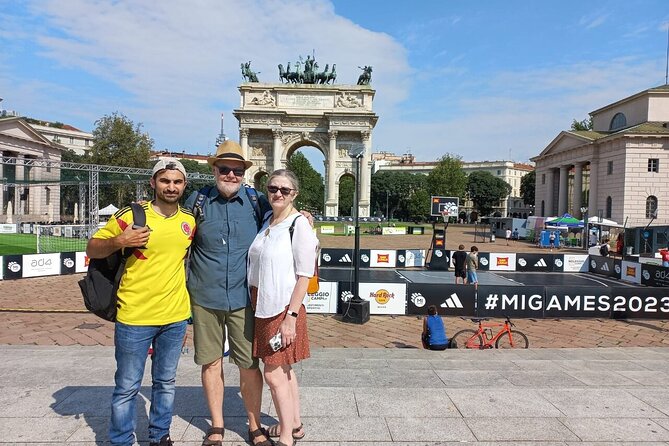
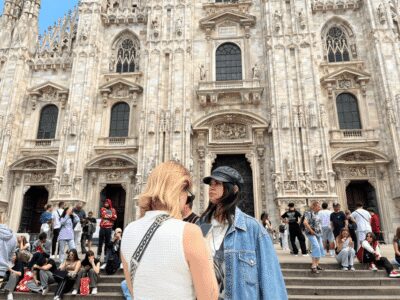
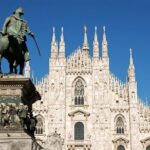
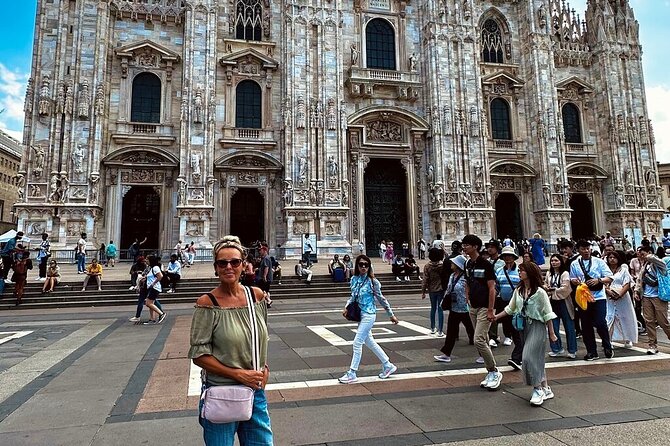
The first stop is Piazza del Duomo, where you begin with an outside look at the Duomo. This approach is practical. You get the iconic front-and-square experience, but you avoid the extra time sink that comes with deeper ticketed access if that’s not your goal.
What makes this stop valuable is the explanation side. Even without going inside, the Duomo’s location in the city center turns it into a historical compass. A good guide will connect it to Milan’s cultural identity—why this particular monument became the emotional center, and how the city’s later developments orbit it.
The main consideration is exactly the tradeoff you’d expect: you’re admiring from outside. If you want interior details like roof views, stained glass focus, or specific chapel highlights, this tour alone won’t cover that. But if you want a first taste and a clean orientation, Duomo Square is a strong opener.
Galleria Vittorio Emanuele II: A Stunning Walk Through a Legend
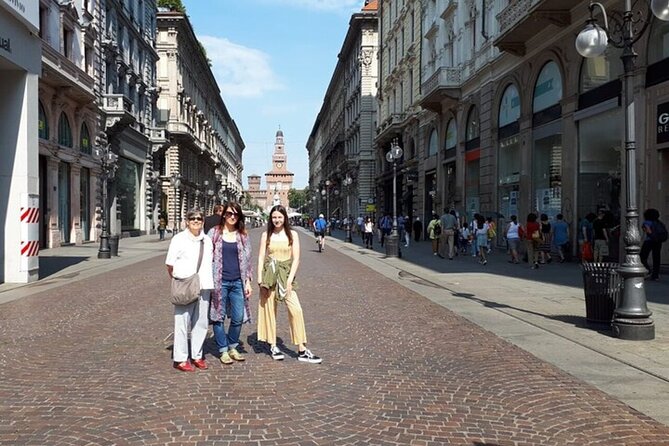
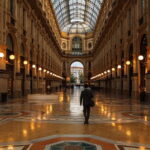
Next is Galleria Vittorio Emanuele II, described as a walking and historical tour inside the famous arcade. This is one of the best “architecture you can feel” stops on the route. You’re not just standing in front of a building; you’re moving through the passage that shows why Milan’s wealth and design culture mattered—then and now.
The Galleria also makes a great pacing break. After the open square feel of the Duomo area, the arcade brings you into a different spatial experience: higher ceilings, covered walkways, and a sense of being inside a landmark rather than looking at it.
Because this stop is inside, it can also be a weather-saver. If rain hits, the covered structure helps keep the tour moving without a total scramble. Just keep in mind that it’s a popular place, so you’ll still be surrounded by normal visitor traffic—but the guide’s focus helps you see it as more than a “shopping corridor.”
Brera District: Street-Level Milan With Fewer Crowd Feel
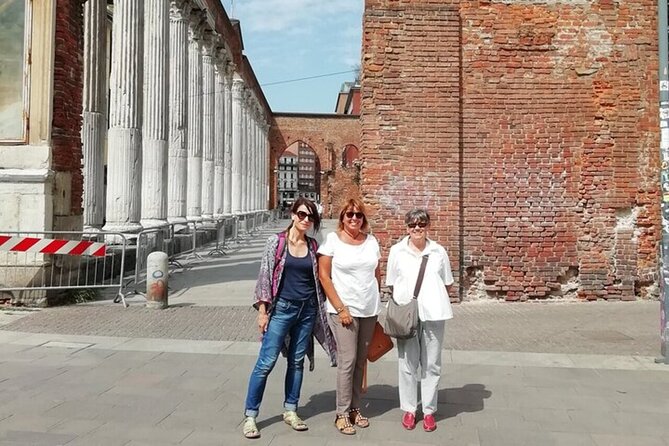
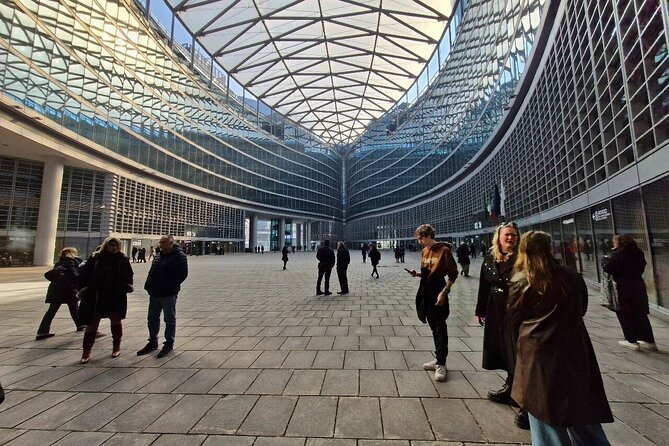
After the big-ticket architecture, you head to the Brera District for a local neighborhood exploration. Brera is where Milan feels more human-scale: side streets, art-linked atmosphere, and a different rhythm than the main sightseeing lanes.
What I like about including Brera is that it changes the mental gear. Duomo and the Galleria are high-visibility landmarks. Brera helps you understand daily Milan: the kind of streets people actually stroll, how the area’s artistic identity shows up in the built environment, and why this neighborhood keeps pulling people back.
Some feedback also praised guides who added small “show you what you’d miss alone” touches. That might look like pointing out subtle architecture, giving quick context for what you’re seeing, or recommending where to continue after the tour. If you’re short on time, ask the guide for a simple plan: one or two nearby places to eat and one scenic walk direction. The best guides handle that easily without turning it into a shopping push.
You can also read our reviews of more private tours in Milan



Basilica di San Simpliciano: A Church Stop That Adds Depth
The tour includes Basilica di San Simpliciano, positioned as a centenary church visit with centuries-old architecture and cultural significance explained by the guide. This is a classic “you won’t get this on a quick photo stop” moment.
Even if you don’t consider yourself a religious-history person, basilicas like this can be visual history lessons. Inside-architecture details often reveal how styles evolve and how different eras left their fingerprints. Since this tour is framed as a city walk rather than a monument-tickets-heavy plan, the guide’s interpretation becomes the main value.
One thing to watch: the route is still moving. If you like slow museum-style pacing, you might want to ask the guide for a little extra time for the church portion, or ask what specific details are worth your attention before you arrive. That way, you’ll leave with a few clear takeaways rather than just impressions.
Castello Sforzesco Courtyards: A Big Ending Without a Museum Detour
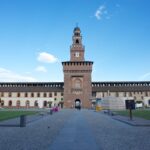
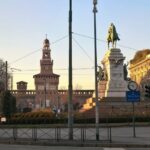
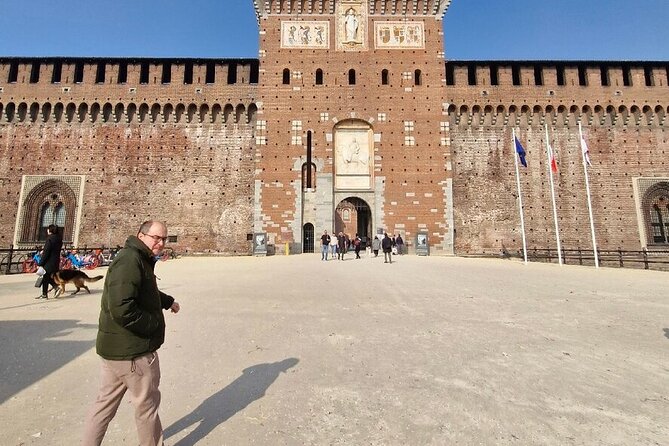
The final stop is Castello Sforzesco, focused on the main courtyards. Ending here is smart. The castle energy feels instantly “Milan,” and the courtyards give you a strong sense of scale without the extra time commitment of deeper museum access.
Courtyards work well for guided storytelling because they’re open-air and view-based. You can look around, see structural rhythm, and understand the place as a power symbol rather than only as a collection of objects. A good guide will connect the Sforza name to why the castle sits where it does and what it represents in Milan’s bigger timeline.
If your priority is interior collections, you’ll likely need additional planning. But for people who want a dramatic final backdrop and a finish that still respects a 3-hour time window, this ending hits the mark.
Price and Value: What $78.10 Really Buys
At $78.10 per person for about 3 hours, this is priced for an efficient, private, guided walking experience—rather than a low-cost group stroll. The value comes from a few specific things you can feel during the day: private routing, guide-to-you interaction, and a set structure that keeps you from wandering aimlessly.
Included items matter here:
- Private and exclusive (only your group)
- Walking tour
- In-person guide with English and also Spanish/French/Italian
- Mobile ticket
What’s not included is equally important:
- No meal or drinks included
- No transport included
- No attraction tickets included
So I’d think of this as a guide-led orientation and history experience across key urban spaces. If you were going to spend hours figuring out where to go and then reading boring notes on your phone, a guided route can actually save time and make the sights click.
Also: average booking time is about 41 days ahead, which hints that slots are not always last-minute friendly. If you’re traveling in peak weeks, consider booking early so you get the start time that fits your schedule.
Meeting Point, Timing, and How to Avoid the Usual Milan Confusion
The meeting point is Piazza dei Mercanti, 1 and the tour ends back at the same spot. That round-trip design helps a lot. Milan sightseeing days can sprawl, and knowing where you’ll return reduces stress if you have dinner plans or a departure later.
Since public transit is nearby but not included, build in a simple plan:
- Get yourself close to Piazza dei Mercanti before the start.
- Keep your arrival buffer realistic; city sidewalks can be slow when you’re matching a meeting spot.
One practical lesson from feedback: some people said meeting-point directions could be clearer right at the ticket page. So don’t assume you’ll instantly see it. Look up the exact address before you leave your hotel, then confirm on the map again 30 minutes before meeting time.
What to Expect From the Guide: Tailoring vs. Rushing
The best reports on this tour focus on guides who:
- Adjust pacing to the group
- Answer questions on the spot
- Share enough context to make the architecture understandable
- Show side streets and smaller stops that people wouldn’t find on their own
Names that came up often include Lisa, Alessandro, Daniela/Daniella, Piera, Andrea Diana, Youssef, Raffaele, Stefano, and Paola, plus guides like Davide and David Zolo in some accounts. A few people also liked how their guide made the tour fit what they wanted—so if you care more about fashion districts, art zones, or architecture details, you can steer the conversation.
Now the balanced note: some negative feedback described weaker English, a rushed style, or a drift toward shopping or photo moments. If that’s your concern, you can reduce risk quickly:
- At the start, say what you want most: architecture stories, neighborhood vibe, or history.
- Ask for a few “what should I look for” prompts at each stop.
- If you’re not enjoying the pace, tell the guide early. The whole point of a private tour is that it can adapt.
Who This Tour Is Best For (And Who Might Want a Different Format)
This is a great choice if you:
- Want a guided overview of major Milan landmarks in one structured walk
- Prefer a private group rather than joining a crowd
- Like neighborhood atmosphere as much as big monuments
- Want practical directions afterward to keep your day smooth
It may be less ideal if you:
- Need long time inside monuments or specific museums
- Hate walking for a few hours even on mostly flat routes
- Want a strict, history-only focus with zero room for breaks or detours
Also, if you’re traveling with kids or anyone with limited mobility, you’ll want to judge the walking time carefully. The tour notes say most people can participate, but it’s still an active city walk.
A Few Simple Tips Before You Go
Here’s how to make this kind of tour feel worth it on day one:
- Bring comfortable shoes. You’re in Milan on foot for about 3 hours.
- Use your first stop to set the vibe. Tell the guide what you care about most.
- Have a quick plan for afterward. Ask the guide for one nearby area to keep exploring once the tour ends back at Piazza dei Mercanti.
- If weather is iffy, remember Galleria is a covered win.
And if you’re someone who loves photos, ask for balance. A good guide can do both: answer questions and let you take pictures without turning the day into a photo sprint.
Should You Book This Milan Highlights and Side-Street Tour?
I’d book this tour if you want an efficient, private walk that stitches together Milan’s most famous sights with neighborhood context. The structure makes it ideal for first-timers, and the best guides in feedback clearly know how to tailor the route and pacing so you leave with real understanding, not just selfies.
I would hesitate if you’re expecting a ticketed, inside-the-monument day or if you can’t do several hours of walking. And because there are a few cautionary notes about rushed pacing or guide-language issues, it’s smart to set expectations at the start and stay ready to steer the conversation toward what you want.
If your goal is to get your bearings fast and then enjoy the rest of Milan on your own terms, this is a solid way to start.
FAQ
How long is the Milan highlights private walking tour?
It lasts about 3 hours.
Is this tour private?
Yes. It’s private and exclusive, with only your group participating.
Where does the tour start and where does it end?
It starts at Piazza dei Mercanti, 1, 20123 Milano, Italy and ends back at the meeting point.
What are the main stops on the route?
The tour includes Piazza del Duomo, Galleria Vittorio Emanuele II, Brera District, Basilica di San Simpliciano, and Castello Sforzesco courtyards.
Are entrance tickets included for attractions?
No. Tickets to attractions are not included.
Does the tour include public transportation during the walk?
No. Transportation is not included, so any public transport costs are at your own expense.
What languages are the guides available in?
The tour is offered in English, and the in-person guide may also speak Spanish, French, or Italian.
Do you visit inside monuments?
It’s described as a city tour and not a tour inside the monuments.
What is the cancellation policy?
You can cancel up to 24 hours before the experience start time for a full refund.
Is the tour suitable for most people?
It says most travelers can participate, but it is still a walking city tour, so comfortable shoes help.