REVIEW · MILAN
Milan: Pinacoteca Ambrosiana and San Sepolcro Crypt Ticket
Book on GetYourGuide →Operated by Veneranda Biblioteca Ambrosiana · Bookable on GetYourGuide
Art above ground, Milan history below. This one-day ticket ties together the Pinacoteca Ambrosiana and the San Sepolcro Crypt, plus the museum’s standout library spaces where the Codex Atlanticus is shown. I really love the way the Pinacoteca pairs big-name masters (Leonardo, Raphael, Caravaggio and more) with a calm, slower pace than some of Milan’s flashier galleries. I also love that the reading-room experience lets you see genius thinking on paper, not just finished paintings.
The main thing to watch is that the crypt is short and physically constrained in places, so it may not feel like a huge wow-factor stop—and it isn’t a good fit if you have mobility limitations. Plan your timing carefully because the crypt has a hard last entry window.
In This Review
- Key things you’ll notice fast
- Pinacoteca Ambrosiana: Start Here and Get Your Bearings
- The Art Route: What to Prioritize in 90 Minutes
- The Library Reading Room and Codex Atlanticus: Art Meets Ideas
- How to Read the Museum: Symbols, Materials, and Mood
- San Sepolcro Crypt: Ancient Mediolanum Underfoot
- Timing Rules: Last Entry at 5:30 PM
- Price and Value: Why $25 Can Work in Milan
- Who This Fits Best (and Who Might Skip It)
- Before You Go: Bags, Apps, and What to Expect on Arrival
- Should You Book This Pinacoteca and San Sepolcro Crypt Ticket?
- FAQ
- Where is the meeting point, and where does the visit end?
- How long should I plan for the full experience?
- What time is the last entry to the crypt?
- What does the ticket include, and how much is it?
- Is there an audio option?
- Can I cancel for a refund?
- Is this experience wheelchair accessible?
- Are strollers or backpacks allowed?
Key things you’ll notice fast
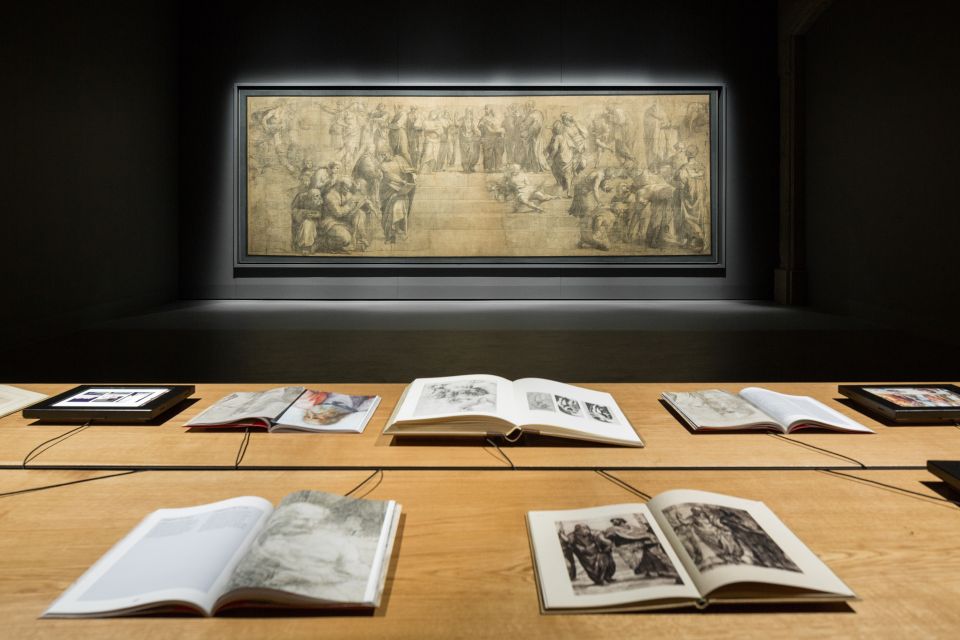
- Raphael’s School of Athens cartoon is the kind of single object that can steer your whole visit.
- Codex Atlanticus in the reading room turns Leonardo into a real process, not a distant myth.
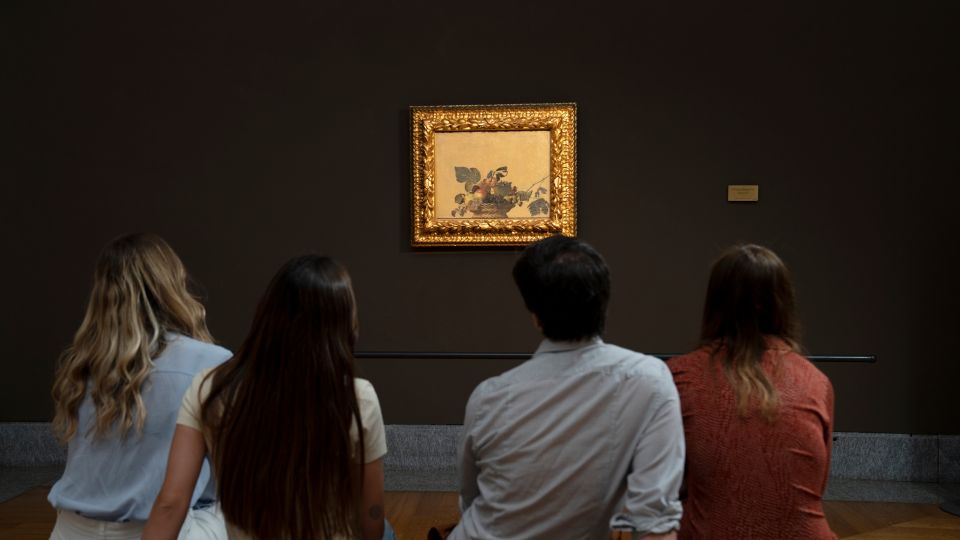
- Caravaggio’s Basket of Fruit hits harder in person than in most photos.
- The crypt pavement uses ancient stones from Mediolanum, so you’re walking on reused pieces of old Milan.
- Quiet museum pacing is part of the value—this isn’t the most crowded way to see masterpieces in town.
Pinacoteca Ambrosiana: Start Here and Get Your Bearings
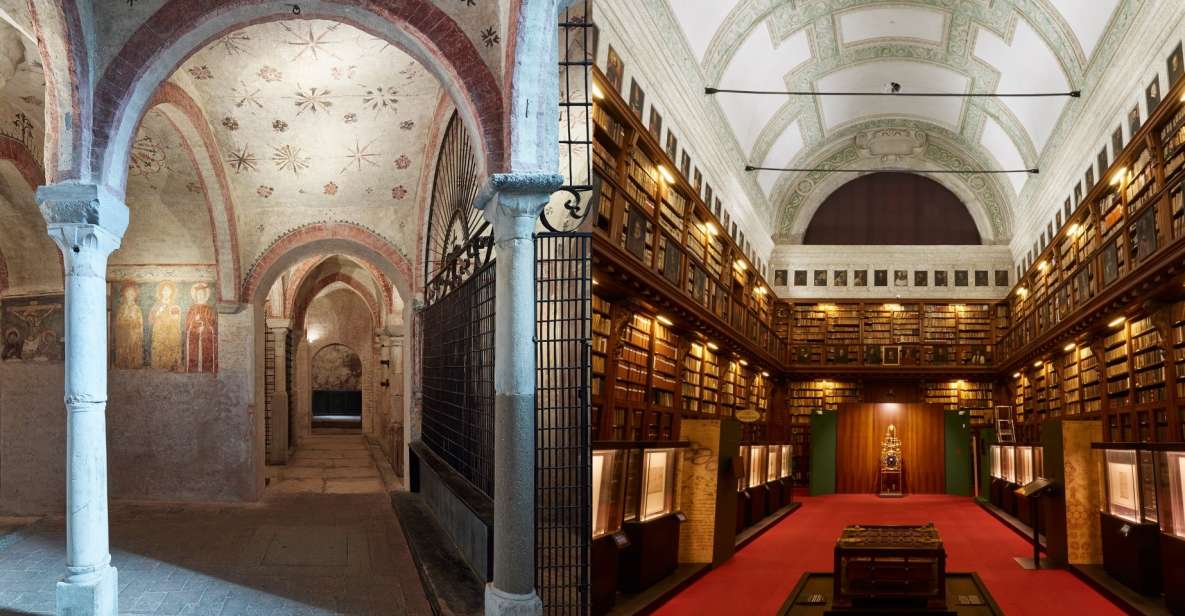
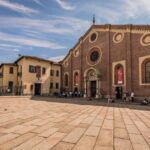
Your visit begins at the Pinacoteca Ambrosiana, Piazza Pio XI 2, and you’ll end after the crypt in Piazza San Sepolcro. In between, you’ll get a very “Milan” combination: art that feels intellectual and a second stop that takes you underground into the city’s older bones.
The Pinacoteca portion typically takes about 1.5 hours. I like this timing because it’s long enough to actually look, yet short enough that you won’t lose the thread if you’re still jet-lagged or bouncing between sights in the center.
This museum also has a reputation for being more manageable than the bigger-name collections. That matters in practice: you can stop at one painting, then move on, without feeling like you’re trapped in a crowd shuffle.
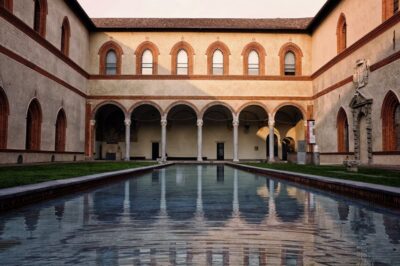
And yes, the building itself helps. A few visitors point out that the architecture and interior spaces make the first moments feel special, before you even get to the first painting.
You can also read our reviews of more tours and experiences in Milan

The Art Route: What to Prioritize in 90 Minutes
If you only skim, you’ll miss the point. The trick is to move with intention: pick a few “anchors,” then let the rest of the collection fill in around them.
Here are the highlights that are explicitly tied to this ticket, and why they’re worth your attention:
- Caravaggio’s Basket of Fruit
Caravaggio’s power is in contrast and presence. In person, the object feels more immediate, like you can step closer without needing context.
- Raphael’s School of Athens cartoon (the famous preparatory work)
This is one of those rare chances to see the thinking behind the masterpiece. Some visitors say it’s a top moment of the entire Milan trip—and I get why. It’s not just beauty; it’s construction.
- Brueghel’s flamboyant Vase of Flowers
Flower painting sounds decorative until you look longer. The details reward slow looking: texture, color, and the painterly confidence that makes still life feel alive.
- Leonardo’s portrait of the Musician
Leonardo’s appeal isn’t only accuracy. It’s the sense of attention—how the face and mood feel observed rather than arranged.
A lot of people also mention being impressed by the “restoration” side of the museum and the way some areas are set up for education and contemplation. If you’re the type who likes to understand how art is preserved, this is one of those places where that interest pays off.
The Library Reading Room and Codex Atlanticus: Art Meets Ideas
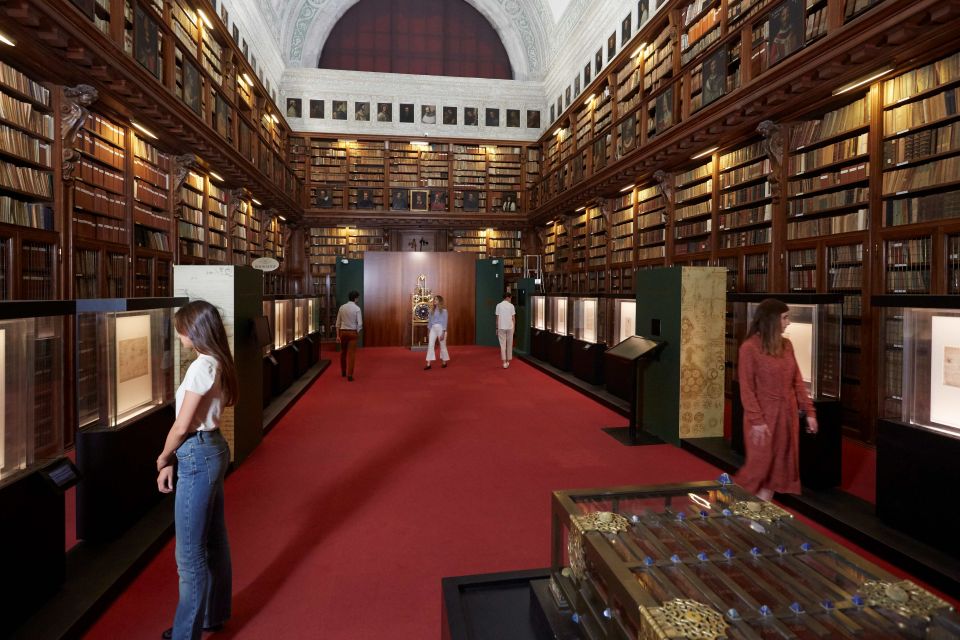
The library is a major reason this experience works. You’re not just looking at finished works—you’re stepping into a space where ideas are part of the show.
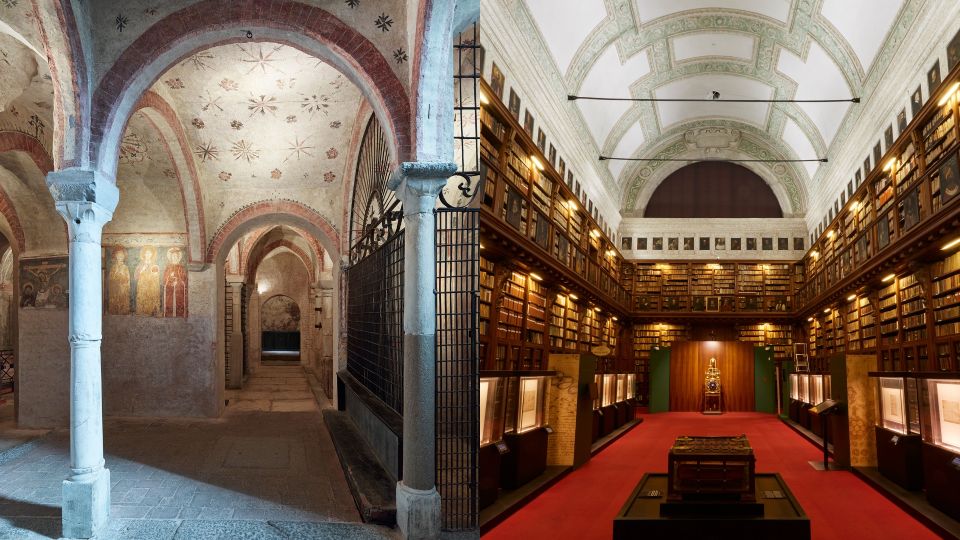
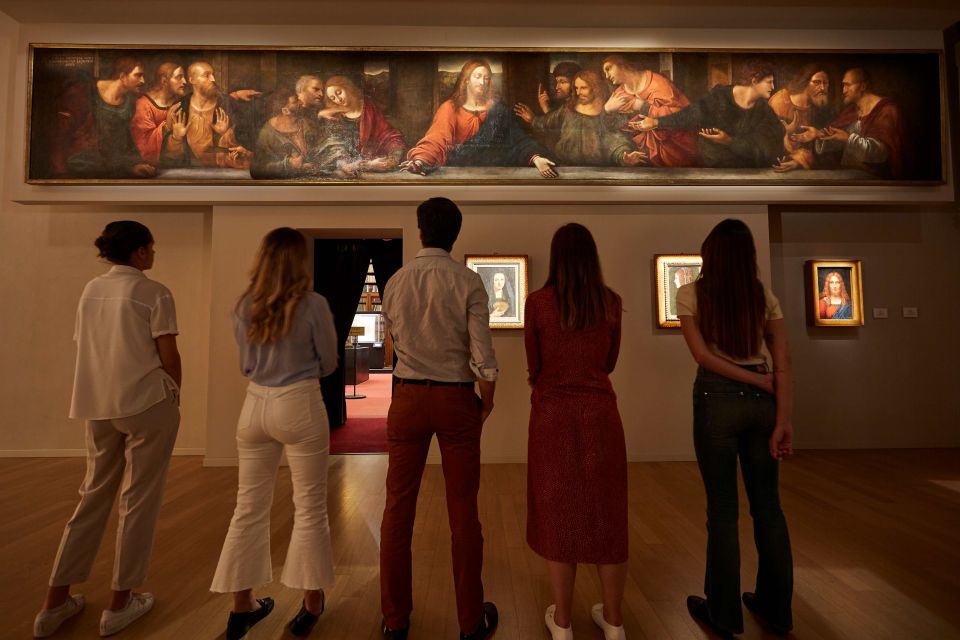
The museum’s library reading room includes the Codex Atlanticus exhibition. The key point for you: this is about Leonardo’s mind at work. You’ll be seeing original material like drawings and related pages, which changes how you interpret the paintings elsewhere in the collection.
Visitors often single out the codex-focused areas as a highlight, and a few mention that they found the museum especially moving when the displays connected Leonardo’s science and observation to his art. It’s a different kind of awe: less about “wow, famous name,” and more about “wow, real thinking.”
One practical benefit: because the reading room is its own environment, it breaks up the painting-only rhythm. You can step back, reset your eyes, and come back to the gallery with fresher attention.
If you’re traveling with someone who loves details (or just wants variety beyond painting galleries), this reading-room segment can be the most satisfying hour of the day.
How to Read the Museum: Symbols, Materials, and Mood
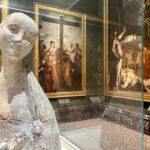
What makes the Pinacoteca Ambrosiana more than a checklist is how it mixes Italian masters with a sense of intellectual atmosphere. You’ll see famous artists named across the collection—Leonardo, Raphael, Caravaggio and others—and the displays are often set up so you can compare styles and intentions.
Lighting can vary. One visitor notes that the lighting may be a bit iffy in spots, so I’d treat this as a museum where you should lean in and take a moment with each work rather than relying only on distance.
Also, don’t expect every room to hit the same way. Some people enjoy the early galleries and find them especially interesting; others connect most strongly with the big-ticket names. The good part is that the museum is small enough to adjust your pace without losing time.
A nice bonus: the museum has seating in places, so it’s easier to actually contemplate. In a city where you’re often standing on marble and rushing to the next thing, that simple chance to sit can make the art feel less like a task.
San Sepolcro Crypt: Ancient Mediolanum Underfoot
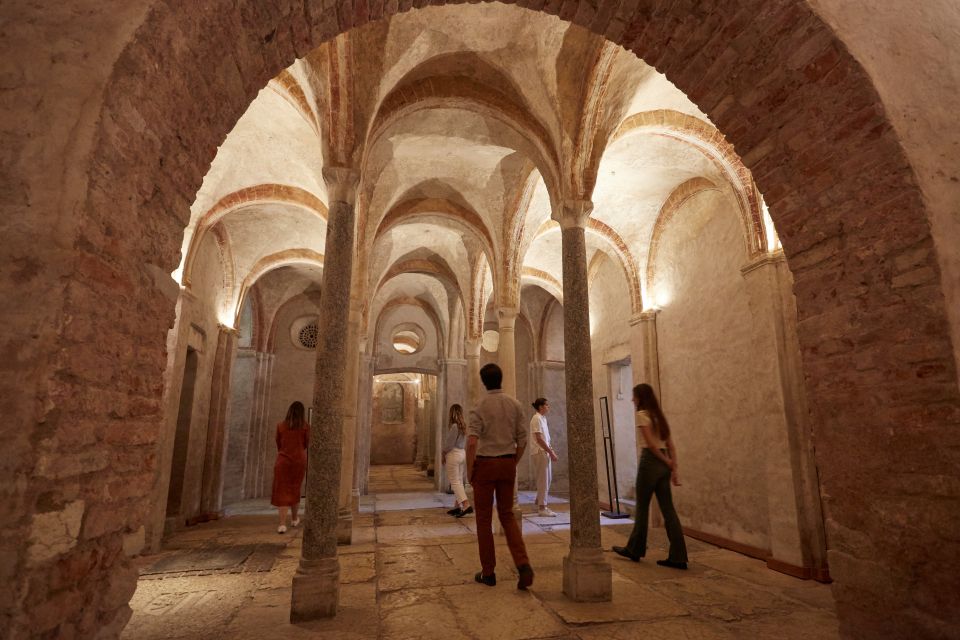
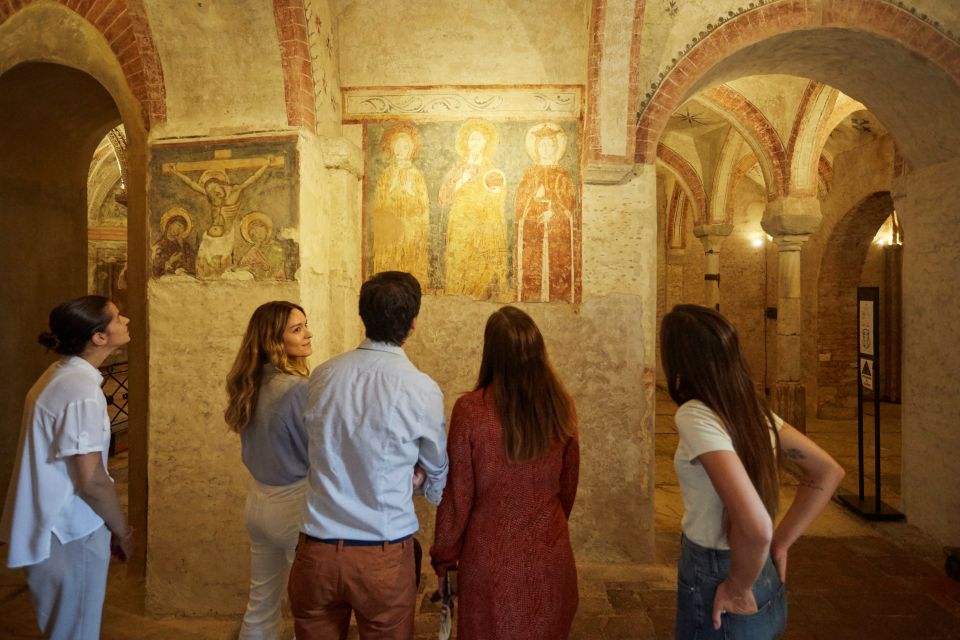
After the Pinacoteca, you’ll head to the Crypt of San Sepolcro at Piazza San Sepolcro. The crypt visit is usually 30–40 minutes—short, but dense.
This is a medieval hypogean church, and here’s what makes it more than a basement stop: the pavement uses ancient stones from the Roman city of Mediolanum. In plain terms, you’re walking on materials that were part of old Milan, then reused as the city evolved.
A lot of visitors say the ceiling is something to pay attention to once you’re down there. Even when the crypt feels small, that kind of visual detail turns it into a real “you are here” moment.
One thing to calibrate your expectations: a few people found the crypt modest and not instantly dramatic if they’re expecting a huge, modern visitor spectacle. But if you’re curious about layers—Rome, medieval Milan, and what survives—you’ll likely feel rewarded.
If you want extra context, some visitors mention an optional added experience (like VR) available at the crypt entrance. If it’s offered on your day, it can help convert an otherwise quiet room into a story you can follow.



Timing Rules: Last Entry at 5:30 PM
This is the part you should take seriously. The crypt has a last admission at 5:30 PM and it closes at 6:00 PM.
So your plan should be simple:
- Aim to finish the Pinacoteca with enough buffer that you can walk over, check in, and still take your time.
- If you’re spending extra time in the codex reading-room area, treat that as the thing that drives your schedule—not an optional add-on.
The Pinacoteca normally takes about 1.5 hours, and if you stretch it, you’ll need to shorten the other parts. The good news: the crypt doesn’t require long wandering. Once you understand the layout, you can focus on the ceiling, the pavement, and the key rooms without losing your evening.
If you’re visiting later in the day, this is one of those experiences where being prompt turns into more enjoyment, not stress.
Price and Value: Why $25 Can Work in Milan
At about $25 per person, this ticket bundles two very different experiences: a major art collection and a historical crypt. The value isn’t just the price tag—it’s the pairing.
You get:
- Admission to both the Pinacoteca Ambrosiana and the San Sepolcro Crypt
- A setup designed so you can manage your time without long ticket hassles (line-skipping is included)
- The library reading-room focus, which is often the “extra reason” people choose this over other Milan museum days
In a city where a lot of museums cost roughly the same ballpark on their own, combining a museum collection with an underground history stop is a smart use of limited time. Also, because the total visit is built for a single day, you don’t have to reorganize your whole trip just to fit it in.
If you like art that connects to ideas, not just pretty walls, this ticket tends to feel worth it fast.
Who This Fits Best (and Who Might Skip It)
This works best if you want:
- Big-name Italian masters in a setting that isn’t endlessly huge
- A museum stop that includes the Codex Atlanticus material, not just a passing mention
- A contrast between painting and place—above ground to underground
It’s also good for rainy days. The museum environment gives you a break from the streets, and many people find it peaceful enough to actually enjoy.
Where it might not fit:
- Anyone who relies on wheelchair-friendly routes for the crypt should take extra caution. The information here is clear: the experience is not completely accessible for wheelchair users or people with mobility impairments because the crypt has architectural barriers, even though many Pinacoteca rooms are wheelchair accessible.
- If you’re hoping the crypt will feel like a full-scale attraction with lots of space, you may find it more contained than expected.
Before You Go: Bags, Apps, and What to Expect on Arrival
A few practical rules can save you hassle at the start:
- No baby strollers
- No luggage or large bags
- No backpacks
So if you’re traveling light, you’ll be fine. If you packed like you’re going on safari, you’ll want a storage plan before you reach the ticket area.
On the audio side, this experience includes an app you can download on your device, and you can still listen after your visit. That’s useful because you can connect details in the museum to the crypt story later, instead of only getting one-time info while moving through rooms.
Some visitors also mention an audio guide option available for an extra fee, but the key built-in value is the app tied to your experience.
Should You Book This Pinacoteca and San Sepolcro Crypt Ticket?
Yes, I’d book it if you want a museum day that’s more thoughtful than frantic. The strongest reasons are the Codex Atlanticus reading room and the chance to see Raphael’s School of Athens cartoon in person, followed by a crypt that ties ancient Mediolanum materials into the present.
I’d think twice only if your mobility needs make the crypt difficult, or if you’re the type who needs a very large, dramatic underground attraction to feel satisfied. If you can work with a shorter crypt visit and focus on details, this is a very good way to experience Milan beyond the usual rush.
If your schedule allows you to hit the crypt before the 5:30 PM last entry, this ticket is one of the most efficient “art plus city roots” combos you can fit into a day.
FAQ
Where is the meeting point, and where does the visit end?
You start at the Pinacoteca Ambrosiana, Piazza Pio XI 2. You exit the Pinacoteca on Piazza San Sepolcro, where the Crypt of San Sepolcro entrance is located, and the tour ends in Piazza San Sepolcro.
How long should I plan for the full experience?
Plan about 1 day. The complete Pinacoteca visit normally lasts around 1.5 hours, and the crypt visit takes about 30–40 minutes.
What time is the last entry to the crypt?
The last admission to the crypt is at 5:30 PM, and it closes at 6:00 PM.
What does the ticket include, and how much is it?
The ticket is priced at about $25 per person and includes admission to both the Pinacoteca Ambrosiana and the Crypt of San Sepolcro.
Is there an audio option?
You can download the app on your device, and you can listen to it also after the visit.
Can I cancel for a refund?
Yes. Free cancellation is available up to 24 hours in advance for a full refund.
Is this experience wheelchair accessible?
It’s not completely accessible for people in wheelchairs or with physical impairments. Most of the Pinacoteca exhibition rooms are wheelchair accessible, but the crypt has architectural barriers.
Are strollers or backpacks allowed?
No. Baby strollers are not allowed, and luggage or large bags and backpacks are also not allowed.