REVIEW · MILAN
Milan: Bicycle Tour Live Tourist Guide 3 hours and half
Book on Viator →Operated by City Guided Tour · Bookable on Viator
Milan makes sense at bike speed. This small-group bicycle tour sweeps through central Milan in about 3.5 hours, with an English-speaking guide who pauses at each stop to add context. I especially like the way you cover more ground than a walking route, without feeling rushed.
One thing you’ll notice fast is the guide experience—names like Emilio, Katia, and Simon come up often for clear explanations and a pace that matches your cycling comfort. I also like that your bike and helmet are included, so you’re ready to ride with minimal fuss. The main catch: Duomo di Milano and Piazza della Scala are viewed from outside, since entry tickets for those sights aren’t included.
In This Review
- Key highlights at a glance
- Getting Oriented in Milan: Via Lecco to “first views” of the city
- Brera District and Arco della Pace: art galleries, palaces, and a big peace-minded arch
- Castello Sforzesco: Milan’s symbol, plus context you can actually use
- Basilica di Sant’Ambrogio and Roman-era traces: ancient Milan in small, human portions
- Darsena and the canal district: a quieter Milan intermission
- Piazza Affari and Piazza Mercanti: finance and medieval city governance
- Duomo di Milano from the street: the big exterior moment (and what’s not included)
- Galleria Vittorio Emanuele II and Piazza della Scala: luxury arcades to opera energy
- Price and Value: what $58.87 really buys you
- How to get the most out of the ride: practical tips before you pedal
- Who should book this Milan bike tour—and who should skip it
- Should you book it?
- FAQ
- How long is the Milan bicycle tour?
- What is the price per person?
- Is the tour in English?
- How many people are in the group?
- What’s included in the ticket?
- What’s not included?
- Where do I meet the guide?
- What should I know about cancellation and weather?
Key highlights at a glance
- Small group (max 8) keeps it personal and makes it easier to ask questions.
- Bike + helmet included means you can travel light and skip last-minute rentals.
- Quick, focused photo stops let you learn something at each landmark without losing momentum.
- Central Milan coverage goes beyond Duomo by linking art, castles, canals, and finance.
- Mostly flat, moderate pace makes it workable for most riders with at least basic comfort on a bike.
Getting Oriented in Milan: Via Lecco to “first views” of the city
Your tour starts and ends at Via Lecco, 18 (20124 Milan), which is handy because it’s in a walk-up part of town and near public transportation. You’ll begin with a short “Milan skyline” moment—enough to get your bearings before you jump into the neighborhoods.
This isn’t a long slog. It’s a 3 hours 30 minutes ride that feels like a guided circuit of the places first-timers circle on their own. You’ll be on a real bicycle with a helmet provided, and you’ll ride with a guide in English.
A big value here is the rhythm. The tour is structured so you don’t just pedal past things—you stop for a few minutes, then move on. That’s how you end up remembering what you saw, not just where you rode.
You can also read our reviews of more guided tours in Milan
Brera District and Arco della Pace: art galleries, palaces, and a big peace-minded arch
The first “deep thinking” stop comes in Brera District, an area known for its artistic identity. You’ll spend a short time here learning about the palace of Brera and how Brera became linked with artists and culture. Even with just a few minutes, it gives you a mental map for later when you spot the kind of architecture and vibe that makes Brera feel different from Milan’s commercial streets.
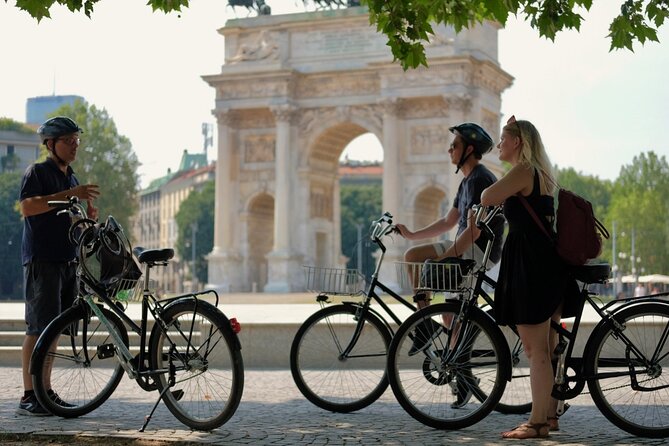
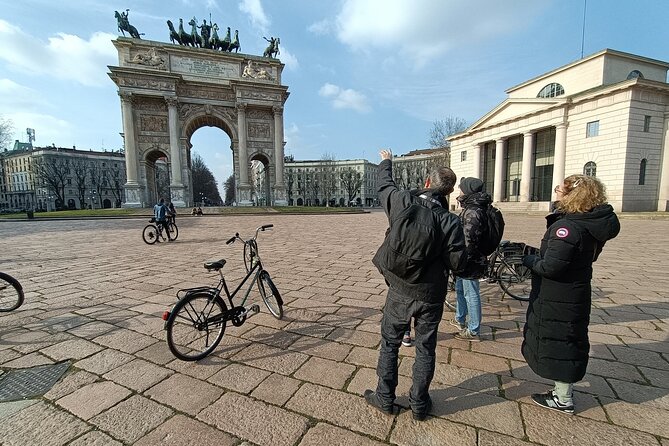
Then you roll over to Arco della Pace, the peace arch in front of Parco Sempione. The guide frames it as one of the city’s most neoclassical monuments, which helps you look at it more like a designed statement than a random landmark.
One practical upside: these are classic Milan sights that don’t require you to wait in lines during your ride. You’re learning while moving, then you keep moving.
Castello Sforzesco: Milan’s symbol, plus context you can actually use
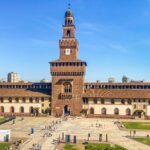
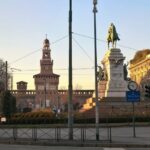
Next comes Castello Sforzesco. This is one of Milan’s biggest identity markers, and the tour gives you a focused introduction to the Sforza story and why the castle matters today—plus what’s housed there now.
You get about 10 minutes at the castle area. That’s enough time to take photos, but more importantly, it’s enough time for the guide to explain what you’re looking at so you don’t feel like you’re just snapping pictures at walls. The castle scale also helps. It’s huge, and your brain understands the city better when you see how such a fortress sits right in the middle of urban Milan.
Drawback to know: you’re not doing a full interior museum visit in this format. Plan to treat the castle as an exterior + orientation stop, unless you choose to return later.
Basilica di Sant’Ambrogio and Roman-era traces: ancient Milan in small, human portions
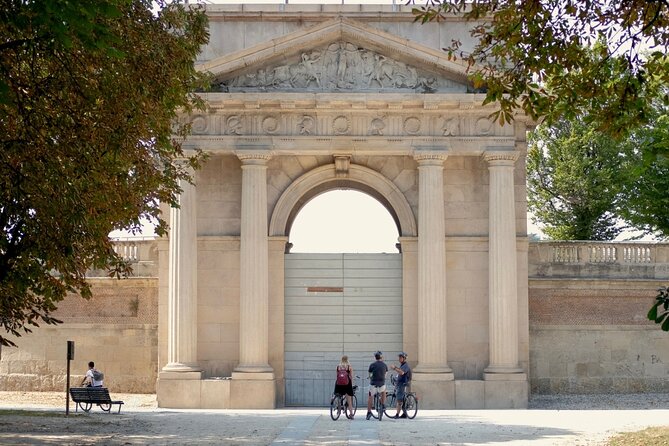
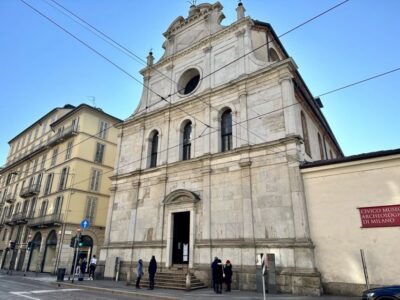
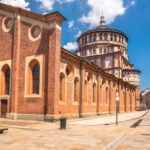
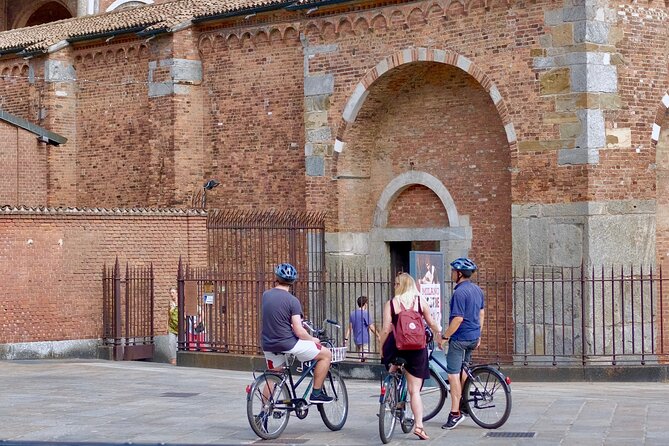
From the castle zone, the tour shifts to Basilica di Sant’Ambrogio, the ancient church tied to Milan’s patron saint. You’ll have about 10 minutes here, and the stop works best when you treat it like a quick “why this place exists” moment. Even if you don’t go deep into architectural details, you’ll leave with clearer context for why this part of Milan feels older than the districts around it.
Just after that, you’ll see traces of Roman-era Milan dating back to the second century. This is the kind of stop that’s easy to miss if you’re wandering on your own. Having a guide connect it to the idea of Roman continuity in the city makes it more than just an interesting fact.
One thing to keep in mind: since you’re cycling between stops, you’ll want to stay alert at each street transition. It’s not about being a fearless rider—it’s about staying focused when the city gets busy.
Darsena and the canal district: a quieter Milan intermission
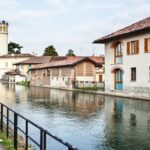
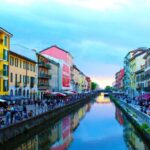
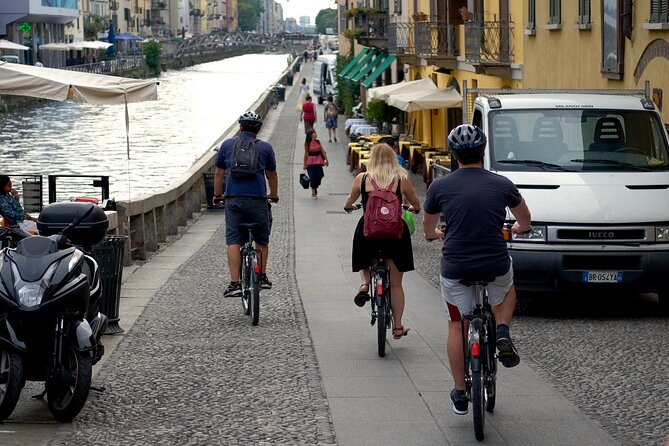
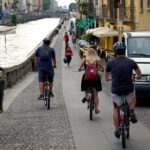
After the heavy historical anchors, the route lands at Darsena. This area is known for its historic waterways and the way the district feels like a blend of old infrastructure and modern daily life. You’ll get about 10 minutes here, which is a comfortable break after the more landmark-heavy stops.
This stop often works as a mood reset. Milan can feel fast and image-driven, but Darsena gives you a different tempo. You can slow down, look at the water, and notice how the city repurposes space over time.
If you like photos with atmosphere—reflections, waterfront edges, the “where people actually go” feeling—this is one of your better chances during the ride.
You can also read our reviews of more tours and experiences in Milan

Piazza Affari and Piazza Mercanti: finance and medieval city governance
Then the tour enters Milan’s “power centers.” You’ll stop at Piazza Affari, the Stock Exchange square, where the standout detail is a contemporary art installation. This is a nice contrast to the older stops: you see how Milan mixes business identity with public art.
From there, you head to Piazza Mercanti, a medieval square tied to the old municipal administration. It’s short—around 5 minutes—but it’s a meaningful reminder that Milan’s governance and civic life has deep roots, even when today’s streets look modern.
A tour like this is smart for first-timers because it helps you connect “Milan the brand” to “Milan the lived city.” You’re not only learning names of places; you’re learning what each place used to do.
Duomo di Milano from the street: the big exterior moment (and what’s not included)
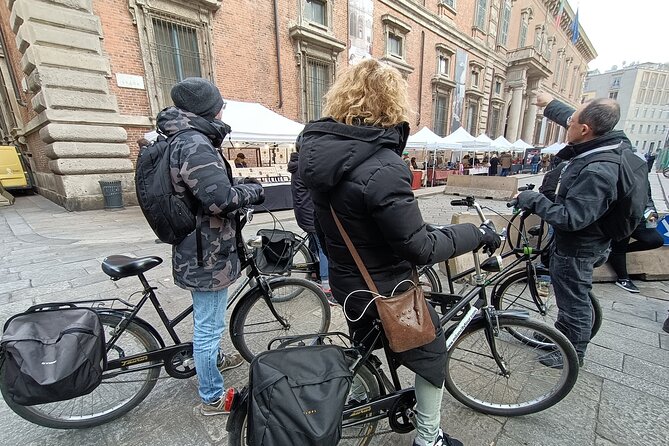
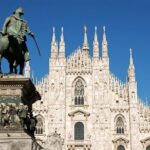
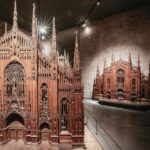
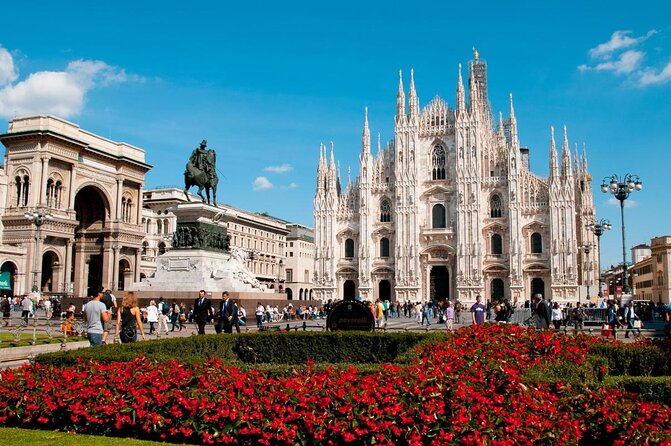
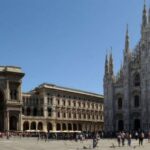
By the time you reach Duomo di Milano, you’re already primed to look at it with context. Expect about 10 minutes at this stop, but note the key detail: it’s seen outdoors, and admission tickets aren’t included. That means you won’t be doing the full cathedral interior experience as part of this specific tour.
This can be a downside if your goal is an inside-the-Duomo visit. On the other hand, the bike tour angle still works well because you get time to appreciate the scale and craftsmanship from street level, plus you’ve already learned how Milan’s past feeds into its present.
If Duomo interior is a must for you, treat this as your orientation visit. You can decide later whether to return for a dedicated ticketed visit.
Galleria Vittorio Emanuele II and Piazza della Scala: luxury arcades to opera energy
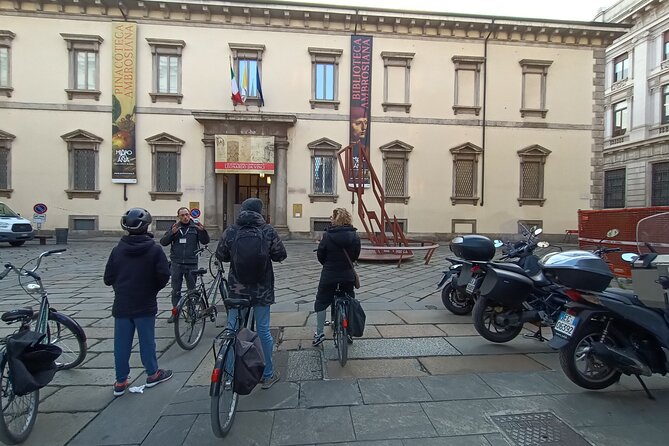
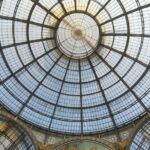
Next is Galleria Vittorio Emanuele II, the historic luxury shopping arcade built in the late 1800s. You’ll have about 5 minutes, which is enough to appreciate the architecture and the “shopping arcade theater” feeling—high ceilings, grand lines, and that classic Milan elegance.
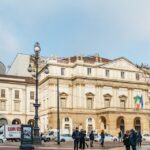
Then comes Piazza della Scala, where you’ll see the outside views of La Scala and Palazzo Marino. Again, tickets for the theater itself aren’t included, so you’re here for exterior views and the sense of place. It’s still a worthwhile stop because La Scala is not just a building—it’s an institution. Even without entry, the surrounding area tells you a lot about Milan’s cultural gravity.
Tip for your eyes: these two stops are where Milan feels most “postcard polished.” If the rest of the tour gives you context, these final moments make it snap into focus.
Price and Value: what $58.87 really buys you
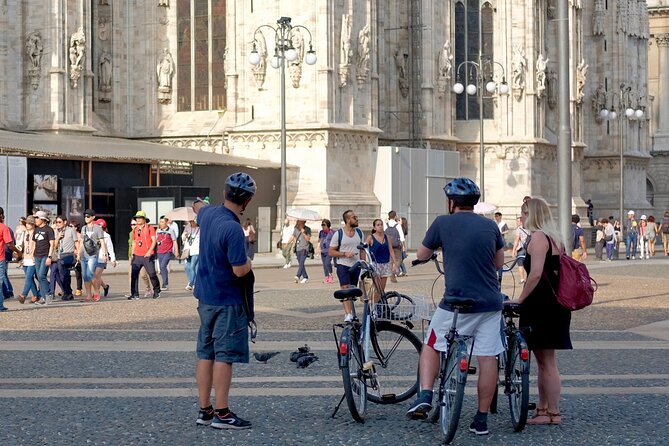
At $58.87 per person, this tour lands in a sweet spot for a guided experience that isn’t just one neighborhood. You’re paying for three concrete things: a tour guide, a bicycle, and a helmet, with a ride length that lasts about 3.5 hours.
For value, the real question is what you avoid. A guided bike format helps you avoid the time cost of walking between far-apart sights, and it gives you guided context during the ride. That combination is often more efficient than paying for multiple separate tours if your goal is a first overview.
On the trade-off side, some major “ticket attractions” here are not included. You’ll see Duomo and La Scala from outside. If those two are your priority for paid interior time, you’ll likely add something later on your own.
Still, as an introduction to Milan—especially if it’s your first time—this price usually feels fair because the itinerary connects neighborhoods you might not link together on your own.
How to get the most out of the ride: practical tips before you pedal
This tour assumes moderate physical fitness and a minimum age of 12. If you’re comfortable on a bike in city traffic conditions, you’ll likely be fine.
Here’s how to set yourself up for an easy experience:
- Wear weather-appropriate clothing and expect the tour to require good weather.
- Arrive ready to ride. Since hotel pickup/drop-off isn’t included, you’ll want to reach Via Lecco on time using transit or a short walk.
- Bring a little patience. Streets around major attractions can get busy with pedestrians moving at different speeds, so you’ll want to stay attentive at crossings and stops.
A small note from the kind of feedback people often share: bikes can be perfectly usable, but they may not feel brand-new. If you’re sensitive about seat comfort or bike maintenance details, you’ll feel better if you do a quick check before you start riding.
Who should book this Milan bike tour—and who should skip it
This is a great choice if you want a first-pass Milan day. You’ll cover central landmarks with enough time at each stop to learn what you’re looking at—without needing to plan museum tickets for every stop.
It’s also a strong match if you enjoy guidance but want movement. You get education plus motion, which is ideal when your schedule is tight and you don’t want to spend the whole day standing in lines.
You might want a different plan if you specifically want major interior visits. Because Duomo and La Scala are outdoor/exterior for this tour, you’ll need separate tickets if those interiors are your must-do.
Finally, if you prefer very custom routes, the max 8 traveler size helps. It’s still a structured route, but the smaller group format tends to make questions and small pacing adjustments feel more doable.
Should you book it?
Yes—if you’re using this as your Milan orientation tour. The included bike and helmet, the English-speaking guide, and the fact that you stop often enough to learn make this a practical value for most first-timers.
Book it when you want to see Milan as a connected city: Brera’s art identity, Sforza’s power and scale, Sant’Ambrogio’s ancient anchor, the Roman traces, then the canals and the civic squares, and finally the Duomo and La Scala area from the outside.
I’d skip or complement it if your main goal is interior cathedral and theater time. This tour is built for sights and context on the street. If that fits your travel style, it’s a very solid way to get your bearings fast.
FAQ
How long is the Milan bicycle tour?
The tour lasts about 3 hours 30 minutes (approx.).
What is the price per person?
The price is $58.87 per person.
Is the tour in English?
Yes, the tour is offered in English.
How many people are in the group?
The tour has a maximum of 8 travelers.
What’s included in the ticket?
You get use of a bicycle, use of a helmet, and a tour guide.
What’s not included?
Hotel pickup and drop-off are not included, and admission is not included for Duomo di Milano and Piazza della Scala (outside views only).
Where do I meet the guide?
Meet at Via Lecco, 18, 20124 Milano MI, Italy. The tour ends back at the meeting point.
What should I know about cancellation and weather?
You can cancel for a full refund up to 24 hours before the start time. The experience requires good weather; if it’s canceled due to poor weather, you’ll be offered a different date or a full refund.