REVIEW · MILAN
Mamma Mia – Bake The Real Italian Pizza
Book on GetYourGuide →Operated by Armando Arena · Bookable on GetYourGuide
A real oven, real dough, and a real Italian vibe. This private pizza class in Lombardy is all about learning the local way of making pizza, then eating what you bake with wine.
I especially love the hands-on process with clear teaching, and I also like the fact you get a recipe so you can recreate the results later.
One thing to consider: it’s held in a private pizza studio (not a public restaurant), and the overall tone is very no-nonsense about toppings.
In This Review
- Key things that make this class worth your time
- A Private Lombardy Kitchen With Armando Arena
- What Happens in the 2-Hour Class From Dough to Oven
- 1) You meet the host and get the pizza context
- 2) Mixing the dough: start where the magic begins
- 3) Kneading like a pro (without intimidation)
- 4) Baking to perfection and learning the cues
- 5) Eat what you made: main meal energy, not just a snack
- The Italian Pizza Secrets You’ll Actually Use Later
- Dough technique isn’t complicated, it’s consistent
- The class connects pizza types to Italian food culture
- Wine included is not just a perk
- Crunchy Homemade Pizza Results (Yes, It’s the Point)
- Price and Value: Is $93 Fair for a 2-Hour Private Class?
- Who Should Book This Pizza-Making Class in Lombardy?
- After the Class: Tips and Memories You Can Use
- Should You Book Mamma Mia – Bake The Real Italian Pizza?
- FAQ
- Where does Mamma Mia – Bake The Real Italian Pizza take place?
- How long is the cooking class?
- How much does it cost?
- What languages is the instructor available in?
- What’s included in the experience?
- Is there free cancellation?
- Can I reserve and pay later?
Key things that make this class worth your time
- Private studio class with Armando Arena and a friendly, patient teaching style
- English, French, Italian, and Spanish instruction so you can follow along confidently
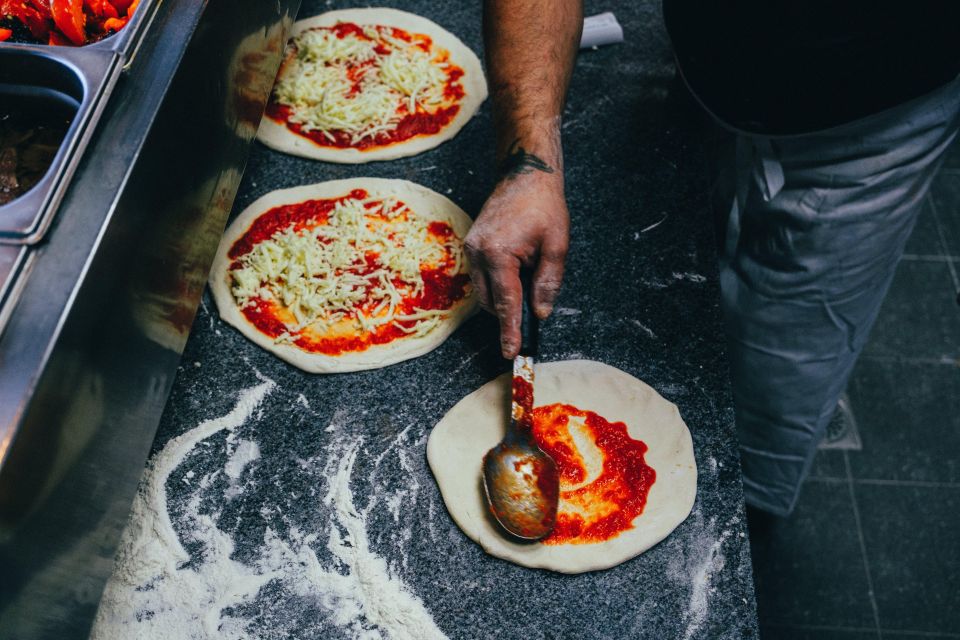
- Real dough work: mixing, kneading, and baking with guidance
- Pizza that’s made to be eaten (not a demo you watch)
- Wine and soft drinks included, paired with the pizza you produce
- A take-home recipe, plus “fun facts” that make you sound like you know pizza
A Private Lombardy Kitchen With Armando Arena
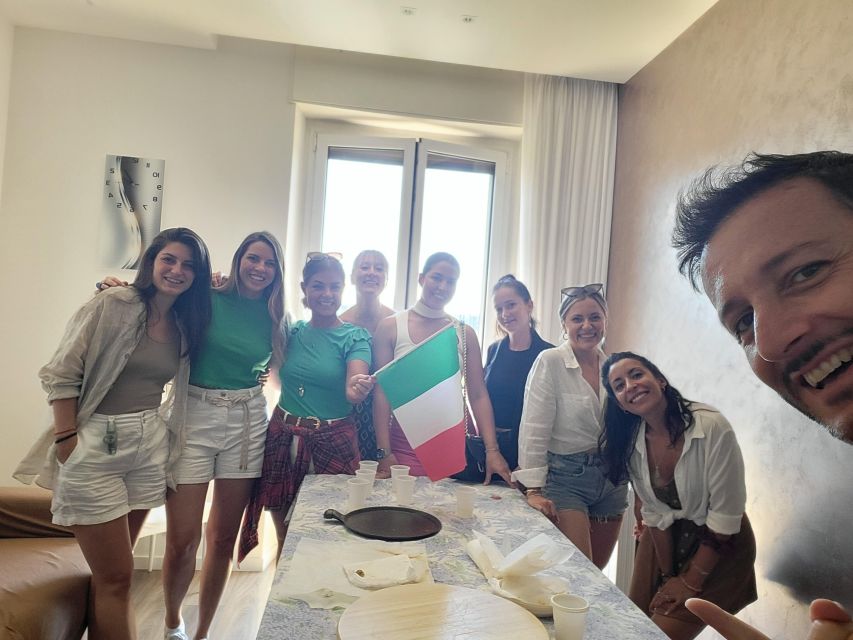
This experience takes place in Lombardy, Italy, in a private pizza studio. That matters more than you might think. You’re not squeezed into a dining room while someone else does the work. Instead, you’re in a kitchen setting where you can actually learn how the dough behaves, how the process flows, and what “authentic” means in practice.
Your host for the class is Armando Arena. Based on what people describe, he’s welcoming and keeps things moving at a pace that doesn’t feel rushed. More than once, the teaching is described as patient and reassuring—exactly what you want when you’re kneading dough that’s supposed to end up stretchy, smooth, and bake-ready.
Also, this class has that classic small-classes feel. It’s built as a private cooking class, and some sessions are even described as having just a handful of people, which means fewer distractions and more time for questions. If you like learning with direct attention (rather than “watch from the side”), you’ll likely appreciate that.
You can also read our reviews of more cooking classes in Milan
What Happens in the 2-Hour Class From Dough to Oven
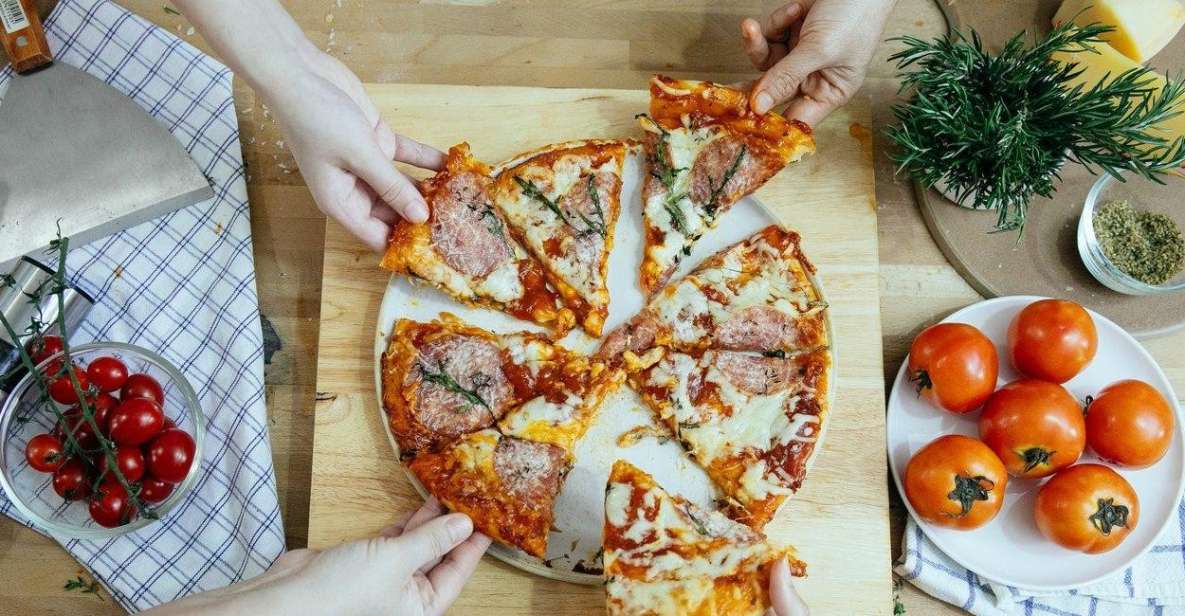
The total time is about 2 hours, which is a good length for a pizza class. Long enough to learn real technique, short enough that you don’t burn your whole day on the experience.
Here’s the flow you can expect, step by step:
1) You meet the host and get the pizza context
You’ll be welcomed by the host when you arrive. Then you’ll start with an orientation that goes beyond just bread-and-flour basics. The focus is on how pizza fits into Italian food culture, and you’ll learn differences between pizza types and how Italian cuisine shifts across regions.
That part is useful because pizza isn’t one thing. Texture, dough style, and topping logic all tie back to local tradition and technique. Even if you’ve eaten pizza your whole life, this kind of context helps you stop thinking of pizza as just a delivery food.
2) Mixing the dough: start where the magic begins
Next comes the dough. You’ll learn how to mix your dough and what the process is trying to achieve. In hands-on classes, this is where people often struggle—because pizza dough is forgiving, but only if you treat it right.
The goal here isn’t to memorize recipes like a lab manual. It’s to understand what you’re looking for as you work: how the dough changes under your hands and how it sets up for kneading and baking.
3) Kneading like a pro (without intimidation)
After mixing, you knead. This is one of the most practical parts of the whole class. Kneading is where you build the dough’s structure, and the instructor shows you how to do it. People describe the instruction as clear and supportive, including individual guidance after demonstrations.
If you’ve ever watched someone knead and thought, I have no idea what I’m supposed to be feeling, you’re in the right place. You learn what to look for and how to adjust if the dough doesn’t behave like you expect.




4) Baking to perfection and learning the cues
Once your dough is ready, you bake it to perfection. The experience is presented as learning how to bake the pizza right—not just turning on an oven and hoping for the best.
The key value here is that you get the “what to watch for” approach. Pizza is mostly timing and heat. Learning the cues during baking gives you confidence for making pizza later, even if your home oven isn’t identical to a studio setup.
5) Eat what you made: main meal energy, not just a snack
When you’re done, you sit back and enjoy your pizza. The format is described as a bit like an appetizer, but also as a main dish—meaning you’ll taste enough to feel satisfied, not like you’re just doing a quick sample.
The included meal covers the pizza flavors you make, plus wine and soft drinks. So the class ends with the best kind of feedback: results you can taste immediately.
The Italian Pizza Secrets You’ll Actually Use Later
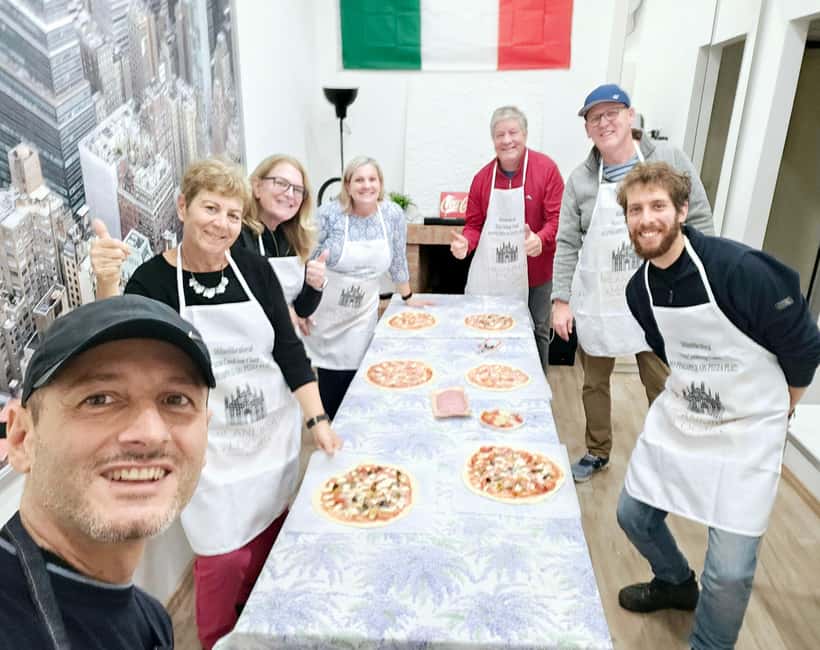
Lots of cooking classes teach you what to do. The best ones teach you why your pizza looks and tastes the way it does. This one is built around learning secrets of Italian pizza—especially the parts that carry into real home cooking.
Here are the “transferable” lessons you’ll care about:
Dough technique isn’t complicated, it’s consistent
I like that the class focuses on simple, repeatable steps: mix, knead, bake. That’s the kind of system you can carry into your kitchen without needing special gadgets or a long checklist.
Once you understand what the dough should feel like and how it should respond, you stop guessing. That’s when homemade pizza gets fun instead of stressful.
The class connects pizza types to Italian food culture
You’ll learn about differences between various types of pizza and how Italian cuisine varies through Italy. Even if you don’t become a pizza historian overnight, that context helps you choose better toppings and develop a more Italian way of thinking.
You also get plenty of fun facts—useful at dinner parties, sure, but more importantly, they help you notice details the next time you eat pizza out.
Wine included is not just a perk
Wine is included with the meal, and soft drinks too. In a pizza class, that matters because you’re not just working. You’re also relaxing while eating the results.
One review mentions wine staying flowing, and that lines up with the class vibe: learn, work, then enjoy. It makes the experience feel like a genuine evening meal, not a rushed workshop.
Crunchy Homemade Pizza Results (Yes, It’s the Point)
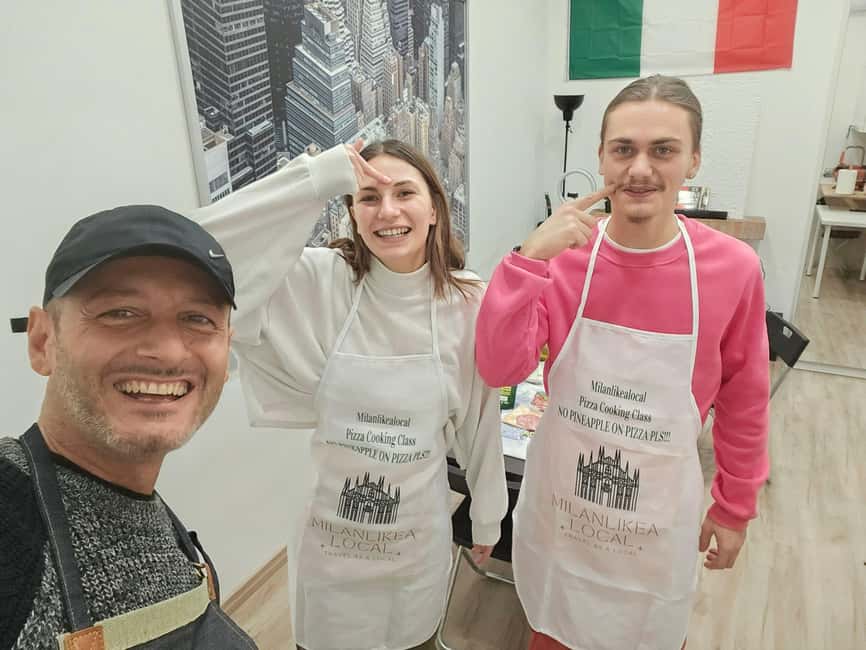
Let’s talk food. The highlights are all about savoring crunchy, amazing homemade Italian pizza—specifically described as THE Italian homemade pizza.
What you should take from that isn’t just hype. It’s about texture and freshness. Pizza you make yourself, then eat right away, tastes different than something you reheated from yesterday. You’ll taste how the dough developed, how the bake worked, and what the toppings approach does to the final bite.
And there’s a quirky, memorable rule in the spirit of the class: no pineapple pizza eaters allowed. It’s clearly meant as humor, but it also signals the attitude. This isn’t a “anything goes” cooking session. It’s tradition-leaning, technique-forward, and proud of its choices.
If you love pineapple on pizza, just know the class leans strongly the other direction. You’ll still learn, but you may feel like the class has a clear preference.
Price and Value: Is $93 Fair for a 2-Hour Private Class?
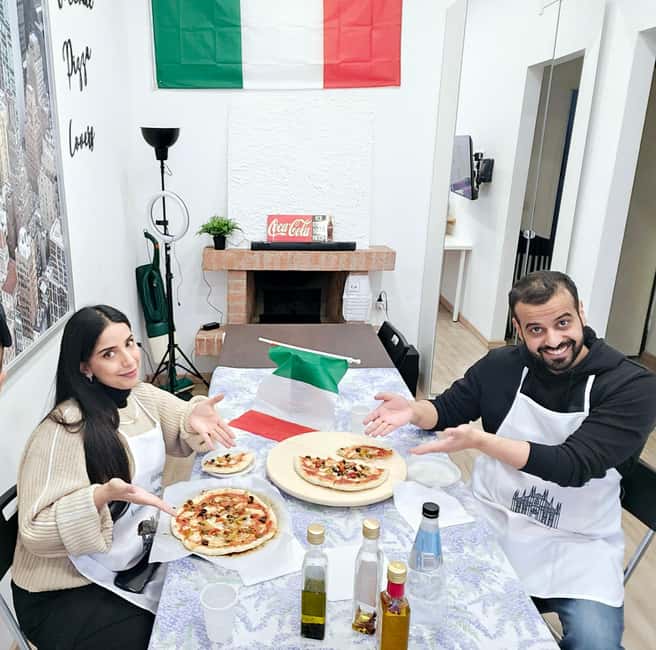
At $93 per person for a 2-hour private cooking class, the big question is value. The answer is mostly in what’s included.
You get:
- Pizza in different flavours
- A main meal
- Equipment to cook with
- Wine
- Soft drinks
- A recipe to take home
That turns the price into something closer to a lesson + meal package rather than a “tour with a snack.” In practice, you’re paying for guided instruction, dough technique, baking help, and the ability to replicate the result later.
Also, you’re not paying for a large group experience. The class is a private pizza studio setup, and many people describe getting more personal attention and clear teaching. When you learn by doing—mixing, kneading, baking—the cost often makes more sense than a longer class where you only watch.
So for me, $93 feels fair if you want more than a foodie outing. It’s a good price when you plan to actually use what you learn.
Who Should Book This Pizza-Making Class in Lombardy?
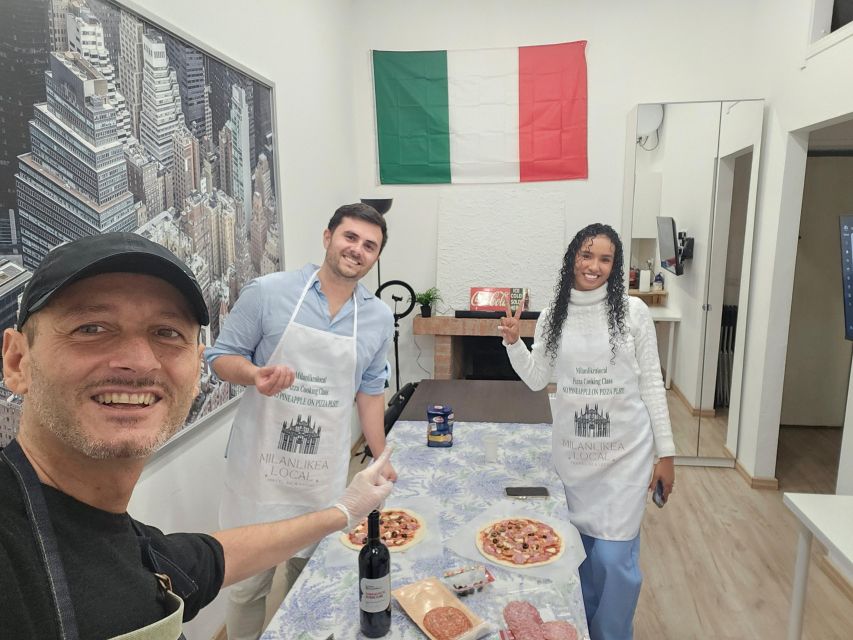
This experience fits best if you want:
- A hands-on Italian cooking class, not a lecture
- Clear instruction in an easy format
- A meal that feels like part of the class (you eat what you make)
- A take-home recipe and pizza knowledge for later
It’s also a smart choice if you travel with food-obsessed friends or family. Pizza is one of those activities where everyone understands the payoff. Even if one person is less confident in the kitchen, dough and baking are visual and forgiving once someone guides you.
The reviews highlight a few traits you’ll likely appreciate: Armando described as kind and patient, with instructions that put people at ease. One person even mentions that the class includes stories, songs, and humor, which makes it feel more like a relaxed Italian evening than a stiff cooking lesson.
Who might skip it?
If you’re looking for a casual walk-through of a restaurant’s kitchen vibe, this won’t match that. This is a private studio class. And if you’re determined to talk pineapple toppings with zero interest in traditional logic, the class tone may feel off.
After the Class: Tips and Memories You Can Use
One of the nicer extras is what can happen around the teaching. People describe Armando offering recommendations for the rest of the trip, and one review mentions he was even seen at a gelato place he recommended a few days later.
That’s not guaranteed for every schedule, but it reflects the kind of host this is: local-minded, approachable, and happy to steer you toward other food stops.
If you want to keep the Italian food vibe going, you can also follow the host’s Instagram page mentioned for photos: milanlikealocal_experiences. It’s a small way to get more context and see the kind of food focus this host brings.
Should You Book Mamma Mia – Bake The Real Italian Pizza?
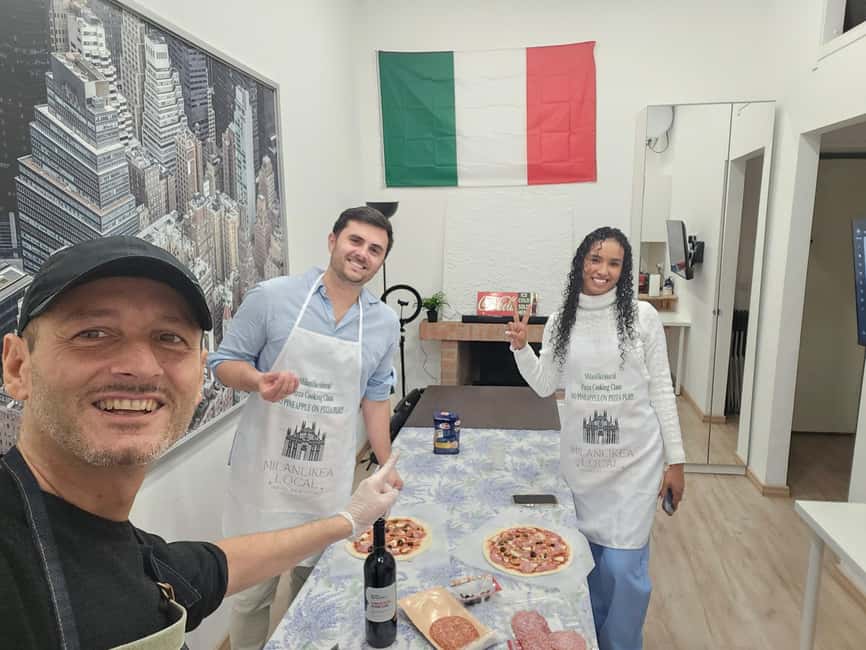
I’d book this if you want a short, high-impact experience with real kitchen time. The mix of hands-on dough work, clear teaching by Armando Arena, and an end-of-class meal with wine hits a sweet spot for value.
Book it especially if you care about texture and technique—crunchy crust, good dough feel, and baking results you can copy. And if you like learning pizza differences across Italy, you’ll probably enjoy the extra “fun facts” side too.
I’d think twice if you want a traditional restaurant dinner or if you’re not open to a class that has strong opinions about pizza basics. But for most people, this is exactly the kind of activity you do once and then keep using at home.
FAQ
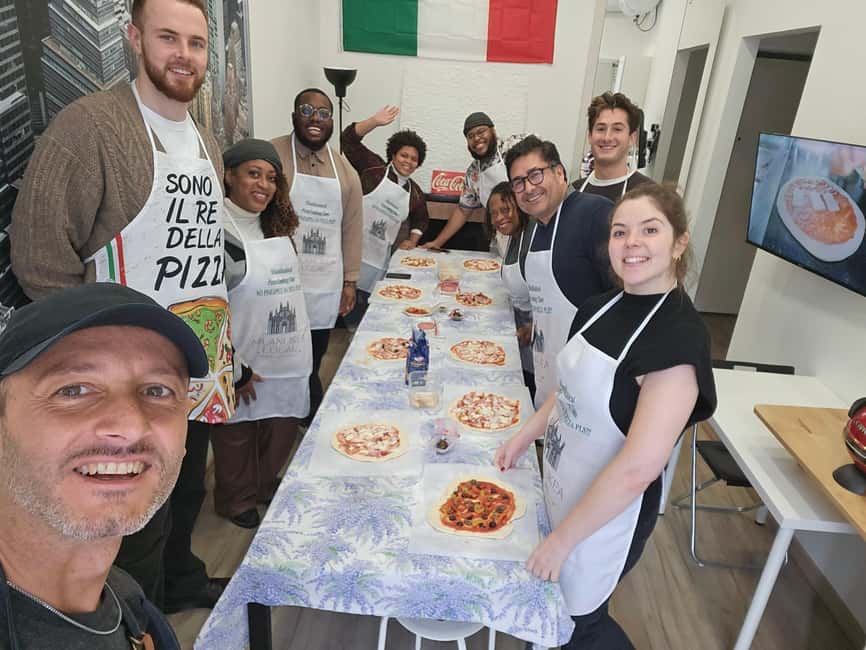
Where does Mamma Mia – Bake The Real Italian Pizza take place?
It takes place in Lombardy, Italy, in a private pizza studio (not a public restaurant). You’ll be welcomed by the host.
How long is the cooking class?
The duration is 2 hours.
How much does it cost?
The price is $93 per person.
What languages is the instructor available in?
The instructor can teach in English, French, Italian, and Spanish.
What’s included in the experience?
It includes pizza in different flavours, a main meal, equipment to cook, wine, soft drinks, and a recipe.
Is there free cancellation?
Yes. You can cancel up to 24 hours in advance for a full refund.
Can I reserve and pay later?
Yes. You can reserve your spot and pay nothing today (based on the reserve and pay later option).