REVIEW · MILAN
Learn to Cook Italian Recipes with an Italian Chef
Book on Viator →Operated by Chef and the City · Bookable on Viator
Three courses. Zero menu spoilers. This Milan class with an Italian chef is built to be relaxed but professional, and you only learn what you’ll cook once you’re in the kitchen. I like the surprise-menu format, because it forces you to focus on technique instead of memorizing a fixed recipe list.
I also love that you don’t just watch: you cook the starter, first course, and dessert with direct help, then sit down to eat everything you made, paired with Italian wine, plus you leave with the full recipe set. One possible drawback to plan for: wine is included, but it may be handled as shared rather than unlimited, so if that matters to you, it’s smart to ask how portions work before you arrive.
In This Review
- Key highlights
- Inside Milan’s street-level kitchen: what the start feels like
- The big twist: learning techniques before you know the menu
- Starter time: bruschetta, focaccia, parmigiana-style cooking (and why you’ll care)
- Fresh pasta and handmade dumplings: where the lesson earns its keep
- Dessert classics: tiramisu, cantucci, pan meino, and more
- Lunch, dinner, coffee, and Italian wine: what’s included and how to think about value
- How to get the most out of it: practical tips for your prep and mindset
- Clean hands, clear instructions: what the best sessions feel like
- Who should book this Milan cooking class (and who might not)
- Should you book it?
- FAQ
- FAQ
- Is the menu fixed before I arrive?
- How long is the cooking experience?
- What language is it taught in?
- Do I eat the food I cook?
- Is wine included?
- What equipment and ingredients are included?
- Can I bring luggage?
Key highlights
- Surprise menu on arrival: the exact dishes are revealed in class, with the sample menu as a guide
- Hands-on, step-by-step teaching: you get help as you cook and can take notes
- Three-course meal + wine: you end by eating what you made with Italian wine and drinks
- From-scratch by hand cooking: expect bread, pasta/dumplings, and a classic dessert
- Small-group feel: up to 20 people, and the learning layout is set for interaction
- Recipes to take home: you get the instructions after the session so you can recreate it
Inside Milan’s street-level kitchen: what the start feels like
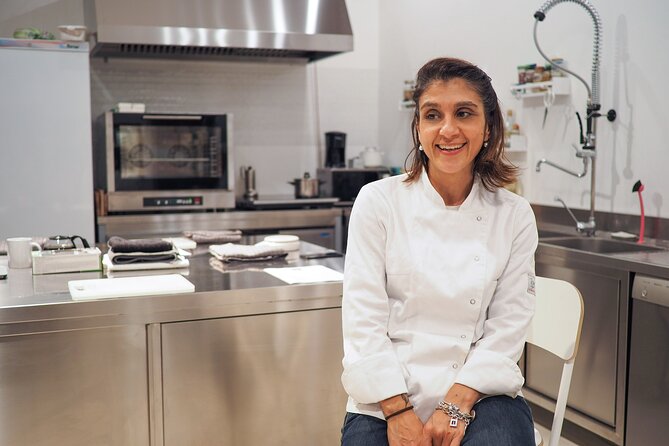
This is one of those Milan experiences that works because the logistics are simple. Your start point is Via Laura Ciceri Visconti 4 (20137 Milano). Look for the street-level kitchen and the red CHEF AND THE CITY sign in the windows. Ring the front door bell, and you’ll be pointed into the workspace.
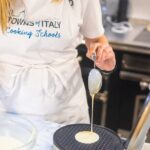
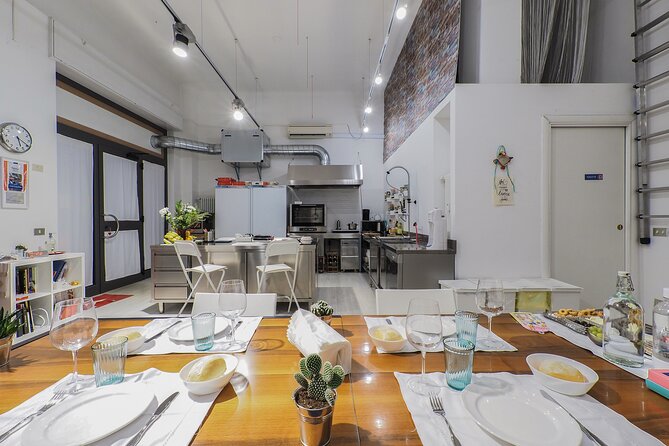
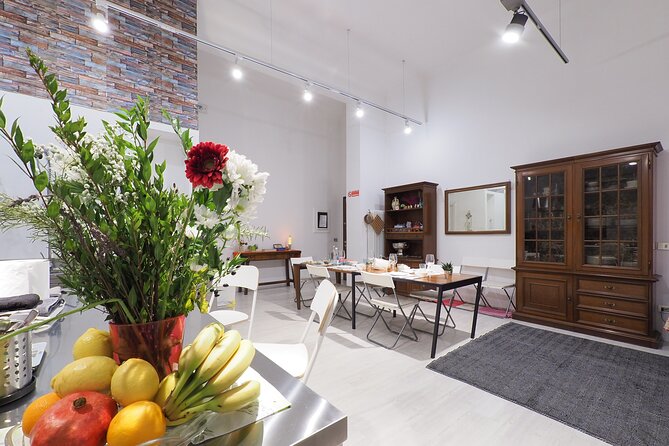
Once you’re inside, the vibe is part classroom, part real kitchen. The setup is meant for you to work in a team: you’ll be equipped with an apron and have the cooking tools you need. There’s no sense of being herded around with a camera. Instead, you’ll be asked to do the tasks as you go.
Group size matters here. The class caps at 20 travelers, and that ceiling helps keep the teacher’s attention practical. In the past, some groups have reported smaller, more intimate sessions, which usually means more time for questions and quicker feedback when something doesn’t behave as expected.
You can also read our reviews of more cooking classes in Milan


The big twist: learning techniques before you know the menu
Here’s what makes this class different from the usual cooking “show-and-tell” format: you don’t know what you’ll cook until you arrive. The sample menu is helpful, but it’s exactly that—an example of the kinds of dishes you’ll make.
That surprise factor changes how the lesson feels. You’re not stuck thinking, I hope I get the dish I recognize. You’re instead learning how Italian cooks build flavor and structure—step by step—no matter which starter, pasta, or dessert lands on your cutting board.
The chef’s teaching style is very specific: the lesson centers on HOW, WHEN, and WHY for each part of the process. That matters because Italian cooking is often about timing and texture as much as ingredients. For example, a dough can be right on paper and still go wrong if the mixing or resting step is rushed, or if the sauce timing doesn’t match the pasta (or pasta-substitute) you’re finishing.
You’ll also be able to ask questions and take notes while the chef moves through the room. That direct assistance is one of the reasons this works well for mixed skill levels: even if you’re brand new, you’re not left guessing.
Starter time: bruschetta, focaccia, parmigiana-style cooking (and why you’ll care)
Your starter is typically an Italian appetizer such as bruschetta and often includes bread elements like focaccia, plus dishes in the parmigiana direction or similar classics. The best part is that the focus is not on plating tricks. It’s on doing the components from scratch and by hand.
In a class like this, the starter usually teaches you two key things fast:
- How bread-based dishes get flavor: think about how topping, heat, and timing affect crunch and aroma
- How “simple” recipes actually have technique: hand shaping, spreading, and adjusting for dough behavior
The starter stage is also a psychological win. You’ll get results quickly enough to build confidence. Even if you’re slower, you’ll still taste progress, because the starter is designed to be manageable in a short window.
You should still expect hands-on work. This isn’t a sit-and-watch tasting. You’ll do the prep, handle dough or toppings, and follow the chef’s instructions while working around the rhythm of the room.
One practical note: if you’re sensitive to spice, pay attention to how seasoning is explained. One not-perfect-fit review mentioned the flavor felt too bland for a true foodie. That doesn’t mean the class is wrong—it just means you may want to be proactive about taste adjustments during cooking.
Fresh pasta and handmade dumplings: where the lesson earns its keep
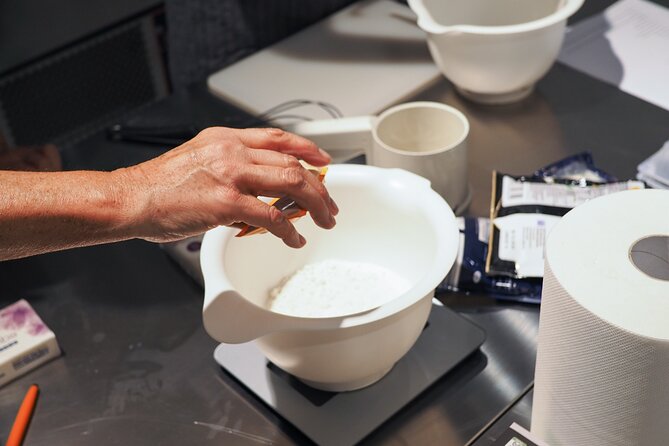
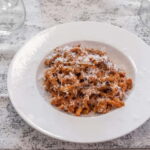
The first course is where this class often earns the biggest smiles. You’ll make traditional pasta by hand—examples include gnocchi, tagliatelle, ravioli, and other handmade dumplings. You’ll work the dough, form the shapes, and make a dressing/sauce together so you understand how the sauce and pasta timing should connect.
Even if you’ve never made pasta, the structure is meant to guide you. The chef doesn’t only hand you ingredients. The point is to teach what changes the dough’s behavior—how it feels, how it stretches, how it holds shape, and what adjustments keep it from turning frustrating.
Here’s why you’ll likely remember this part longer than you expect. Handmade pasta is a texture game. If your dough is too dry, it tears. Too wet, it sticks and won’t roll or shape cleanly. If you crowd the cooking step or get distracted, you can lose the edge you worked for.
Reviews also highlight that making pasta is genuinely fun here. People describe it as a standout activity because you’re not just learning technique—you’re watching your own work turn into a meal you’ll actually eat with the group right afterward.
If you’re thinking about dietary needs: one group reported gluten accommodation. That’s not something you should assume every time, but it’s a helpful sign that the organizers may be willing to work with requests when possible. If you have a serious restriction, contact them in advance.
Dessert classics: tiramisu, cantucci, pan meino, and more
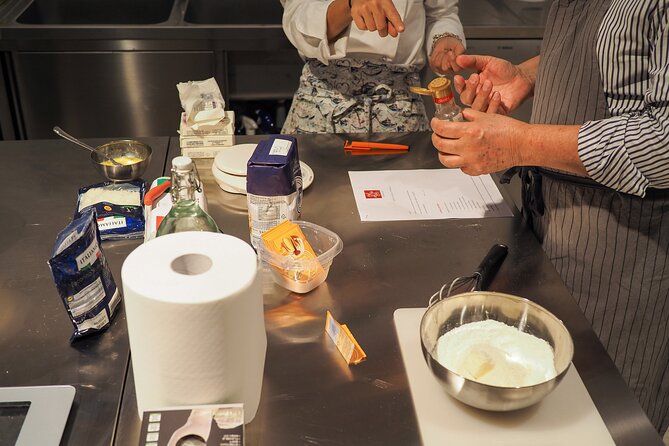
Dessert in this class is classic Italian and designed to be repeatable at home. The menu examples include tiramisu, cantucci, pan meino Milanese, and even chocolate tortini. Again, you don’t necessarily know which one you’ll do before you get there.
Dessert is usually the part that makes the whole experience feel complete. You finish with something recognizable, but the technique matters. The class format tends to teach you how the dessert should behave—how to handle fillings, how mixing and timing affect texture, and how to keep components from turning soggy or grainy.
Also, dessert here isn’t treated like an afterthought. You’ll do real work, not just assemble a store-bought product. That’s part of why people leave with recipes they can actually use.
And if you’re traveling with family or friends who just want the fun portion, dessert is the easiest sell. You end up with a result that feels celebratory without requiring fancy equipment.






Lunch, dinner, coffee, and Italian wine: what’s included and how to think about value
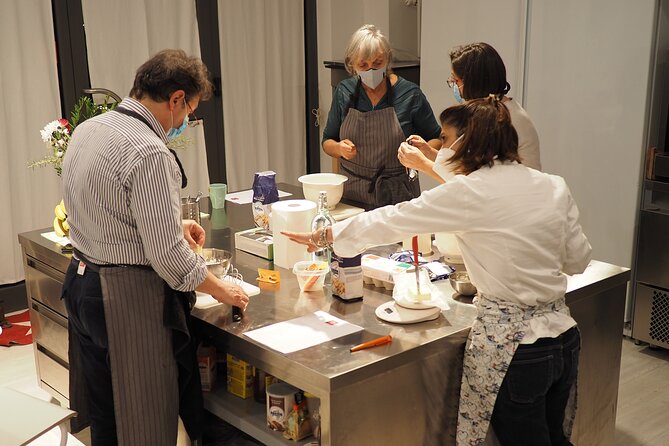
You’ll eat during the experience. The inclusions list covers dinner and lunch, and in practice the class is set around cooking your three-course meal and then sitting down afterward. You’ll also get snacks Italian-style at the start, coffee and/or tea, and natural or sparkling bottled water.
Then comes the part many people plan around: alcohol. You’ll have Italian wines and spirits included. Several people mention wine being part of the dinner experience, and that the overall meal pairing adds a lot to the mood.
That said, there’s an important nuance: wine may be handled as shared, not unlimited. One host response clarified that wine is distributed as a bottle shared among guests (with extra personal drinking handled for an additional charge). So if you’re the type who wants to treat this like an open-bar night, align your expectations ahead of time.
Here’s the value math in plain terms. At about $82.27 per person for roughly 3 hours, you’re paying for more than a cooking demo. You’re paying for:
- the ingredient work (from scratch)
- the chef’s time and instruction
- tools and aprons
- a real meal you eat
- wine/spirits included as part of the experience
If you tried to replicate this at home, you’d spend time shopping and experimenting. Paying for the coaching and the “do it right the first time” guidance can be a bargain, especially on a travel day when you want a clear plan.
How to get the most out of it: practical tips for your prep and mindset
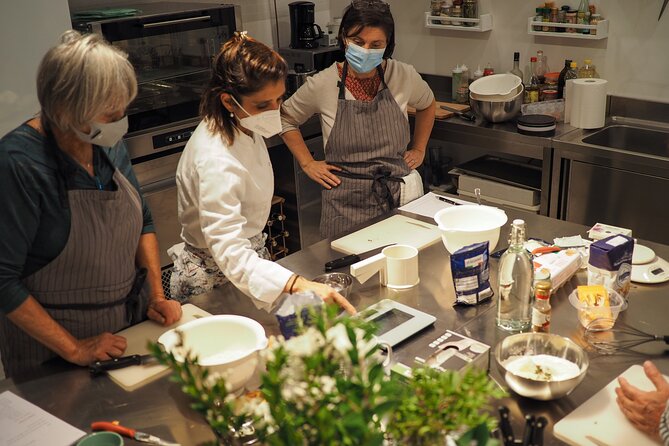
To enjoy this class, show up ready to work. That sounds obvious, but it’s the difference between feeling relaxed and feeling rushed.
Here’s how to set yourself up well:
- Bring comfortable clothes and shoes you don’t mind using around a kitchen
- Keep your focus on technique. The real prize is learning the steps and timing, not just copying a dish you recognize
- Be ready to ask questions when something feels off. The chef’s teaching is built around interaction
- Take notes. Even a few bullet points about dough feel or cooking timing can save you later
Also, be aware of the luggage rule. You cannot carry luggage for this activity, and there’s no luggage storage listed. If you’re traveling with a day bag, keep it manageable. If you’re moving around Milan with big suitcases, plan your schedule so this class is luggage-free.
Finally, the class is near public transportation, so you can treat it like a half-day activity without needing a private transfer. That helps the experience stay affordable and easy to slot into a busy trip.
Clean hands, clear instructions: what the best sessions feel like
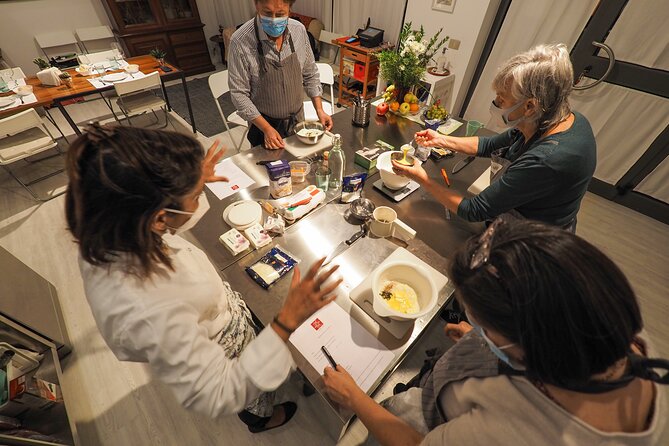
A theme that comes up is the combination of fun and organization. People describe the chef as warm and engaging, with energy that keeps the class from feeling stiff. You’ll also get a strong emphasis on cleanliness in the kitchen, which makes it easier to relax while you’re cooking.
Some sessions have been led by Chef Ilaria specifically, and others mention Chef Alessandro. Either way, the teaching style is the key: direct guidance while you cook, with explanations you can actually use later.
There’s also a social element that makes the class feel like more than just food. You end up sharing the meal with people from different places, which is a nice break from the usual “eat alone or hunt for a table” travel routine.
One caution from a less-perfect experience: if a chef gets pulled away or the group can’t settle, the pace can feel stressful. You can’t control that fully, but you can control your own expectations: go in ready to collaborate, keep conversations respectful during instructions, and you’ll have a better time.
Who should book this Milan cooking class (and who might not)
This is a great fit if you want:
- hands-on cooking in a short, focused session
- a fun group activity that ends with a meal you made
- recipes you can use at home (you’ll get them at the end)
- technique-first Italian cooking, not just a restaurant-style tasting
It’s especially good for couples, friends, and solo travelers who like interactive experiences. If you’re intimidated by pasta, don’t be. The class is built for mixed levels, and the chef’s guidance is designed to walk you through the process.
Who might hesitate? If you’re a strict foodie who expects bold customization on demand, you may want to be ready to adjust seasoning to your taste during cooking. Also, if wine quantity is your main goal, remember that wine can be shared rather than unlimited.
Should you book it?
Yes, if you want a practical, memorable way to learn Italian cooking in Milan without wasting time guessing or waiting. The surprise menu keeps it fresh, and the HOW, WHEN, WHY teaching style is what turns a one-time meal into skills you can reuse.
I’d book this when you have a few hours where you want to be active, not just sightsee. Bring a day bag, leave the luggage behind, and set expectations: you’re cooking a structured three-course meal with shared wine, then taking recipes home. It’s a good value bet for travelers who want real technique, not just a photo-friendly activity.
FAQ
FAQ
Is the menu fixed before I arrive?
No. You won’t know what you’ll cook until you’re in class. A sample menu is provided, but the exact dishes are revealed during the session.
How long is the cooking experience?
It runs for about 3 hours.
What language is it taught in?
The experience is offered in English.
Do I eat the food I cook?
Yes. The experience ends with a meal that includes the courses you prepare, and it’s paired with Italian wine and drinks.
Is wine included?
Alcoholic beverages like Italian wines and spirits are included, with wine handled as shared during the experience (extra personal servings may involve an additional cost).
What equipment and ingredients are included?
You’re given an apron, and the cooking tools are included. The included meals are prepared from scratch during the class.
Can I bring luggage?
No. Luggage storage is not included, and you’re forbidden from carrying luggage for this activity.