REVIEW · MILAN
Leonardo3 The World of Leonardo: Tickets for the Interactive Exhibition
Book on Viator →Operated by World of Leonardo da Vinci · Bookable on Viator
Leonardo’s ideas come alive in 3D. This interactive stop at Museo Leonardo3 turns Leonardo da Vinci’s inventing brain into something you can see and operate, with working models of his machines and digitalized restorations of his paintings. The big payoff is the digital restoration of The Last Supper, paired with explanations of the fresco technique. One thing to keep in mind: the exhibit is compact, so it can feel warm and busy at peak times.
If you only have a slice of time in Milan, I like this format. You get instant confirmation and skip-the-line entry, and the visit typically lands in the 1 to 2 hour range. It’s also a good bet if you’re the type who loves genius projects, not just museum “read and move on.”
In This Review
- Key things to know before you go
- Leonardo3 in Milan: a hands-on way to meet da Vinci
- Ticket price and value: what $19.22 buys you (and what it doesn’t)
- Getting there near Duomo: the small venue factor
- Stop inside: machines, digital restorations, and the “working ideas” approach
- The Last Supper restoration in digital 3D: what to look for
- How long to plan: aim for 1 to 2 hours, and be flexible
- Audio guide: when it’s worth the extra purchase
- Small venue rules of thumb: photos, lockers, and comfort
- Who this experience suits best
- Timing notes for your visit dates
- Should you book Leonardo3? My take
- FAQ
- How long does the Leonardo3 interactive exhibition take?
- Is skip-the-line access included with this ticket?
- Is the audio guide included?
- Where is the exhibition located?
- Is this suitable for children?
- Is it a private experience?
- When are the opening hours?
- Can I get a refund if my plans change?
Key things to know before you go
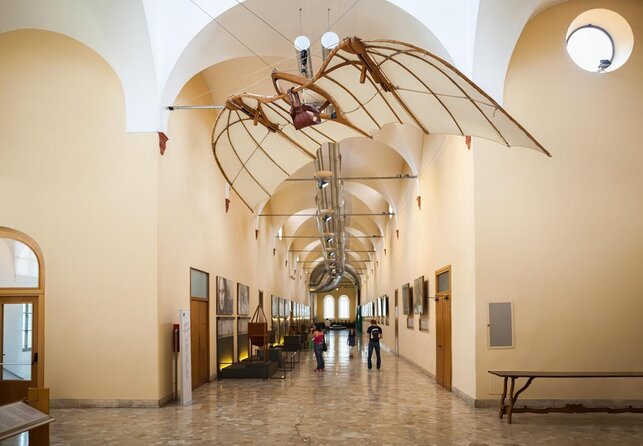
- Working models that show Leonardo’s inventions as practical ideas, not just sketches
- Digital restorations and reconstructions that make famous works easier to understand
- A 3D look at The Last Supper focused on the fresco and its details
- Compact layout, so plan for a steady pace rather than wandering for hours
- Optional audio guide in 8 languages if you want more explanation
- Locker/storage space so you can move comfortably through hands-on areas
Leonardo3 in Milan: a hands-on way to meet da Vinci
Leonardo3 is built around one simple idea: Leonardo wasn’t only a painter. He was an engineer, an anatomist, and a relentless problem-solver. Instead of treating his work like distant history behind glass, this exhibit tries to make the thinking visible.
That’s why the experience feels different from a typical museum visit. You’re not just reading captions. You’re watching digital restorations, studying reconstructions, and—on multiple points—interacting with the “how it might work” side of his inventions. I like that approach because it rewards curiosity. You’ll get more from the visit if you ask yourself questions like: How would this move? What problem was he trying to solve? What would this look like if it were built?
The exhibit also leans hard into the “digital restoration” concept. You’ll spend time with restored visuals of Leonardo’s paintings, plus reconstructions that help you connect his drawings to real-world engineering. For art lovers, that’s exciting. For science-minded visitors, it’s downright fun.
You can also read our reviews of more tours and experiences in Milan

Ticket price and value: what $19.22 buys you (and what it doesn’t)
At around $19.22 per person, this ticket is priced like a museum admission plus a bit of tech-forward storytelling. The big value is what comes included: the admission ticket plus skip-the-line access.
Two things to watch:
- The experience is designed for speed. Most visits are about 1 to 2 hours, so it’s not the kind of ticket you buy if you want to disappear for a half day.
- The audio guide is not included. You can purchase it separately, and it’s available in English, French, German, Italian, Portuguese, Russian, Spanish, and Chinese. If you prefer narration over reading text, budget for it.
If you’re deciding between this and other da Vinci options in Milan, think about how you like to learn. This one is hands-on and visual, with digital restoration taking center stage. That’s a great match if you want a “wow” factor and clearer context around famous works like The Last Supper.
Getting there near Duomo: the small venue factor
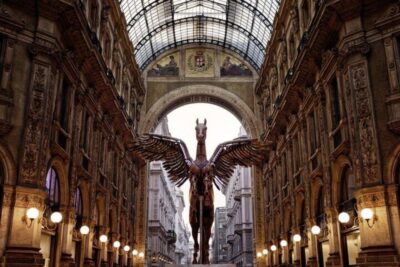
Leonardo3 is in central Milan and easy to combine with sightseeing. I like that it’s near major transit. If you’re walking from the Duomo area, the route described by visitors is straightforward in spirit: go through the Galleria toward the next small piazza, and look for Leonardo3 right after the city information storefront on the left.
Still, there’s a real “small place” vibe here. People call it cosy, and that’s accurate: the museum doesn’t sprawl. That’s good for convenience, but it also means crowds can feel denser than you expect in a tight indoor layout.
Practical tip: wear comfortable shoes and keep your pacing realistic. In a compact exhibit, you’ll feel time pressure even when staff are doing a good job.
Stop inside: machines, digital restorations, and the “working ideas” approach
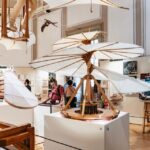
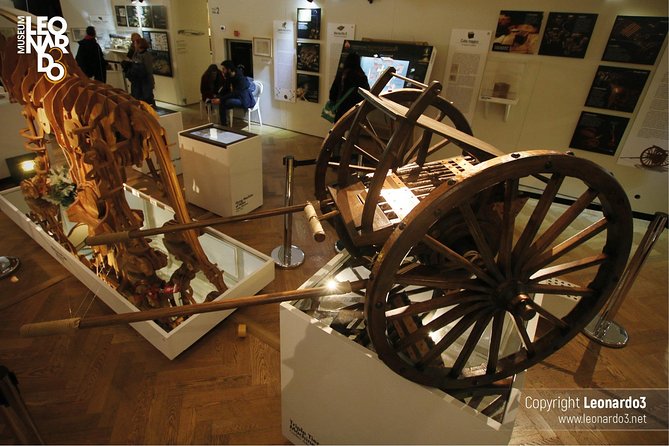
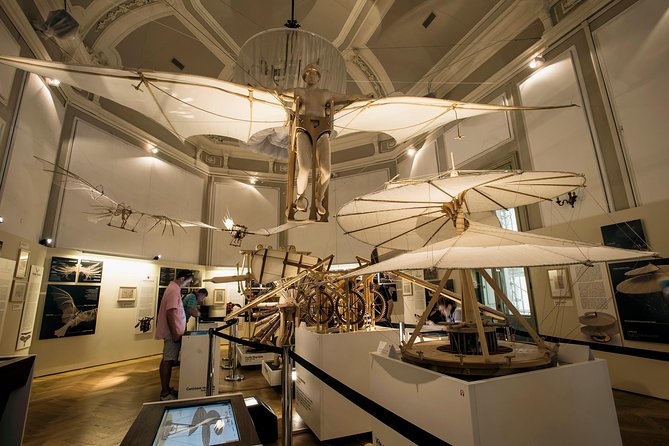
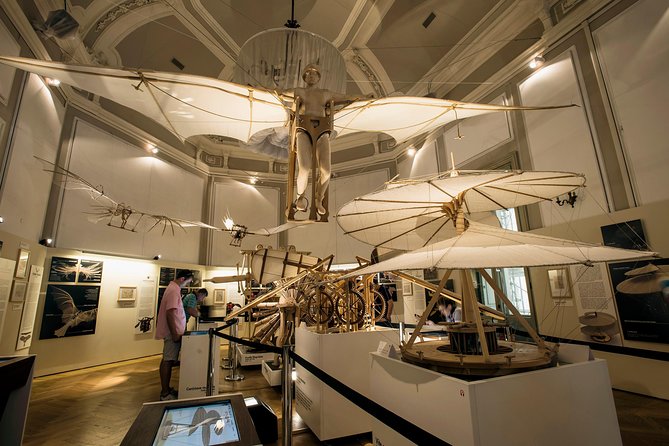
Your visit centers on Museo Leonardo3 – Il Mondo Di Leonardo. This is where the exhibition lays out Leonardo’s dual identity: artist and inventor. Expect a mix of:
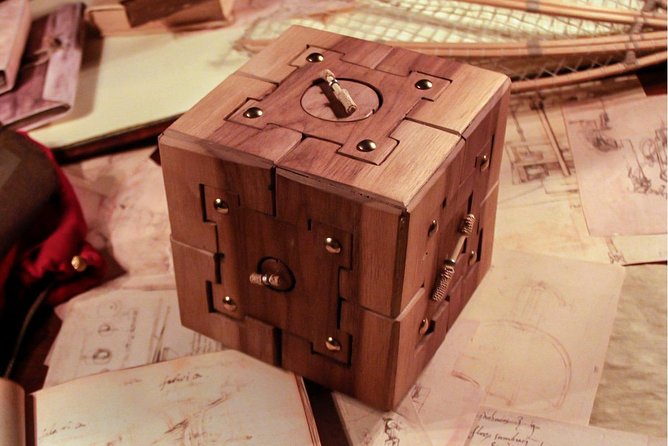
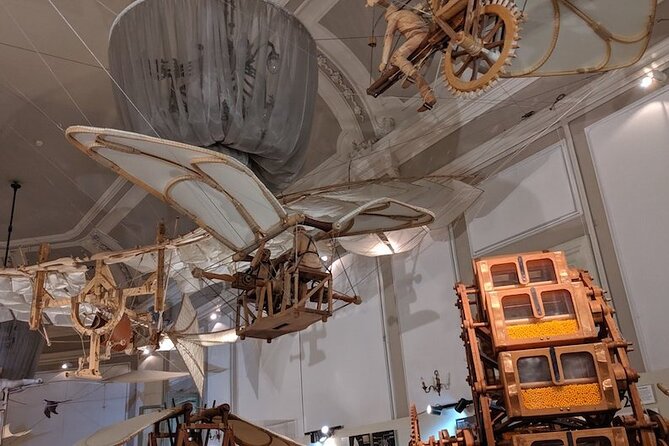
- Working models tied to Leonardo’s designs
- Digitalized restorations of paintings
- Visual reconstructions that help you see what might be behind the drawings
Why this matters: Leonardo’s notebooks can feel abstract unless you translate them into something physical. When you see models and reconstructions presented in a way you can interpret quickly, his ideas stop being only “old sketches” and start feeling like a system of experiments and variations.
You also get the sense that this exhibit is meant as a “worldwide first” in how it uses digital restorations and reconstructions together. The point isn’t just technology for technology’s sake. It’s a learning tool—especially for visitors who struggle with dense background context.
If you’re visiting with kids or mixed interests in the group, this stop tends to land well because there are interactive elements. Even when the content is complicated, the presentation tries to make it approachable.
The Last Supper restoration in digital 3D: what to look for
The most talked-about highlight is the digital restoration of The Last Supper. This isn’t presented as a simple “look and move on” feature. You learn about the fresco itself, and the restoration focus helps you understand why the work is famous—and why it’s tricky to preserve.
Here’s the practical value: if you plan to see the real Last Supper in Milan (at Il Cenacolo), Leonardo3 works like a warm-up. It gives you a framework for what you’re about to view, so the real fresco doesn’t feel like a sudden pop quiz. You’ll walk in with mental anchors, and that makes the actual viewing experience more satisfying.
Even if you’re not going to see the real fresco later, the restoration section is still worth your time. It helps explain what you’re looking at and how preservation/restoration thinking changes what visitors can understand.
You can also read our reviews of more museum experiences in Milan



How long to plan: aim for 1 to 2 hours, and be flexible
The stated visit time is about 1 to 2 hours, and that’s realistic. This is a compact exhibit, but it’s packed with enough displays that a rushed pass can leave you with “I saw it, but I missed it.”
My recommendation: plan for the full 2 hours if you want to read details and actually absorb the restoration explanations. If you’re in a strict schedule, you can likely do it closer to an hour, but you’ll be skipping the “linger and connect the dots” moments.
Also, keep an eye on room comfort. One downside that comes up is heat. People report that the venue can run hot and has limited cooling, especially on hot days. If you’re visiting in summer or during a heat wave, come with a calmer expectation and pace yourself.
Audio guide: when it’s worth the extra purchase
The ticket does not include an audio guide, but it’s available in 8 languages (including English). If you like to multitask while touring—watch the display while listening for context—this is the easiest upgrade to consider.
I’d especially consider it if:
- you want more explanation about the fresco and restoration concepts
- you prefer guided narration instead of reading every label
- you’re traveling with someone who likes structure
If you’re a fast reader and you’re comfortable working through text on your own, you might skip the audio and still have a great time. The exhibit is understandable without it, but the narration can make the experience smoother.
Small venue rules of thumb: photos, lockers, and comfort
A few practical things can make or break the visit:
1) Photos and display rules
You might notice strict photo behavior around certain areas. Since rules can vary by gallery, it’s best to follow the signage once you’re inside and avoid assuming it’s photo-friendly everywhere.
2) Lockers and carrying stuff
People mention using lockers, which is a big help if you’re carrying a day bag. It lets you move through hands-on spaces without constantly managing straps and pockets.
3) Heat management
Given reports of limited cooling, bring your own comfort strategy. Start earlier in the day when possible, hydrate, and don’t try to “power through.” In a small exhibit, you’ll feel temperature and crowding quickly.
Who this experience suits best
This ticket works for a wide range of visitors, mainly because it doesn’t choose only one audience. It’s about art and invention, presented through models and digital restorations.
You’ll likely love it if:
- you’re a da Vinci fan who wants the inventor side, not just the paintings
- you learn well through visuals and interactives
- you’re curious about the science behind art preservation and restoration
It’s also a decent option for families, with an important condition: children must be accompanied by an adult. And because the museum is on the smaller side, younger kids may have an easier time if you keep expectations realistic and plan for a focused pace rather than a long meander.
If your group is mixed (some art people, some science people), Leonardo3 is one of the easier “group peace” choices in Milan because it gives both types something to latch onto.
Timing notes for your visit dates
Opening hours vary by date ranges, including different schedules in November and mid-to-late December. Hours also change on specific days, so check the dates that match your trip before you head over.
Also, one provided detail to keep in mind: the ticket validity is listed as until 13 November 2024, with the note that no refunds are possible after that date. That date doesn’t match the later opening-hour windows shown in the same info set, so don’t guess. Treat the exact validity date on your confirmed ticket as the authority.
Should you book Leonardo3? My take
Book it if you want a high-impact, low-commitment Leonardo experience. For the price point (about $19.22), you’re buying skip-the-line entry into a compact, interactive museum where the big draw is digital restoration—especially the 3D treatment of The Last Supper—plus working-model inventions.
Skip or reconsider if:
- you hate small indoor spaces or get uncomfortable in warm rooms
- you need a long, slow museum wander (this one is closer to a focused 1 to 2 hour visit)
- you’re only interested in the painting side and not the invention/restoration angle
If you’re visiting Milan and you’re planning any time around the real Last Supper later, Leonardo3 is a smart warm-up. Even if you don’t, it’s one of the more approachable ways to understand Leonardo’s “how did he think?” genius without needing a background lecture.
FAQ
How long does the Leonardo3 interactive exhibition take?
Plan for about 1 to 2 hours.
Is skip-the-line access included with this ticket?
Yes. The ticket includes instant confirmation and skip-the-line access.
Is the audio guide included?
No. The audio guide is available to purchase separately, and it’s offered in 8 languages.
Where is the exhibition located?
It’s in Milan and is noted as being near public transportation. It’s also described as being near the Duomo area, and you can find it by walking through the Galleria toward a nearby small piazza.
Is this suitable for children?
Children must be accompanied by an adult. The experience is also listed as suitable for most travelers.
Is it a private experience?
Yes. It’s described as private, with only your group participating.
When are the opening hours?
Opening hours are listed in date ranges (for example, late November through mid-December, and again for specific dates). Check your travel dates against the listed schedule.
Can I get a refund if my plans change?
The information provided says free cancellation is available up to 24 hours in advance for a full refund. It also notes that no refunds are possible after 13 November 2024, so follow the validity date shown with your ticket.