REVIEW · MILAN
Delicious Milan Street Food Tour Tasting and Sightseeing with Local Guide
Book on Viator →Operated by Tours of Milan · Bookable on Viator
Milan tastes better when you walk. This half-day street-food and sightseeing tour blends church art, Roman remains, and city icons like the Duomo, with all tastings included and a local guide. I love how the food moments are tied to places you’ll actually recognize, especially the panettone start and the balsamic vinegar learning stop. One consideration: Duomo admission isn’t included, so you may just get the square-and-views experience unless you buy tickets separately.
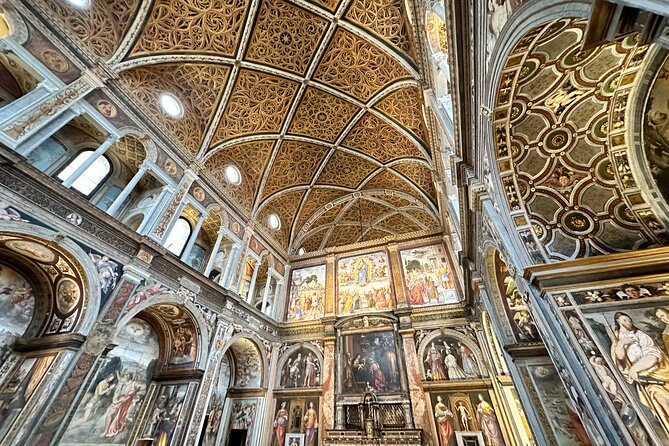
At about $50.57 per person for roughly 2.5 hours, it’s a practical way to eat well without building your own route from scratch. You’ll also get a real walking rhythm through Milan’s layers, from a 16th-century church called the Sistine Chapel of Milan (with the oldest pipe organ in the city) to St. Ambrogio’s basilica, plus San Lorenzo’s Roman columns.
This tour is offered in English and uses a mobile ticket, and it moves near public transportation. Vegetarian options can be arranged only if you tell the operator in advance, but it isn’t set up for vegans or gluten/dairy-free diets, and nut/dried-fruit allergy sufferers should watch for cross-contamination.
In This Review
- Key things to know before you go
- Milan Street Food + Sights: a fast, smart way to get bearings
- Where you meet: Chiesa di San Maurizio al Monastero Maggiore (easy start)
- Castello Sforzesco and panettone: how the food portion kicks off
- Sant’Ambrogio: St. Ambrogio’s basilica and why it matters
- San Lorenzo’s Roman columns: ancient ruins in plain sight
- Duomo Square and Galleria Vittorio Emanuele: big views, quick hit
- Tastings you’ll actually remember: balsamic vinegar and forchetta
- What you’ll spend (and what you’ll skip)
- English guide experience: what to expect from a mixed review profile
- Pace, walking time, and group size (the real logistics)
- Who should book this Milan street food tour
- How it compares to eating on your own
- Should you book this Milan street food and sightseeing tour?
- FAQ
- What’s included in the tour price?
- Are drinks included?
- Is the tour offered in English?
- Can the tour accommodate vegetarians?
- Is this tour suitable for vegans or for gluten-free/dairy-free diets?
- Where do I meet and where does the tour end?
Key things to know before you go
- Panettone breakfast at Castello Sforzesco kicks off the food portion.
- Balsamic vinegar and forchetta tasting comes with an explanation, not just samples.
- Duomo and Galleria Vittorio Emanuele are part of the route, but Duomo entry is not included.
- Free admission stops along the way keep costs under control.
- English is provided, but the energy can vary by guide.
- Not ideal for vegans or gluten/dairy-free diets, and nut/dried-fruit allergies need caution.
Milan Street Food + Sights: a fast, smart way to get bearings
If you only have a short window in Milan, this kind of tour earns its keep. You’re not just eating on the go. You’re pairing food with the city’s visual anchors, so every bite comes with a location and a reason.
What I like most for you is that it’s built for momentum. The route moves through big landmarks—churches, Roman ruins, and the Duomo area—while the food tastings give you breaks that don’t feel like wasted time. It’s also a nice choice if you’d rather not gamble on finding the right street-food counters when you’re tired.
And yes, it’s walking. The stops are short, so you’ll get a lot of “seen it” moments rather than one long deep visit. If you want hours inside museums or you’re chasing a slow, sit-down pace, you might prefer something else.
You can also read our reviews of more food & drink experiences in Milan
Where you meet: Chiesa di San Maurizio al Monastero Maggiore (easy start)
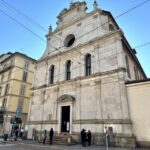
You’ll meet at Chiesa di San Maurizio al Monastero Maggiore on Corso Magenta. The location matters because it puts you close to central Milan streets and makes it easy to join without a long trek from a hotel far out.
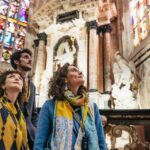
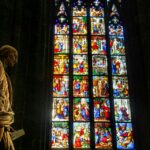
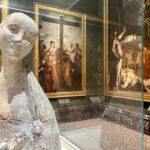
This church is part of the route for a reason: it’s famous for its decoration, and it’s often described as the Sistine Chapel of Milan. It’s also tied to music history—there’s mention of the oldest pipe organ in the city. Even if you’re not a church-architecture superfan, it’s a great first “wow” before you head into the foodie part.
Practical note: it’s a walking tour with outdoor time, so wear shoes that can handle quick turns and short stretches. Milan cobblestones don’t care about your footwear plans.
Castello Sforzesco and panettone: how the food portion kicks off
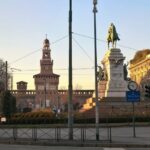
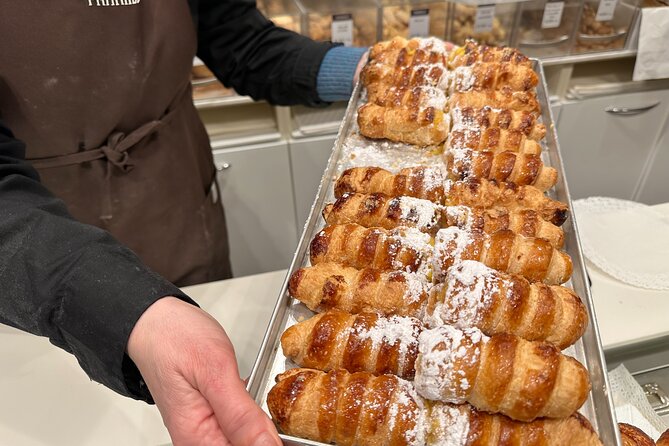
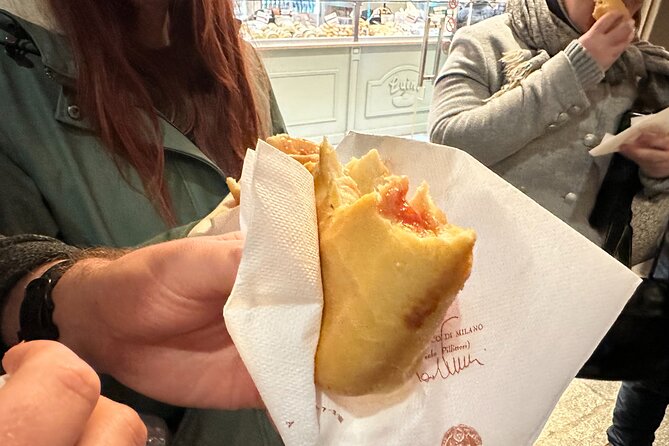
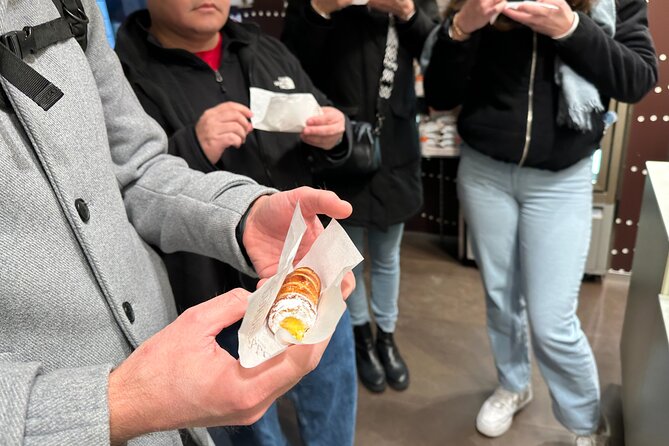
The tour centers its food experience around Castello Sforzesco, and one of the first tastings is a breakfast stop with panettone. This is a smart way to start because panettone gives you a familiar Milan flavor immediately, without needing you to understand local slang for street snacks.
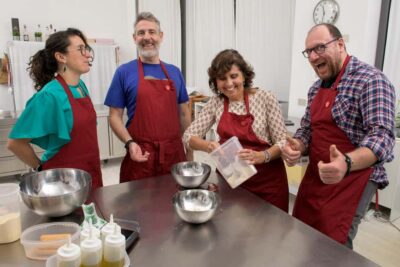
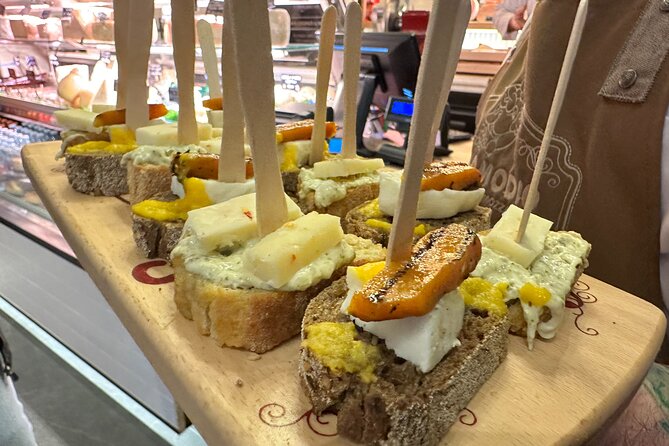
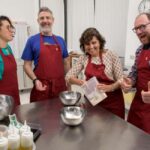
From there, the tastings go beyond just handing you food. You’ll also learn about how some favorites are made. In particular, the balsamic vinegar portion includes an explanation of the process, and forchetta is part of the story too. This is one of the most praised moments on the tour—people tend to enjoy it because it turns a bottle on a shelf into a real, local product.
Also pay attention to what’s included and what’s not. Food tastings are included, but drinks aren’t. So if you want wine, espresso, or a soft drink with your samples, you’ll need to buy it separately.
Sant’Ambrogio: St. Ambrogio’s basilica and why it matters
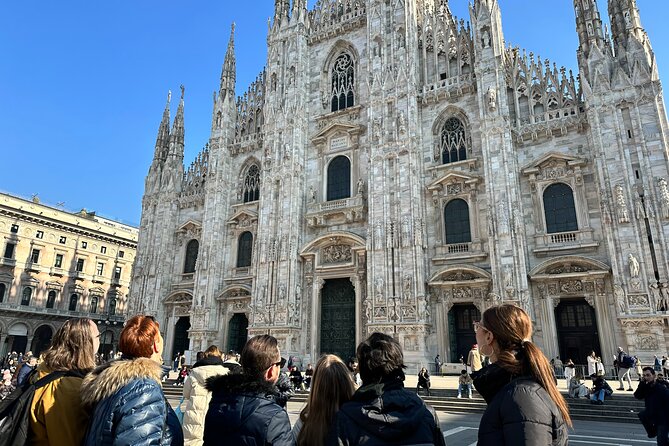
One of the first major sights on the route is Basilica di Sant’Ambrogio. It’s described as the second most important church in Milan after the Duomo, which sets expectations: this isn’t a quick random stop.
You’ll learn about the patron saint of the city, St. Ambrogio. That kind of context makes the building feel less like a backdrop and more like a living part of Milan’s identity. It’s also a helpful break from purely food-focused moments, because you’re getting cultural grounding while you’re still moving.
Time on this stop is short, so don’t expect a full inside “masterpiece tour.” Expect a quick orientation: what you’re seeing, why it’s important, and how it fits Milan’s story.
San Lorenzo’s Roman columns: ancient ruins in plain sight
Then you’re at Colonne di San Lorenzo, a cluster of 2nd-century Roman ruins. This stop is one of those “how is this here?” moments that makes walking tours worth it. Rome wasn’t politely “in the past.” It’s still layered into Milan’s present-day streets.
The practical benefit: this is a low-effort stop with high payoff. You don’t need a ticket. You get visuals and context quickly, and it helps you understand Milan as a city that kept building on itself.
If you like snapping photos, this is an easy place to do it without hunting for a perfect angle for 20 minutes. The group moves, so your timing stays simple.
You can also read our reviews of more tours and experiences in Milan


Duomo Square and Galleria Vittorio Emanuele: big views, quick hit
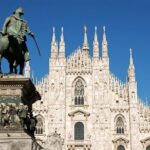
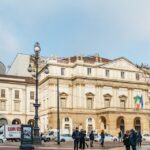
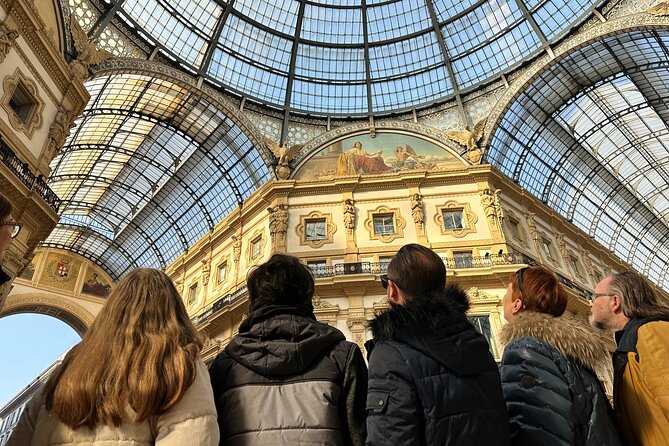
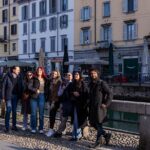
Your route includes the main Duomo di Milano square and the nearby Galleria Vittorio Emanuele area. These are the two Milan icons most visitors picture before they ever land.
The big heads-up: Duomo admission isn’t included. That doesn’t make the stop less valuable. It just means you’re using it for exterior views, the vibe, and quick photo opportunities—not an inside climb or cathedral entry.
If you’re the type who wants to go inside the Duomo (and you probably are, if you’re in Milan), treat this tour as an excellent way to see the area and get oriented, then add a separate Duomo ticket later.
Tastings you’ll actually remember: balsamic vinegar and forchetta
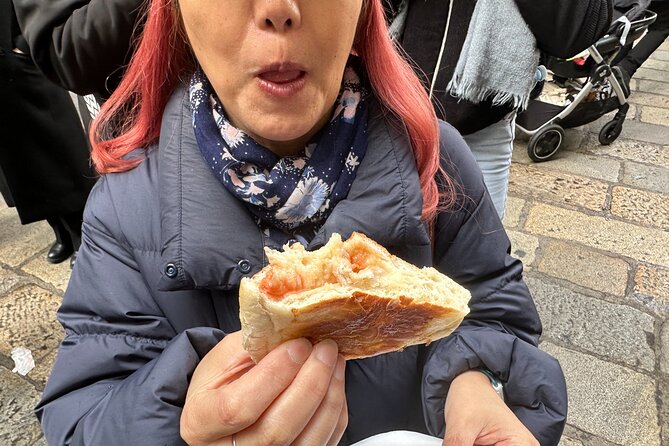
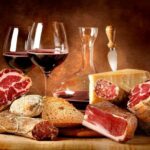
This tour earns its reputation because the tastings aren’t random. They’re tied to local food identity—especially balsamic vinegar and forchetta.
Balsamic vinegar in Milan isn’t just a condiment. On the tour, you’ll learn the process and taste it in a way that connects with why people buy it as a gift or a pantry staple. One of the strongest reasons to book: after the tasting, you’ll know what you’re looking for if you want to shop, rather than buying the first bottle you see.
Forchetta comes in as another local-food anchor. The key is that you’re not just eating. You’re getting an explanation of how it’s made, which makes the samples feel more personal and less like a buffet line.
And since drinks aren’t included, you’ll want to pace yourself. The tastings are built to be satisfying, but you’re not being served a full meal with beverages.
What you’ll spend (and what you’ll skip)
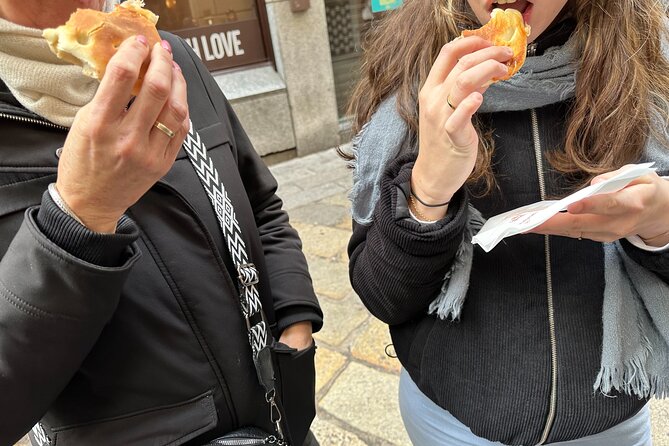
The price is $50.57 per person, and the value comes from two things: you get a local guide and you get all tastings included. For a short 2.5-hour walking experience, that combination usually beats paying entry fees one-by-one while also trying to find good food stops.
What you should plan for:
- Drinks during the walk (not included)
- Any additional purchases (like balsamic vinegar bottles)
- Possible separate tickets if you want to go inside the Duomo
Vegetarian is possible, but only if you tell the operator in advance. If you’re strict about avoiding specific ingredients, don’t wait until day-of.
Also keep allergies in mind. There’s a caution about possible cross-contamination involving nuts or dried fruits. If your allergy is serious, contact the operator before booking so you can be confident in how they handle it.
English guide experience: what to expect from a mixed review profile
This tour is offered in English, which helps a lot if you’re not fluent in Italian. Most of the time, the guide will connect the food with the sights in a way that feels practical and easy to follow.
One wrinkle to consider: English quality and tour energy can vary by guide. I’d plan to stay patient during pauses, especially at short monument stops where the group is waiting to move together.
The best-case scenario is a friendly guide who can answer questions and explain what you’re tasting in real-world terms. When it works well, the tour feels like a conversation, not a lecture.
Pace, walking time, and group size (the real logistics)
The tour is listed as a half-day walking tour lasting about 2 hours 30 minutes. That timing usually means: short stops, quick transitions, and enough time to taste without dragging.
The route includes a few very quick stops (often around five minutes each). That’s ideal if you want to cover ground. It can feel slower if you prefer your time packed with fewer interruptions and tighter pacing.
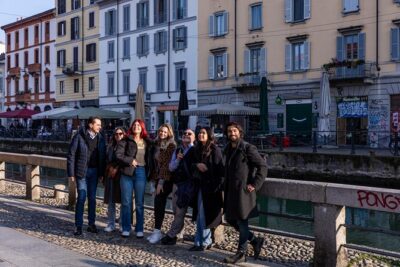
Group size has a maximum of 100 travelers. With that many people allowed, you should expect an organized flow and some clustering at food stops and sights. If you want a very small-group feel, this isn’t marketed as a boutique private tour, so manage expectations.
Who should book this Milan street food tour
This tour is a great fit if you want:
- A guided way to taste Milan street food without planning a route
- A quick mix of churches, Roman ruins, and Duomo-area highlights
- Food explanations you can use later when you shop or order
It may not be the best choice if you need:
- Vegan options (not accommodated)
- Gluten-free or dairy-free diets (not accommodated)
- Allergy safety beyond the stated cross-contamination warning
It’s also not a match for people who want long museum-style visits. This tour is about seeing a lot and eating well while moving through the city.
How it compares to eating on your own
You can absolutely eat your way through Milan on your own. The difference here is the guide and the structure.
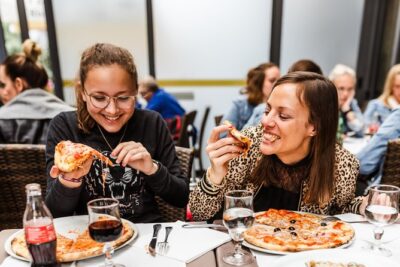
Eating independently means you choose each stop, each time, and hope the place matches your tastes and dietary needs. With a structured tour, you get a sequence that’s built around landmarks, plus included tastings so you’re not constantly calculating whether a snack is worth the price.
This is especially valuable in Milan because food options are everywhere. A good tour helps you pick smarter without spending the day in research mode.
Should you book this Milan street food and sightseeing tour?
If you’re looking for an easy win—history plus food, in a short time—this is worth booking. The big reasons are the included tastings, the panettone and balsamic vinegar focus, and the fact that you’re also getting orientation around Milan’s key sights like Sant’Ambrogio, San Lorenzo, and the Duomo area.
Before you book, make sure the basics fit your needs. Drinks aren’t included, Duomo entry isn’t part of the tour, vegetarian requires advance notice, and it isn’t set up for vegans or gluten/dairy-free diets. If that matches you, this is one of the more practical ways to experience Milan as a food-and-city mashup rather than two separate trips.
FAQ
What’s included in the tour price?
Food tasting is included, along with a local guide.
Are drinks included?
No. Drinks are not included.
Is the tour offered in English?
Yes, the tour is offered in English.
Can the tour accommodate vegetarians?
Vegetarian options can be accommodated only if you advise in advance.
Is this tour suitable for vegans or for gluten-free/dairy-free diets?
No. This tour does not accommodate vegans, gluten-free diets, or dairy-free diets.
Where do I meet and where does the tour end?
You meet at Chiesa di San Maurizio al Monastero Maggiore, Corso Magenta, 15, 20123 Milano, and the tour ends at Sforzesco Castle, Piazza Castello, 20121 Milano.