REVIEW · MILAN
Cooking class The Rockin Kitchen
Book on GetYourGuide →Operated by The Rockin Kitchen · Bookable on GetYourGuide
Handmade pasta meets a dance soundtrack. In a Milanese loft near Balera dell’Ortica, The Rockin Kitchen teaches you to shape cappelletti and tagliatelle while the steps run to famous songs. I especially love the hands-on rhythm (your hands actually do the work) and the way the soundtrack helps timing click. I also love the aperitivo break with wine and live piadina romagnola. One consideration: the class is not suitable for vegans or gluten intolerance, so check ingredients before you book.
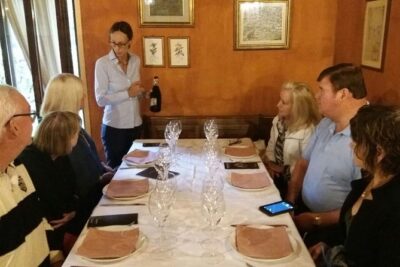
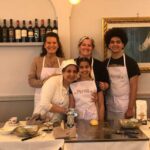
This is a small-group setup, limited to 10 people, and the vibe stays relaxed even when you’re learning something new. The instructor team, including Simone and Matteo, keeps the energy high without turning it into a chaotic food fight. Also, the house has cats, but they are not present during the experience, and they keep things sanitized.
You’ll meet at a place where you ring the bell at Riva, then the evening ends back at the same spot. With a total duration of about 3 hours, it’s a great Milan plan when you want a food experience that feels personal, not rushed.
In This Review
- Key things to know before you go
- Where the Rockin Kitchen happens in Milan (and why the location fits the mood)
- The first act: making pasta in a loft, guided by music
- The 40-minute aperitivo: wine, live piadina romagnola, and the right break
- Cappelletti and tagliatelle: your second phase in the same kitchen flow
- Tiramisu to close: a sweet ending that matches the energy
- Instructors, language support, and why the small group size matters
- Price and value: is $112.15 per person a fair deal?
- Who should book this class (and who should skip it)
- Practical tips so your night goes smoothly
- Should you book The Rockin Kitchen in Milan?
- FAQ
- Where does The Rockin Kitchen start and end?
- How long is the cooking class?
- What will I cook during the class?
- Is there an aperitivo as part of the experience?
- Is wine included?
- Do instructors speak English?
- Is this a small group class?
- Are cats present during the experience?
- Is the class suitable for vegans or gluten intolerance?
- Are there food or health limitations to know about?
Key things to know before you go
- Song-guided pasta timing: steps are paced to a researched soundtrack so you know when to move.
- You cook two styles of fresh pasta: cappelletti and tagliatelle by hand.
- A 40-minute aperitivo first: wine plus live piadina romagnola and other Italian bites.
- A real tasting at the end: you eat what you make, then finish with tiramisù.
- Small group, up to 10: easier attention and a calmer kitchen feel.
Where the Rockin Kitchen happens in Milan (and why the location fits the mood)
The Rockin Kitchen takes place in a Milanese loft setting, right by the famous Balera dell’Ortica area. That matters more than it sounds: the neighborhood has that late-night, music-forward energy, so the class theme doesn’t feel forced. Instead, it fits Milan’s rhythm.
You’ll start by ringing the bell at Riva. Plan a few minutes to arrive on time, because the evening runs like a sequence. Once you’re in, the room setup is designed for doing—counter space, cooking flow, and a social-but-controlled atmosphere.
One other small detail that affects comfort: the house is inhabited by cats, but they are not present during the experience. Add in the note that the environment is always sanitized, and you get a clearer sense of what to expect when you’re moving around close to equipment and food.
You can also read our reviews of more cooking classes in Milan

The first act: making pasta in a loft, guided by music
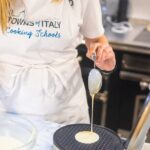
This class isn’t built like a lecture. You’re in the kitchen doing the prep while the instructor team uses the soundtrack to define steps and timing. It’s a simple idea, but it works: when you’re learning dough, shaping, and pacing, having a steady beat reduces that panicky feeling of not knowing where you should be.
Here’s the core pasta lesson you’ll work on: you’ll prepare fresh pasta dough by hand, then proceed into cappelletti and tagliatelle. Cappelletti are small filled pasta pieces, and tagliatelle are wider ribbon noodles. Even if you’ve never made either before, the structure of the lesson keeps it manageable: learn the dough rhythm first, then move into the shapes.
The soundtrack part is not just background music. The timing is studied to help you stay on pace, and the goal is to help you remember the sequence of what to do. That’s one of those quiet wins with hands-on classes—your brain grabs the steps faster when the experience has a beat you can recall later.
The 40-minute aperitivo: wine, live piadina romagnola, and the right break
After the initial pasta prep, you get a 40-minute aperitivo. This is more than a pause. It’s a smart reset, because pasta-making takes real focus—your hands need a short break so you can come back for the second phase.
During the aperitivo, you’ll taste wine included in the experience. You’ll also see piadina romagnola prepared live in front of you, along with other topical Italian food items. The exact menu beyond piadina isn’t detailed, so don’t count on a specific list—but you can expect classic Italian comfort and things that pair well with wine.
Why this matters for value: many cooking classes are heavy on instruction and light on enjoyment. Here, the included food and wine are timed to keep the evening fun. You’re not waiting until the very end to feel like you’re actually part of an Italian night out.
Cappelletti and tagliatelle: your second phase in the same kitchen flow
Once the aperitivo portion ends, the evening turns fully into the main cooking work: you’ll prepare cappelletti and tagliatelle.
This is where the song-guided approach really pays off. Shaping pasta can get technical fast—especially when you’re also learning how to work efficiently in a shared kitchen. The soundtrack gives you a steady cadence so you know when to start the next step, rather than scrambling to catch up.
You’ll finish the preparation and then taste your work. That is one of my favorite parts of any cooking class: it’s easy to leave with recipes and photos, but it’s better when you eat what you made. Here, the course structure ends with a tasting of your pasta, plus dessert later.
A practical note for your expectations: filled pasta and noodle cutting/finishing usually require patience. This class is designed to keep things upbeat, but your first batch may not look like the photos you’ve seen online. That’s normal. The point is learning the method and getting comfortable with the process.
Tiramisu to close: a sweet ending that matches the energy
After the pasta work, the night ends with tiramisù. It’s included, and it’s the right kind of finale: sweet, familiar, and satisfying after hours of cooking and tasting.
The overall wrap-up is also designed to keep the atmosphere playful. The experience is accompanied by a soundtrack that encourages dancing and singing, which helps you remember the procedures. It turns the kitchen into a party without making it feel like you’re being rushed through a demo.
If you’re the type who likes food experiences with a story—this one delivers. Your memory won’t be only about ingredients; it’ll be about the sequence: dough work, aperitivo pause, shape the pasta, then the dessert finish.
You can also read our reviews of more tours and experiences in Milan



Instructors, language support, and why the small group size matters
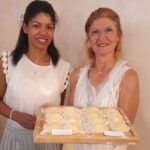
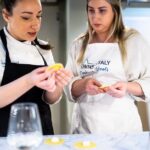
The class is taught by an instructor team who speak English and Italian. In a cooking class, that language mix is important because pasta-making often includes hands-on corrections. You’ll benefit more if you can understand small details like texture, pressure, and timing.
The group is limited to 10 participants. That size is a sweet spot for learning. You’re close enough to ask questions, but not packed so tightly that you feel like you’re working in someone else’s lane.
From the way Simone and Matteo run the evening, the goal seems clear: teach well, keep it fun, and maintain a smooth pace. Their roles come through in the structure—music guides timing, food fills the gaps, and you end with what you created.
Price and value: is $112.15 per person a fair deal?
At $112.15 per person, you’re paying for a full evening that includes:
- cooking instruction for fresh pasta (including cappelletti and tagliatelle)
- ingredients and the included apron
- a 40-minute aperitivo with wine
- piadina romagnola prepared live
- tasting of what you make
- tiramisù to end the night
Is it cheap? No. But it’s also not just a short tour or a quick tasting. You’re getting multiple included food moments, alcohol included during the aperitivo (extra wine is not included), and hands-on time with a small group.
If you compare value by what’s actually provided, this price looks more reasonable. You leave with a skill set (fresh pasta techniques), plus an experience format that feels closer to a Milanese evening than a classroom. For many visitors, that combination is worth it.
Just be realistic about who should book: if you can’t eat gluten or avoid certain diets, this is not built for you.
Who should book this class (and who should skip it)
This experience is best for people who want hands-on cooking with a lively social tone. You don’t need to be a pasta expert. You do need to be comfortable cooking alongside others in a loft kitchen while following a guided pace.
Book it if you:
- want to learn fresh pasta techniques in a small group
- enjoy aperitivo culture and want wine included
- like music-driven activities that keep lessons from feeling dull
- travel as a couple or small group and want an evening that feels personal
Skip it if you:
- are vegan (not suitable for vegans)
- need gluten-free cooking (not suitable for gluten intolerance)
- have diabetes and need specific food considerations (not suitable for people with diabetes)
- use a wheelchair (not suitable for wheelchair users)
- want an option suitable for people over 95 (not suitable for people over 95 years)
If you’re in a food-sensitive category, don’t assume you can swap ingredients here. The class is clearly set up around traditional pasta and typical inclusions.
Practical tips so your night goes smoothly
A few details can help you enjoy the evening more:
- Arrive ready to cook. You’ll be working with dough and shaping pasta, so plan for hands-on time rather than casual viewing.
- Bring a mindset for learning texture. Pasta dough takes feel. Expect to adjust as you go.
- Eat lightly beforehand if you want the aperitivo tasting to feel great. You’ll also have pasta and tiramisù later.
- Go with comfortable clothes. You’re in a kitchen. Even with an apron, you’ll likely get flour on something.
Also, keep the meeting point in mind: ring the bell at Riva. Because the class ends back there too, it’s a neat loop for your evening plan.
Should you book The Rockin Kitchen in Milan?
If you want a cooking class that feels like a real Milan night—music, hands-on pasta, a true included aperitivo, and a dessert finish—this one is a strong pick. The small group size, English/Italian instruction, and the fact that the soundtrack is designed around timing make it practical, not just fun.
I’d only hesitate if you fall into the dietary or accessibility limitations listed for the activity. And if you prefer quiet, no-music instruction, the party energy may not be your style.
For the right match, this is the kind of evening you’ll talk about later because you don’t just watch food happen—you make it, eat it, and remember the steps to a song.
FAQ
Where does The Rockin Kitchen start and end?
You meet by ringing the bell at Riva, and the activity ends back at the same meeting point.
How long is the cooking class?
The experience lasts 3 hours. Starting times vary, so you should check availability for the schedule.
What will I cook during the class?
You learn to prepare fresh pasta by hand and you make cappelletti and tagliatelle.
Is there an aperitivo as part of the experience?
Yes. There’s a 40-minute aperitif with wine, plus piadina romagnola prepared live and other Italian food items.
Is wine included?
Wine is included with the aperitivo. Extra wine is not included.
Do instructors speak English?
Yes. The instructor speaks English and Italian.
Is this a small group class?
Yes. It’s limited to 10 participants.
Are cats present during the experience?
The house is inhabited by cats, but they are not present during the experience.
Is the class suitable for vegans or gluten intolerance?
No. It is not suitable for vegans and it is not suitable for people with gluten intolerance.
Are there food or health limitations to know about?
The activity is not suitable for people with diabetes. It’s also not suitable for wheelchair users and not suitable for people over 95 years.