REVIEW · MILAN
Small Group Cozy Cooking Class in a Typical Milanese Home
Book on GetYourGuide →Operated by FollowMi Around · Bookable on GetYourGuide
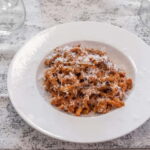
A dinner you make yourself beats any souvenir. This small-group class is set in a typical Milanese apartment where you learn fresh pasta tagliatelle, then sit down to a family-style meal you cooked (with wine flowing).
I especially like the tight group size—max 6—which makes it feel more like cooking with locals than following a script. And the host guidance is hands-on, including techniques for the pasta and the ragù, plus tiramisu to finish strong. When the reviews mention Chiara, that matches the vibe: you’re treated like a guest in someone’s home, not a ticket number.
One thing to consider: this is a 3-hour experience in a residential setting. If you’re expecting a big public tour or lots of city sightseeing, this is more hands-on and quieter than that.
In This Review
- Key Things I’d Book This For
- Why This Milan Class Feels More Local Than Touristy
- Meeting at Bell Alegi: Arrive Calm, Not Rushed
- Aperitivo First: How the Night Warms Up
- The Tagliatelle Lesson: Where Skills Actually Click
- Tiramisu Workshop: The Sweet Finish That Feels Like Italy
- Family Dinner Energy: Taste the Work, Not Just the Idea
- What the Small Group Does for Your Learning
- Languages and the Host: Chiara’s Kind of Guidance
- Price in Milan: Is It Worth $100.82?
- Who Should Book This (and Who Might Not Love It)
- Should You Book This Cozy Milan Cooking Class?
- FAQ
- FAQ
- How long is the cooking class?
- How many people are in the group?
- What dishes are included?
- Is wine included?
- Where does it start, and where does it end?
- Is hotel pickup included?
Key Things I’d Book This For
- Max 6 people means you actually get attention while you’re rolling and cutting pasta.
- A chef’s apartment in central Milan gives you a real-feeling slice of daily life, not a studio kitchen.
- Welcome aperitivo + wine throughout keeps the energy relaxed while you cook.
- Classic menu: tagliatelle, ragù, and tiramisu—full Italian comfort, built from scratch.
- Family dinner at the end turns learning into a proper meal, not just a tasting bite.
Why This Milan Class Feels More Local Than Touristy
Milan is a city of design, fashion, and fast-moving schedules. This experience slows things down on purpose. You’re not just sampling Italian food—you’re learning the steps that make it taste like it does.
The format matters. With only up to six people, you get time for questions and small corrections while your pasta is still on the counter and not already cooked and gone. That’s the difference between watching and actually learning. In my book, it’s the whole point of a cooking class.
You’ll also get that home-apartment atmosphere. It’s the kind of setting where you notice details—how people set out food, how a kitchen works when it’s actually used, and how conversation moves while someone walks you through the next step. That’s where the cultural part kicks in.
You can also read our reviews of more cooking classes in Milan


Meeting at Bell Alegi: Arrive Calm, Not Rushed
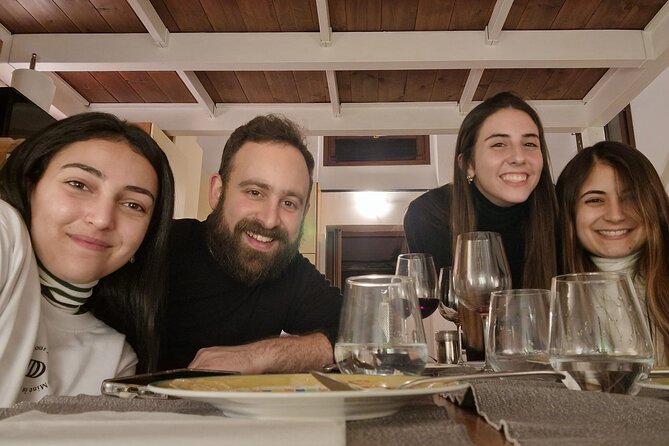
Your start is at the bell labeled Alegi, and the activity ends back at the meeting point. That simple loop is helpful in a city where you can lose time if plans start wandering.
Plan to arrive a few minutes early so you can settle in and meet your host without the stress. Since you’re going into a residential space, you’ll likely want to be ready to move from street pace to kitchen pace quickly—shoes, bags, and coats managed, hands available.
If you’re using public transit or walking, give yourself a little buffer. Apartment kitchens are usually efficient, but they’re also not built for chaos. A calm arrival makes the first drink and food feel welcoming instead of rushed.
Aperitivo First: How the Night Warms Up
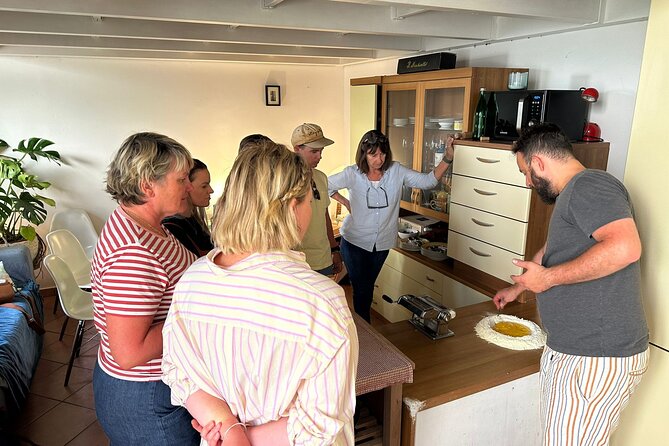
The evening begins with a welcome aperitivo featuring typical Italian products. This matters more than you might think. In Italy, aperitivo isn’t just a snack—it’s a social rhythm. It turns the group into a group.
Wine is served throughout the workshop, with red or white offered across the session. Expect a steady, friendly pace rather than a quick tasting. You’ll be cooking, so it’s not an all-day party, but it does make the time pass in a good way.
Practically, it also helps you relax. When you’re learning pasta techniques—especially if you’ve never rolled dough—confidence is half the skill. Starting with something familiar and tasty sets you up to focus.
The Tagliatelle Lesson: Where Skills Actually Click
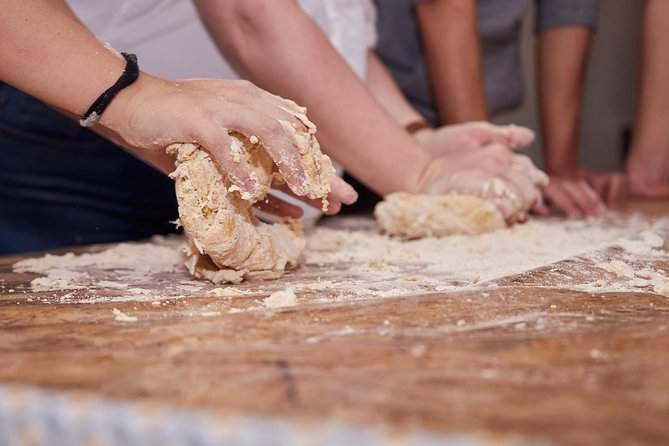
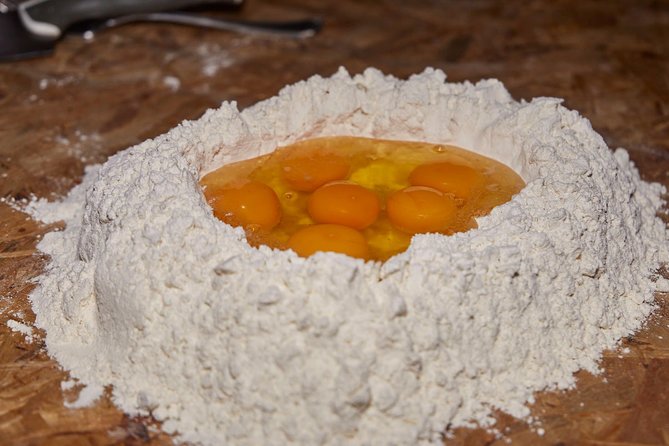
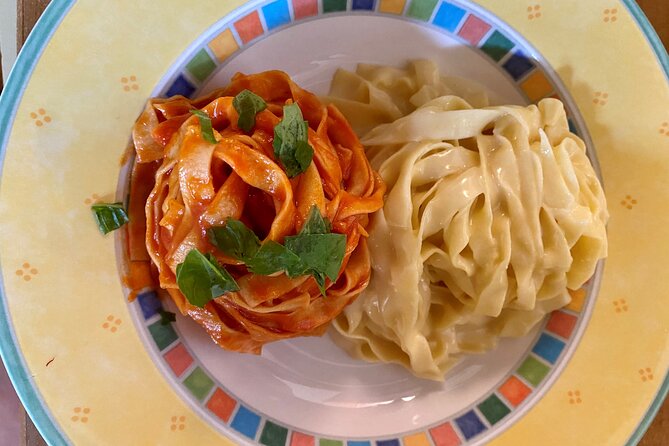
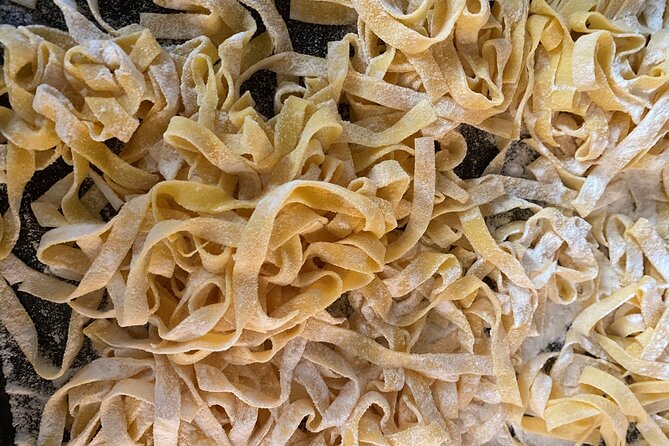
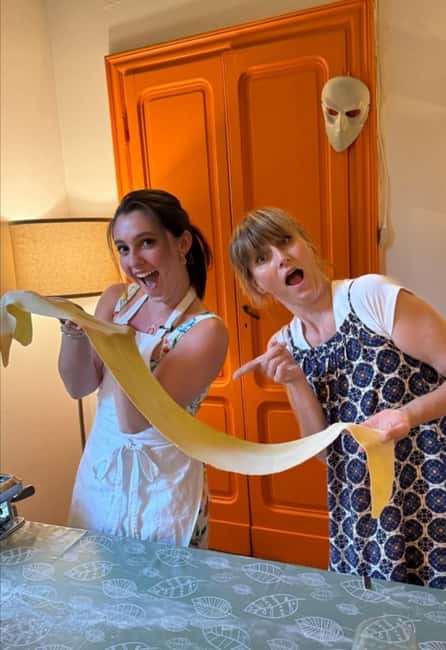
The main cooking part centers on homemade pasta tagliatelle. You’ll learn the technique from your host, step by step, with guidance on how to handle the dough and shape it into pasta.
Here’s what I love about this part: you’re not just learning a recipe. You’re learning a process you can repeat at home. Tagliatelle is a classic, and it’s forgiving enough that your first try doesn’t have to look like a restaurant to be good.
Then comes the ragù. This is where the flavor-building starts. You’ll work through how the sauce comes together, and you’ll see how ragù feels less like a single step and more like a sequence of decisions—timing, heat, and the way ingredients behave once they start cooking together.
If you’ve ever eaten ragù and wondered why it tastes deep even when the ingredients seem straightforward, this is your chance to understand what’s going on. You’ll likely come away with a better sense of why Italian sauces hit differently: method and attention, not just ingredients.
For value: the class includes the ingredients for the main dishes, so you’re not paying extra for the “surprise” grocery bill later. You’re also not spending the night comparing notes on what you should buy. You show up, cook, eat, and leave with the recipe structure in your head.
Tiramisu Workshop: The Sweet Finish That Feels Like Italy
You’ll also make tiramisù, Italy’s most famous dessert. This is the part that turns the cooking class into a full meal experience, not a two-dish lesson.
Tiramisu is a great choice for a small group because it has that mix of technique and comfort. You can follow along, you can see the texture changes, and you’ll get a result that feels special even if you’re new to baking-style steps.
And because it’s part of the included menu, you’re not paying an extra fee to “upgrade” your dessert. It’s built into the experience from the start.
If you’re the type who wants to bring home more than memories—something you can recreate—this is the dish that most people actually keep making.
You can also read our reviews of more tours and experiences in Milan




Family Dinner Energy: Taste the Work, Not Just the Idea
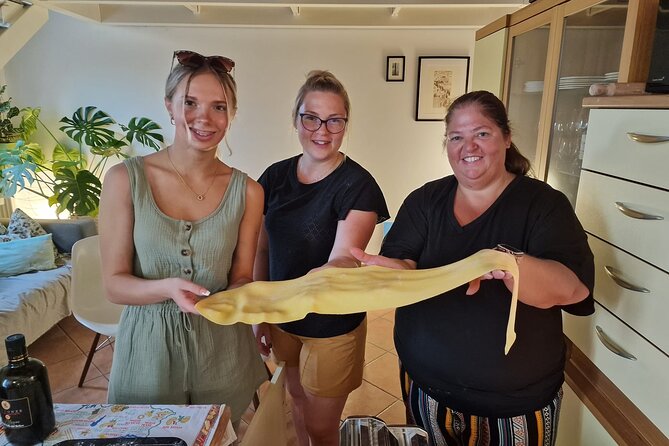
After cooking, you sit down with the rest of the group to enjoy the result. This is listed as a family dinner, and the vibe matches that word. You’re eating what you made, and the table conversation tends to follow naturally.
The group dynamic is one of the best parts. With a maximum of six people, you’re more likely to talk, compare mistakes and wins, and share the fun moments—like who finally got the pasta thickness right.
The reviews also point out a key detail: the tagliatelle is a highlight. When someone calls it possibly the best plate of tagliatelle of the trip, that tells me two things. First, they nailed the cooking together. Second, you’re going to care about the outcome because you earned it.
And yes, there’s wine with dinner. That doesn’t mean it turns into a drunken blur. It means you eat in a relaxed, social Italian way.
What the Small Group Does for Your Learning
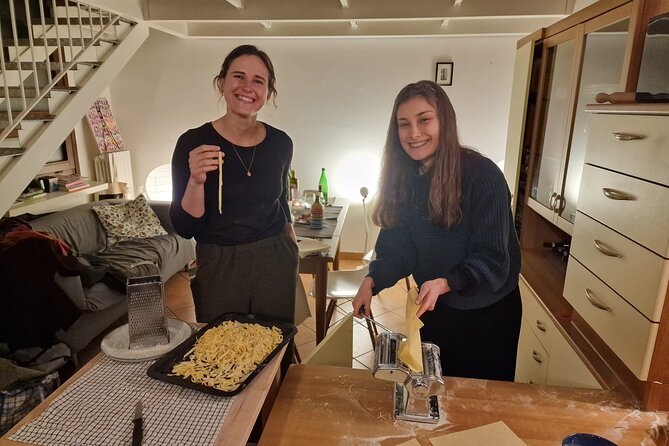
Let’s be honest: a cooking class for eight or ten can become mostly watch-and-wait. This one is different because it caps at 6 participants. That changes everything.
You can:
- ask questions without repeating yourself
- get help when dough sticks or shapes don’t behave
- learn technique while the steps are still relevant
One review stood out to me: the group ended up being just two people for an evening, and the host made it feel like a real home visit rather than a scaled-down workshop. That matters because it confirms the experience is flexible and personal when the group is small.
So if you’re someone who gets shy in group settings, this format helps. You’re not disappearing into the crowd.
Languages and the Host: Chiara’s Kind of Guidance
The instructor can work in English, Italian, or French. That’s a big deal for cooking classes, because food has a vocabulary: textures, consistency, technique names. When you understand the words, you learn faster.
In the reviews, the host named Chiara gets direct praise for making people feel at home and guiding them through every step. Even if you don’t speak Italian fluently, that kind of calm, welcoming teaching is exactly what you want when you’re learning something hands-on.
Practical tip: if you have cooking questions, ask early. Don’t wait until the moment you need to roll dough. The host can correct small things sooner, and you’ll enjoy the process more.
Price in Milan: Is It Worth $100.82?
At $100.82 per person, this isn’t a “grab-and-go” activity. But it’s also not just a paid lecture. You’re buying multiple parts that add up quickly in a big city kitchen-and-wine world:
- ingredients for the main pasta dish and tiramisù
- wine served throughout
- a welcome aperitivo
- water and soft drinks for kids
- a full family dinner
- access to a chef’s apartment in central Milan
- small-group instruction (max 6)
If you tried to recreate this independently—buying ingredients, booking a private space, and adding instruction—you’d likely pay more. The value here is the pairing: skills plus meal plus setting.
So I’d call it a fair price for what it delivers, especially if you like hands-on experiences and you want an evening with a real local flavor.
Who Should Book This (and Who Might Not Love It)
You’ll probably love this class if:
- you want a classic Milan/Italy food night, not a museum-style outing
- you enjoy cooking and want repeatable skills
- you like small groups and social dinner energy
- you want wine and aperitivo as part of the evening
You might think twice if:
- you’re only interested in sightseeing and big photo stops
- you want a short, low-effort activity (this is active cooking for about 3 hours)
- you have a very strict dietary need that requires special preparation (the class says special dishes are available on request, but that may affect price, so you’ll want to check)
Overall, it’s an experience built for people who enjoy learning by doing.
Should You Book This Cozy Milan Cooking Class?
If you want an authentic-feeling Milan evening with hands-on pasta, ragù, and tiramisu, this is an easy yes. The combination of a small group, the chef-apartment setting, and the sit-down family dinner is exactly how cooking classes should work: you leave fed, confident, and with skills you can use again at home.
Book it if you’re planning a trip where you want one standout “hands-on” night that feels personal. Skip it only if you’re chasing a high-energy walking tour or you’d rather not spend a few hours in a kitchen setting.
FAQ
FAQ
How long is the cooking class?
It runs for 3 hours.
How many people are in the group?
The group is limited to a maximum of 6 participants.
What dishes are included?
You’ll learn to make homemade pasta tagliatelle, ragù, and tiramisù. A family dinner is included at the end.
Is wine included?
Yes. Italian wine (red or white) is served throughout the workshop, along with a small welcome aperitivo.
Where does it start, and where does it end?
It starts at the bell labeled Alegi, and it ends back at the same meeting point.
Is hotel pickup included?
No, hotel pickup and drop-off are not included.