REVIEW · MILAN
Private Milan Street Photography Walking Tour with an Artist
Book on Viator →Operated by Ersan Ceviz · Bookable on Viator
Street scenes in Milan, taught like a craft. This private photo walk is built around real locations and real practice, guided by artist Ersan Ceviz. You’ll start at the Leica Store near Piazza del Duomo, then move through neighborhoods where angles, light, and textures practically beg to be photographed.
I particularly like the way this tour mixes classic landmarks with very current street life. You’ll get simple, practical photo-taking tricks along the route, not just sightseeing commentary. And I like that you’re in a private group, so the pace and photo stops can match what you’re trying to learn.
One possible drawback: it is a walking tour, and the listing asks for moderate physical fitness. If you’re not into moving for a few hours or you need frequent breaks, plan around that.
In This Review
- Key things that make this tour worth your time
- Milan Through a Camera Lens: what this private photo walk really delivers
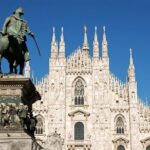
- Starting at the Leica Store by Piazza del Duomo
- Basilica di Sant’Ambrogio and Università Cattolica: where quiet architecture helps you practice
- Ticinese: street art, hip corners, and colorful Milan street life
- Porta Genova and Via Tortona: fashion-design energy for pattern and portrait ideas
- Darsena to Navigli Canals: old port, then reflections on water
- How the 3–4 hours fit together on foot
- English guidance and a mobile ticket that keeps things simple
- Price and value: is $240.82 per person worth it?
- Who should book this Milan street photo tour
- Should you book this Milan Street Photography Walking Tour?
- FAQ
- How long is the private Milan street photography walking tour?
- Where does the tour start?
- Where does the tour end?
- Is the tour offered in English?
- Is this a private tour?
- Do I need to pay admission fees for the stops?
- What fitness level is needed?
- Is the tour affected by weather?
Key things that make this tour worth your time
- Private group experience so the guide can tailor photo coaching to you
- Leica Store start near Piazza del Duomo, with a natural networking vibe for photographers
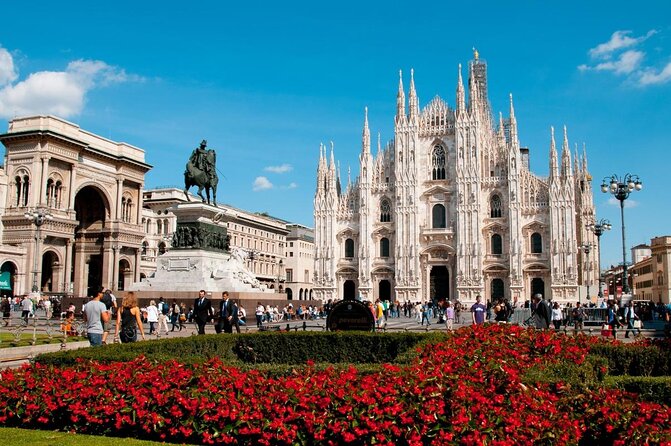
- A smart mix of stops: Duomo area → Sant’Ambrogio → Ticinese → Tortona → Navigli
- Street art + architecture focused photography in multiple styles across districts
- Hands-on guidance from Ersan Ceviz, including generous pointers and city-specific insight
- Admission tickets are free at the listed sights, which helps keep the overall value tight
Milan Through a Camera Lens: what this private photo walk really delivers
If you like photographing cities, you know the hard part is not owning a camera. It’s deciding what to shoot, how to frame it, and how to turn “I saw it” into “I made a picture.”
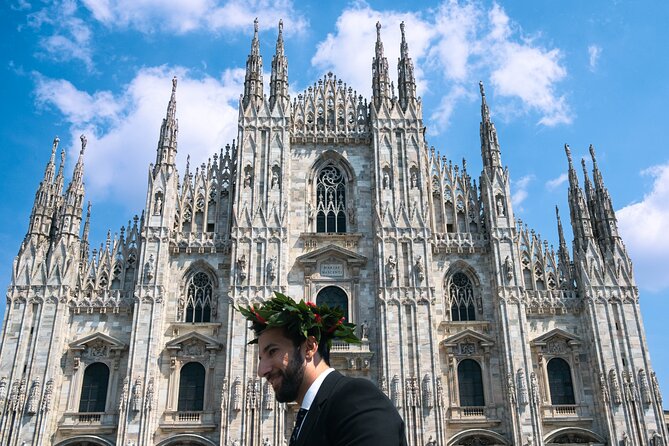
That’s where this tour is different. Ersan Ceviz guides you through Milan with an artist’s eye, and the stops are chosen for variety: grand stone and quiet edges, then neighborhood streets full of color, signage, surfaces, and people. You’re not just walking past places. You’re getting prompted to look at them like a photographer.
Also, the private format matters. In a small group, you can ask why a shot works, what to try next, and how to adjust when light or crowds change. That kind of back-and-forth is hard to get on big group tours, and it’s exactly what people praise when they talk about learning new tricks and having fun shooting together.
You can also read our reviews of more walking tours in Milan
Starting at the Leica Store by Piazza del Duomo
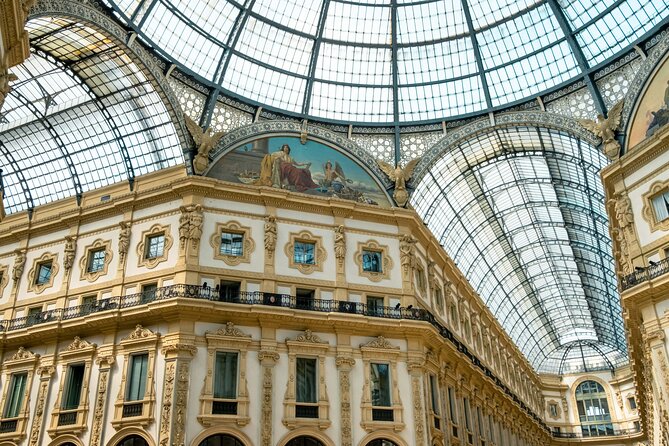
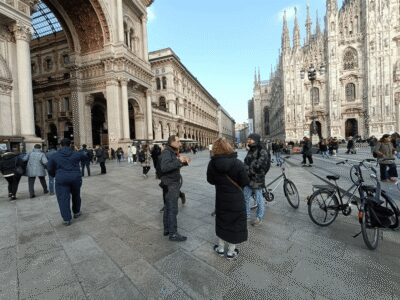
You begin at the Leica Store & Galerie Milano at Via Giuseppe Mengoni, 4, right by Piazza del Duomo. This is a great launch point because it does two things at once: it sets a photo mindset and it places you in one of Milan’s most visually loaded zones.
Inside, you get inspiration from the latest Leica camera gear, and the vibe is naturally friendly for photographers. I like starts like this because you can reset your expectations early: you’re not wandering with your camera held up randomly. You’re stepping into the day thinking about craft—composition, timing, and how to simplify a busy scene.
Practical tip: arrive ready to walk with your camera basics sorted. A quick check of straps, lens choices, and settings (even just leaving yourself one obvious “default” lens) will save you time when you hit the street.
Basilica di Sant’Ambrogio and Università Cattolica: where quiet architecture helps you practice
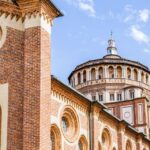
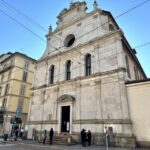
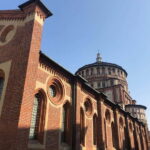
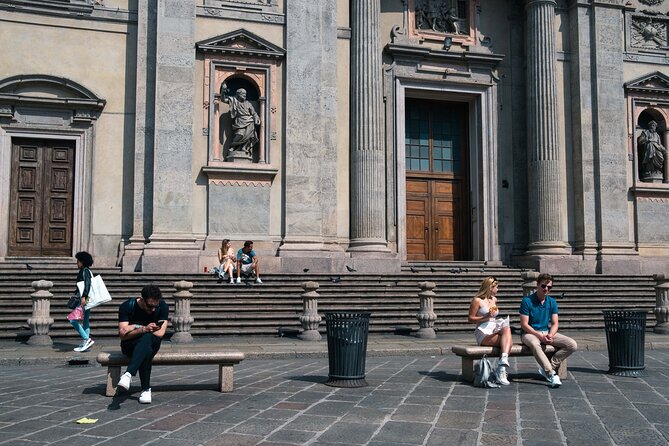
Stop two shifts the tone. You move from the energy of central Milan to the historic and academic heart around Basilica di Sant’Ambrogio and the nearby Università Cattolica del Sacro Cuore.
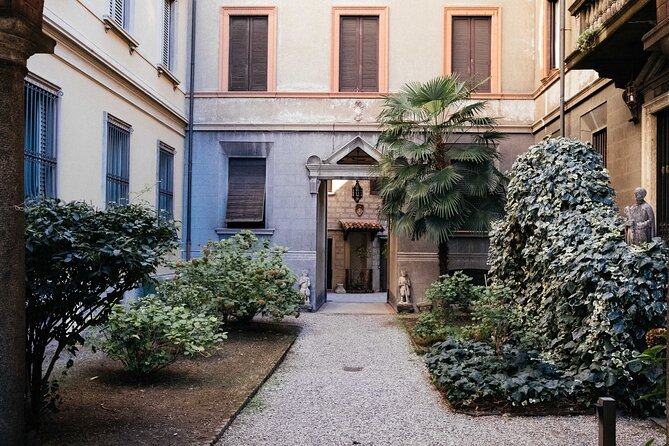
The basilica itself brings classic form and stone texture—ideal for learning how to frame religious architecture without turning it into a postcard. The university areas add courtyards and classical touches that are often more forgiving for photography: you can find repeating lines, calm corners, and built-in depth cues.
What I like here is the contrast. After Duomo-area visuals, you get a calmer space to slow down and work on fundamentals: perspective, symmetry, and details. Even if you’re shooting street portraits later, this kind of architectural practice sharpens your eye for shape and placement.
Possible drawback to keep in mind: if you’re only interested in street art and lively streets, this segment may feel slower. But it’s useful slow time—the kind that helps your later photos look intentional.
Ticinese: street art, hip corners, and colorful Milan street life
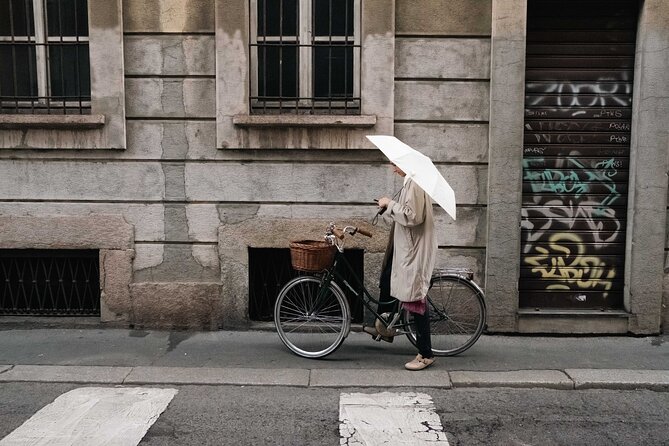
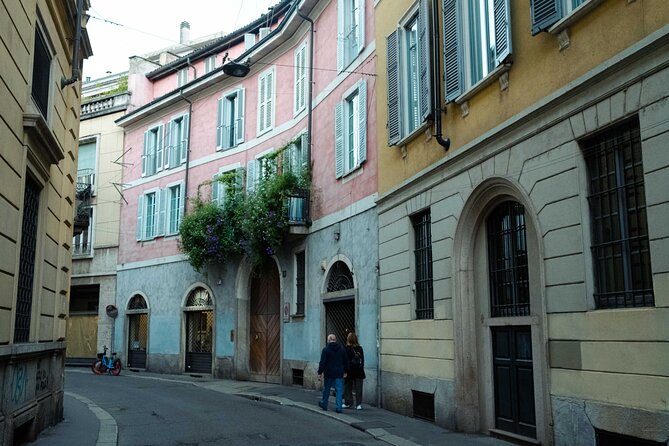
Then you head to Ticinese, a neighborhood known for mixing cafes, vintage shopping, and street art. This is where the tour’s street photography focus starts to feel obvious. You’ll find bold mural surfaces, interesting building facades, and plenty of human activity to photograph.
This is also the right place to practice a common street challenge: getting a photo that tells a story without trying too hard. Ticinese gives you layers—text on walls, graphic details on storefronts, and colorful compositions that can work even when you’re shooting quickly.
People consistently praise the educational part here, because the guide can steer you toward small choices that make a big difference—like where to stand, when to wait for a cleaner frame, or how to include context without clutter.
Practical tip: street art changes depending on weather and time of day. If the colors look flat, don’t force it. Try shooting textures and angles instead of chasing the biggest mural.
Porta Genova and Via Tortona: fashion-design energy for pattern and portrait ideas
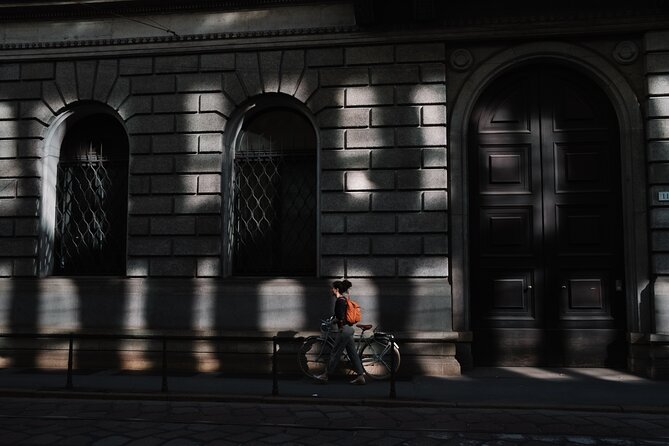
Next comes Tortona, focusing on the Porta Genova / Via Tortona area where fashion and design intersect. For photographers, that usually means two things: storefront visuals and people-watching material.
This stop is about patterns, textures, and stylish everyday scenes. You might photograph chic storefronts, see stylishly dressed locals, and use street art and murals as background elements. If you like fashion photography, urban portraiture, or city-detail shots, this part of the walk naturally supports those interests.
I also like that this section gives you options. Even if you don’t want portraits, the visual “design language” of the area can still create strong compositions. Look for reflections, repeated signage styles, window frames, and sharp lines that make Milan feel graphic.
Watch your framing: when you have a lot of visual input (people, signs, colors), it’s easy to pack too much into one photo. A private guide can help you simplify—something that many photo learners find surprisingly hard without coaching.
You can also read our reviews of more private tours in Milan

Darsena to Navigli Canals: old port, then reflections on water
The final stretch takes you to the Darsena district, Milan’s historic port area that has changed a lot in recent years. Now you’ll see a lively waterfront promenade, trendy bars and restaurants, and street art that works well with both wide and close framing.
For street photographers, the port area is interesting because it offers “old + new” scenes in the same frame. You can shoot boats and buildings together, catch color in the water, and get lively street-life details without needing to travel far from where you already are.
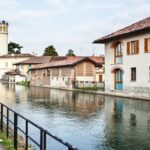
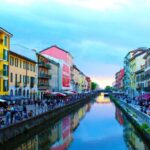
Then you move to the Navigli Canals, one of the most photogenic endings you can ask for in Milan. Here you’ll find restored historic buildings, waterfront atmosphere, and plenty of reflections—great for experimenting with composition and timing. The area also has local artisans and street performers, which means you can work on candid storytelling shots rather than only architecture.
Practical tip: water reflections can be tricky if you’re shooting handheld and moving. Stabilize yourself when you can, and consider trying a couple of compositions: one that emphasizes the subject, and one that emphasizes the reflection.
How the 3–4 hours fit together on foot
The tour runs about 3 to 4 hours, and it’s designed as one continuous walking flow through distinct photo zones. That length is long enough to learn, practice, and see multiple neighborhood styles, but short enough that you’re not stuck sightseeing all day with your camera unused.
Because it’s private, the pacing can work better for you. If you want more time at one stop for angles and waiting for the right moment, you’re less likely to feel rushed. If you prefer to keep moving, you can likely keep the pace tighter.
What to expect physically: the listing calls for moderate physical fitness. That means plan for walking between districts and standing to shoot. Wear comfortable shoes you already trust.
English guidance and a mobile ticket that keeps things simple
This experience is offered in English, which is a big deal for learning photo technique. You don’t just need directions—you need a coach who can explain what to try and how to adjust when the scene doesn’t cooperate.
You’ll also have a mobile ticket, which makes it easier to manage your day without digging through printed paperwork.
And because the meeting point is near public transportation, it’s not hard to plug into Milan’s transit. If you’re coming in from another area, you’ll usually be able to get close without long extra walks.
Price and value: is $240.82 per person worth it?
At $240.82 per person for a 3 to 4 hour private photo walk, this is not a budget sightseeing add-on. So the real question is: what do you get beyond walking around with a camera?
Here’s what makes the value feel justified:
- Private coaching from an artist (Ersan Ceviz): people highlight that he’s generous with pointers and teaches photo tricks, not just where to go.
- Practical learning across multiple subjects: architecture, academic courtyards, street art, fashion-design streets, and water reflections. That’s a lot of photo “practice types” in one session.
- Free admission at the listed stops: the experience notes tickets for admissions are free, so you’re not paying extra entry fees to access the core photo environments.
Also, availability matters. The tour is often booked well ahead (on average around 77 days). That’s a clue it’s popular for the kind of coaching experience it offers.
If you’ve tried taking street photos on your own in Milan and felt like you were guessing, this kind of guided practice can be money well spent.
Who should book this Milan street photo tour
This tour is a strong fit if you:
- Want a private guide who can give you direct photo coaching
- Like street art and urban scenes, plus architectural details
- Are curious about building a photo workflow in a real city environment
- Prefer learning with feedback rather than following a script
It may be less ideal if you:
- Want only major-ticket attractions and don’t care about photography technique
- Can’t do several hours of walking and standing
- Are expecting museum-style explanations of artwork or history, since the focus stays on photographing what’s in front of you
Should you book this Milan Street Photography Walking Tour?
If you want to leave Milan with photos that look intentional, not accidental, I think this is an easy yes. The combination of the Leica Store start, the mix of neighborhoods, and the hands-on instruction from Ersan Ceviz is exactly the kind of structure that helps you get better fast.
My main piece of advice is simple: book it when you can bring your camera mindset. If you come ready to experiment—framing, waiting for moments, and trying the small suggestions—it will feel educational and fun, not just like a scenic walk with a guide.
FAQ
How long is the private Milan street photography walking tour?
It lasts about 3 to 4 hours.
Where does the tour start?
It starts at the Leica Store & Galerie Milano, Via Giuseppe Mengoni, 4, 20121 Milano MI, Italy.
Where does the tour end?
The activity ends in a different location than where it starts.
Is the tour offered in English?
Yes, it’s offered in English.
Is this a private tour?
Yes. It’s private, and only your group participates.
Do I need to pay admission fees for the stops?
The listed admissions are free for the stops included.
What fitness level is needed?
The listing asks for a moderate physical fitness level.
Is the tour affected by weather?
Yes. The experience requires good weather, and if it’s canceled due to poor weather, you’ll be offered a different date or a full refund.