REVIEW · MILAN
Milan: Sweet Delights Patisserie Tour by Do Eat Better
Book on Viator →Operated by Do Eat Better Experience · Bookable on Viator
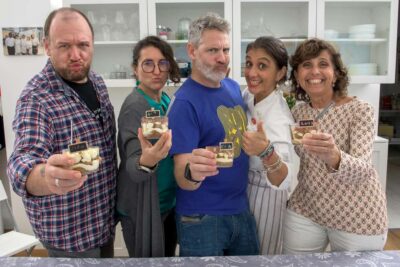
Sweet time in Milan starts with one first stop. This 2.5-hour patisserie tour puts you in front of five tastings across traditional bakeries, with English-speaking guides who explain what you’re eating and how it fits Milan’s food culture. I love the focus on iconic treats like cannoncino and panettone, and I also love that the tour wraps in chocolate lovers’ territory with Milan pralines.
One possible drawback: the pace can feel like a lot of sugar and the street noise can make slower, detailed commentary harder to hear.
In This Review
- Key things to know before you go
- What You Actually Taste on Sweet Delights
- Price and Value: $66.38 for a 2.5-Hour Sweet Walk
- Meeting Point to Final Stop: How the Walk Fits Your Day
- Stop 1: Largo Guido Donegani and the First Taste Moment
- Stop 2: Via della Moscova and the Cannoncino Moment
- Stop 3: Via Broletto and Classic Panettone Right in Town
- Stop 4: Piazza Mercanti and Milanese Mignon Pastries
- Stop 5: Via Speronari and the Pralines Finale
- What Makes the Tour Feel Worth It: Guides and Real Insights
- The One Thing to Watch: Pace, Noise, and Too Many Sweets
- Who Should Book This Milan Patisserie Tour (and Who Might Skip It)
- Practical Tips to Get More Out of Your Tastings
- Should You Book the Sweet Delights Patisserie Tour?
- FAQ
- How long is the Sweet Delights patisserie tour in Milan?
- Where does the tour start and end?
- What language is the tour offered in?
- What is included in the price?
- What desserts will I sample?
- How many stops are there?
- What’s the maximum group size?
- Is the tour suitable if I have food allergies?
- What is the cancellation policy?
Key things to know before you go
- Five tasting moments across classic Milan neighborhoods, not just one shop and done
- Cannoncino served with fillings added right before you, so it stays crisp
- Panettone and marron glacé show up as true Milan favorites, not generic “dessert”
- Small group size (max 12) keeps it social, not chaotic
- Coffee and/or tea included, which helps you reset between sweets
- A guide may switch between English and Italian, but the tour stays English-forward
What You Actually Taste on Sweet Delights
This tour is built around one simple idea: Milan pastries are a serious craft, and it’s easier to understand that by eating your way through them. You’re not just getting random bites. You’ll sample a set of classic items that locals take seriously at Sunday lunch and during the holiday season.
Here’s the menu flavor you should expect:
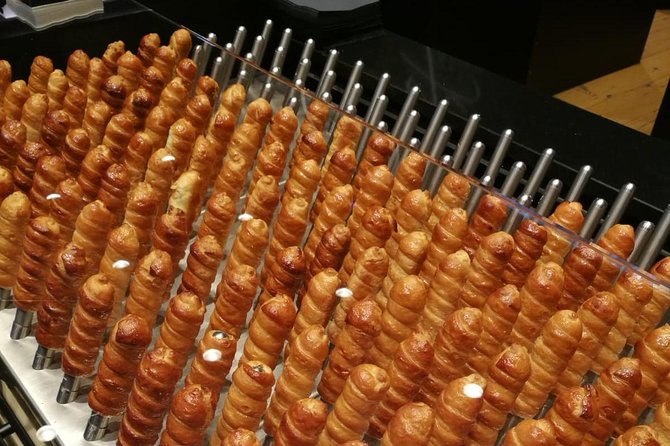
- Cannoncini / Cannoncino: puff pastry tubes filled with custard or zabaione (think egg-and-sugar richness)
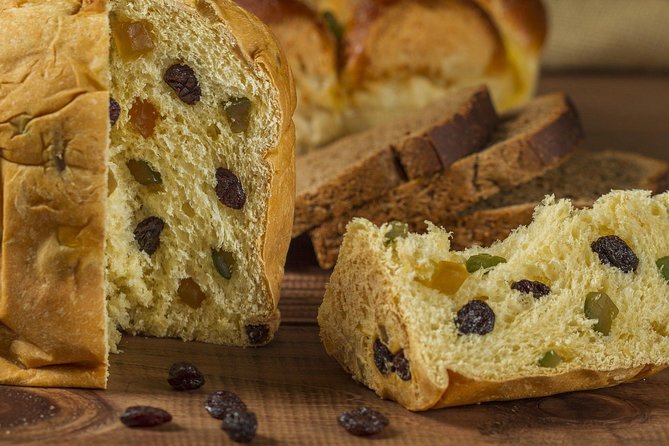
- Panettone: the Milan icon—usually raisins and candied fruit in the classic style
- Marron glacé: chestnut that’s soaked in water, cooked in sugar syrup, then glazed
- Milanese pastries: small-format sweets that locals often treat like family lunch favorites
- Pralines: handmade chocolates filled with fruit or more chocolate
I like that the list covers different textures and flavors: crisp vs. creamy, bread vs. candy, and fruit-sweet vs. pure chocolate. It makes it easier to decide what you’d want again later.
You can also read our reviews of more tours and experiences in Milan

Price and Value: $66.38 for a 2.5-Hour Sweet Walk
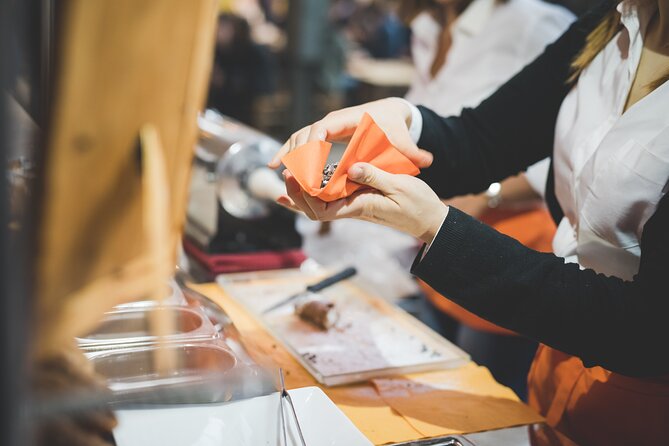
At $66.38 per person for about 2 hours 30 minutes, the deal is really about what’s included and how many stops you get. You’re paying for:
- an English-speaking local guide
- snacks plus coffee and/or tea
- multiple tastings across separate shops
In plain terms: you’re buying convenience plus context. Milan has lots of pastry shops, but this format helps you pick the good ones without guessing. Also, the group is capped at 12, which usually means less waiting and more time to ask questions.
If your plan is mostly museums, this tour is a smart counterbalance. You get a cultural walk (history and where you are in the city) and then you leave with enough sugar to prove your trip is real.
Meeting Point to Final Stop: How the Walk Fits Your Day
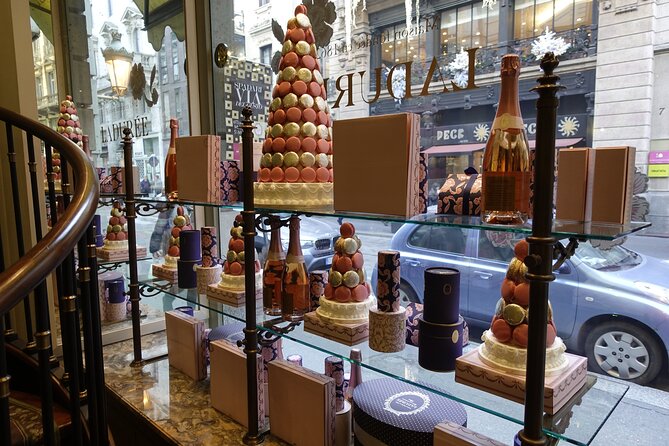
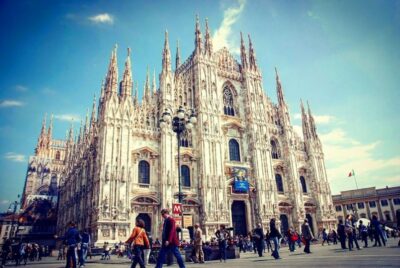
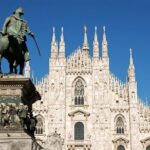
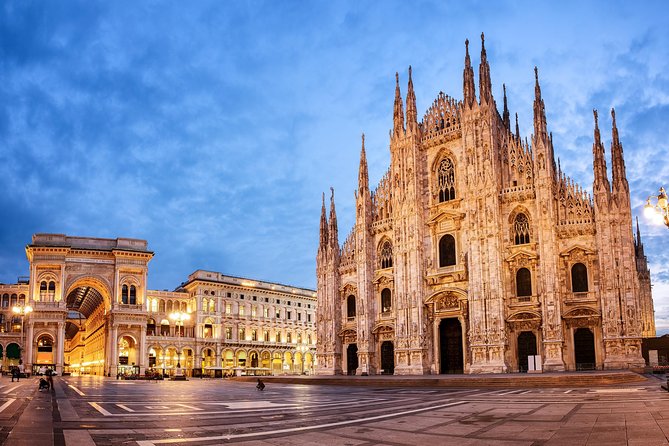
You’ll start at Largo Guido Donegani, 105 and finish in the Duomo area (Piazza del Duomo). The route is designed as a walking loop through central neighborhoods, so it works best as a standalone activity or as a way to bridge between sights.
A few practical notes that matter:
- This is a walking tour, and it asks for moderate physical fitness
- You’ll want to wear shoes you’re comfortable in for a steady stroll
- If you don’t eat a big lunch, you’ll probably enjoy it more (the tour includes multiple sweets)
One more small thing: it’s offered in English, and guides may use both English and Italian while staying understandable for the group.
Stop 1: Largo Guido Donegani and the First Taste Moment
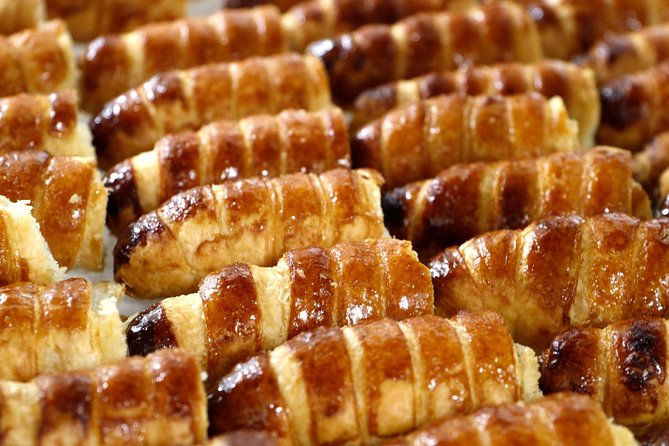
Your first stop at Largo Guido Donegani sets the tone. This is where you get oriented to Milan’s pastry culture before the flavor parade really starts.
Even when the “admission ticket” piece says free, the value is that the guide frames what you’re about to see: the way Milanese pastry is treated as part of everyday life, not just tourism. You’ll be standing in a real neighborhood setting, not a staged market.
Why I like this first segment: it’s the warm-up. You can start with curiosity instead of grabbing food immediately and hoping you’ll understand later.
Stop 2: Via della Moscova and the Cannoncino Moment
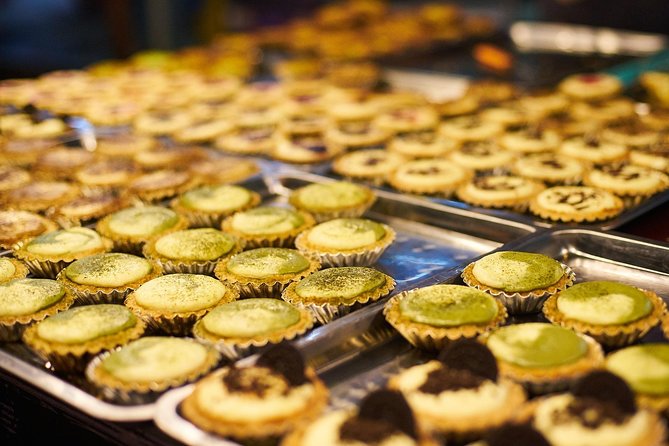
On Via della Moscova, you’ll focus on a signature treat: cannoncino (often called cannoncini). This is the crispy puff pastry tube that gets filled right before you.
That detail matters. Fresh filling is the difference between a tube that stays crisp and one that turns soggy. The tour timing is built around that, so you’re tasting it at its best.
If you’re the kind of eater who cares about technique—crunch, cream, contrast—you’ll probably rank this as one of the highlights.
Stop 3: Via Broletto and Classic Panettone Right in Town
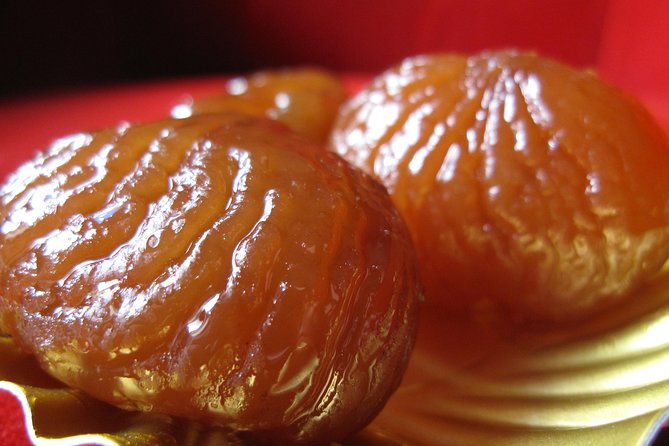
Next is Via Broletto, in the historic core. Here you’ll try panettone, the famous Milan sweet bread with dried fruit and candied fruit.
The tour’s useful because panettone can look straightforward, but there are different styles and expectations. A guide helps you connect the taste to Milan’s identity: panettone isn’t just a holiday souvenir. It’s part of a broader pastry tradition where bread-like sweets are celebrated.
The location also adds value. Walking through historic streets near the center while tasting panettone makes it feel like you’re eating a local custom, not collecting a checklist.
Stop 4: Piazza Mercanti and Milanese Mignon Pastries
Near Piazza Mercanti, you’ll sample mignon pastries—miniature desserts that pastry chefs treat like small works of edible art.
This stop is the “variety” moment. Expect multiple bite-sized pieces and plenty of color and shape. It’s a great approach if you want to try more than one thing without committing to a full slice.
One practical tip: since this is a mini-tasting stop, go slow. Take one or two bites, then decide what you like most before you keep going. If you rush, everything can start to taste similar.
Stop 5: Via Speronari and the Pralines Finale
Your grand finish is at a chocolate shop on Via Speronari, where you’ll sample Milan pralines. These are handmade chocolate sweets with fillings like fruit or more chocolate.
This is a strong ending strategy. By the time you reach the chocolate, you’ve already tasted pastry textures and fruit-sweet flavors. The pralines feel like the final act—more concentrated, more classic, and easier to remember later when you compare what you liked.
If you’re a chocolate person, you’ll likely walk out thinking about this stop first.
What Makes the Tour Feel Worth It: Guides and Real Insights
A big reason this tour scores so well is the guide quality. Names that show up in feedback include Anna, Francesco, Piera, Agnese, Antonio, and Giulia. Different people, same theme: they don’t treat the tour like a food vending route.
Instead, the best guides add context while you walk—where you are in Milan, how pastry culture ties into daily life, and little cultural connections along the route. In particular, many comments emphasize that guides share history and other arts and city insights, not just what’s in each dessert box.
Also, the group size matters here. With a maximum of 12, questions don’t get swallowed. If you want to ask about what to buy later or where to find similar sweets on your own, the guide can actually respond.
The One Thing to Watch: Pace, Noise, and Too Many Sweets
Let’s be honest: you’re eating multiple desserts in a short window. Several comments point out that it can feel like too much, especially if you start with a big appetite or you’re not used to dessert-heavy walking tours.
Street noise is another factor. In busy central areas, it can be hard to catch every word while you’re standing and sampling. The guide is still working, but you might not get every detail if it’s loud outside the shop.
My advice:
- arrive with a lighter meal earlier (not a huge lunch)
- drink water when you can, not only coffee
- pace yourself inside each shop: one thoughtful bite beats rushing five bites at once
Who Should Book This Milan Patisserie Tour (and Who Might Skip It)
Book this if:
- you have a sweet tooth and want a structured way to taste Milan
- you enjoy learning while walking, even if the learning is about food culture
- you want a change of pace from churches and galleries
Skip or reconsider if:
- you have a severe or life-threatening food allergy, since the tour can’t accommodate those cases
- you hate the idea of multiple desserts in one go
- you’re looking for a purely historical walking tour with minimal eating
It’s also a good fit for couples and small groups. The tour is casual enough to be fun, but guided enough that it doesn’t feel random.
Practical Tips to Get More Out of Your Tastings
A few small choices can make a big difference:
- Wear shoes that handle repeated stops. The tour is short, but the legs still work.
- Keep an open mind on zabaione/custard. If you like custard desserts, you’ll probably love the cannoncino.
- If there’s an option to take sweets to go (some experiences mention portions for later), plan for a little extra. It can save you money if you want a second dessert round after dinner.
Also, if you’re the type who tries everything on principle, slow down at the mignon pastries stop. That’s where you can easily overdo it.
Should You Book the Sweet Delights Patisserie Tour?
If you want a simple, high-reward way to taste Milan, I’d say yes. The format hits the sweet spots: iconic desserts, multiple shops, and a guide who adds city context. At $66.38 you’re paying for more than sugar—you’re paying for a guided route through a real pastry culture with enough stops to compare styles.
I’d only hesitate if you’re allergic in a way that can’t be accommodated, or if you know you get overwhelmed by a lot of dessert in a short time. Otherwise, this is a fun, practical way to experience Milan beyond the postcard sights.
FAQ
How long is the Sweet Delights patisserie tour in Milan?
The tour runs about 2 hours 30 minutes.
Where does the tour start and end?
It starts at Largo Guido Donegani, 105, 20121 Milano MI, and ends near Piazza del Duomo.
What language is the tour offered in?
The tour is offered in English.
What is included in the price?
The tour includes an English-speaking local tour guide, snacks, and coffee and/or tea.
What desserts will I sample?
You’ll sample cannoncini/cannoncino, panettone, marron glacé, a selection of Milanese pastries, and pralines.
How many stops are there?
The route includes five tasting stops across different areas, ending with the chocolate shop.
What’s the maximum group size?
The tour has a maximum of 12 travelers.
Is the tour suitable if I have food allergies?
For safety reasons, guests with severe or life-threatening food allergies cannot participate.
What is the cancellation policy?
You can cancel for a full refund if you cancel at least 24 hours before the experience starts.