REVIEW · MILAN
Milan: Private 4-Hour Walking Tour
Book on GetYourGuide →Operated by Tour Travel & More · Bookable on GetYourGuide
Milan hits different when you’re not sharing the sidewalks. This private 4-hour walking tour pairs an official local guide with an efficient route through the city’s headline sights, plus Duomo entry included so you can see more than just the façade. I especially like the flexibility of a tour that’s built around your pace and questions, and the way the guide connects monuments to what was happening around them.
One thing to keep in mind: 4 hours moves fast. If you prefer slow, museum-level thinking, you might find the amount of information a bit heavy unless you pace the conversations.
In This Review
- Key highlights to know before you go
- How this private Milan walk is designed to work
- Starting in the right place: pickup vs. meeting at the Duomo
- Entering the Duomo: more than just photos
- Teatro La Scala area: Milan’s theater power without the crowds
- Castle of Sforzesco: architecture you can feel
- Brera: the neighborhood break that still counts
- Gallery of Victor Emmanuel II: class and spectacle
- Pinacoteca of Brera area: art adjacent, not art fatigue
- Santa Maria delle Grazie: pause for frescoes
- Basilique of San Ambrosio: another layer of sacred Milan
- Piazza del Duomo and Parco Sempione: city core, then air
- Pace, comfort, and how to avoid information overload
- Languages and private-group advantages that actually matter
- Does this tour feel like value, given the price?
- Who this tour fits best
- Should you book this Milan private 4-hour walking tour?
- FAQ
- What’s included in the Milan private walking tour?
- Is Duomo admission included, and do I need to wait in line?
- How long is the tour?
- Do you pick up from any hotel in Milan?
- What languages are available for the guide?
- Is transportation included?
- Where does the tour end?
Key highlights to know before you go
- Skip-the-line Duomo access: You get direct entry for one of Milan’s main icons.
- Official private guide: You get real explanations, not just a route card.
- Brera + Pinacoteca area time: A neighborhood stop that feels like a breather from bigger landmarks.
- Santa Maria delle Grazie fresco stop: You’ll pause at one of Milan’s standout church interiors.
- Sforzesco and Parco Sempione views: Architecture, then a green release after the city’s stonework.
- Central pickup option: If your hotel is in the right area, you start with less friction.
How this private Milan walk is designed to work
This is a 4-hour private walking tour of Milan with an official guide. You’ll start with hotel or apartment pickup if you’re centrally located, then meet your guide and head out on foot to hit the city’s most emblematic places without wasting time figuring out routes, entrances, or what’s worth your attention.
The big practical win here is the format: it’s private, so the guide can adjust to your pace and interests. One review noted it was just two people, which meant more time to linger and ask questions instead of being swept along by a larger group. That personal attention is exactly why I like this kind of tour, especially in a place like Milan where you can accidentally spend half a day just getting oriented.
Price is $317.20 per person, and it’s not “budget” travel. But you do get real value in exchange: Duomo entrance included, a private official guide, and (when you’re centrally located) pickup and drop-off.
You can also read our reviews of more walking tours in Milan
Starting in the right place: pickup vs. meeting at the Duomo
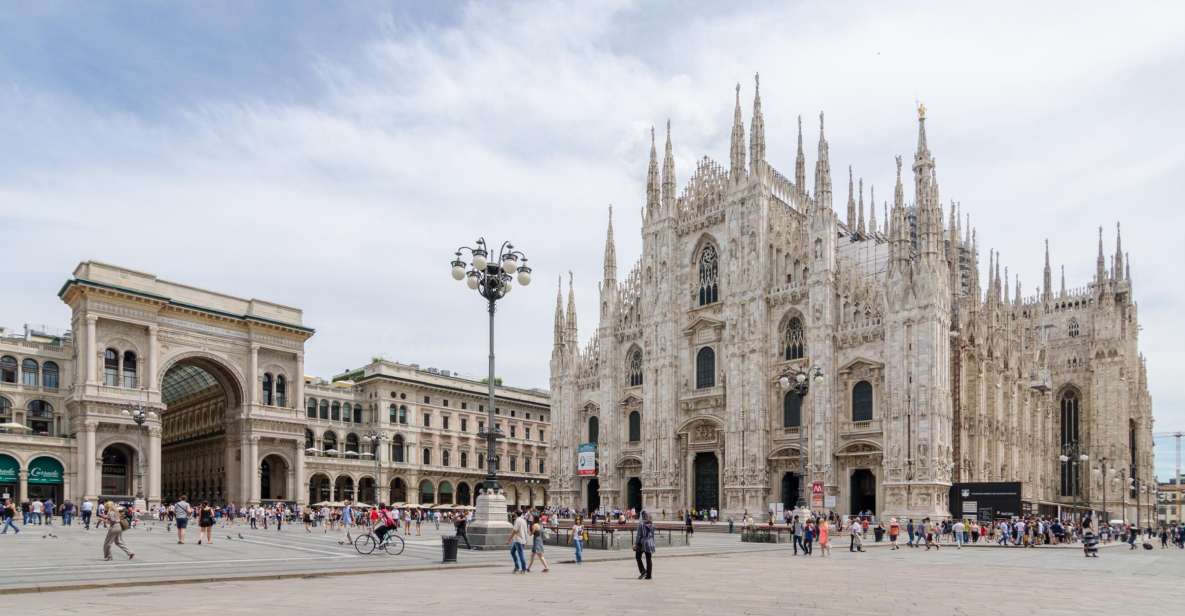
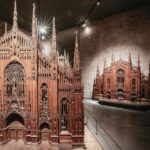
You’ll either be picked up at your hotel/apartment in Milan (only if centrally located), or you’ll meet at the Duomo of Milan, in front of the Museum 900. This matters more than it sounds. If you start downtown and already near the sights, you lose less time and walk more of the actual city.
Also note the tour ends back at the meeting point. So you’re not planning your evening around a complicated return trip. It’s the kind of structure that keeps the day from feeling like a logistics problem.
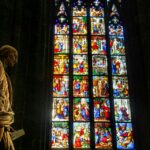
Entering the Duomo: more than just photos
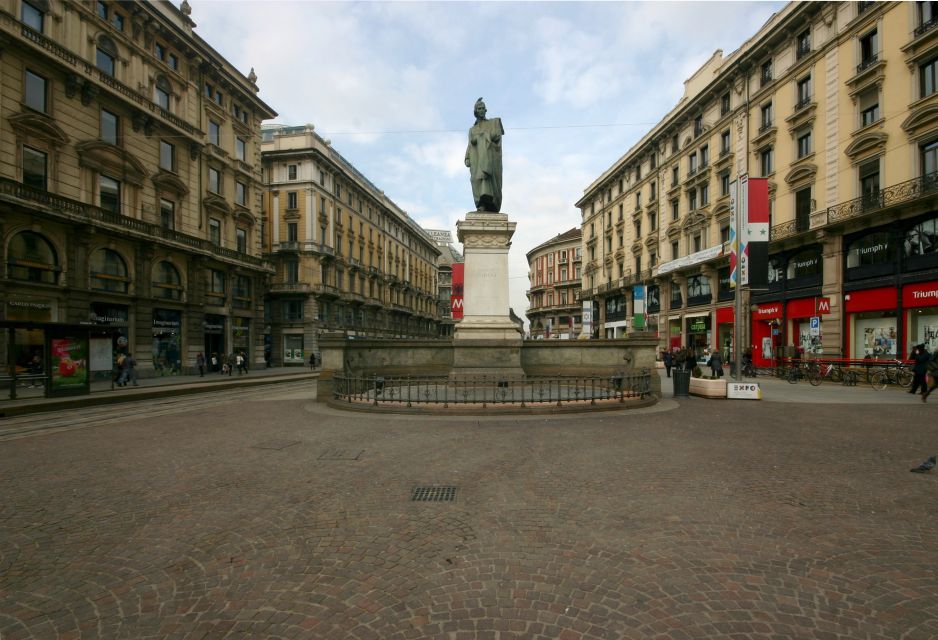
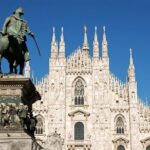
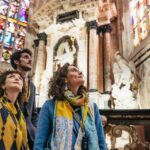
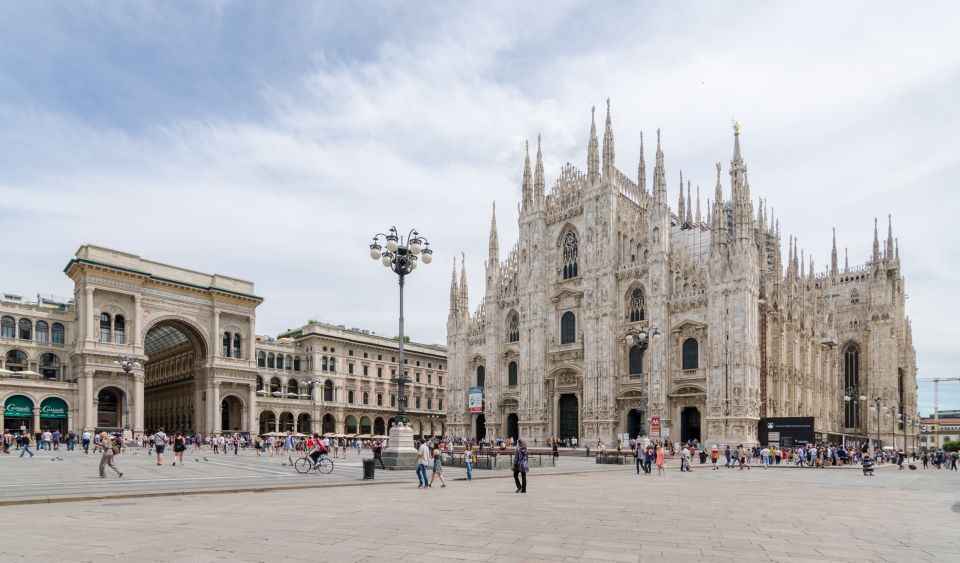
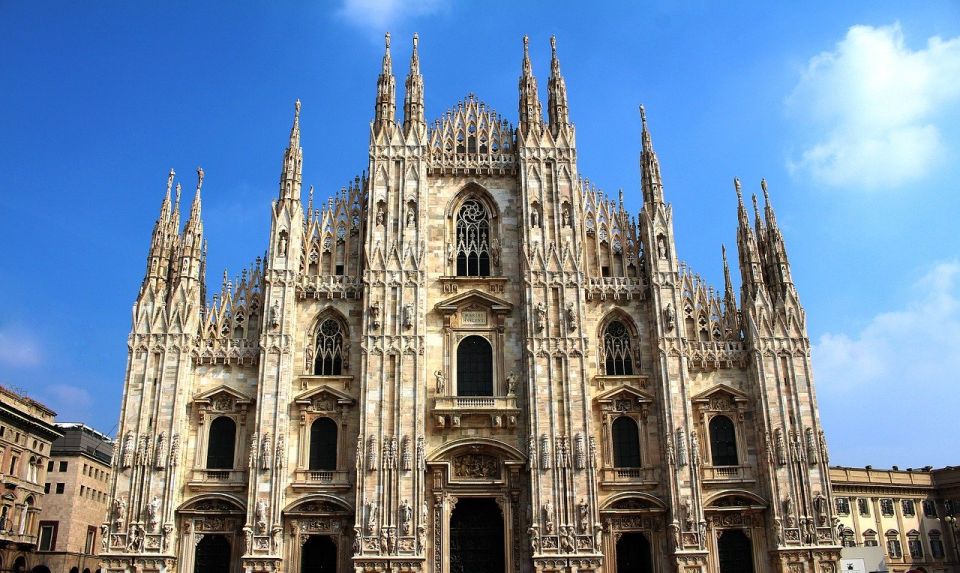
The Duomo di Milano is the star stop, and here you get entrance included plus skip-the-ticket-line benefits. That’s a big deal in practice, because even quick line-waiting can eat into a short tour like this one.
Inside, the Duomo is a sensory overload in the best way: scale, detail, and the feeling that you’re standing in stone-work that took generations. Your guide’s job is to help you see what matters—how the design choices connect to Milan’s identity and why the building became such a city symbol.
Tip I’d give you: don’t try to “see everything” at once. Instead, ask your guide what to look at first, then pick one or two areas to study longer. In a four-hour tour, that choice makes the difference between a blur and a real memory.
Teatro La Scala area: Milan’s theater power without the crowds
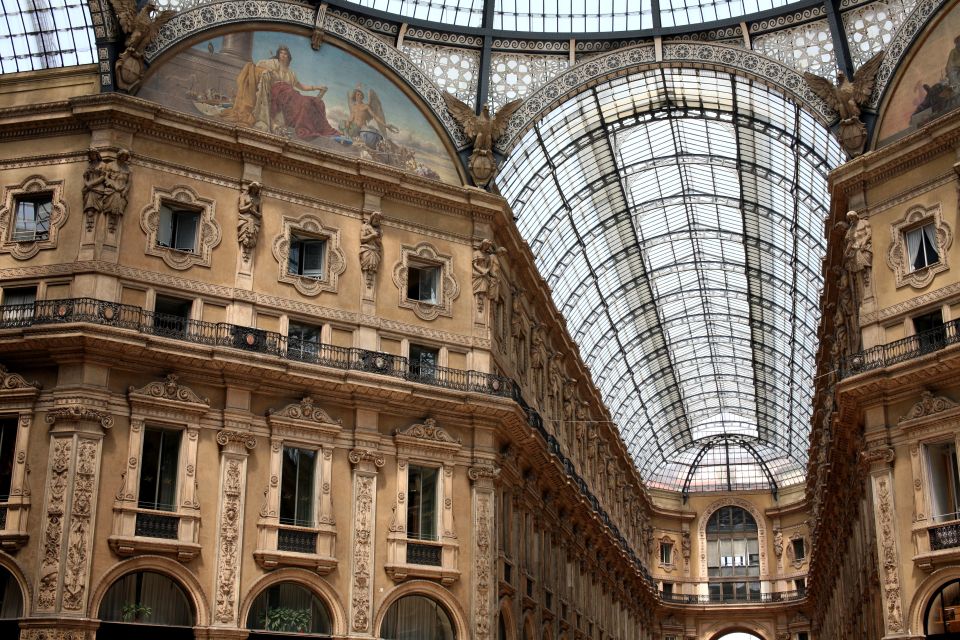
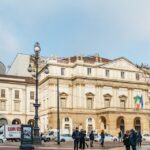
This tour includes Teatro La Scala as one of the major sights. The listing frames it as part of the city highlights, and in a walking route like this, you’ll typically see it from the outside while moving through the surrounding area.
Even if you’re not attending a performance, Scala tells you something about Milan: how the city brands itself through culture, music, and prestige. It’s also a good contrast stop—one moment you’re looking at cathedral stonework, and the next you’re in a more refined, city-center world of opera and tradition.
Castle of Sforzesco: architecture you can feel
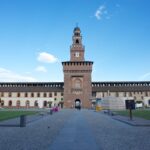
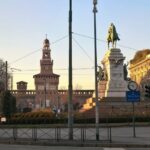
You’ll also reach Castello Sforzesco. Even from a distance, it’s the kind of landmark that changes your sense of Milan’s timeline. It doesn’t feel like a single building; it feels like a whole chapter of power, defense, and civic pride.
This is where a guide earns their keep. Instead of treating it as a “pretty castle,” you’ll understand why it matters in Milan’s story and how it shaped the city’s layout and identity. One review emphasized that the guide had strong knowledge and handled questions with high competence, which is exactly what you want at a stop like Sforzesco—where you can either miss meaning or grab onto it quickly.
You can also read our reviews of more private tours in Milan



Brera: the neighborhood break that still counts
The route includes Brera, and that’s one of the reasons this tour doesn’t feel like a checklist. Brera is where Milan slows down. You get a neighborhood vibe with streets that invite you to look up, not just forward.
This is also a smart “breather” in the itinerary. After big landmarks (Duomo, Sforzesco), you want a human-scale area. Brera helps you process what you’ve already seen, and it also sets you up for a smoother conversation with your guide about Milan’s artistic side.
If you’re the type who likes to pause and look at storefronts and street rhythm, Brera will likely feel like the best “walk break” in the tour.
Gallery of Victor Emmanuel II: class and spectacle
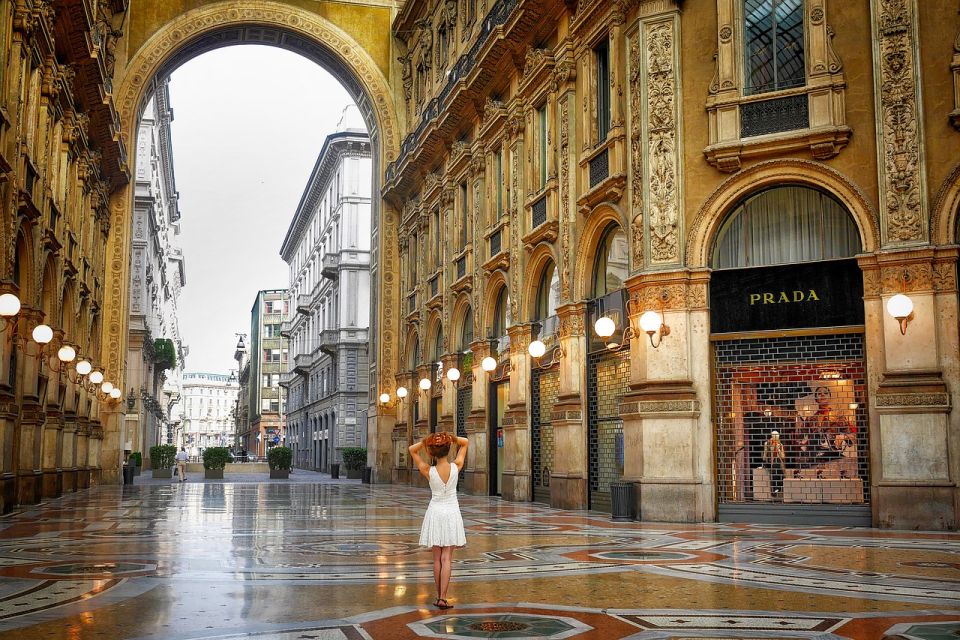
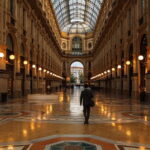
Next up is Galleria Vittorio Emanuele II. This is Milan doing elegance in architecture form. The gallery is famous enough that you don’t need to be a design expert to recognize it, but the guide’s explanations help you understand why it became such an important commercial and social space.
Practical note: you’ll likely move through it as part of the walking route rather than turning it into a long indoor detour. Still, the stop is useful because it gives you variety—Milan isn’t only churches and castles. It’s also commerce, fashion, and public life under glass and stone.
Pinacoteca of Brera area: art adjacent, not art fatigue
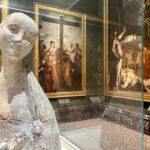
The tour includes the Pinacoteca of Brera area. The details you’ll get from the guide can help you decide what you care about most if you plan to return later for a fuller museum visit. In a four-hour format, it’s often better to get the “why this place matters” explanation than to rush through a museum and feel like you saw nothing deeply.
If you’re an art lover, you’ll likely appreciate having the Pinacoteca connection pointed out. If you’re not, you still get a sense of why Brera is associated with culture and creativity.
Santa Maria delle Grazie: pause for frescoes
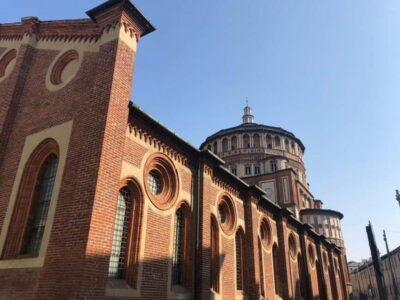
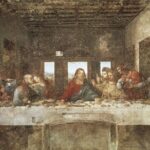
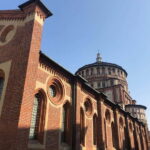
You’ll also visit Santa Maria delle Grazie, highlighted for its stunning frescoes. Even if you’ve seen images before, seeing frescoes in person has a different effect. You’re dealing with texture, scale, and lighting that photos never fully capture.
This stop is also a reminder that Milan isn’t only outward spectacle. It has interior beauty that rewards slowing down. If the tour pace feels fast, this is one moment where it’s worth asking your guide to slow the explanation and focus on what you should look for.
Basilique of San Ambrosio: another layer of sacred Milan
The itinerary includes the Basilica of San Ambrosio. This is a great companion to the Duomo stop because it gives you a second viewpoint on Milan’s religious and architectural identity. Two major churches in a single walk helps you compare scale, style, and historical meaning without turning the day into a museum marathon.
It’s also a smart move because many first-time visitors only fixate on the Duomo. With a guide, you get a more complete picture of Milan’s spiritual architecture.
Piazza del Duomo and Parco Sempione: city core, then air
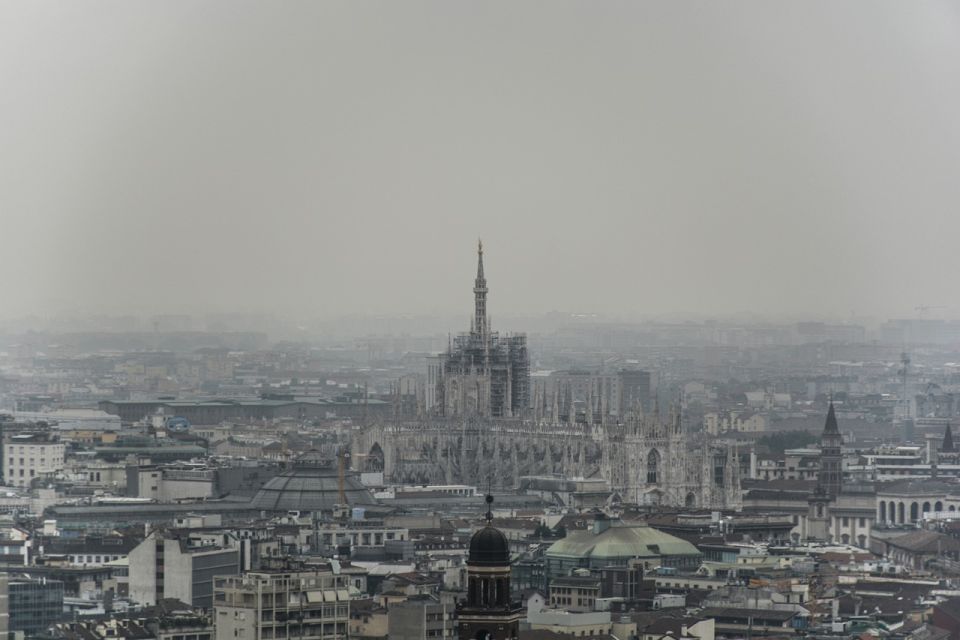
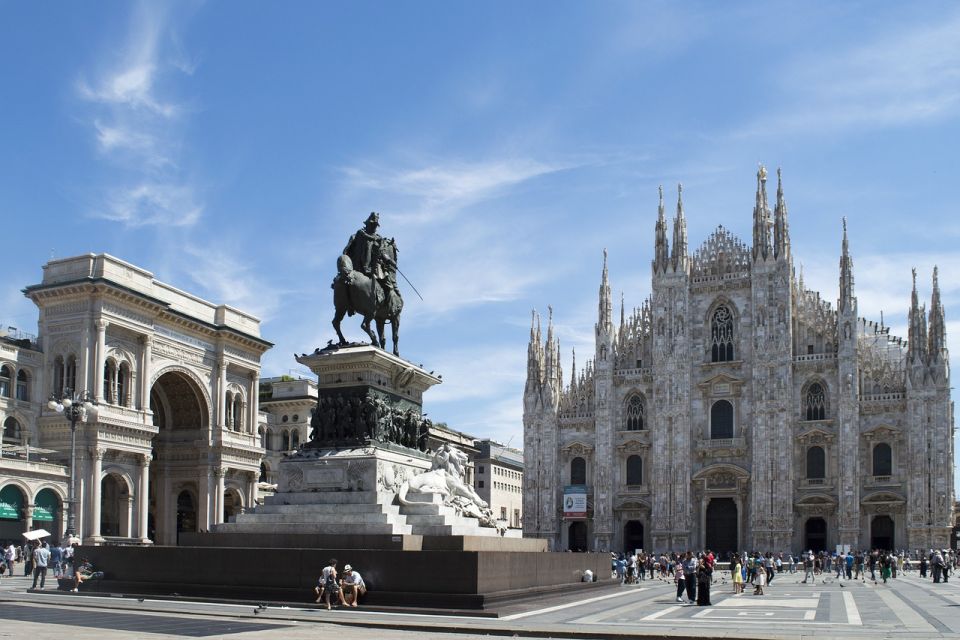
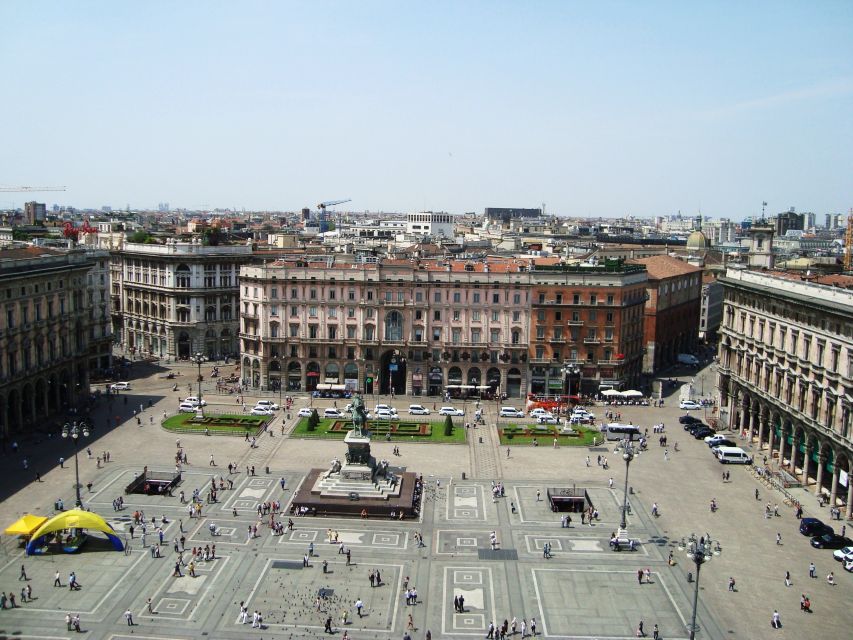
The route includes Piazza del Duomo and Parco Sempione. That pairing works well. Piazza del Duomo anchors you back in the city’s center of gravity—this is where Milan’s monumental identity is on full display.
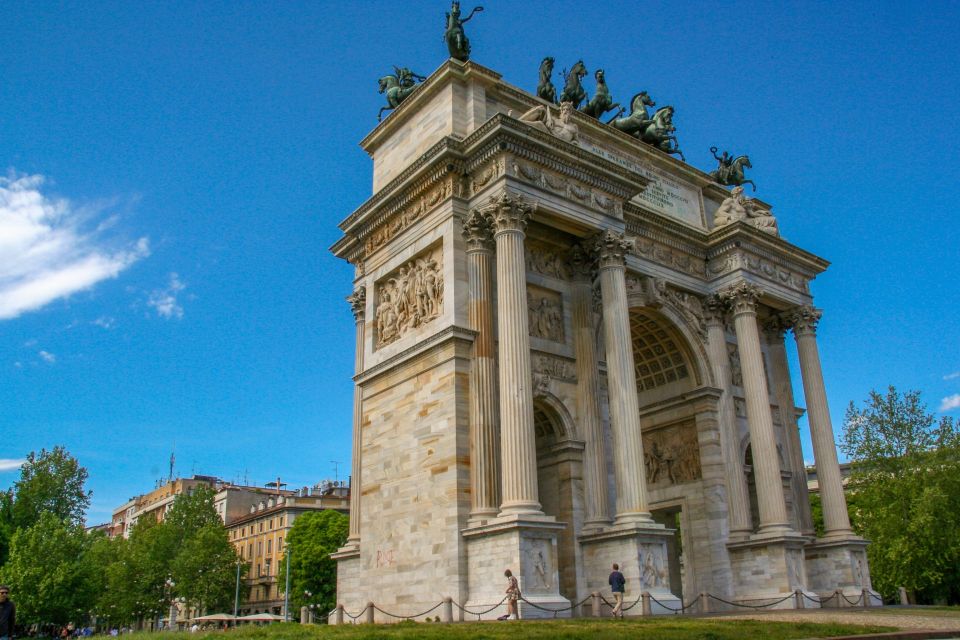
Then Parco Sempione gives you the reset. It’s your chance to step away from constant stonework and just let your eyes rest. I like tours that do this, because it keeps your energy intact for the final stretch instead of leaving you drained and disappointed.
Pace, comfort, and how to avoid information overload
Comfort matters on any walking tour, but especially here. The tour is four hours, and the stops cover a lot of ground. The guidance is straightforward: comfortable walking shoes are recommended.
Also, one review noted the guide’s knowledge was excellent, but it felt like it might be a bit much to absorb in such a short time. That’s a fair concern, and it’s easy to manage. If you want more breathing room, ask fewer questions—but better questions. Or ask for one key detail per stop. You’ll remember more that way.
A simple strategy: at each major landmark, choose one “focus question,” like what makes this place important to Milan or what design detail you shouldn’t miss. You’ll feel the value of a live guide without drowning in facts.
Languages and private-group advantages that actually matter
Guides speak Spanish, English, and Italian. If you’re more comfortable in one of those, you’ll get smoother explanations and a better chance to ask follow-ups. That’s where language choice becomes practical, not academic.
Because it’s a private group, you’re not stuck with fixed pacing. In the reviews, the private format led to a smaller group experience for at least one couple, with extra time for themselves. That’s the real advantage: you’re not negotiating your time inside someone else’s schedule.
Does this tour feel like value, given the price?
Let’s talk value honestly. At $317.20 per person for a four-hour private tour, you’re paying for three things that add up fast:
- Duomo entrance included, plus skip-the-line benefit
- A private official guide for live explanations across multiple landmarks
- Pickup and drop-off if you’re staying centrally
If you tried to do the same day on your own, you’d spend time figuring out entrances and routes, and you’d likely miss the “what to look at first” guidance that turns landmarks into understanding. If you hate lines and want clarity, the guide becomes the savings you don’t see until you try to plan yourself.
Where it may not feel like value is if you’re a solo traveler trying to keep costs low, or if you mostly want casual photo stops without explanations. In that case, a different format might be cheaper. But if you want a guided route that hits major Milan sights without decision fatigue, this one makes sense.
Who this tour fits best
This tour fits best if you:
- Want major Milan landmarks in a focused 4-hour window
- Like learning from a guide and asking questions in real time
- Prefer a private pace over group logistics
- Care about at least one “anchor” interior, especially Duomo entry
It’s less ideal if you want a slow day that feels like wandering for its own sake, or if you’re someone who finds guided explanations tiring. The solution is simple: pace your questions and don’t try to turn every stop into a lecture.
Should you book this Milan private 4-hour walking tour?
If you want the Duomo experience with actual context, plus a tight route through places like Sforzesco, Brera, San Ambrosio, and Parco Sempione, I’d say this is a strong choice. The private official guide format is the main reason to book—Milan’s top sights can feel overwhelming, and this tour helps you make sense of what you’re seeing.
Skip it only if you’re traveling on a strict budget or you’d rather explore on your own without structured stops. If that sounds like you, you’d probably be happier with a flexible self-guided plan. But if you want a smart, guided snapshot of Milan that respects your time, this one is worth considering.
FAQ
What’s included in the Milan private walking tour?
You get a private official tour guide, entrance to Milan’s Duomo, and hotel/apartment pickup and drop-off if your lodging is centrally located. Local taxes are included too.
Is Duomo admission included, and do I need to wait in line?
Yes. Entrance to the Duomo is included, and the tour offers skip-the-ticket-line benefits.
How long is the tour?
The tour lasts 4 hours. Starting times can vary, so it’s best to check availability.
Do you pick up from any hotel in Milan?
Pickup is available if your hotel/apartment is centrally located. If it’s not, the meeting point is at the Duomo of Milan, in front of the 900 museum.
What languages are available for the guide?
The tour guide is available in Spanish, English, and Italian.
Is transportation included?
Private transportation is not included. Hotel/apartment pickup and drop-off are included only if you’re centrally located, based on the tour terms.
Where does the tour end?
The tour ends back at the meeting point (either your pickup location if centrally located, or the Duomo meeting point in front of the 900 museum).