REVIEW · MILAN
Milan: Pasta & Tiramisu Cooking Class with Premium Products
Book on GetYourGuide →Operated by Milan Food Experience · Bookable on GetYourGuide
Your dinner starts with dough and a grin. In Chef Rafael’s cozy Milan loft, you learn fresh pasta and tiramisu step by step, then eat what you made with premium wine. I also love the ingredient focus: you taste top olive oils, balsamic vinegar, and artisan bread before cooking.
One small drawback to think about: this class happens in a private chef’s loft (not a big restaurant kitchen). The space is personal and cozy, so if you prefer a wide, commercial setup, you may feel the difference.
In This Review
- Key things to know
- A Milan pasta class that actually feels like Italy
- Finding the class: meeting by Brambilla Universal Shoes
- First tastings: olive oil and balsamic before you cook
- Fresh pasta workshop: eggs, flour, and the pasta machine
- Two classic sauces: tomato and Parmesan
- Tiramisu: the method behind the dessert
- Family-style meal with included Italian wine
- Price check: why $80 can feel fair in Milan
- Who this class suits best (and who should consider something else)
- Should you book Chef Rafael’s Milan pasta and tiramisu class?
- FAQ
- How long is the Milan pasta and tiramisu cooking class?
- Where is the meeting point?
- Is the cooking class taught in English?
- Is this class in a restaurant or in a home?
- What do you make during the class?
- What food and drinks are included?
- What happens if my plans change?
Key things to know
- Private chef’s loft, not a restaurant school for a more home-style feel
- Small group up to 8 people, so you get real attention while cooking
- Two classic sauces: tomato sauce and Parmesan-based sauce
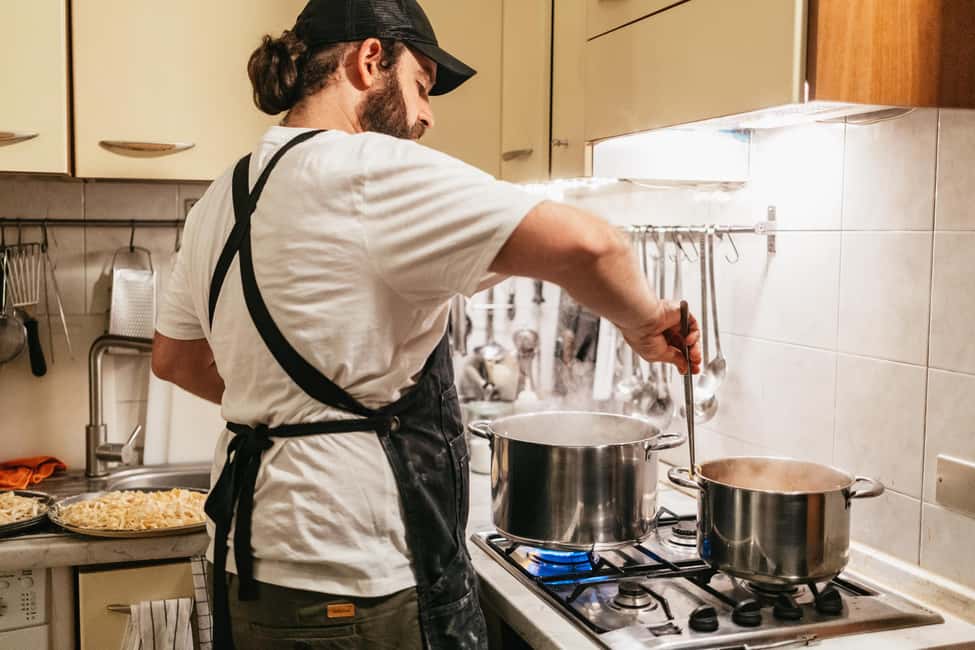
- Fresh pasta from scratch, with kneading and shaping using a pasta machine
- Tiramisu method plus history, not just assembling dessert
- Family-style meal with a bottle of Italian wine (white or red)
A Milan pasta class that actually feels like Italy
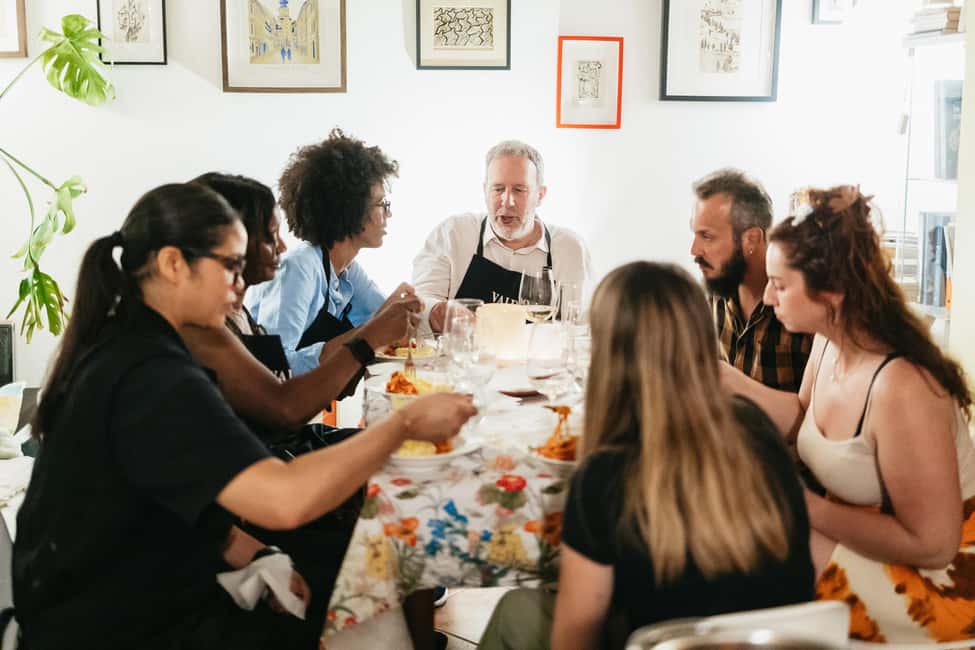
Milan gets tons of cooking classes. Most of them feel like you’re watching a show with a spatula in your hand. This one is different because it’s built around doing the work yourself in a real home loft, guided by Chef Rafael.
The biggest win for you is time and focus. In about 3 hours, you make fresh pasta, cook two sauces, and finish with tiramisu. That’s a lot of food for one afternoon, and the format keeps it practical. No wandering through ingredients “for fun” while nothing really comes together.
I also like the tone of the experience. Chef Rafael teaches with clear explanations, and he keeps the vibe warm and conversational. A big theme is quality: you’ll taste excellent olive oils and balsamic vinegar first, then learn how that quality shows up in sauce and seasoning. When the ingredients are strong, cooking gets simpler.
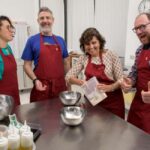
And because the group is limited (up to 8), you’re not stuck waiting for the chef to notice you. You knead, shape, and make decisions. That’s when a cooking class turns into a skill you can repeat at home.
You can also read our reviews of more cooking classes in Milan

Finding the class: meeting by Brambilla Universal Shoes
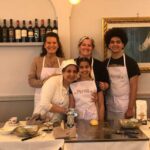
You meet in front of Brambilla Univeral Shoes Store. It’s a straightforward pickup point, and it’s also easy to reach via public transport (tram access is handy here). If you’re coming from central Milan, plan for a short walk from your tram stop.
A small practical tip: arrive a few minutes early. In a home-loft setup, there’s no big lobby system or long hallway to “figure it out later.” You want to settle in before ingredient prep starts.
Also, double-check the contact details you use when you book. The chef uses your info to reach you with final details and to help manage any unexpected situations.
First tastings: olive oil and balsamic before you cook
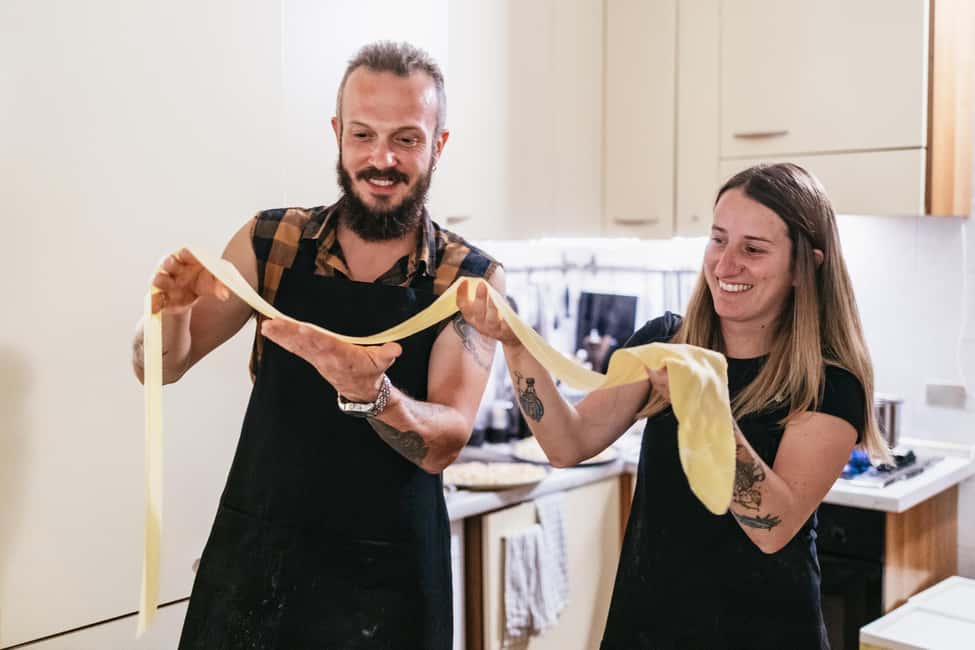
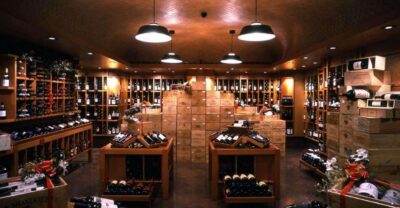
The class starts with a quick “flavor reset.” You begin in a historic Milanese building where you select premium ingredients with Chef Rafael. Then you taste olive oil, balsamic vinegar, and artisan bread.
This part matters more than it sounds. Olive oil and balsamic aren’t just add-ons. They shape the whole profile of Italian food, especially when you use them in simple ways. Tasting first trains your palate, so later when you’re mixing and seasoning sauces, you understand why something tastes balanced versus flat.
You’ll get a feel for the difference that quality makes. Even if you’ve cooked pasta before, this tasting step helps you stop guessing. And it’s a great warm-up if you’re a little nervous about kneading dough or working with eggs and flour.
Fresh pasta workshop: eggs, flour, and the pasta machine
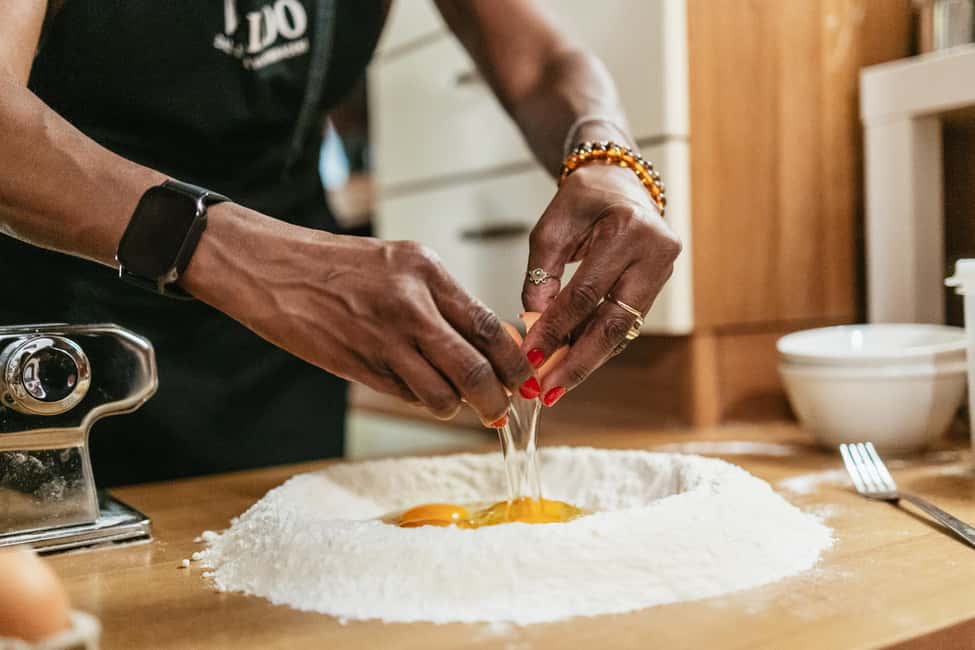
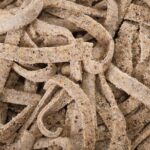
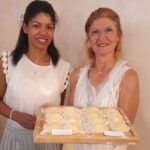
Now for the main event: fresh pasta. You make dough using eggs and flour, then you knead and shape it with guidance from Chef Rafael. You’ll also use a pasta machine, which makes the process feel way more doable than people expect.
Here’s what you should watch for as you cook:
- Dough texture: how it feels when it’s ready to roll
- Consistency: how the dough handles when shaped
- Technique: how to roll and cut without tearing or overworking
You’re learning a method, not just memorizing a recipe. That’s why the experience sticks. Once you understand the feel of the dough, you’ll be able to reproduce pasta later without following a video step-by-step.
The pacing is efficient. You’re not standing around while sauce bubbles in another room. Everything ties together: dough timing, sauce timing, and the workflow of cooking a meal together.
And because the group is small, Chef Rafael can correct issues in real time. If your dough is too dry or too sticky, you don’t need to “hope it works out.” You get direct feedback.
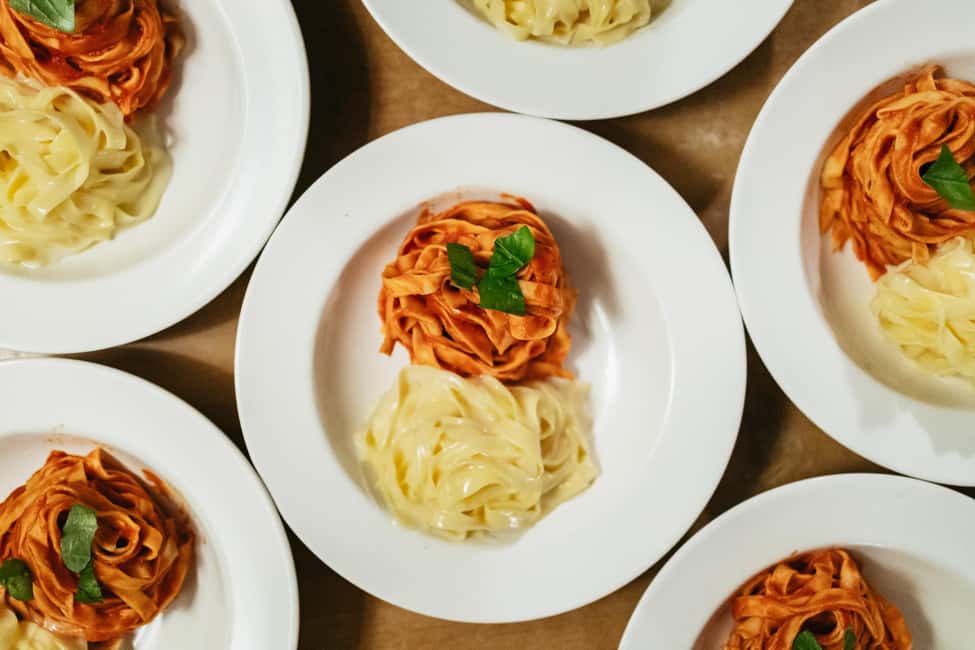
Two classic sauces: tomato and Parmesan
After the pasta is in motion, you make two traditional sauces:
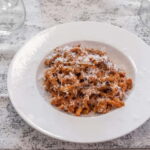
1) a rich tomato sauce
2) a savory Parmesan-based sauce
This is one of my favorite parts of the class because it shows range. Tomato sauce teaches you depth through simmering and seasoning. Parmesan sauce teaches you how a creamy, cheesy base should taste and behave when paired with fresh pasta.
You also learn pairing logic. Fresh pasta holds sauce differently than dried pasta. The texture is delicate and quick to cook, so your sauce needs to be flavorful and properly balanced—not heavy, not watery.
The Parmesan sauce in particular is a good skill-builder. Once you understand how to build that savory profile, you can adapt it later for other pasta shapes, baked dishes, or even quick weeknight meals.
Chef Rafael also connects ingredients to outcomes. That’s the hidden education here: you get taught why you’re doing each step, not just what button to press.
You can also read our reviews of more tours and experiences in Milan


Tiramisu: the method behind the dessert
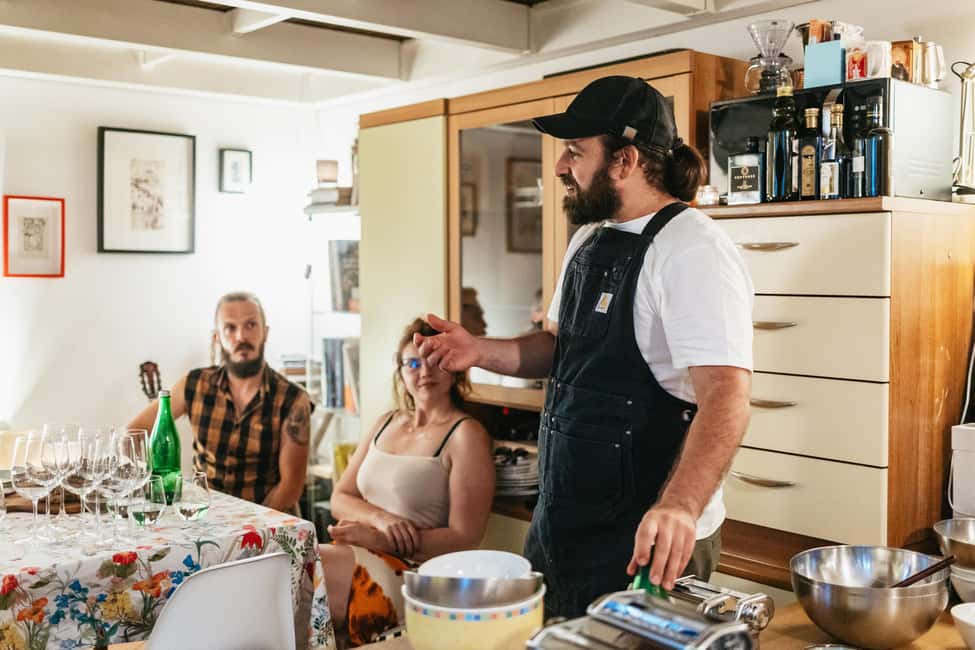
Then you switch gears to dessert: tiramisu. Chef Rafael shares the history and techniques behind this iconic Italian favorite, and you make it to completion during the class.
Tiramisu can go wrong easily if you treat it like a vague dessert assembly. This experience focuses on technique and timing so the final result has the right balance—sweetness, texture, and the signature layers.
While you make it, you’ll learn:
- how the components come together
- how to work through the steps without rushing
- what makes the flavor balance feel right
You don’t just get a finished dessert handed to you. You get the process you can repeat at home. That alone is worth a big chunk of the price if you like baking and want something more than a one-time meal.
Family-style meal with included Italian wine
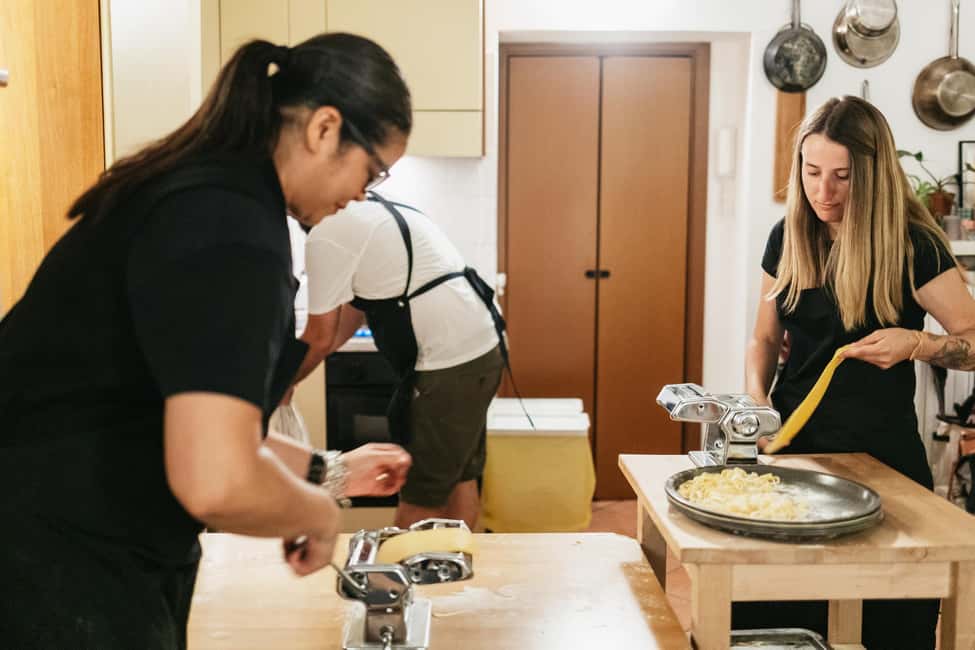
At the end, you sit down family-style and enjoy everything you made: the fresh pasta dishes and tiramisu. You’ll also get a bottle of Italian wine, either white or red, plus water.
This is where the class earns its keep. Cooking is one thing. Eating your own food while it’s still fresh—and tasting how the sauces work with the pasta—is the moment everything clicks.
Wine inclusion is also a practical value add. You’re not paying extra later for drinks, and the wine is part of the meal experience. Since it’s included, you can focus on enjoying rather than budgeting in your head.
If you’re thinking about doing a separate dinner after, consider skipping it. You’ll leave satisfied.
Price check: why $80 can feel fair in Milan
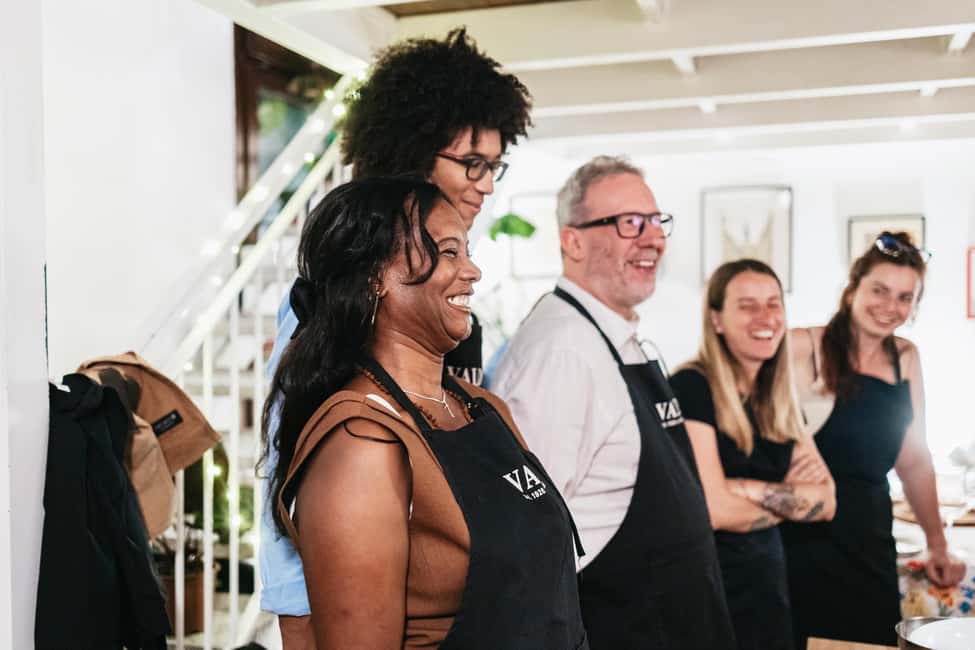
$80 per person sounds like a lot—until you list what you actually get. This class includes:
- Chef instruction
- hands-on cooking for fresh pasta, two sauces, and tiramisu
- tastings of Italian products like olive oil and balsamic vinegar with artisan bread
- a family-style meal
- a bottle of Italian wine (white or red)
- water
So you’re not just buying recipes. You’re buying premium ingredients, a chef in a small group setting, and an end-of-class meal with wine. In a city where even simple paid activities add up fast, this price can feel reasonable—especially because the group is capped at 8 and you’re cooking the whole time.
The value is also in the skill transfer. You leave with techniques you can reuse: fresh pasta dough, sauce-building, and tiramisu method. That turns one afternoon into something you get back later.
Who this class suits best (and who should consider something else)
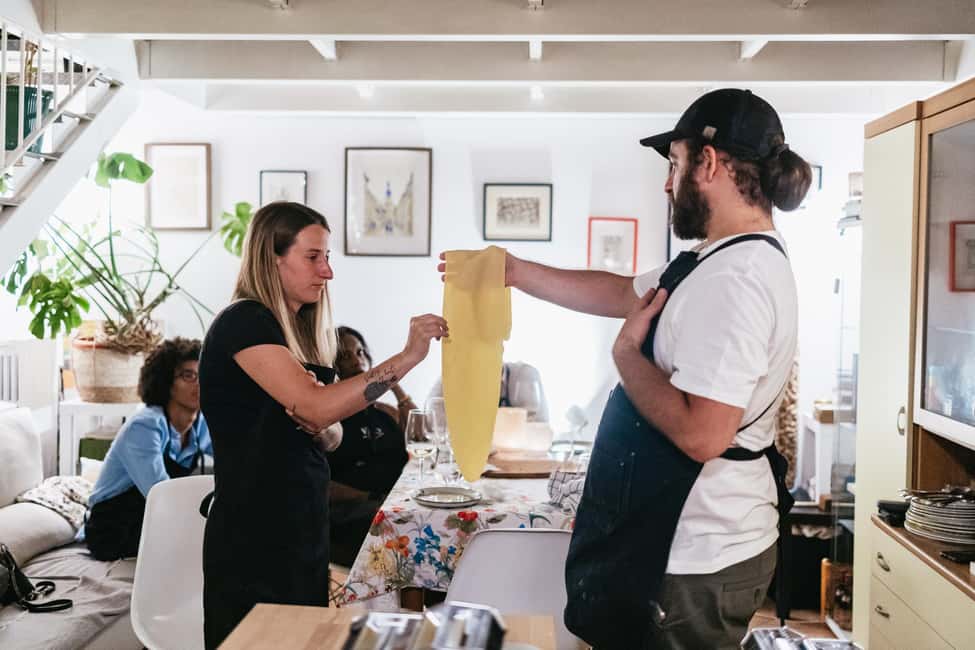
This cooking class is ideal if you want a hands-on Milan food experience with real instruction, not a script-like demo. You’ll likely enjoy it most if you:
- like cooking and want to learn by doing
- care about ingredient quality
- prefer small-group experiences
- want an Italian meal that feels personal and not touristy
It may be less ideal if you:
- hate cramped home settings (the loft is a private home, not a large studio)
- want a purely restaurant-style “show kitchen” format
- are looking for a long, slow cooking day rather than an efficient 3-hour workshop
Should you book Chef Rafael’s Milan pasta and tiramisu class?
If you love Italian food and want an experience that teaches you real technique, I think you should book it. For $80, you get a lot of food and a lot of instruction, plus premium tastings and wine, all in a small group setting.
Book it especially if you’re the kind of person who wants to come home and make pasta again next week. The fresh pasta process, the two classic sauces, and the tiramisu method are the kind of skills that stick.
If you’re only looking for a quick snack tour, or you need a big commercial kitchen, then you might want a different style of class. But if you’re aiming for a genuine Milan evening built around dough, sauce, and dessert, this is one of the better bets in town.
FAQ
How long is the Milan pasta and tiramisu cooking class?
The class runs for 3 hours.
Where is the meeting point?
You meet in front of Brambilla Univeral Shoes Store.
Is the cooking class taught in English?
Yes, the instructor teaches in English.
Is this class in a restaurant or in a home?
It takes place in the chef’s loft in a private home, not in a restaurant or a cooking school.
What do you make during the class?
You make fresh pasta, prepare two classic sauces (a tomato sauce and a Parmesan-based sauce), and make tiramisu.
What food and drinks are included?
You’ll taste Italian products (olive oil and balsamic vinegar with artisan bread) and then enjoy a family-style meal with the dishes you cook. A bottle of Italian wine (white or red) and water are included.
What happens if my plans change?
You can cancel up to 24 hours in advance for a full refund. You can also reserve now and pay later.