REVIEW · MILAN
Milan: Pasta and Tiramisu Class at a Local’s Home
Book on GetYourGuide →Operated by Cesarine · Bookable on GetYourGuide
One of the best ways to taste Milan is through your hands. This class pairs fresh pasta craft with making tiramisu in a real home setting, led by an Italian, English-speaking host who keeps it friendly and practical. My favorite part is the warm, family-style welcome (from hosts like Sandra, Debora, Silvia, and Antonio), and you’ll also leave with recipe guidance and a meal you made yourself. The only drawback to plan for is that the address is shared after booking, so you’ll need to be ready for the exact meeting spot to be communicated by email.
You start with an Italian aperitivo, then get into dough and technique: rolling sfoglia by hand and making two pasta dishes from scratch. You finish by eating what you cooked, usually with local wines and coffee.
At $146.14 per person for about three hours, it’s not a cheap night out, but it’s a lot of food, instruction, and real “how Italians do it” time in someone’s kitchen.
In This Review
- Key Highlights Worth Clearing Time For
- Milan From a Kitchen Table, Not a Classroom Chair
- The 3-Hour Flow: Aperitivo, Sfoglia, Two Pastas, and Tiramisu
- Rolling Sfoglia by Hand: The Skill That Actually Transfers
- Two Pastas, Not Just One Meal Trick
- Tiramisu: More Than Coffee and Cream
- Eating What You Cook: Lunch or Dinner With Wine
- Why the Home Setting Feels Different (and Often Better)
- Price in Milan: Is $146.14 Worth It?
- Who This Class Fits Best
- Should You Book This Milan Pasta and Tiramisu Class?
- FAQ
- Where is the class held?
- How long is the cooking class?
- What time does it start in Milan?
- Who teaches, and what languages are used?
- What dishes will I make and taste?
- What drinks are included?
- Can the class accommodate dietary requirements?
Key Highlights Worth Clearing Time For
- Aperitivo first, always: You begin with Italian drinks, plus Prosecco and nibbles.
- Hand-rolled sfoglia technique: You learn how the dough should feel before it ever hits a machine.
- Two fresh pasta recipes from scratch: You’ll make more than one shape and flavor it along the way.
- Iconic tiramisu, done properly: You learn the full build for the classic dessert.
- Meals with wine pairing: You taste your work as a lunch or dinner moment.
- Hosts who treat you like friends: The best sessions feel like cooking with people, not a show.
Milan From a Kitchen Table, Not a Classroom Chair
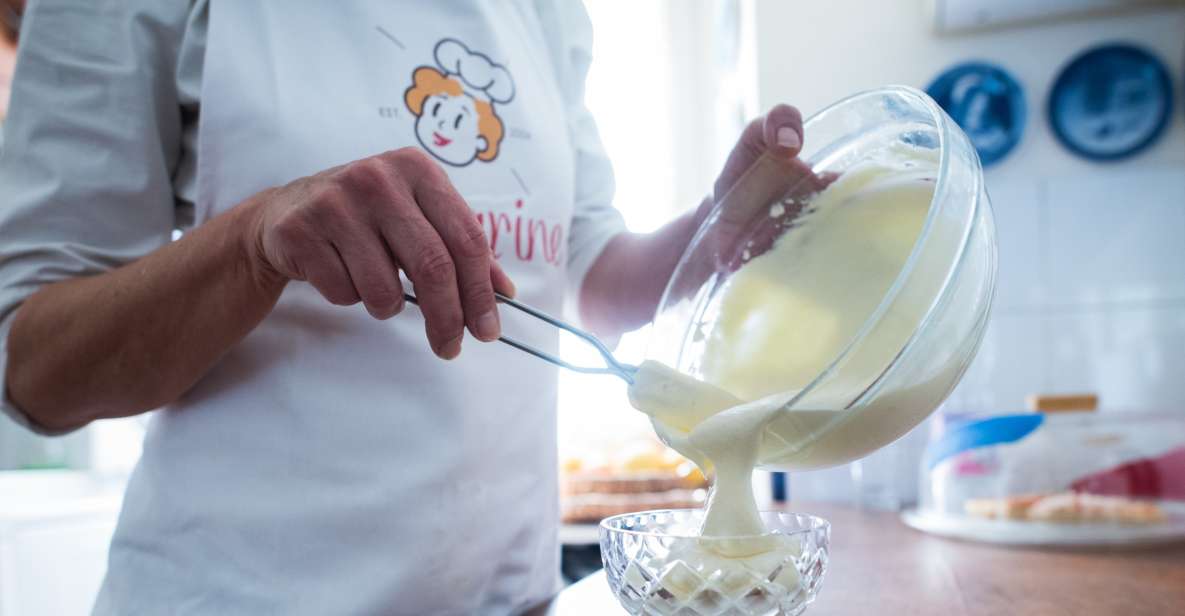
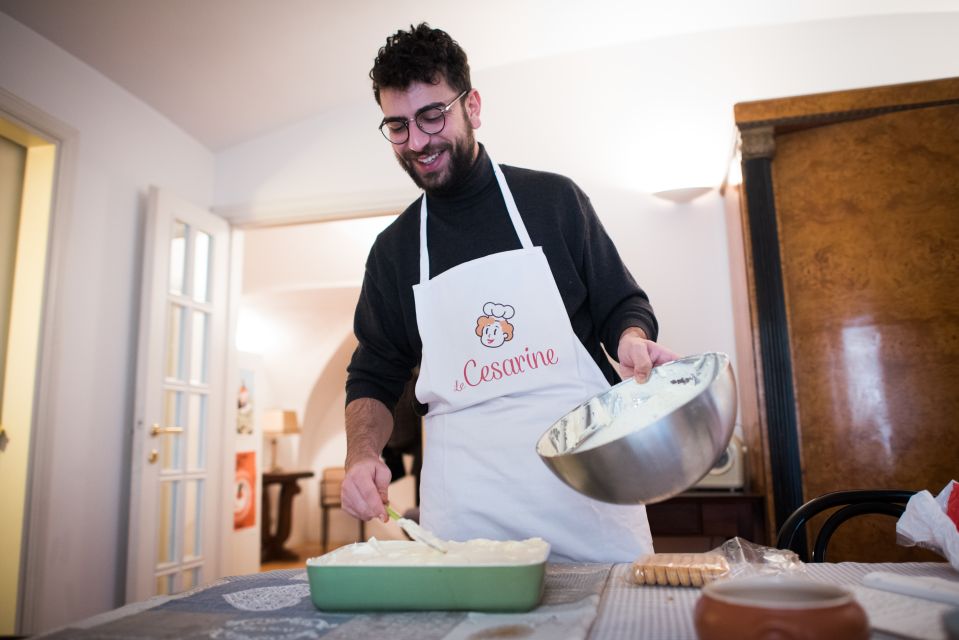
If you want Milan food that feels personal, this is a smart move. You’re not just watching recipes. You’re making dough, building pasta, and assembling tiramisu in a home kitchen with a certified host cook.
What you’re really buying here is access. A local family home gives you something big-city tours usually can’t: the small habits that make Italian food taste right. Think texture, timing, and how people talk through the steps as they cook.
Also, the tone matters. From the hosts I’ve seen celebrated in classes (Sandra, Merina, Enrico and Christina, Sissi, Santa, Beatrice, and Nicoletta), there’s a consistent pattern: they set you up to succeed, and they keep it relaxed enough to enjoy yourself while learning.
One practical note: because the meeting point is your host’s home and the address is only shared after booking, you’ll want to confirm your email right after you book. This avoids that last-minute Milan panic.
You can also read our reviews of more cooking classes in Milan


The 3-Hour Flow: Aperitivo, Sfoglia, Two Pastas, and Tiramisu
This is a tight, satisfying timeline. You’ll typically spend about three hours from start to finish, ending back where you met your host.
The class usually begins around 10 am or 5 pm, but times are flexible depending on the host. If you’re planning your days in Milan, choose the start time that fits your energy level. Morning classes feel focused and crisp. Evening classes turn into a relaxed dinner-style meal.
Here’s the typical arc of the session:
You start with an Italian aperitivo. That often means Prosecco and nibbles, and it’s a great warm-up for the evening. Then you roll up your sleeves.
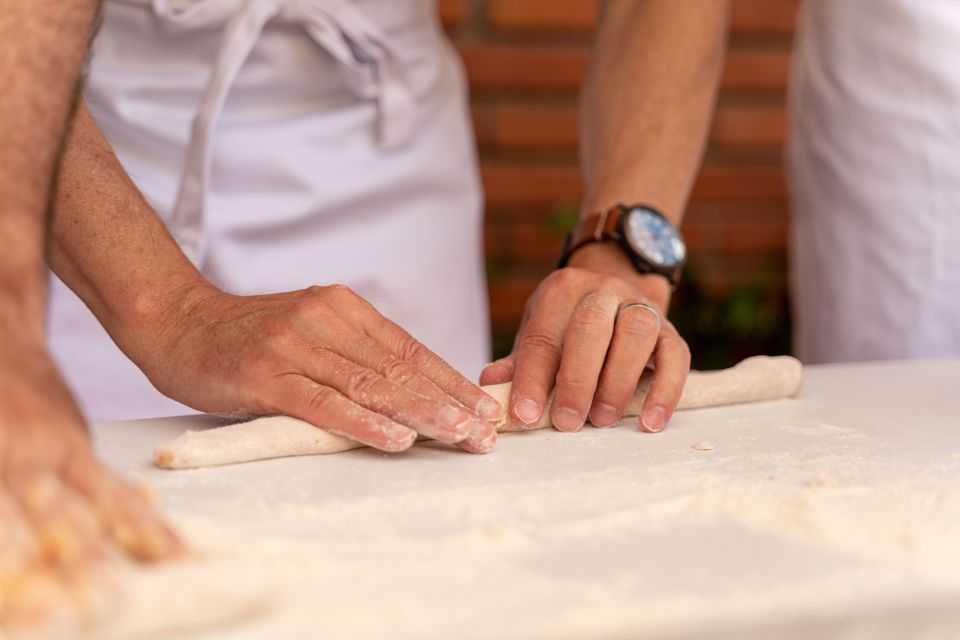
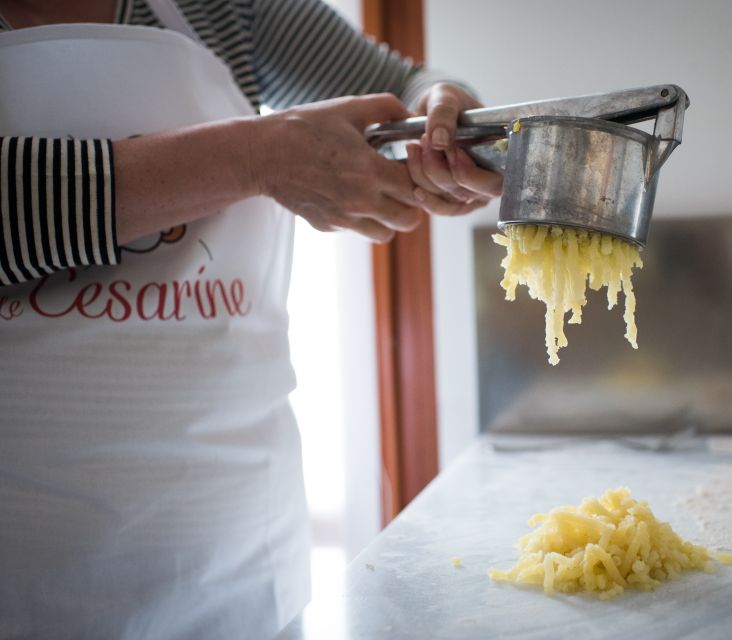
Next comes sfoglia (fresh pasta sheets), made by hand. This is where you learn the feel of the dough: how it stretches, how it behaves when rolled thin, and what “right” looks and feels like.
Then you make two different pasta dishes from scratch. The exact shapes and sauces can vary with your host and the class day, but you can expect practical instruction from start to finish, including tips that help your pasta cook properly and taste balanced with its sauce.
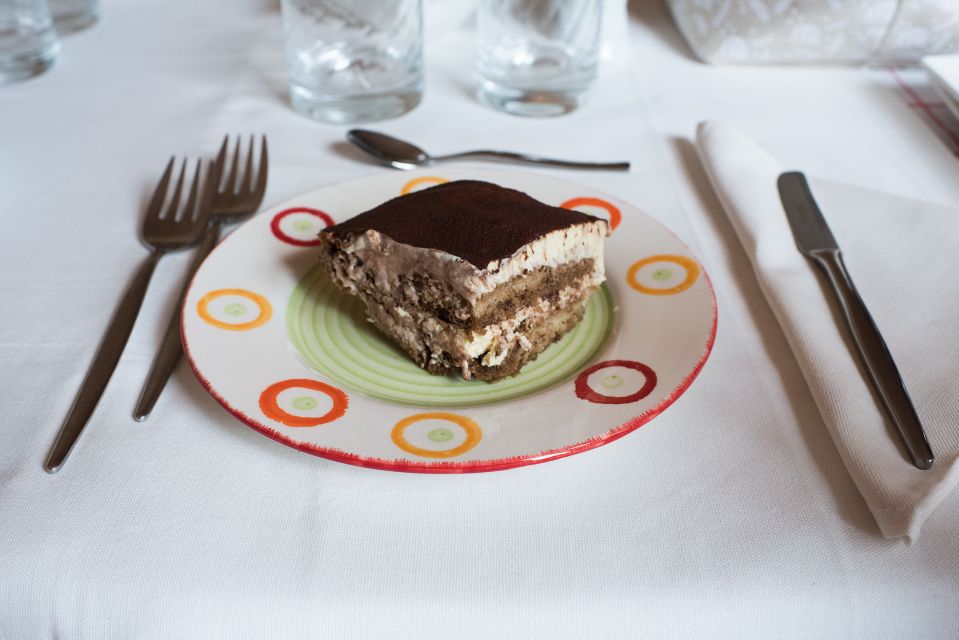
Finally, you make tiramisu. You learn the assembly process for the classic layers, and then you get to enjoy it as part of your meal.
Rolling Sfoglia by Hand: The Skill That Actually Transfers
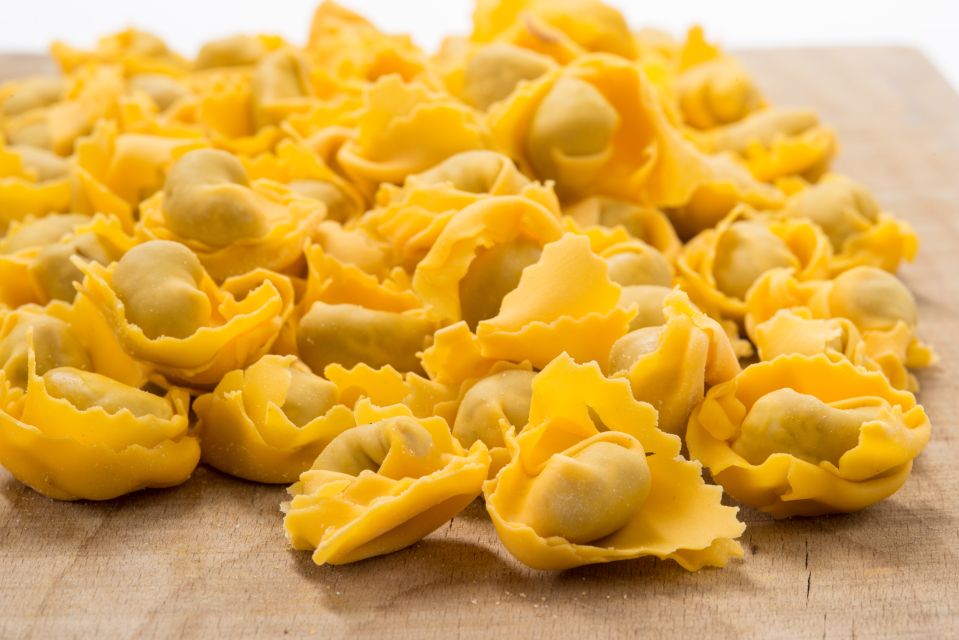
If you only remember one thing from this kind of class, let it be sfoglia technique. Hand-rolling is more than a gimmick. It teaches you how dough responds to pressure, thickness, and patience.
In real kitchens, pasta isn’t just a recipe. It’s a physical task. You’ll learn what the dough looks like when it’s ready, how to work it without tearing, and how to keep sheets even. That matters because even thickness affects cooking time and texture.
Why this is valuable for you: if you’ve ever tried fresh pasta at home and it turned either chewy or fragile, technique is usually the missing link. Hand-rolling helps you stop guessing.
Also, don’t underestimate how confidence builds. Once you can get the sheets rolled, the next steps feel easier. Pasta-making stops being intimidating and starts feeling like a craft you can repeat.
Two Pastas, Not Just One Meal Trick
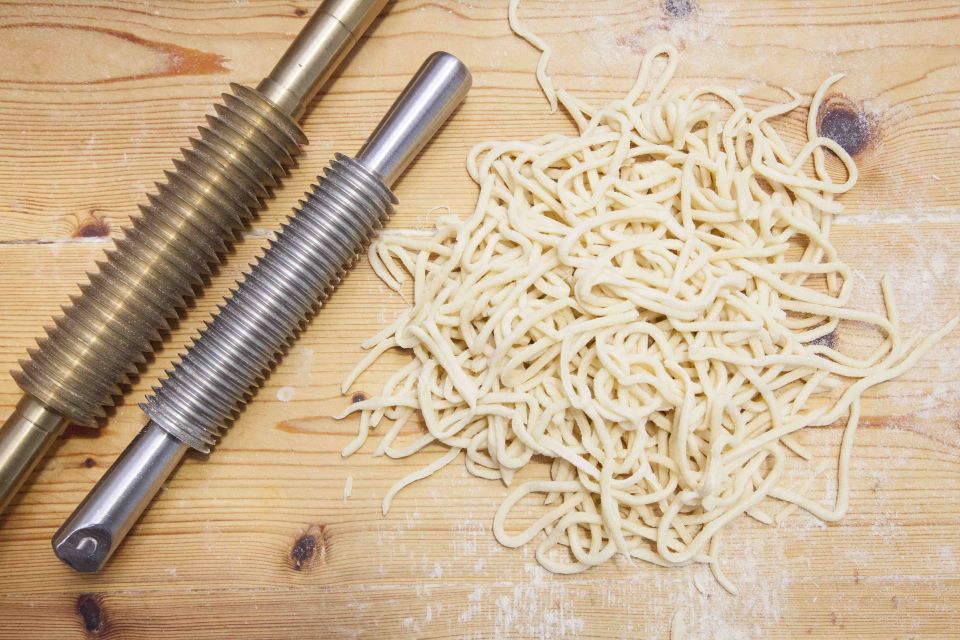
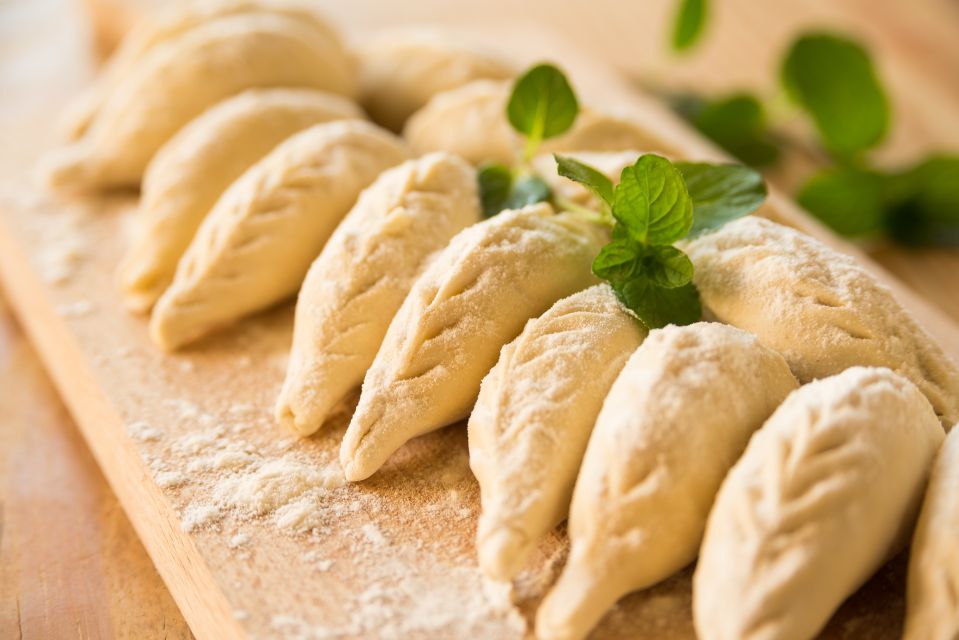
The class is built around learning two different pasta recipes from scratch. That’s a big deal for value, because you get more than one way to use fresh dough.
The “from scratch” part matters. You’re not just assembling what’s pre-made. You’re learning the process—how the dough works, how to shape it, and how sauce and seasoning fit into the final bite.
In some sessions, hosts structure the lesson so you’re active but also set up for success. You might find that parts of sauces, fillings, or components are prepared in advance, so you spend your energy on what really takes practice: dough, assembly, and getting things to the right stage.
Here’s what you can generally expect to walk away with:
- How to portion and handle dough without overworking it
- Practical shaping guidance (so your pasta keeps its form)
- Pairing ideas, so pasta doesn’t taste bland even if you’re new to making it
If you’re the type who learns best by doing, this format works. You’ll be cooking while someone is watching closely and correcting your technique in real time.
Tiramisu: More Than Coffee and Cream
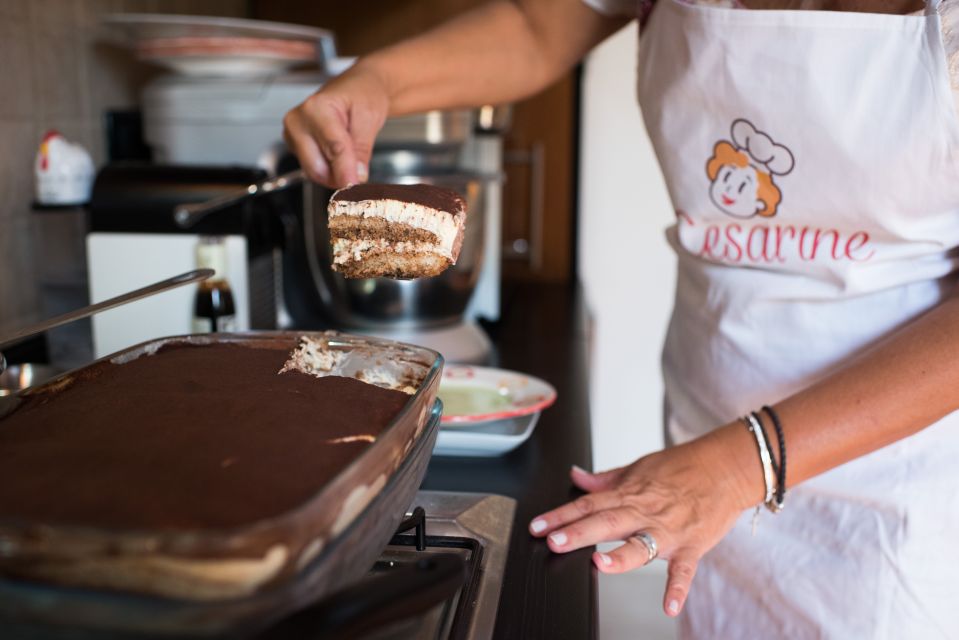
Tiramisu is one of those desserts that looks simple and tastes complicated. That’s exactly why making it with a host is worth your time.
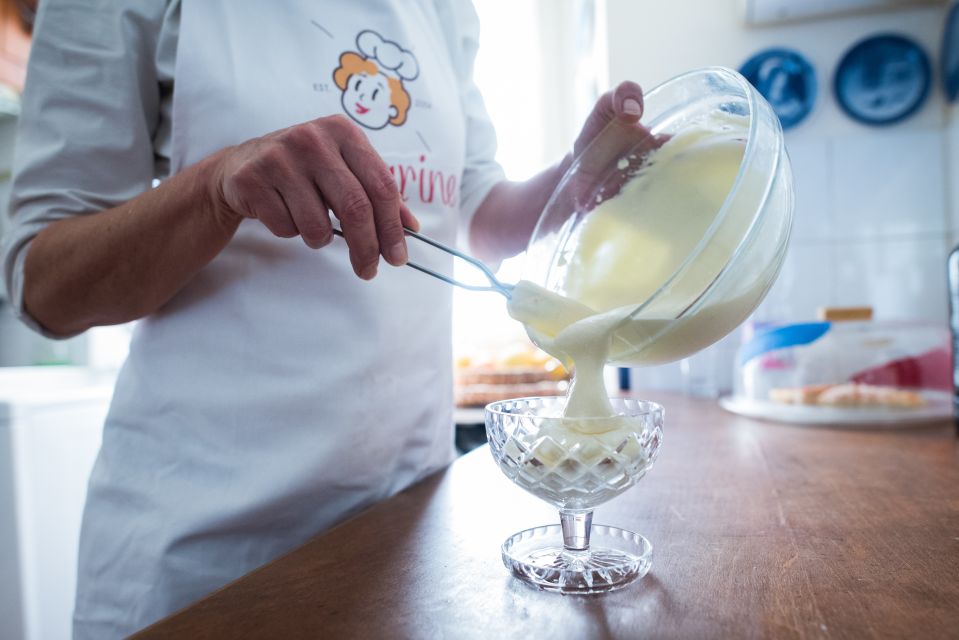
You learn the iconic tiramisu process in the same home-kitchen setting as the pasta. The goal isn’t to impress a camera. It’s to understand how the layers work together: how the creamy component sets, how the flavor is balanced, and how the dessert should be assembled for the right texture.
Why it’s a good match for a Milan class: tiramisu is often treated like a generic souvenir sweet, but when someone shows you the proper build, you get the difference. The dessert becomes a set of technique steps you can actually repeat.
And then you get the payoff. You taste what you made as part of your meal. That’s the best feedback loop: you learn by eating the result, not just taking a worksheet home.
You can also read our reviews of more tours and experiences in Milan



Eating What You Cook: Lunch or Dinner With Wine
At the end, you savor the fruits of your labor. You’re tasting two pasta recipes and tiramisu, typically as lunch or dinner depending on the class time.
Beverages are included: water, wines, and coffee. You’ll also have Prosecco and nibbles at the start. This matters because it turns the session into a real meal, not a workshop snack-and-run.
Local wines also help your learning stick. As you taste the food you made, you start to connect how acidity, richness, and seasoning work together. It’s harder to forget pasta technique when it comes with a glass of wine and a full plate.
And yes, the social part is real. Many hosts keep conversation going while you cook. People often leave talking about the laughs as much as the food, which is exactly what you want from a food experience in Milan.
Why the Home Setting Feels Different (and Often Better)
A cooking class in a restaurant kitchen can be fun. A class in a real home is different.
The home setting changes the pace. Kitchens aren’t staged. They’re lived-in. That makes it easier to ask questions and easier to relax. You also get a sense of how Italian families actually cook: with shared steps, practical timing, and no dramatic flour explosions.
From what I’ve seen highlighted through different hosts (Sandra’s warm welcome, Merina’s comfortable home setup, Debora’s lively teaching, Sissi’s patience with kids, and Nicoletta’s readiness with preprinted recipes), the consistency is the hospitality. You’re guided and supported, even if you don’t cook much at home.
For families, this is a strong option. A number of hosts have been praised for being friendly and patient with younger cooks. If you’re traveling with a mix of ages, this kind of class is often easier than a long walking tour.
Price in Milan: Is $146.14 Worth It?
Let’s talk value honestly.
At $146.14 per person for roughly three hours, you’re paying for more than ingredients. You’re paying for:
- a private, home-based cooking experience
- hands-on instruction while you roll dough and shape pasta
- a full meal with wine and included beverages
- tiramisu instruction and tasting
- a host who can tailor pacing and dietary needs when requested
Is it the cheapest thing to do in Milan? No. But it’s not trying to be. This is closer to paying for a high-quality “local night” where you eat what you make and you learn skills you can use later.
If you compare it to a good meal plus a cooking workshop plus a language-friendly host, the price starts to make sense. Especially because you’re not just consuming the experience. You’re taking home the method.
Who This Class Fits Best
This experience is ideal if you:
- want a hands-on Milan food activity
- like learning technique, not just collecting tastings
- want a memorable evening that ends with your own dinner on the table
- prefer a smaller, personal setting over crowded attractions
It might be less ideal if you:
- need a very rigid schedule and hate flexible timing (the class starts around 10 am or 5 pm, and exact start can vary)
- dislike the idea of going to a private home where you only get the address after booking
Should You Book This Milan Pasta and Tiramisu Class?
Yes, I think you should book it if you’re even moderately serious about Italian food and want more than a photo. The best reason is the combination: fresh pasta technique + tiramisu build + a real meal with wine, all taught in a local home with an English-speaking instructor.
Book it with confidence if:
- you enjoy cooking and want skills you can repeat at home
- you’d rather connect with people than just pass through sights
- you want a top Milan food moment that feels warm, not scripted
If you’re just looking for a quick taste and don’t care about technique, you might find this too hands-on. But if you want to say you learned something real in Milan, this is one of the best ways to do it.
FAQ
Where is the class held?
The class starts at your host’s home. For privacy, the exact meeting point and address are confirmed by email after your booking.
How long is the cooking class?
The duration is 3 hours.
What time does it start in Milan?
The class typically begins at 10 am or 5 pm, but the exact start time is flexible.
Who teaches, and what languages are used?
The instructor is Italian and English.
What dishes will I make and taste?
You’ll learn to roll fresh pasta (sfoglia) by hand, make 2 different pasta dishes from scratch, and prepare tiramisu. At the end, you’ll taste the 2 pasta recipes and the tiramisu.
What drinks are included?
The class includes water, wines, and coffee, plus Prosecco and nibbles.
Can the class accommodate dietary requirements?
Yes. Dietary requirements can be catered to upon request.