REVIEW · MILAN
Milan: Leonardo da Vinci Galleries Ticket & Guided Tour
Book on GetYourGuide →Operated by Science & Technology Museum Da Vinci · Bookable on GetYourGuide
Da Vinci in 170 historical models. This ticket takes you through the Leonardo da Vinci Galleries, Milan’s standout museum experience for people who like smart design, not just pretty art.
Two things I really like: the galleries are built as a clear story of Da Vinci’s thinking—from Tuscan training to Sforza-era Milan—and the set-up uses real historical models, antique volumes, and installations to make the ideas feel practical, not dusty. One caution: this tour is not recommended for kids under 9, so plan accordingly if you’re traveling with younger children.
In This Review
- Key things to know before you go
- Leonardo Galleries: why this museum ticket feels like a guided story
- Price and value: what you get for around $28
- Where to start: Via San Vittore 21 and the ticket exchange
- The 1–1.5 hour guided tour: how the flow works
- From 15th-century Florence to Sforza Milan
- Art of war, work and production, and why it isn’t just military
- Flight and waterways: where Da Vinci’s ideas feel most modern
- Architecture and the built world: sketches become structure
- The last-period drawings installation: the emotional gear shift
- Meeting the guide: what makes the storytelling work
- After the guided tour: use your free access wisely
- Rules that matter once you’re inside
- Who should book this Leonardo Galleries guided tour
- Who might consider a different plan
- Should you book this tour?
- FAQ
- Where is the museum entrance?
- How do I get my ticket if I have a voucher?
- What does the ticket include?
- How long is the guided tour?
- What languages are the guided tours offered in?
- Is the tour suitable for children?
- Are pets allowed inside?
Key things to know before you go
- World’s largest permanent Da Vinci exhibition in a dedicated museum setting
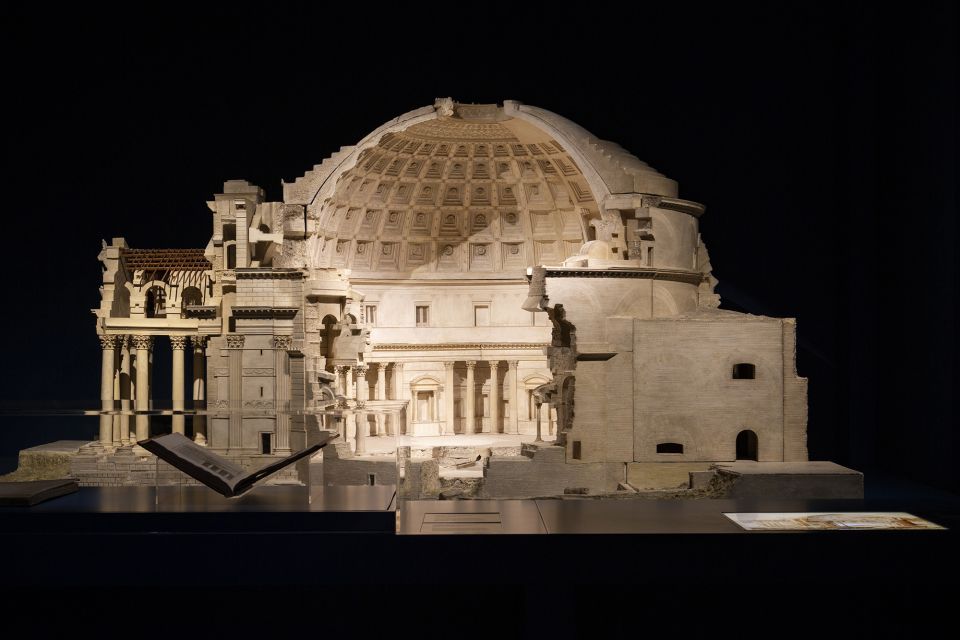
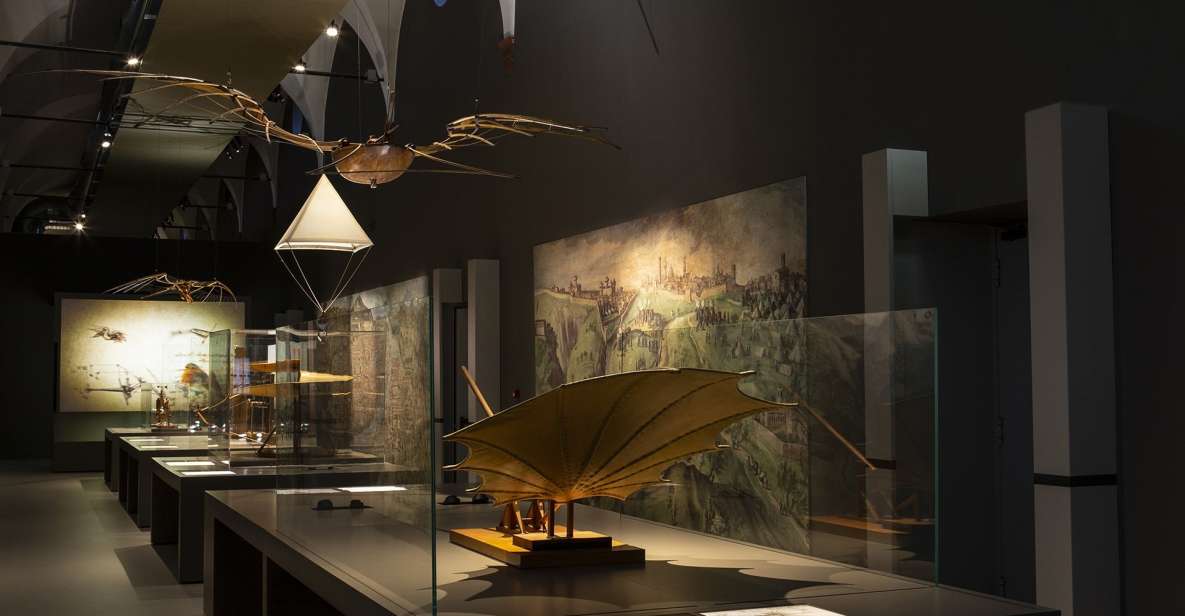
- 170 historical models plus antique books and themed installations that guide your attention
- Tour plus free museum access, so you can continue at your own pace after the guided portion
- Italian and English guides for a more comfortable explanation of complex topics
- No flash photography and no tripods, so bring your patience for a phone-friendly photo plan
- Small group option, which usually means you can ask more questions and move at a human pace
Leonardo Galleries: why this museum ticket feels like a guided story
This isn’t a random hall of Da Vinci stuff. The Leonardo da Vinci Galleries are presented like a timeline of how he learned, what he built, and what he tried to understand—engineering and human curiosity in the same frame.
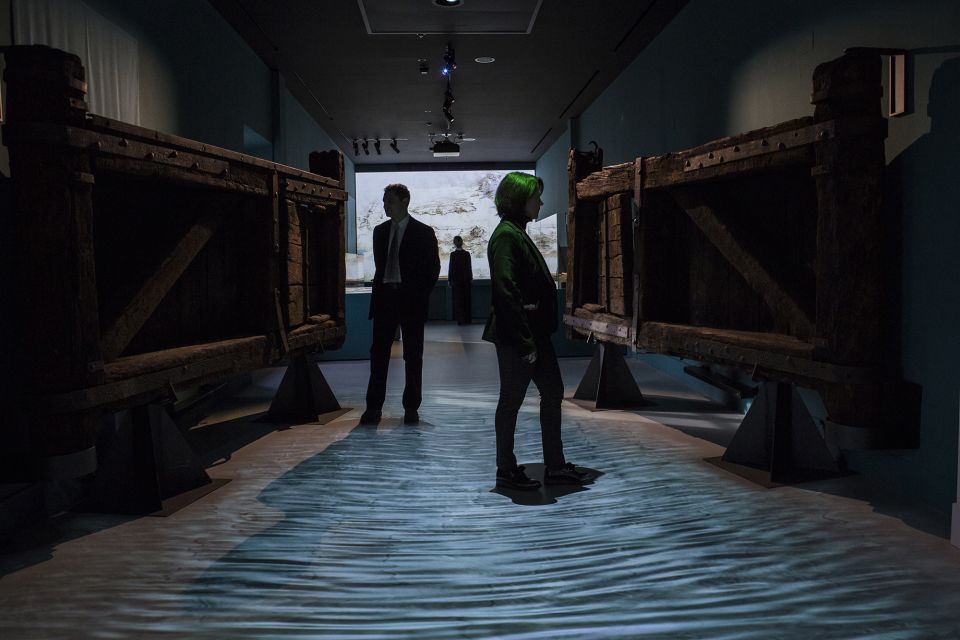
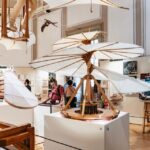
What helps is the scale and organization. You’re walking through more than 1,300 square meters of exhibition space, tied together by themed sections that move across flight, waterways, architecture, and even the mechanics of war and production. You’ll leave with a better sense of how someone could be both an artist and an inventor without it feeling like a costume.
You can also read our reviews of more tours and experiences in Milan
Price and value: what you get for around $28
At about $28 per person, the big value is that you’re not only buying a ticket. You’re getting a guided tour of the Leonardo galleries, and the entrance ticket also grants free access to the entire National Museum of Science and Technology Leonardo da Vinci.
Even if you’re the type who usually skips guided tours, this one makes sense because the content is technical. Da Vinci’s sketches, models, and concepts can feel abstract unless someone organizes them for you. A guide helps you connect the dots fast—especially across themes like flight and hydraulics, which are easy to misunderstand when you’re reading labels alone.
Where to start: Via San Vittore 21 and the ticket exchange
The museum entrance is at Via San Vittore 21. Plan to exchange your voucher at the Ticket Office to get the entrance ticket—this matters because the guided tour depends on you having the right ticket in hand before you enter.
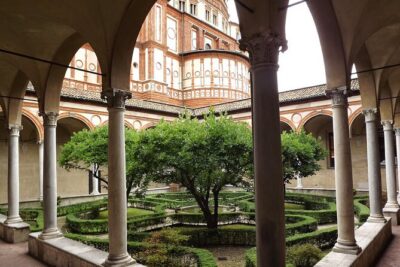
The guided portion meets in the first cloister (use the museum map once you’re inside). I suggest arriving a few minutes early so you can get oriented without rushing your first steps.
The 1–1.5 hour guided tour: how the flow works
The guided tour runs about 1 to 1.5 hours, and it’s set up as a guided walk through the main narrative of Da Vinci’s life and influence. You’re not just collecting facts. You’re following a structured arc that explains why certain subjects appear when they do.
The tour’s language options are Italian and English, and the experience is designed for a small group. That small-group format is a quiet advantage: you can ask questions and get clarification without waiting in a huge line of voices.
From 15th-century Florence to Sforza Milan
One of my favorite ways to understand Da Vinci is to see him as a product of training and environment, not a lone genius floating above history. This exhibition sets that up clearly.
You start with the idea of Florence of the fifteenth century and the training that fed his skills. Then the story tracks his move into Milan during the Sforza period, where his interests connect to engineering needs, production, military thinking, waterways, and architecture. The effect is that Da Vinci stops feeling like a museum icon and starts feeling like a working mind with a changing job site.
You can also read our reviews of more guided tours in Milan



Art of war, work and production, and why it isn’t just military
Yes, there’s an art-of-war section. But the point isn’t battle pageantry—it’s mechanics and problem-solving. Models and displays show how engineering logic applied to production and military needs, which makes the exhibition feel less like mythology and more like applied science.
This is also where you’ll likely notice a pattern: Da Vinci keeps returning to systems. Whether the topic is war, tools, or logistics, the exhibition emphasizes how designs connect inputs to outcomes.
Flight and waterways: where Da Vinci’s ideas feel most modern
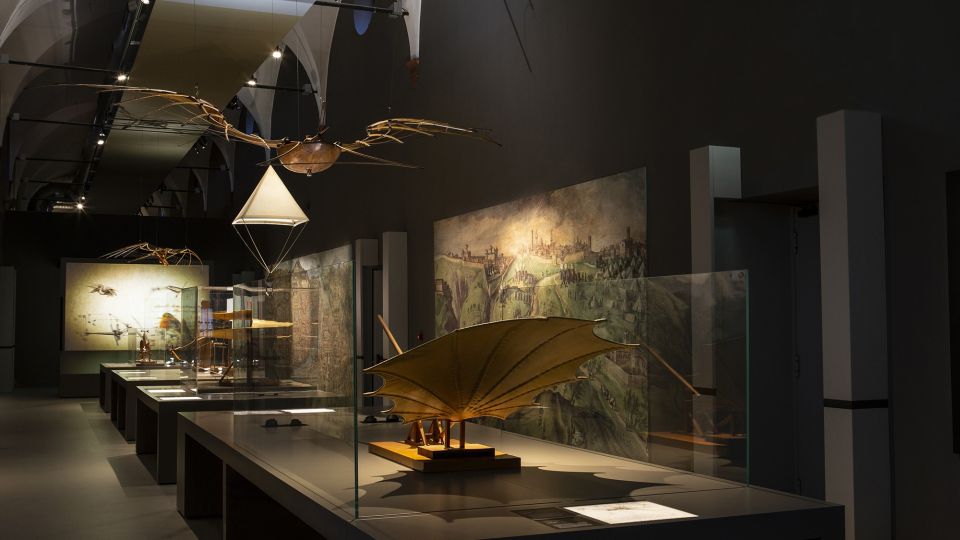
The flight and waterways themes are often the heart of a Da Vinci visit because they’re easy to picture in real life. When the guide connects the dots, you can see the thinking behind the look—how he approached movement, forces, and practical constraints.
Even if you’re not a physics person, the exhibition framing helps. You get the sense of trying, revising, and testing concepts, not just collecting dramatic inventions. That mindset is what makes his work feel relevant today.
Architecture and the built world: sketches become structure
Da Vinci didn’t only chase gadgets. He also cared about the built environment, and the galleries show that through architecture-focused sections.
This part of the tour helps you understand Da Vinci as an all-around designer. You start seeing his curiosity as a way to interpret space, movement, and function—how humans use environments, and how structures shape what’s possible.
The last-period drawings installation: the emotional gear shift
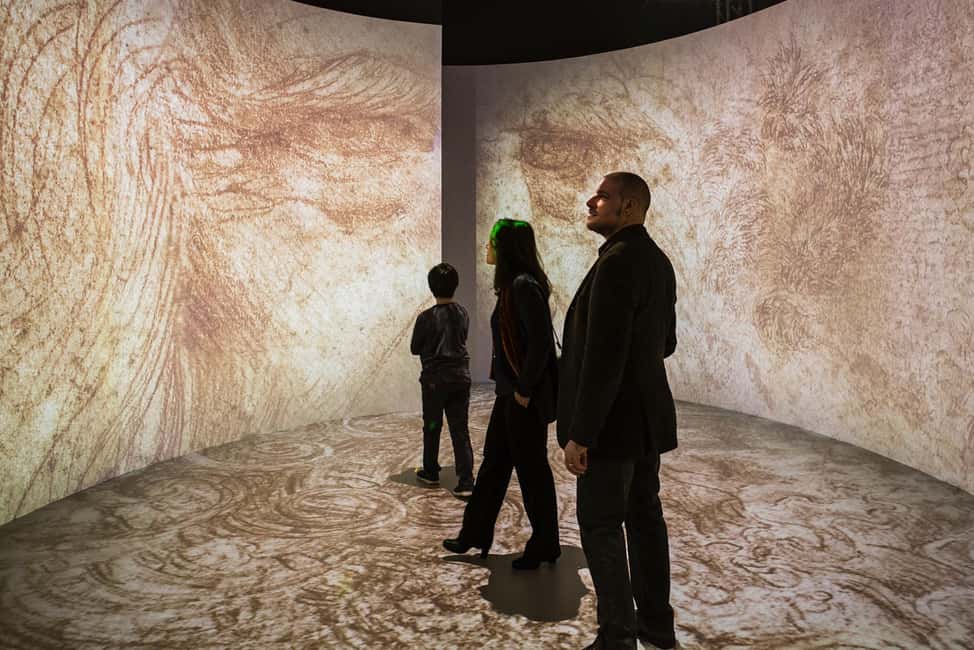
The tour ends with a perspective on Da Vinci’s influence on Lombard Renaissance painting, followed by an installation focused on drawings from the last period of his activity. This is the shift from models-as-future to drawings-as-thinking.
It’s also a nice change of pace. After hours of concepts that feel like engineering, the drawings remind you that the work started as questions and iterations. If you like process, not just results, you’ll probably linger here (even within the guided timing).
Meeting the guide: what makes the storytelling work
The tour guide is your translator between Da Vinci’s ideas and your understanding. In real tours, guides like Annalisa are praised for strong English and very clear explanations of Da Vinci’s life. Another guide name you might hear is Jacobo, with attention drawn to detailed storytelling about museum objects.
What you can count on is more than reading labels. The guide ties together the theme sections so you don’t feel lost in a big museum floor plan.
After the guided tour: use your free access wisely
Your ticket includes free entry to the whole National Museum of Science and Technology Leonardo da Vinci. The museum’s additional exhibits are a good follow-up because you can switch from Da Vinci’s personal ideas to broader science and engineering themes.
This is also the smart time to slow down. The guided tour gives you structure; the extra museum time lets you pick what you actually want to revisit, whether that’s interactive installations or objects you want to stare at longer than the group pace allows.
If you’re traveling with kids (age 9+), you’ll likely enjoy that the museum has interactive moments. One guide experience highlighted how interactive exhibits worked well for kids and parents in the same visit.
Rules that matter once you’re inside
Keep these in mind so you don’t get slowed down at the door:
- No flash photography
- No tripods
- Pets are not allowed (assistance dogs are allowed)
If photography matters to you, plan to shoot without flash and keep your camera gear simple. That way you won’t be wrestling with equipment rules while you should be focusing on the exhibits.
Who should book this Leonardo Galleries guided tour
This is a strong fit if you like:
- Hands-on ideas, models, and explanations that connect art to engineering
- Museums where the design of the exhibit helps you follow a storyline
- A guided format that turns technical themes into clear takeaways
It’s also a good choice if you’re short on time in Milan but want a focused Da Vinci experience. The 1–1.5 hour tour gets you the main narrative arc, and the free museum entry lets you expand without paying for another ticket.
Who might consider a different plan
If you’re traveling with children under 9, this tour isn’t recommended. Also, if you hate guided tours in general, you might find a self-paced museum visit better—though the inclusion of the guide is exactly what helps Da Vinci’s concepts click.
And if you’re expecting mostly paintings and classic art stops, note that the emphasis here is science, technology, and engineering thinking, backed by models and themed installations.
Should you book this tour?
I’d book it if you want a Da Vinci visit that feels guided, organized, and worth your time in Milan. For the price, you’re getting a structured tour through the largest permanent Da Vinci exhibition plus free access to a full science and technology museum. That combination is hard to beat when you want both understanding and flexibility.
Skip it only if your group includes children under 9 or if you’re set on a purely art-gallery style day with no interest in engineering themes.
FAQ
Where is the museum entrance?
The entrance to the Museum is at Via San Vittore 21.
How do I get my ticket if I have a voucher?
You need to exchange your voucher at the Ticket Office to get the entrance ticket.
What does the ticket include?
Your ticket includes entry to the National Museum of Science and Technology Leonardo da Vinci and a guided tour of the Leonardo da Vinci Galleries.
How long is the guided tour?
The guided tour lasts about 1 to 1.5 hours. Starting times depend on availability.
What languages are the guided tours offered in?
The guide offers live tours in Italian and English.
Is the tour suitable for children?
It is not recommended for children aged under 9.
Are pets allowed inside?
Pets are not allowed, but assistance dogs are allowed.