Milan’s fashion story starts before you shop. This private 2-hour walk ties together the city’s big-name landmarks with real style talk, so you’re not just snapping photos—you’re learning why Milan dresses the world. I especially love the way it begins with coffee near the Duomo and shifts quickly into culture, history, and how style became part of daily life.
You’ll also appreciate the practical, on-your-feet layout: Galleria Vittorio Emanuele II, Teatro alla Scala, then shopping districts like Brera and Quadrilatero d’Oro, with time to pause for storefront stories and boutique browsing. One possible drawback: it’s still a walking experience, and you’ll want decent stamina since a strong physical fitness level is required, plus the total time is only about two hours.
In This Review
- Key things I’d watch for in this fashion tour
- Why Milan Fashion Works Better with a Guide
- Price and timing: is $146.43 worth it?
- The meeting point near Duomo: SevenStars to Via della Spiga
- Duomo Di Milano plus coffee: where the story begins
- Galleria Vittorio Emanuele II: brand stories in an arcade
- Teatro alla Scala: culture as a fashion ingredient
- Brera district: boutiques, craftsmen, and real streets
- Quadrilatero d’Oro: luxury vitrines and marketing strategy
- What kind of guide you can expect (and why it matters)
- Included comfort: coffee, tea, and a guide you can ask stuff to
- Who should book this private Milan fashion walk?
- Should you book this private fashion tour?
Key things I’d watch for in this fashion tour
- Private and personalized pacing so your questions actually get answered
- Coffee and/or tea included to keep the start relaxed and local-feeling
- Free admission stops at major landmarks, so your money goes to the guide, not tickets
- Shopping districts + fashion street education rather than only sightseeing
- Brera and Quadrilatero d’Oro for a realistic feel of Milan’s fashion geography
- Easy transit access near San Babila, which helps if you’re starting from the city center
Why Milan Fashion Works Better with a Guide
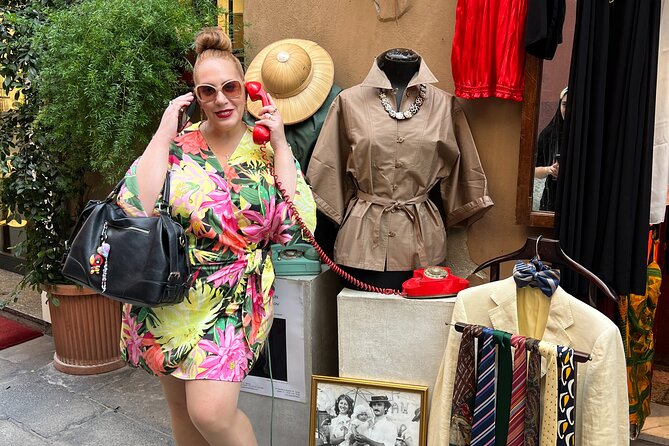
Milan can feel like two cities at once. There’s the postcard version—the Duomo silhouette, the grand arcade glow of the Galleria, and the scale of Teatro alla Scala. Then there’s the lived-in version, where style shows up in small decisions: what people wear on a random Tuesday, how boutiques display new lines, and how designers turn details into identity.
That’s what makes this tour worth your time. You get a focused fashion lens—why Milan is so central to global style—paired with specific stops that connect fashion to culture. It’s not a random “see the sights” loop. It’s a story walk.
And because it’s private (only your group), you’re not forced to share your attention with a hundred other people. You can ask direct questions like how a look becomes a brand, or what locals notice first.
Price-wise, it lands at $146.43 per person for about 2 hours. It’s not a cheap stroll, but it’s also not paying big attraction-ticket fees. The included value is the guide plus coffee/tea, and the stops are listed as admission ticket free—so the economics make sense if you want guidance more than museum time.
You can also read our reviews of more private tours in Milan


Price and timing: is $146.43 worth it?
Here’s the honest way I’d think about it. You’re paying for three things:
- Expert guide time focused on fashion, culture, and history
- A tight route through key Milan style zones
- Coffee and/or tea, which changes the tone from rushed sightseeing to a more human start
In two hours, you won’t “master Milan.” But you can get your bearings fast. If you’re visiting for a short trip, this kind of guide-led orientation is often more useful than adding one more standalone landmark.
One timing note: it’s commonly booked about 46 days in advance. That’s usually a sign it’s a popular way to start the trip, so if Milan is your priority, lock in early.
The meeting point near Duomo: SevenStars to Via della Spiga
Your tour starts at SevenStars Galleria Hotel, P.za del Duomo, 21, and ends at Via della Spiga, 20121 Milano MI. That end point matters. You finish in a fashionable, walkable area, which can make your next activity easier—whether you want to browse more shops, grab lunch, or keep wandering toward other fashion streets.
There’s also a practical advantage: it’s close to transit. The route notes that it’s about 4 minutes walking from San Babila Metro station on the red line. If you’re juggling trains, this reduces stress.
Also, the tour uses a mobile ticket, which is ideal if you don’t want to hunt for paper confirmations.
Duomo Di Milano plus coffee: where the story begins
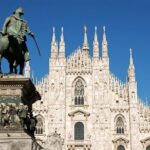
You’ll start around Duomo Di Milano, one of the most recognizable symbols in Italy. But the tour doesn’t stop at the view. Instead, you’ll take in the church’s central presence and then move into a small, traditional-feeling coffee moment—described as a hidden Italian coffeeshop.
That’s a smart setup. Milan can hit you with visual power immediately, but coffee gives you a softer landing. In that quiet reset, the guide’s focus turns to how it all started—how fashion connects to culture and identity, not just trend cycles. Even if you’re not a shopaholic, this is where you start to understand the city’s style logic.
The stop is listed at about 20 minutes, and the admission is marked as free, so the time cost isn’t eaten by ticket lines.
Galleria Vittorio Emanuele II: brand stories in an arcade
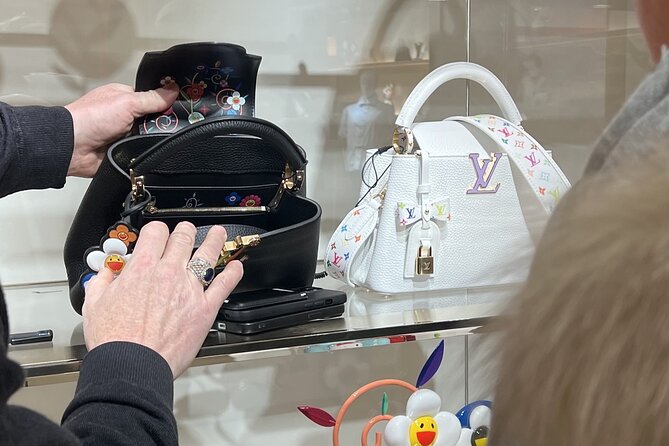
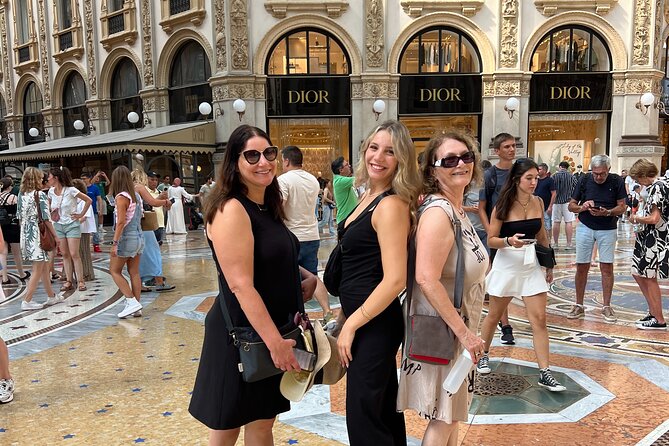
Next comes the Galleria Vittorio Emanuele II—the kind of place where you can’t help but slow down. It’s famous for a reason: the space feels like a crossroads of commerce and architecture, and it naturally invites window gazing.
The guide uses that setting to connect the big fashion brands to what you’re actually seeing. Expect talk about stories tied to important names and how Milan’s retail world became a stage for style. This stop is also about 20 minutes, with free admission.
What I like here is the way the tour uses the Galleria as a teaching tool. Instead of just standing in front of the glass-and-marble wow factor, you learn what to notice: display design, brand cues, and the way luxury presentation supports marketing.
Also: take a few photos if you want them, but don’t treat it like a race-through attraction. The tour timing gives you a chance to look properly.
Teatro alla Scala: culture as a fashion ingredient
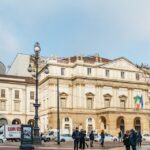
You’ll then look at Teatro alla Scala, and the conversation shifts to cultural life in Milan, especially during earlier years when opera houses and public performance were part of social power.
This part can surprise people who think fashion is all about clothing. But Milan’s style story is also about public taste—about the kind of city that builds institutions and then turns them into cultural signals.
The stop is listed at about 20 minutes, again with free admission, and it works well because it’s not a long “sit and listen” moment. It’s a quick but meaningful context plug. You’ll leave understanding that fashion isn’t separate from culture. In Milan, it’s tangled up with it.
Brera district: boutiques, craftsmen, and real streets
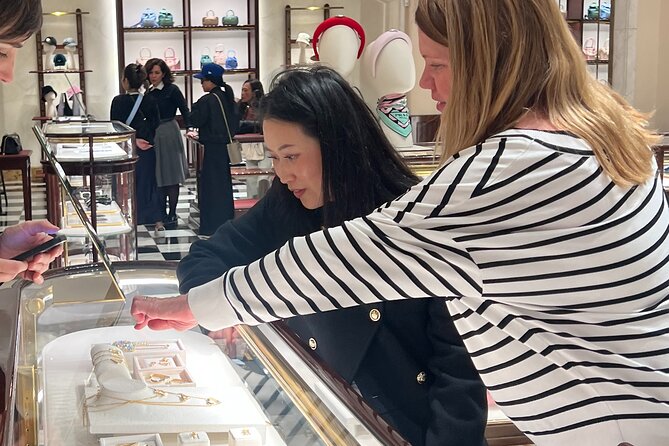
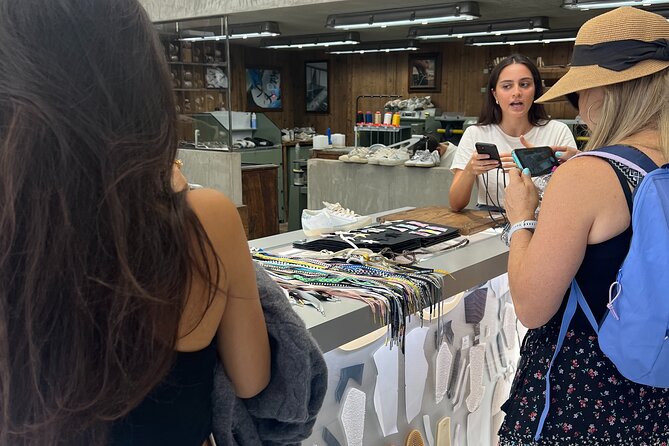
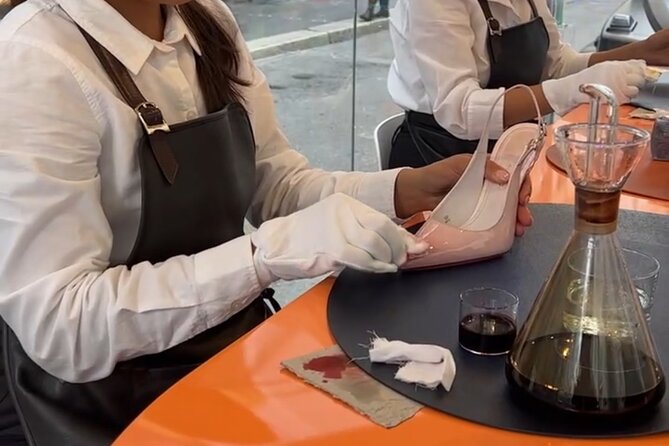
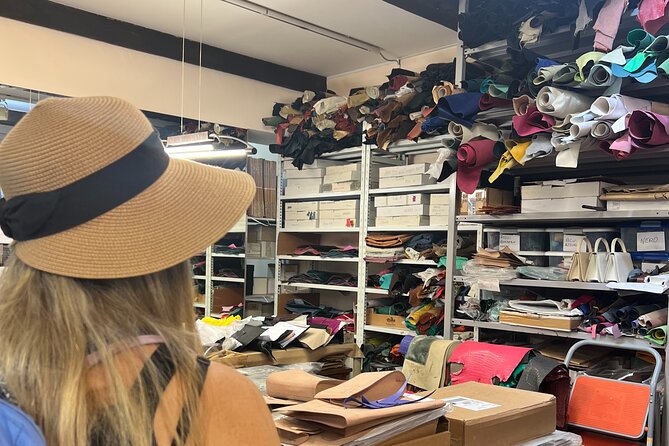
Then you move into Brera, which is where the tour becomes more tactile. You’ll visit charming fashion boutiques and local shops, and you’ll also get time to watch craftsmen while they work.
This is one of the strongest parts of the experience because it slows down the pace and makes fashion feel human. In a place like Milan, it’s easy to think everything is about famous logos. Brera shifts your attention toward the processes behind the look—how items are made, refined, and sold.
This stop is around 30 minutes, admission marked free. You’ll have time for browsing and for street-level observation, not just a quick glance-and-go.
Practical tip: if you want to buy something, Brera is often the better time to do it within a short tour. It’s the portion where browsing feels more like discovery than a pressure-cooker of only high-end storefronts.
Quadrilatero d’Oro: luxury vitrines and marketing strategy
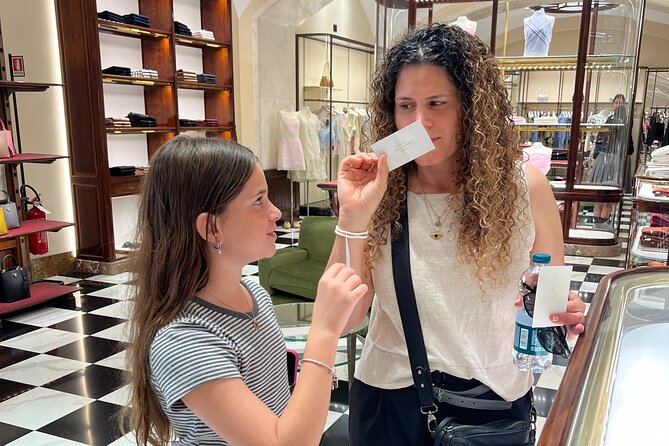
Finally, you head into Quadrilatero d’Oro, Milan’s most fashionable core area. This is where you’ll enjoy luxury vitrines—the display windows that turn shopping into theater.
The guide’s angle here is important: you’ll learn about innovations inspired by marketing strategies—how brands shape perception using what they show, where they show it, and how they keep the narrative consistent.
This stop is also about 30 minutes, with free admission.
One thing to keep in mind: this area can make some people feel like they’re trespassing in a world of prices they can’t touch. You’re not expected to buy anything. You’ll get more out of it if you treat it like a fashion classroom. Notice how brands tell stories visually, and how the shopping streets themselves become part of the brand experience.
What kind of guide you can expect (and why it matters)
The tour’s biggest advantage is that it’s a fashion-focused guide-led experience, not a generic escort.
Based on the guide style tied to this tour, you can expect explanations that connect fashion to design steps, culture, and how items become identity. Some guides in this setting have clearly studied fashion in Milan and are comfortable talking through how garments move from design into product. Others have a knack for tailoring the walk to your interests—whether that means you want more high-end brand context or more practical boutique time.
Also, the coffee start tends to set a friendly tone. In past experiences, guides like Ethel, Tal, Christina, and Esther have been described as warm, patient, and able to answer questions without rushing you.
And yes—this matters. Fashion talk can turn either into a lecture or into a conversation. The best versions of this tour keep it conversational, with frequent “look at this” moments inside the stops.
Included comfort: coffee, tea, and a guide you can ask stuff to
Here’s what you get without extra cost:
- Coffee and/or tea
- A guide
That inclusion is more than a perk. It’s a pacing tool. You get a reason to sit briefly, ask questions, and reset mentally before you move back into walking and browsing.
Also, the listed stops show admission ticket free for each of the major landmarks and areas visited. So the cost is mostly paying for the thinking and guidance—not paying to enter buildings.
What’s not included:
- Hotel pickup and drop-off
So plan to meet at the start point and finish at Via della Spiga. Use the metro connection if you need flexibility.
Who should book this private Milan fashion walk?
I’d book it if:
- You want a first-day orientation to Milan’s fashion geography
- You love learning why things look the way they do, not just where to stand for pictures
- You’re interested in both fashion districts and cultural context
- You want a private pace to ask questions—especially if you’re traveling with teens or fashion-curious companions
I might skip or adjust expectations if:
- You don’t like walking through shopping areas or windows
- You want a heavy museum plan instead of street-level fashion education
- You’re looking for a long time in one store; this is spread across multiple zones in about two hours
Should you book this private fashion tour?
If you’re in Milan for a short trip and you want your time to feel purposeful, this is a strong pick. The value comes from the private format, the guide-led fashion story, and the way it uses major landmarks plus Brera and Quadrilatero d’Oro to explain the city’s style DNA without overwhelming you.
Book it if you want to leave with more than photos—something like a mental map of Milan fashion, where it lives, and why it matters. And if you’re excited about fashion culture more than shopping itself, you’ll still get a lot out of the context and the street-level observations.