REVIEW · MILAN
From Milan: Discover Florence & Pisa on an Exciting Full-Day Tour
Book on Viator →Operated by Amigo Tours Spain · Bookable on Viator
A long day, two big icons, and a lot of stone. This Milan-to-Florence-and-Pisa outing strings together major squares, brief guided context, and time to wander on your own—plus live bilingual commentary on the rail ride.
I like that you get a bilingual tour leader in the cities, not just a quick “here’s your ticket, good luck” situation. The optional audio guide for Florence also helps you keep moving without needing to stop every two minutes to read. The main drawback is simple: this is a tight schedule with lots of walking and distance in-town, so it’s not ideal if your mobility is limited or you hate sprinting between landmarks.
In This Review
- Key Things I’d Watch For
- From Milan at 7:00 am: the train day setup
- Florence opener: Piazza di Santa Croce and the “who’s buried here” moment
- Piazza del Duomo: free walking time in Florence’s public square zone
- Ponte Vecchio and the merchant-story you’ll actually remember
- The Dominican church stop and the power of Piazza della Signoria
- Back to Il Duomo: red dome, marble façade, and Brunelleschi’s engineering flex
- Pisa in one hour: Piazza dei Miracoli and the leaning-tower photo sprint
- How the walking schedule feels (and who it fits)
- The price and whether it feels fair for what you get
- Crowds, timing, and small choices that save your day
- Train delays and strikes: the one risk you should plan for
- Audio guide option in Florence: useful, but know your device
- Who should book this tour, and who should skip it
- Should you book this tour?
- FAQ
- How long is the Florence and Pisa day tour from Milan?
- What language support do you get during the tour?
- What’s the meeting point and start time?
- Is lunch included?
- Do I get an audio guide in Florence?
- How much walking is involved?
- Is a baby car seat provided for young children?
Key Things I’d Watch For
- You start early (7:00 am) at Terrazza Gallia near Piazza Duca d’Aosta.
- Live English/Spanish commentary on the train keeps the day from feeling like just transportation.
- Santa Croce sets the tone fast with tombs of major Italians like Michelangelo and Galileo.
- Ponte Vecchio is more than a photo stop—you’ll learn why the shops ended up there.
- Pisa is built for quick payoff at Piazza dei Miracoli, with time for funny tower pictures.
- Max group size is 30, and that affects whether you ride by train or bus between cities.
From Milan at 7:00 am: the train day setup
The day begins at Terrazza Gallia, right by Piazza Duca d’Aosta (meeting point address: Piazza Duca d’Aosta, 9). You’re scheduled to start at 7:00 am, and the tour runs roughly 15 hours total, with the end back at the same meeting point.
This is a rail-based day trip between Milan and the Tuscany cities. You’ll board train for the journeys, but if the group is too large for a quality rail arrangement, the operator switches you to a bus for parts of the route. Either way, you’re traveling as a group with transportation included, and you’ll get that live train narration in English and Spanish at the same time.
Two small practical notes that matter:
First, you’ll want a schedule mindset, not a “we’ll go slowly and see what happens” mindset. Second, Florence and Pisa are popular—so even when you have free time, the vibe can still feel crowded.
You can also read our reviews of more tours and experiences in Milan
Florence opener: Piazza di Santa Croce and the “who’s buried here” moment
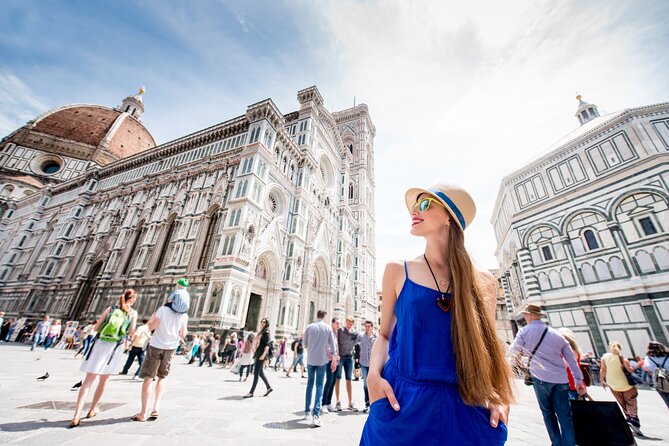
Your first Florence stop is Piazza di Santa Croce, centered on the Basilica di Santa Croce. This square works as an instant orientation point because it’s not just scenic—it’s packed with cultural meaning.
What makes this stop worth your attention is the church’s role as one of Italy’s key Franciscan sites and its reputation as a resting place for famous figures. You’ll hear names tied to major chapters of Italian art and thought: Michelangelo, Galileo Galilei, Niccolò Machiavelli, and Dante Alighieri.
Admission here is listed as free in the plan, and the stop is short—about 10 minutes. That’s a good “get the wow factor fast” length. You’ll see the bigger shape of the church and learn why people care about this place, then move on before you get stuck in long lines.
A drawback: if you love slow, detailed museum-style church time, this part may feel brisk. Treat it like a launchpad, not a deep dive.
Piazza del Duomo: free walking time in Florence’s public square zone
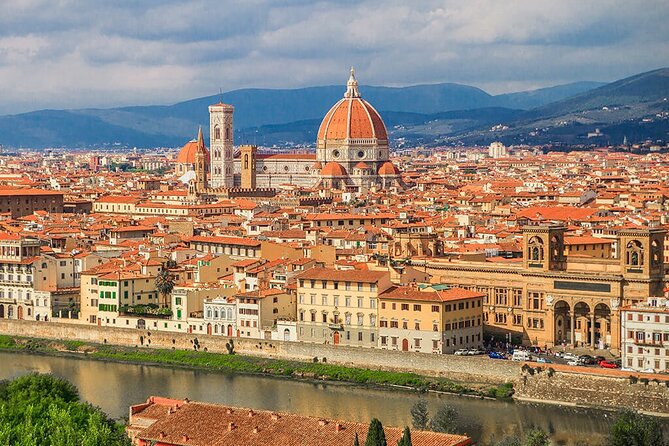
Next up is Piazza del Duomo, the main square in central Florence. This is the part of the day where the tour hands you the reins—there’s about an hour of free time to walk, look up, and get your bearings.
The square is surrounded by some of the city’s most recognizable landmarks: the Cathedral of Santa Maria del Fiore (often just called the Florence Duomo), and Giotto’s Campanile among others. The value here isn’t just “nice views.” It’s that Piazza del Duomo puts you in the geographic center of Florence’s classic sights, so your self-guided time is likely to feel efficient.
If you’re the type who enjoys tracing architecture with your eyes (dome shapes, bell tower proportions, façade details), you’ll probably get a lot out of this hour. If you’re more “I need a clear plan,” pick a direction and commit—Florence crowds can make aimless wandering feel like spinning.
Ponte Vecchio and the merchant-story you’ll actually remember
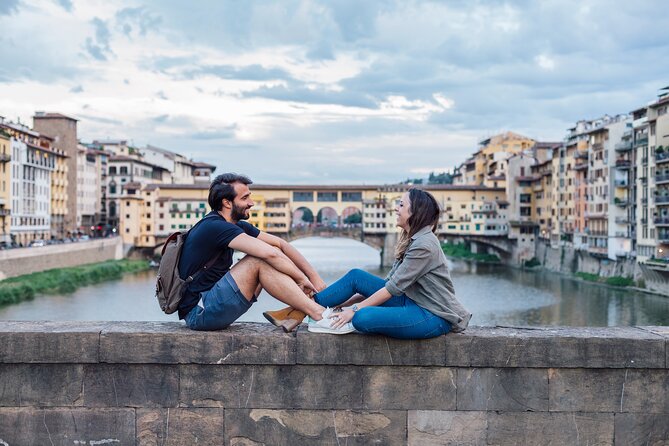
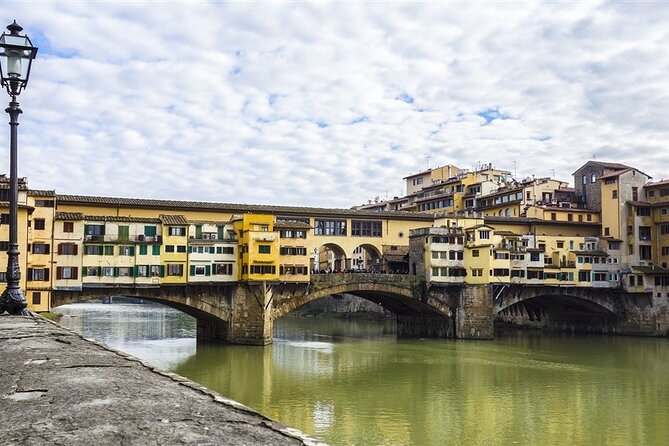
After you’ve wrapped the Duomo area, you’ll cross the Ponte Vecchio (the Old Bridge). This is one of those stops where the physical experience and the human story click together.
You’ll get a brief explanation of why you see shops lining both sides of the bridge—especially merchants like jewelers and goldsmiths. The plan also mentions the shops are built on the bridge and historically had structures that used columns, with tents suspended over the river.
Why I like this kind of stop: bridges are one of the easiest places to “look at the view” and forget everything five minutes later. The merchant history makes the shops feel purposeful, not random.
Photo tip: aim for a shot that shows the river and the shop lines, not just the bridge surface. It’s the geometry and repetition that make it look special.
The Dominican church stop and the power of Piazza della Signoria
From there, the route moves through a series of landmarks tied to Florence’s religious and civic life.
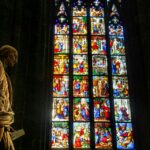
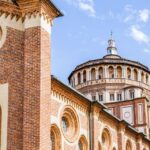
You’ll stop at a 15th-century Dominican church known for frescoes by Gothic and early Renaissance masters. The plan doesn’t give a specific name in the details you provided, but the takeaway is clear: this is a visual stop where the art style shifts as it moves from medieval to early Renaissance thinking. Even if you only get a short look, that framing helps you recognize what you’re seeing.
Then you’ll reach Piazza della Signoria, described as the seat of civil power and the heart of the city’s social life. You’ll also see the “Old Palace,” which is the core government/political complex in the square.
In practice, Piazza della Signoria is a great place to slow down for a moment, even if you don’t have long time there. It’s where Florence feels less like a museum and more like a working public space. Even in a short stop, you’ll likely notice how people use the square—standing, talking, waiting, watching.
Back to Il Duomo: red dome, marble façade, and Brunelleschi’s engineering flex
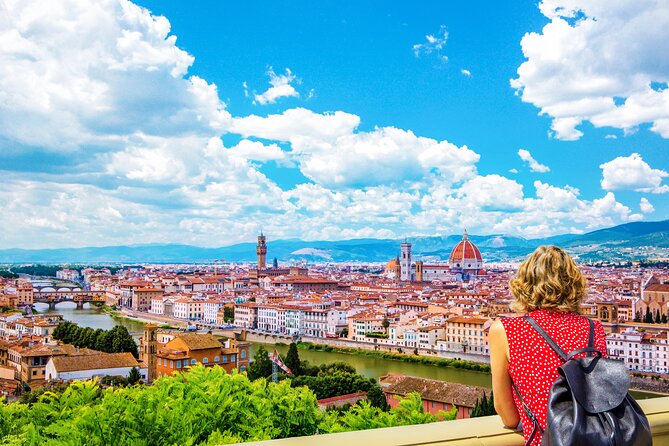
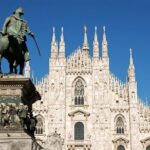
After earlier Florence context, you circle back to the Duomo area for the cathedral (commonly known as Il Duomo) stop. This is the iconic “you can’t miss it” moment, anchored around the famous dome designed by Filippo Brunelleschi.
The plan highlights what you should look for:
- the red-tiled dome
- the marble façade
- and Giotto’s bell tower
This stop matters because it’s not just sightseeing. Brunelleschi’s dome is one of those Renaissance engineering achievements that makes the architecture feel like it had a mission. When you understand that, the cathedral becomes more than pretty stone.
Time here is part of a tight schedule, so don’t expect a long sit-down. Instead, use the stop to do a quick visual checklist: dome shape from different angles, façade texture, and how the bell tower frames the skyline.
Pisa in one hour: Piazza dei Miracoli and the leaning-tower photo sprint
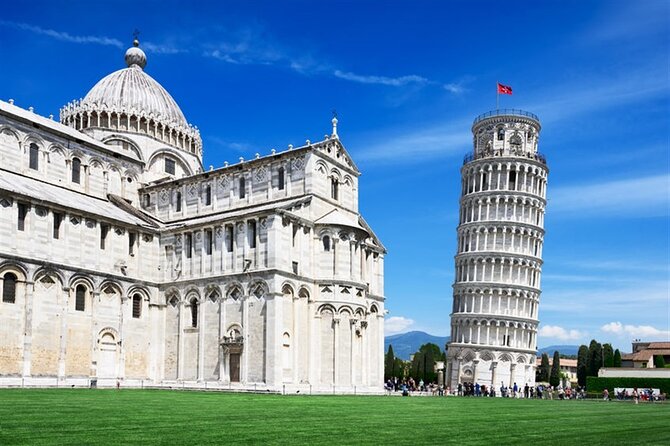
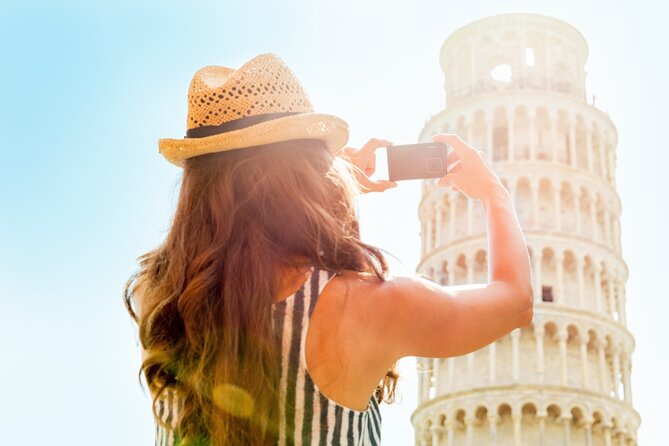
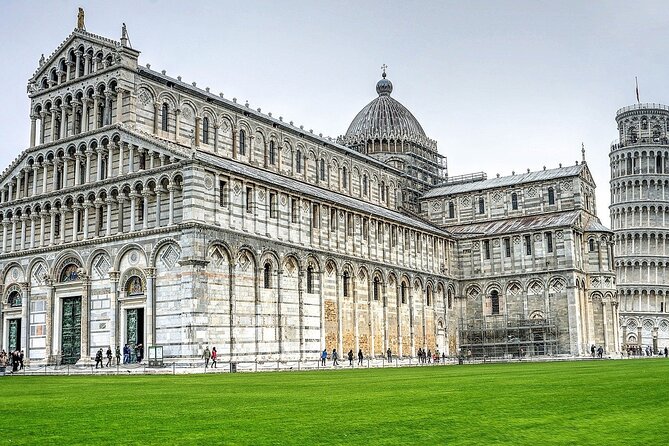
After Florence, you head to Pisa for about one hour at Piazza dei Miracoli—the famous square with green areas and the Leaning Tower alongside the majestic cathedral.
This is where the tour keeps things efficient: you get the correct setting (the whole “marble bands” look is the point), and you get time to take pictures, including the classic “funny” tower poses the plaza makes easy.
Admission at the square is listed as free in the plan. The key stop is the Cathedral of Santa Maria Assunta, described as a medieval Catholic cathedral dedicated to the Assumption of the Virgin and the episcopal seat of Pisa.
Here’s the honest trade-off: an hour in Pisa is plenty for the signature sights, but it’s not a full Pisa exploration. If you want cloisters, interior time, or long artistic detours, you’ll likely feel rushed. But for many people, the tower-and-cathedral combo is exactly why this day trip works.
How the walking schedule feels (and who it fits)
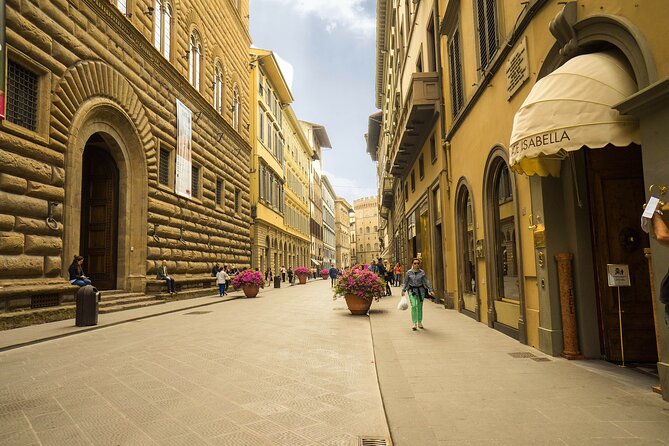
The tour notes make one thing clear: this itinerary is tight, with great distances in the cities, and it’s not recommended if you have mobility problems. It also asks for moderate physical fitness.
So what does that mean for you on the ground? Expect:
- frequent short moves between major points
- standing time while guides point out details
- and “free time” that still happens inside a schedule grid
In Florence, crowds can slow you down even when you’re moving fast. In Pisa, the plaza is more open, so you may feel more comfortable shifting from photo to photo—but you won’t have hours to soak it in.
This tour is best for you if you like big landmarks, short explanations, and then turning it into your own walking loop.
The price and whether it feels fair for what you get
At $203.30 per person for an approximately 15-hour day from Milan, the value really depends on how you travel.
Here’s what’s included that usually drives the cost:
- Transportation from the meeting point
- train travel between cities (with bus as a substitute when needed)
- live commentary in English and Spanish on the train
- a bilingual tour leader in the cities
- mobile ticket
- and an audio guide in Florence if you select that option
What’s not included:
- lunch
- hotel pickup
For a day trip that covers Florence plus Pisa in one go, the included guide and narration are the main value engines. You’re paying not just for transport, but for someone to give you context quickly so you don’t end up reading every plaque by yourself.
The “watch this” part is the pace. If you’re the kind of traveler who wants to linger for interiors and long café breaks, you may feel like you paid for guidance you didn’t fully get to enjoy at a relaxed speed. If you’re fine with a structured, high-intensity day, it can feel like a solid deal.
Crowds, timing, and small choices that save your day
Even when the tour gives you a free hour here and there, you should still think in terms of micro-planning.
For Florence:
- Start your Duomo-area free time with one simple goal: find the best angle of the bell tower and dome.
- When you cross Ponte Vecchio, think “river lines” and “shop rhythm” for photos, not just a single postcard shot.
For Pisa:
- If you’re doing classic tower photos, decide which one you want first. There’s only so much time, and the plaza’s photo opportunities look endless.
One more practical detail: the plan notes the order of the itinerary can change by season. So keep your expectations flexible. You’re still getting the big anchors—Santa Croce, Duomo area, Ponte Vecchio zone, Piazza della Signoria, and Pisa’s Piazza dei Miracoli.
Train delays and strikes: the one risk you should plan for
A rail day trip is always exposed to real-world transportation problems. The experiences shared around this tour show that sometimes trains get delayed or service gets disrupted, and that can shrink what you actually see.
The good news is that the tour is structured so you have multiple major Florence stops, and Pisa is timed with a defined window. The tricky part is you’re dependent on schedules and connections to get back to Milan.
What you can do to reduce stress:
- keep your essentials in your day bag (phone charger, water, a light layer)
- double-check that you have the mobile ticket accessible offline if possible
- avoid big plans right after your return, since delays can ripple
This isn’t unique to this tour, but it’s the kind of risk you should treat seriously when your day depends on trains.
Audio guide option in Florence: useful, but know your device
If you choose the audio guide option in Florence, you’ll receive instructions to download it after booking confirmation. The plan says Android (version 5.0 and later) or iOS smartphone is required.
It’s not compatible with:
- Windows Phones
- iPhone 5/5C or older
- iPod Touch 5th generation or older
- iPad 4th generation or older
- iPad Mini 1st generation
Headphones are recommended for the best experience. Also, to download the audio guide on the bus, you’ll need an internet connection.
If you’re already comfortable with audio self-guides, this option can turn your Florence time into a more personal pace. If you prefer live explanations only, you can likely skip it without missing the plot.
Who should book this tour, and who should skip it
You should seriously consider booking if:
- you want Florence and Pisa in one day from Milan
- you like a guided framework with time to wander
- you’re comfortable walking and standing for long stretches
- you appreciate getting context for what you’re looking at, especially around major landmarks like Santa Croce and the Duomo area
You may want to skip (or choose a slower alternative) if:
- you have mobility concerns or dislike tight schedules
- you need lots of seating time or unhurried museum pacing
- you’re traveling with young kids who can’t handle long walking days (note: a baby car seat requirement applies, and Amigo Tours can’t provide one)
Should you book this tour?
If you want a structured, rail-based whirlwind through Florence’s best-known civic and religious landmarks—and then a quick hit of Pisa’s Piazza dei Miracoli—this can be a satisfying day. I especially like the combination of live bilingual commentary plus a guided leader in town. It makes the stops feel connected instead of like a checklist.
Just be honest with yourself about the pace. This is not a slow gallery day. It’s a “big sights, fast context, then go see it your way” kind of outing. If you’re okay with that, you’ll likely come away with clear mental images—Santa Croce’s famous tomb names, the Ponte Vecchio shop story, and the Leaning Tower plaza moment that everyone remembers.
FAQ
How long is the Florence and Pisa day tour from Milan?
The tour duration is approximately 15 hours.
What language support do you get during the tour?
You’ll have live commentary on the train in English and Spanish, and a bilingual tour leader accompanies you in the cities.
What’s the meeting point and start time?
The meeting point is Terrazza Gallia, Piazza Duca d’Aosta, 9, 20124 Milano MI, Italy, and the start time is 7:00 am.
Is lunch included?
No, lunch is not included.
Do I get an audio guide in Florence?
You can have an audio guide in Florence if you select the audio guide option. The device must be Android (5.0+) or an iOS smartphone, and headphones are recommended.
How much walking is involved?
The itinerary is described as very tight with long distances in the cities. It’s recommended for travelers with moderate physical fitness, and it’s not recommended for people with mobility problems.
Is a baby car seat provided for young children?
No. Children under 11 must sit on a baby car seat, and Amigo Tours cannot provide it, so you need to bring your own.