REVIEW · MILAN
Milan: Best of the Highlights Walking Tour
Book on GetYourGuide →Operated by Ways Tours | B Corp company · Bookable on GetYourGuide
Milan can be a whirlwind, but this walk has a plan. I love the fast, high-impact route through the city center and the way a local guide turns landmarks into real stories. You also get a satisfying mix: the Duomo, old squares, and the glass-and-iron elegance of Galleria Vittorio Emanuele II. The main drawback to factor in is that it’s 2 hours of walking and some areas may be harder for reduced mobility.
Meet your guide in the heart of things and you’ll move from medieval to modern without needing tickets or a transit plan. If you’re lucky enough to get Daniela, there’s a clear pattern of praise for her being kind and sharp on Milan history—exactly what you want when you’re short on time. Still, it’s rain or shine, so you’ll want to dress for weather and keep your shoes comfy.
In This Review
- Key Highlights You’ll Care About
- A Two-Hour Loop Through Milan’s Key Squares
- Starting in Piazzale Luigi Cadorna: Needle, Thread, and a Real Quick Orientation
- Castello Sforzesco: From Fortress Walls to Big-Art Reputation
- Piazza Affari and Piazza Cordusio: Where Milan’s Modern Money Meets Its Old Streets
- Piazza dei Mercanti and Palazzo della Ragione: A Medieval Square That Still Feels Intact
- Scala Opera House Area and the Path to Galleria Vittorio Emanuele II
- Finishing at Piazza Duomo: Gothic Cathedral Grandeur in One Dominant View
- Price and Value: Is $44.41 Worth It?
- Who This Walking Tour Suits Best
- What You Should Bring and How to Plan Your Day
- Should You Book This Milan Highlights Tour?
- FAQ
- How long is the Milan highlights walking tour?
- What does the tour include?
- Is food or drink included?
- Where do I meet the guide?
- Where does the tour end?
- What language is the tour in?
- Does the tour run in rain?
- Is the tour wheelchair or accessibility friendly?
- Are unaccompanied minors allowed?
Key Highlights You’ll Care About
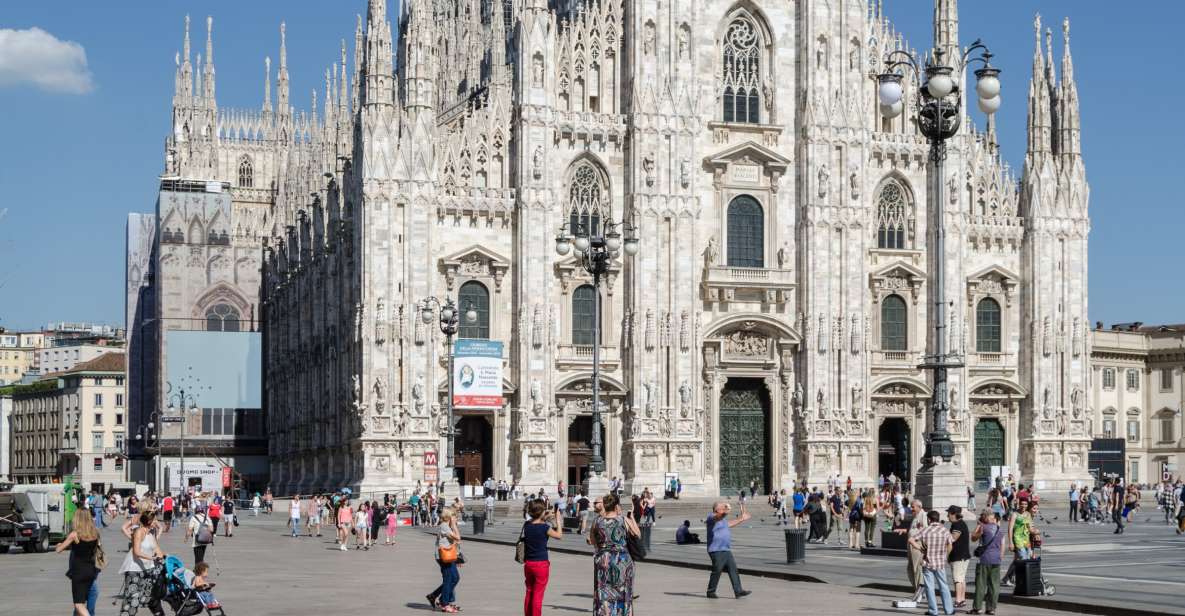
- Duomo first-class Gothic details: finish at Piazza Duomo with the cathedral dominating the square
- Castello Sforzesco’s cultural switch: a medieval fortress turned into a cultural hub
- A mini geography of Milan: city center, finance, medieval squares, opera, and shopping under one roof
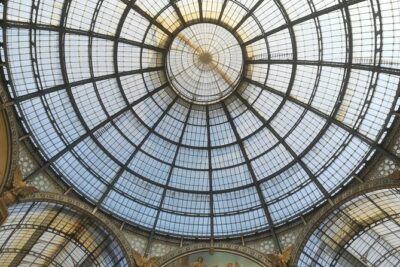
- Galleria Vittorio Emanuele II’s design: vaulted glass and iron arcades, plus a prime photo stop
- Local guide energy in 2 hours: fast facts, city anecdotes, and clear context for what you’re seeing
A Two-Hour Loop Through Milan’s Key Squares
This is the kind of Milan walk that works when you’re only in town for a short window—or when you want to get oriented before going deeper on your own. In about 2 hours, you’ll cover a smart slice of the center, moving through different eras so the city doesn’t feel like disconnected sights.
What makes it especially practical is the structure: you start at a well-known landmark, you hit major monuments in a logical order, and you end back near where you began. No pickup logistics to figure out, no long detours—just a compact itinerary built around the places that define Milan.
You’ll also learn how Milan pairs innovation with tradition. That theme shows up in the stops: a fortress that became a cultural center, an opera setting, and a famous shopping gallery that’s basically a design statement in motion.
You can also read our reviews of more walking tours in Milan



Starting in Piazzale Luigi Cadorna: Needle, Thread, and a Real Quick Orientation
Your tour starts in Piazzale Luigi Cadorna, under the colored statue of the Needle and Thread. Your guide will be holding a yellow sign that says Tour, which makes it easier to spot your group in a busy area.
This first moment matters because it sets the tone: Milan is full of symbols, and this one is a tidy entry point. The Needle and Thread-and-knot motif connects to the idea that the city’s identity is about more than monuments—it’s also about craft, design, and how things tie together.
After you meet up, you’re ready to step into a walking rhythm that doesn’t waste time. That matters because the tour is short by design, so every stop needs to count.
Castello Sforzesco: From Fortress Walls to Big-Art Reputation
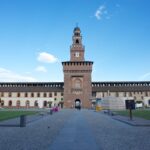
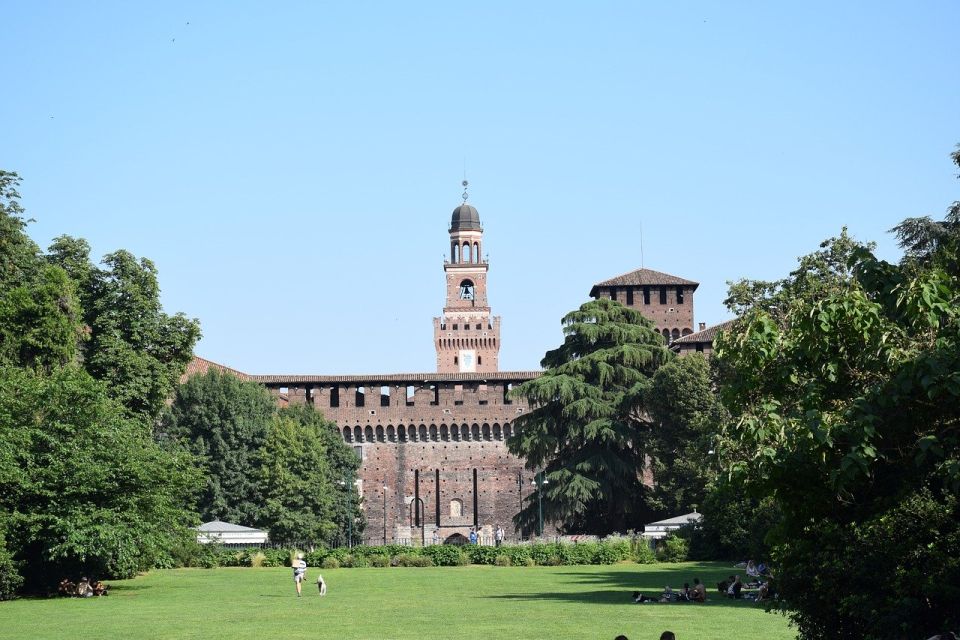
The first major landmark stop is Castello Sforzesco, a medieval fortress. Even from the outside, you’ll get a sense that this isn’t just a place to look at—it’s a place that changed roles over time.
Your guide will explain how the castle evolved into a cultural hub. The point isn’t to turn this into an art-history lecture, but to give you a framework: you’re seeing a building that helped shape Milan’s cultural gravity, not just an old pile of stone.
This stop is a great value moment. You get a major name attraction without needing to plan extra activities on top of the walk. And because the tour is timed, you’ll appreciate the castle more when you understand why it matters.
Piazza Affari and Piazza Cordusio: Where Milan’s Modern Money Meets Its Old Streets
Next comes Piazza Affari, known as the center of Milan’s financial district. There’s also a statue in the middle of the square, and your guide uses this spot to show how the city’s identity can flip from stone history to business energy in a single breath.
Then you pass by Piazza Cordusio and head toward Piazza dei Mercanti, a medieval square. This transition is one of the smartest parts of the route because it shows a Milan contrast you might miss if you only do one theme—either “old Italy” or “modern city.”
For me, this section is where the walking tour starts feeling like it’s doing something beyond photo stops. You’re learning to read the city in layers: finance, commerce, and the medieval fabric still present in the streets.
Piazza dei Mercanti and Palazzo della Ragione: A Medieval Square That Still Feels Intact
Piazza dei Mercanti is the time machine moment on this walk. The square has well-preserved medieval structures, and you’ll also admire Palazzo della Ragione, an important historic presence in the area.
This is a good place to slow down for a minute, even on a short itinerary. Medieval squares can look similar at a glance, but your guide gives you context that helps you notice differences—why certain buildings matter, and what role these spaces played in earlier city life.
If you like city photos, this is also one of your easiest wins. The shapes, stonework, and layout help you frame the medieval feel without needing to hunt for viewpoints.


Scala Opera House Area and the Path to Galleria Vittorio Emanuele II
As the tour moves along, you’ll see the Scala Opera House (often called La Scala) and the Temple of Opera. These stops give you a direct connection to Milan’s performing-arts reputation.
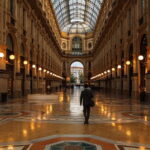
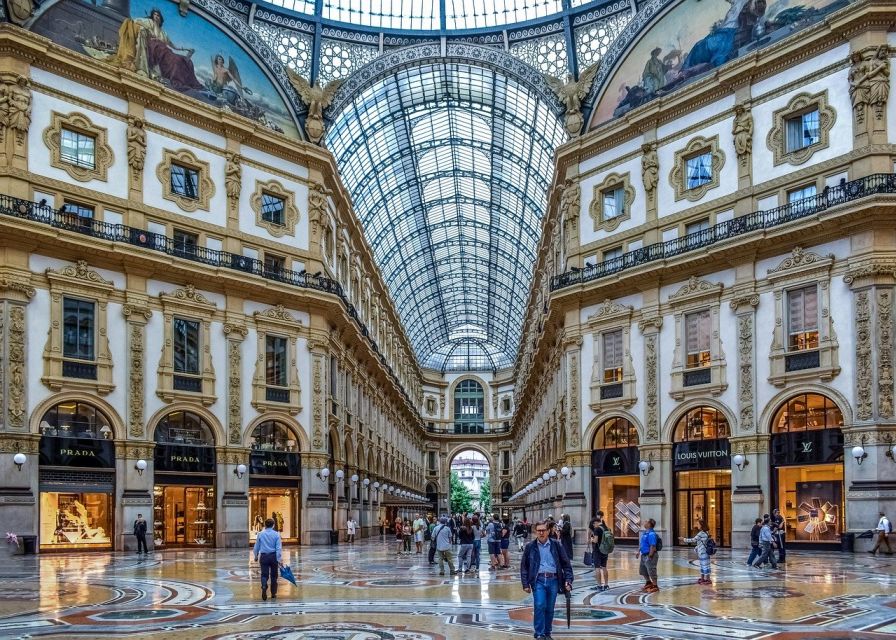
The tour then heads toward Galleria Vittorio Emanuele II, one of the city’s signature architectural experiences. This isn’t just “a mall.” Your guide points out its opulence and the details that make it visually memorable: vaulted glass and iron arcades.
This stop is worth planning your pace around. Even if you’re not shopping, the gallery is a place to look up. The ceiling structure and the way the arcades run create a kind of indoor boulevard effect, so you’re still experiencing street-scale Milan, just under a roof.
Finishing at Piazza Duomo: Gothic Cathedral Grandeur in One Dominant View
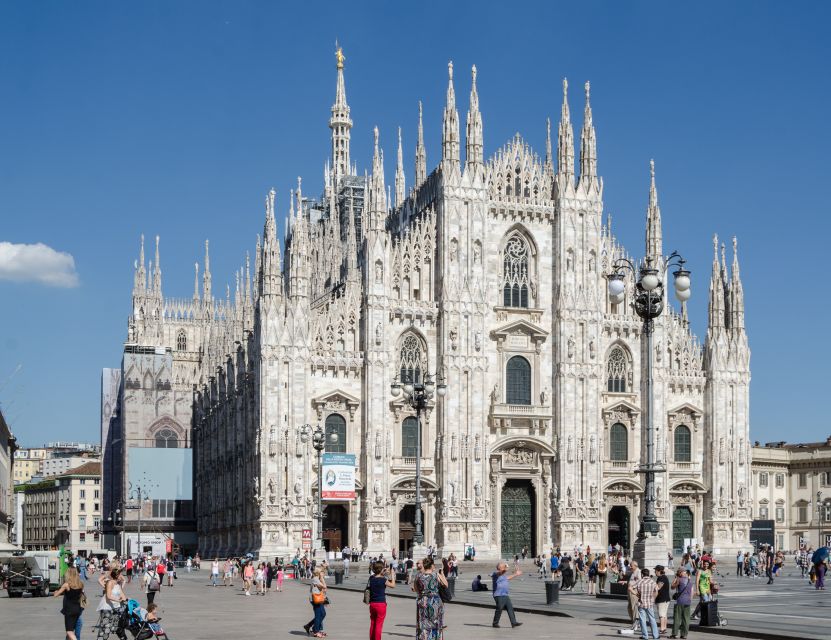
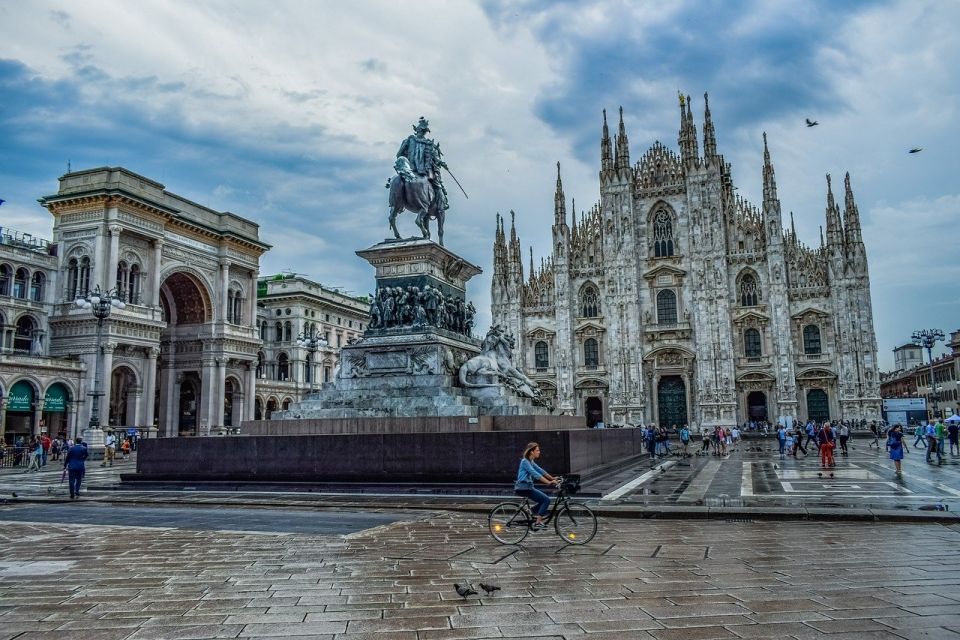
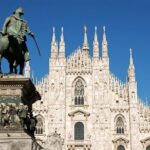
The tour ends at Piazza Duomo, dominated by the Gothic Cathedral of the Duomo. This is the big finish, and it works because you’ve already built a mental map of the city through the walk.
From here, you’ll marvel at the Duomo’s intricate details and also see the surrounding monuments in the square. Your guide’s explanations help you appreciate what you’re looking at beyond the obvious wow factor.
Why this ending is smart: Duomo is visually overwhelming in the best way. If you hit it too early, you might miss the meaning of what you’re seeing. Doing it at the end turns it into a payoff—like closing a story you just learned.
Then it’s back to the meeting point area, which keeps the day simple.
Price and Value: Is $44.41 Worth It?
At $44.41 per person for a 2-hour walking tour with a live local guide, you’re paying for two things: time savings and interpretation. You could technically walk between these places on your own, but you’d lose the quick context that makes each stop click.
Here’s why the value holds up:
- You get a tight route covering multiple major Milan icons without needing to plan transit.
- You receive guided history and city anecdotes that turn landmarks into meaning, not just scenery.
- You finish with Duomo at full strength, guided so you understand what to notice.
If you’re visiting Milan for the first time and want to get your bearings fast—this is a strong use of your time. If you already know Milan well and just want leisurely photos, you might not need a guide. But for most first-timers and short-stay visitors, this price feels fair for what you gain.
Who This Walking Tour Suits Best
This tour fits best if you want a clear hit list with explanations, not a slow drift. It’s ideal for:
- First-timers who want Milan highlights in a short window
- Travelers who like history when it’s tied directly to what they’re seeing
- People who enjoy architecture and design details as part of city culture
It may be less ideal if you:
- Need a fully accessible route throughout (some parts may not be easily accessible)
- Don’t enjoy wet-weather sightseeing (it runs rain or shine)
Also note: unaccompanied minors aren’t allowed, and the tour is guaranteed with a minimum of 2 participants, which generally helps keep the experience lively and guided.
What You Should Bring and How to Plan Your Day
Because it’s rain or shine, plan like a local: dress for weather and wear shoes that can handle lots of walking. The route is a “high concentration” tour, so you don’t want to start compromising after 20 minutes.
You can also use this tour strategically. If you want to spend more time later, treat the stops like a shortlist. After the walk, you’ll know where to return—whether that’s Duomo’s square, the medieval-feel areas, or the gallery for design-focused wandering.
And since food and drinks aren’t included, it’s smart to schedule a meal either before or after. Keep it simple: hydrate, then enjoy the walk.
Should You Book This Milan Highlights Tour?
Book it if you want a guided walk that covers the key Milan icons in 2 hours and gives you the context to understand why they matter. The route is practical, the stops are big-name without being chaotic, and the guide-led history makes the city feel coherent fast.
Skip it only if you already plan to spend most of your time in one specific neighborhood or you prefer self-guided exploration with minimal explanations. Otherwise, this is a solid way to see a lot of Milan in a short, organized, guide-supported outing—and leave with a clearer mental map for the rest of your trip.
FAQ
How long is the Milan highlights walking tour?
The duration is 2 hours.
What does the tour include?
It includes a local guide.
Is food or drink included?
No. Food and drinks aren’t included.
Where do I meet the guide?
You meet in Piazzale Luigi Cadorna, under the colored statue of the Needle and Thread. The guide will hold a yellow sign with Tour written on it.
Where does the tour end?
The tour ends back at the meeting point area.
What language is the tour in?
The live tour guide speaks English.
Does the tour run in rain?
Yes, it takes place rain or shine.
Is the tour wheelchair or accessibility friendly?
Some parts of the tour may not be easily accessible for people with reduced mobility or disability. If you want specifics, you’ll need to contact the provider.
Are unaccompanied minors allowed?
No, unaccompanied minors aren’t allowed.