REVIEW · MILAN
Choose three recipes to cook from all the traditional cuisine
Book on Viator →Operated by Cook and Dine · Bookable on Viator
Walking into a chef’s home kitchen in Milan is a treat. You pick three Italian recipes, cook them hands-on in about two hours, then sit down for a 3-course meal with wine. It’s a rare mix of practical skill-building and real food confidence.
I especially love the recipe choice. If you’re among the first to book your date, you can select the three dishes from a wide list across Italy, not just the usual pasta-and-pizza suspects. And I like that the chefs (Aurora or Lucrezia) build the class around technique: cutting, herbs, spices, timing, and frying or boiling—things you can actually repeat at home.
One thing to consider: you might not always get every last detail of a dish, like making dough from scratch. A few past guests wanted more hands-on with specific steps, so if you’re the type who wants total control down to dough technique every time, ask what parts you’ll actively make.
In This Review
- What you’ll do, in plain terms
- Key highlights you can plan around
- A home-kitchen class in Milan, run by Aurora or Lucrezia
- Choosing your three recipes: Italy-wide options, not one narrow menu
- Pasta options that aren’t boring
- Vegetable-forward mains: zucchini flowers and eggplants
- Meat and fish options across Italy
- Desserts that earn their spot at the table
- The hands-on cooking portion: how the class actually teaches skills
- Where you may want to set expectations
- Your 3-course meal plus wine: it’s not a break, it’s the payoff
- What the time and group size mean for you
- Where you meet in Milan: Via Mantova, and no hotel pickup
- Price and value: what you’re really paying for
- Who should book this class in Milan
- Who might want to think twice
- Should you book this Milan cooking class?
- FAQ
- What is included in the class price?
- How many recipes will I cook?
- Can I choose vegetarian or gluten-free dishes?
- Is the class taught in English?
- Do I need to prepare anything in advance?
- Will I drink wine during the meal?
- Where do I meet?
- Is there hotel pickup?
- How late can I arrive?
What you’ll do, in plain terms
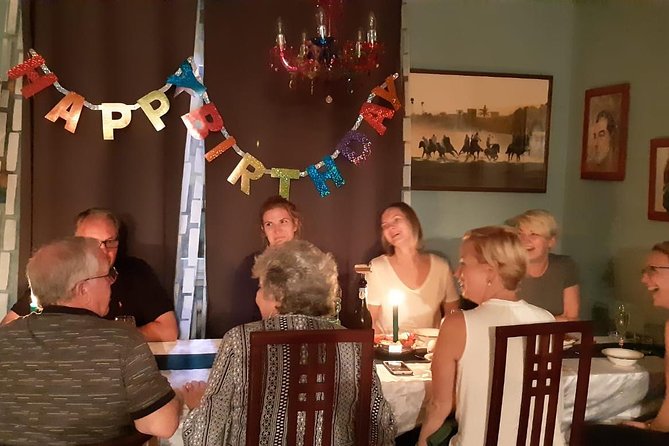
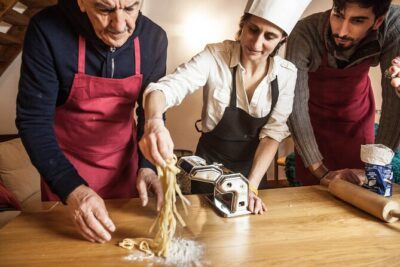
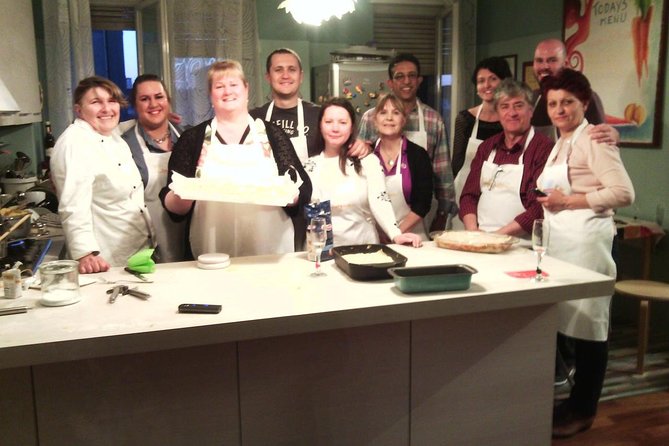
This is a small-group class (max 10 people) with a local chef in a real home kitchen setting on Via Mantova. You start with a quick setup, then in the middle of the action you cook your own portion of everything: usually a starter plus two more courses, or a menu arranged around your three selected recipes. After cooking comes the best part—eating together, with Italian wine flowing.
You’ll also get recipes in English after the experience. That matters more than you’d think, because being able to follow the same steps later is what turns a fun night into a lasting skill.
Key highlights you can plan around
- Choose your three recipes from options across Italian regions, including vegetarian and gluten-free-friendly picks
- Hands-on in a real kitchen: you cook your portion of everything, not just watch
- Technique focus on cutting, herbs and spices, timing, and frying or boiling
- Meal plus wine pairing: lunch or dinner with 2 glasses of wine plus welcome Prosecco and ending limoncello
- Small group feel (up to 10 people), so you get actual attention
- English instruction with chefs Aurora or Lucrezia guiding the class
You can also read our reviews of more cooking classes in Milan

A home-kitchen class in Milan, run by Aurora or Lucrezia
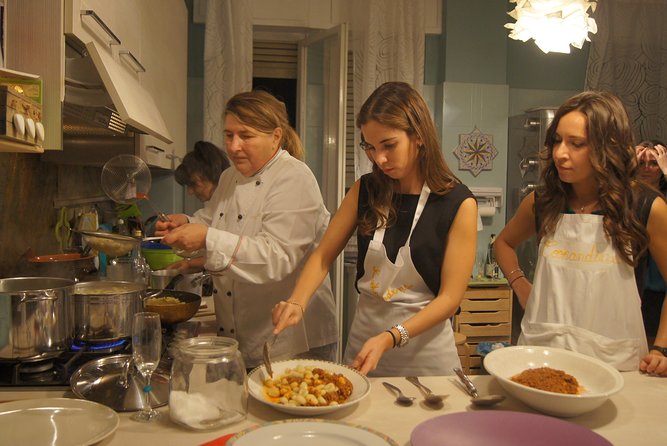
The core idea is simple: you connect with a local chef, cook a 3-course meal (or meal-style menu) in their home kitchen, and then eat what you made. In Milan, it can be easy to spend your whole trip chasing sights. This is the kind of experience that gives you something portable—skills and recipes you can use once you’re back home.
Chef Aurora and Chef Lucrezia are both part of the program, and you’ll get contacted with a list of recipes from across Italian culinary traditions when you book. That contact step is useful because it frames the class around options you want, not just whatever the kitchen feels like making that night.
Also, the “small-group” limit is practical. With up to 10 people, the chefs can correct your grip when you’re chopping, troubleshoot a sauce, and help you pace yourself. If you’ve ever been stuck in a huge group cooking demo where you only stir once, this setup is the opposite.
Choosing your three recipes: Italy-wide options, not one narrow menu
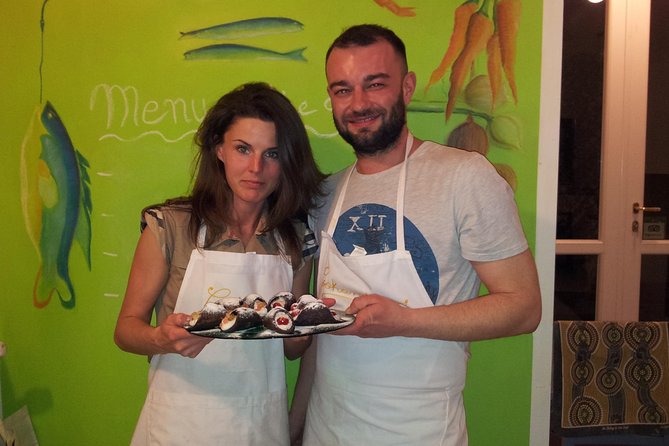
Here’s what makes this class feel truly Italian: the recipe menu spans regions and styles. You’re not limited to the most tourist-famous dishes. You’ll see options that use vegetables Italians actually build meals around—like zucchini flowers and eggplant—plus classics with meat and fish.
Pasta options that aren’t boring
From the sample menu and the larger list, you may choose things like:
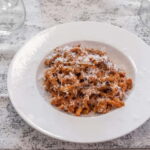
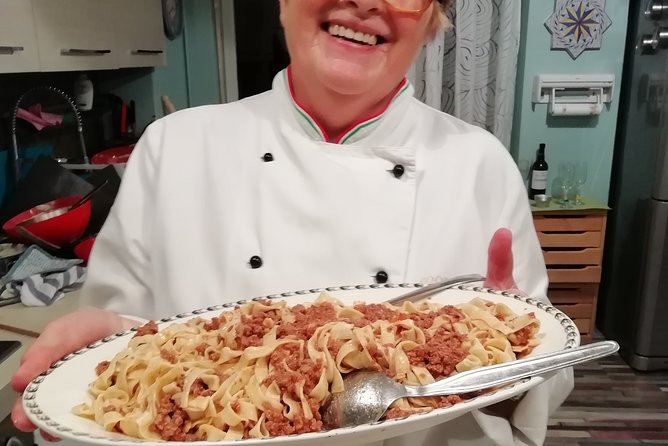
- Tagliatelle with bolognese sauce
- Ravioli filled with pumpkin or ricotta and spinach
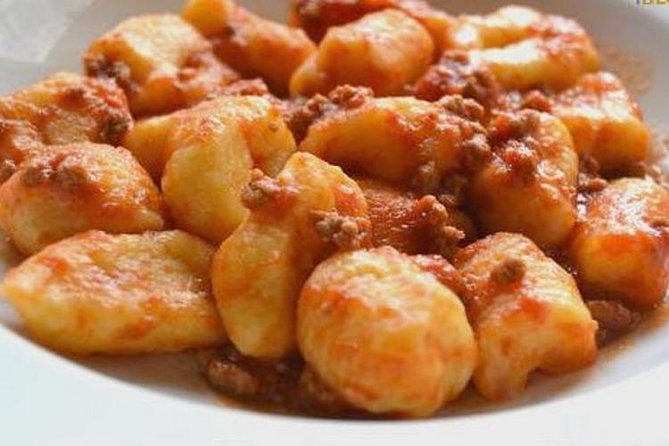
- Hand-made gnocchi made from potatoes
These choices matter because they teach different pasta personalities. Bolognese tagliatelle is all about sauce handling and timing. Ravioli is about filling and shaping (plus sealing, so nothing leaks into the chaos). Gnocchi is texture work—less about speed, more about consistency.
Vegetable-forward mains: zucchini flowers and eggplants
You can also select a dish rooted in Italian vegetable cooking, such as:
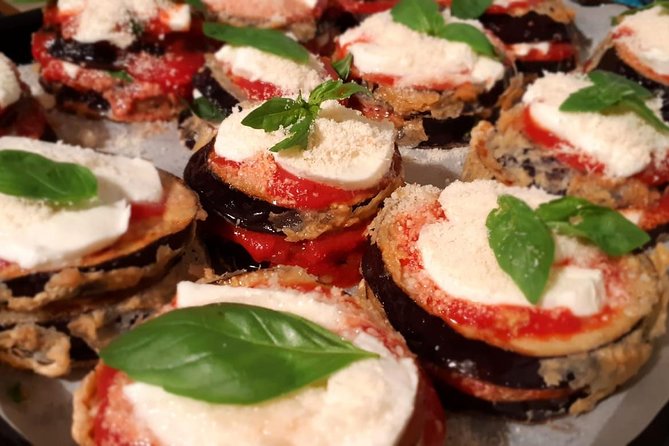
- Parmigiana eggplant
- Zucchini flowers filled with mozzarella, breaded, fried, and then finished
Parmigiana teaches layering and control—breaded eggplant plus mozzarella plus tomato sauce. Zucchini flowers add another level: they’re delicate, so you learn how to handle them without turning them into soup. That’s a great lesson because it’s the kind of Italian technique you won’t pick up from a generic “pasta class.”



Meat and fish options across Italy
Depending on your selection, the class can include regional meat and fish ideas such as:
- Lamb in Roman style, cooked with wine, garlic, and anchovy
- Codfish from Venice, cooked in milk and onion and then creamed to spread on polenta
- Other listed possibilities in the full selection: ossobuco veal and scaloppini
If you choose meat-heavy dishes, you’ll practice braising-style flavor building and how to balance salty elements like anchovy. If you pick fish, you’ll learn a creamy preparation that feels comforting without losing Italian restraint.
Desserts that earn their spot at the table
Dessert options can include:
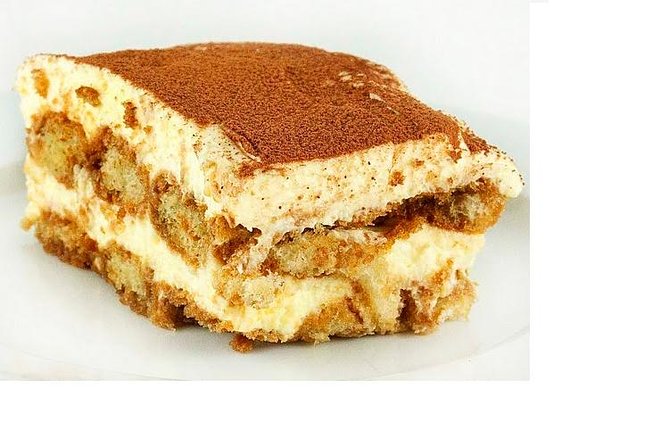
- Tiramisu (mascarpone and coffee-based)
- Panna cotta with strawberry
- Sicilian cannoli (with a tube you make and a ricotta filling)
- Caprese cake from Capri (mentioned as a gluten-free option in the sample menu)
These aren’t throwaway endings. Cannoli and tiramisu both teach a “structure” skill—mixing correctly so the final texture works. Panna cotta teaches set-and-serve timing. And Caprese is a nice reminder that gluten-free desserts can still be fully satisfying.
The hands-on cooking portion: how the class actually teaches skills
You’ll cook your own portion of everything in about two hours. The program also emphasizes that nothing is prepared beforehand, which is a big deal if you want real learning rather than a reheated meal with a photo backdrop.
The class is built around technique lessons like:
- How to cut ingredients efficiently
- How to use herbs and spices for balance
- How much time to cook each step
- How to fry or boil without losing texture
That’s the stuff that separates a one-time experience from a skill you can repeat. If you’re coming in as a beginner, this is where you’ll feel progress: you get guided steps, then you do the work.
Where you may want to set expectations
A small number of experiences focus on the level of hands-on detail for certain steps. If you care most about making dough from scratch, you should plan to ask your chef what parts of dough-making you’ll do during your session. The class is clearly hands-on, but the exact depth can vary depending on your chosen dishes and timing.
Also, since this is a home setting, you’re not in a museum kitchen. One past group noted noise from construction in the building, so if you’re sensitive to disruption, keep your expectations flexible.
Your 3-course meal plus wine: it’s not a break, it’s the payoff
After cooking, you sit down for your lunch or dinner. The program includes a 3-course meal and Italian drinks that make it feel like an actual shared table moment, not just “food at the end.”
What’s included in the food-and-drink rhythm:
- A 3-course lunch or 3-course dinner
- 2 glasses of wine per person
- A welcome Prosecco glass
- Limoncello at the end
That structure is smart. You don’t have to choose between learning and eating. The wine timing works because you’re still focused during cooking, then you relax once the menu is ready.
And yes, the dishes you make tend to be the best ones of the day, because you’re the one who built them. A lot of the strongest class memories come from the standouts people remember eating—things like homemade gnocchi, eggplant parmigiana, and a really well-made tiramisu. The point isn’t that you’ll magically cook like a pro. It’s that you’ll finally understand why the dish tastes the way it does.
What the time and group size mean for you
Duration is about 3 hours. That’s long enough to learn, cook, and eat without feeling rushed. It’s short enough that you don’t lose half your Milan day to a cooking project.
Group size is capped at 10 travelers, and that matters for hands-on time. If the group is smaller (and sometimes it is), you may get more direct help when you’re shaping ravioli or getting the right fry color for vegetables.
Instruction is offered in English, and the chefs provide recipes in English so you can cook again later. In Italy, the gap between tasting and reproducing can be huge. Having written guidance closes that gap.
Where you meet in Milan: Via Mantova, and no hotel pickup
You meet at Via Mantova, 19, 20135 Milan. The activity ends back at the meeting point, so you’re not dealing with a complicated drop-off puzzle.
A couple practical points:
- There’s no hotel pickup, so you’ll want to plan your route using public transportation
- The area is described as near public transit, and comfortable walking shoes help since you’ll be moving around your way in
- You’re asked not to be late beyond 20 minutes, so aim a bit early and let the kitchen time stay smooth
You’ll also receive a mobile ticket, so have your phone ready at the start.
Price and value: what you’re really paying for
The price is listed at $145.18 per person for about 3 hours. It’s not a bargain like a quick street snack tour. But it’s also not just a meal.
You’re paying for:
- A private-feeling small-group setup (max 10)
- Real hands-on instruction from a local chef in a home kitchen
- A full 3-course lunch or dinner
- Drinks, including Prosecco, 2 glasses of wine, and limoncello
- Recipes in English to take home and use
In a restaurant, you’d typically pay for the meal, and that’s it. Here, you also get the “how,” and you get to eat the result immediately. If you’re a foodie who wants one practical cooking experience rather than a pile of restaurant stops, this value usually lands well.
If you’re someone who just wants to eat Italian food and doesn’t care about cooking technique, the cost might feel steeper. But if you want to leave with skills and a menu you can recreate, it’s a smart splurge.
Who should book this class in Milan
This experience fits best if you:
- Want authentic regional Italian dishes across pasta, vegetables, meat or fish, and desserts
- Enjoy hands-on cooking more than just tasting
- Want an experience you can repeat later using the English recipes
- Prefer a small group over a big crowd setting
- Are traveling as a couple, friends, or family (children must be with an adult)
It’s also a strong option if you’re vegetarian or need gluten-free choices. The chef’s recipe list can include vegetarian and gluten-free options, and the sample menu even points to gluten-free dessert possibilities.
Who might want to think twice
If you need ultra-specific deep training on dough-making for every selected dish, you may not get that level every time. The class is hands-on, but details can depend on what you pick and the timing in the kitchen.
If you’re extremely noise-sensitive, remember this is a real building and one past experience mentioned construction noise. It may not apply to your date, but it’s worth keeping in mind.
Should you book this Milan cooking class?
I’d book it if you want a Milan memory that lasts past the photos. The recipe choice, the home-kitchen setting, and the way the class combines cooking skills with a proper sit-down meal make it a standout plan when you’re craving something more than standard sightseeing.
Book it confidently if you’re excited to cook pasta, work with vegetables like eggplant or zucchini flowers, and learn dessert basics like tiramisu, cannoli filling, or panna cotta set timing.
Skip it only if you’re strictly looking for a passive food tour or you need step-by-step dough mastery for every component. For most people, this is one of the best ways to learn Italian cooking while enjoying wine and eating what you actually made.
FAQ
What is included in the class price?
You get a cooking class and a 3-course lunch or dinner, plus wine with the meal. The experience also includes a welcome Prosecco glass and limoncello at the end, and you receive recipes in English.
How many recipes will I cook?
You choose three recipes to prepare. In the cooking session, you cook your own portion of everything included in that menu.
Can I choose vegetarian or gluten-free dishes?
Yes. When you book, the chef contacts you with a list of recipes that includes vegetarian and gluten-free options.
Is the class taught in English?
Yes. The class is offered in English, and the recipes are provided in English too.
Do I need to prepare anything in advance?
Nothing is prepared beforehand, but you should simply show up for the cooking portion and follow the chef’s instructions. Specific prep details aren’t listed, so plan to arrive ready to cook.
Will I drink wine during the meal?
Yes. The meal includes two glasses of wine per person. There is also a welcome Prosecco glass and limoncello at the end.
Where do I meet?
The meeting point is Via Mantova, 19, 20135 Milan, Italy. The activity ends back at the same meeting point.
Is there hotel pickup?
No. There is no hotel pickup or drop-off included.
How late can I arrive?
You’re asked not to be delayed more than 20 minutes. The experience has a no-late-arrival expectation to keep the class running smoothly.