REVIEW · MILAN
Cesarine: Pasta & Tiramisu Class at Local’s Home in Milan
Book on Viator →Operated by Cesarine: Cooking Class · Bookable on Viator
Pasta dough meets real Milan hospitality. This private cooking class has you learn two pasta dishes and tiramisù inside a local home, guided in English by a Cesarine who teaches family-style technique. I like that it’s hands-on, not a performance. One thing to think about: because it’s in a private apartment (and the address may be shared only after booking), it can take a minute to find the exact meeting spot.
You’ll get a real sense of how Italians cook at home: flour, water, timing, and small choices that make a pasta taste right. The best part is the attention to detail from the host, plus that friendly “you’re part of the family for the evening” feeling many people associate with these classes. A minor consideration: it’s 3 hours, so come hungry and ready to stay focused.
In This Review
- Key things I’d bookmark before booking
- Why this Milan home class feels different from a cooking show
- What you’ll make: 2 pasta dishes and tiramisù (the whole mini-menu)
- Your evening flow inside a Milan apartment kitchen
- Welcome and setup
- Cooking time that actually includes you
- Dining time, not just tasting
- Making pasta by hand: where technique matters
- Tiramisu in a home setting: dessert that feels manageable
- Aperitivo, wine, and the Milan social side (when offered)
- Families and kids: why this can work for a wide age range
- Health and safety rules you should expect
- Price and value: is $174.99 per person worth it?
- Getting there: private-home reality check
- Should you book this Milan pasta and tiramisù class?
- FAQ
- How long is the Cesarine pasta and tiramisù class?
- Is the class private or shared?
- What dishes will I learn to cook?
- Is the class offered in English?
- Where does the class take place?
- Are there different time options?
- What sanitary rules are used?
Key things I’d bookmark before booking
- Two pastas plus tiramisù: you leave with a complete mini-menu, not just dessert.
- Private by default: only your group joins, so questions are easy and pacing feels personal.
- English instruction: helpful if you want to understand the why, not just copy the how.
- Real homes, not a studio: you cook in a carefully selected local apartment, close to public transportation.
- Sanitary care is explicit: you’ll be given basic supplies, and distance/masks are part of the rules if needed.
- Some evenings include extra treats: a few hosts have offered things like homemade limoncello, garden herbs, and wine, depending on the home.
Why this Milan home class feels different from a cooking show
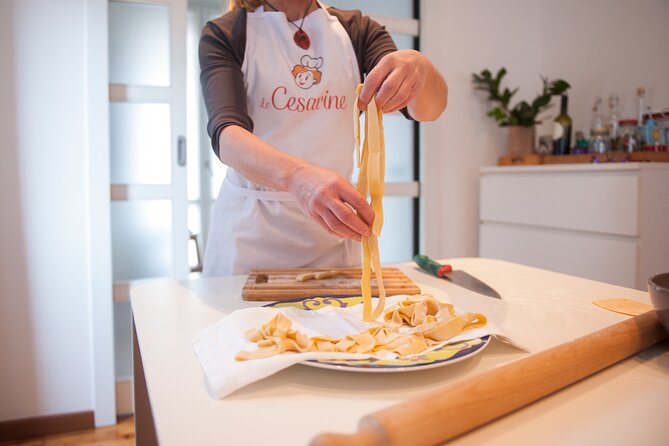
In Milan, you can find cooking classes that look great on paper and still feel a bit staged. This one is different because it happens in a local home with a Cesarine host. That changes the whole vibe. You’re not watching someone else work behind a counter. You’re in the kitchen area, learning from the person who actually cooks this way day to day.
I also like the structure: you get instruction for multiple dishes in one sitting. Many travelers come for pasta alone, but the tiramisù part is what turns the night into a full experience. And because it’s private, you’re not squeezed into a fast-moving group where you barely get questions answered.
You can also read our reviews of more cooking classes in Milan


What you’ll make: 2 pasta dishes and tiramisù (the whole mini-menu)
The core promise is simple: you’ll learn to cook two pasta dishes and tiramisù. That’s a lot for about 3 hours, which is exactly why this is a popular format. You’ll practice core pasta technique—working the dough, handling it properly, and shaping it—then you’ll switch gears for dessert.
While the exact pasta types can vary by home, the general flow is usually:
- one pasta that’s rolled/cut by hand
- one other pasta style that often involves more steps (for example, stuffing or careful shaping)
- tiramisù that you assemble into individual servings
Some hosts have highlighted fresh herbs from their own balcony or garden. Others have taught with an emphasis on small texture details, like how the dough behaves as it rests or how the pasta holds sauce. Even if your kitchen isn’t identical, those lessons travel well.
Your evening flow inside a Milan apartment kitchen
Even though every home is different, you should expect a clear rhythm that keeps you from standing around too much.
Welcome and setup
You’ll be welcomed by your Cesarine and guided through the basics before the flour starts flying. Since the class is private, you can usually ask practical questions early, like what to watch for while making dough or what mistakes are common at home.
Cooking time that actually includes you
Then comes the hands-on part. The experience is built around learning how to cook in the way a family would—method, timing, and small decisions. One nice thing in this format: you can focus on learning rather than coordinating with a big group.
You can also read our reviews of more tours and experiences in Milan




Dining time, not just tasting
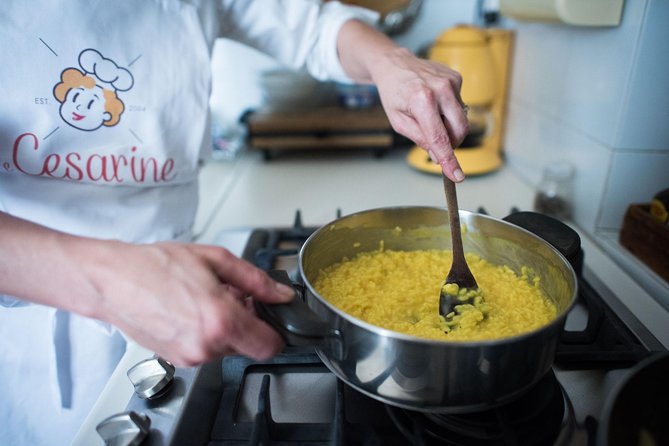
At the end, you eat what you make. Several hosts have served a multi-course feel (pasta first, then dessert) and some have added an aperitivo moment while food is working through. Think of it as a meal you help create, rather than a snack in between lessons.
Making pasta by hand: where technique matters

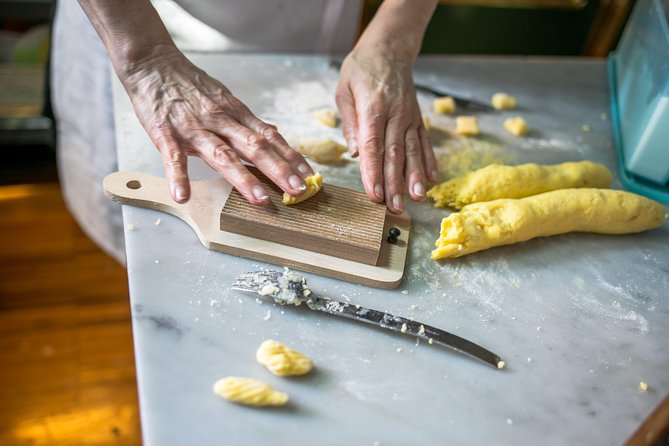
This class is particularly good if you want pasta results you can repeat. Hand-rolled pasta isn’t just about tradition. It’s about controlling thickness, texture, and how the dough cooks through.
Here’s what I’d pay attention to during the process:
- Dough consistency: how it feels before rolling and how it changes as you work.
- Handling and rest: what your host says about waiting between steps (this affects elasticity).
- Cutting and shaping: small differences in shape change how sauce clings.
- Sauce balance: even if your pasta is perfect, sauce is where it finishes.
Some Cesarine hosts are known for being extra clear about why you do certain things and what happens if you skip a step. That’s one of the most useful parts of this kind of teaching: you’re not memorizing a recipe. You’re learning the logic behind it.
And yes, it can be a little challenging. At least one person has mentioned hand-rolling pasta and then tackling a second, more delicate pasta format afterward. The good news: the private setting helps. You’re more likely to get corrected in real time instead of figuring it out on your own.
Tiramisu in a home setting: dessert that feels manageable
Tiramisu can seem fancy on menus, but at home it becomes much less intimidating once you’re assembling it with guidance. In this class, you’ll make tiramisù and typically portion it into individual servings, which keeps the dessert more structured and makes cleanup simpler.
What helps most in a home class is that your host can correct your technique as you go. Instead of getting a general “mix until smooth” instruction, you’re more likely to learn what the right texture looks like and what to do if yours is off.
Also, dessert is where you see the “family cooking secrets” side of the Cesarine experience. One host-style thread from these classes is how they share small tricks that make the final result taste more authentic and less like a rushed copy.
Aperitivo, wine, and the Milan social side (when offered)
A cooking class can be educational and still feel stiff. These evenings often lean social. Some hosts have served an aperitivo, and you may see things like wine, Prosecco, or even homemade limoncello and citrus liqueur from the host’s own home set-up.
Even if your specific evening doesn’t include extra drinks, the structure usually supports a relaxed pace. You’ll likely spend some waiting time between dishes, and that’s when conversations turn from food theory to real life in Milan: where someone shops for herbs, how they time pasta, what they cook when family visits.
If you care about alcohol being part of the experience, ask ahead when you book, since inclusion isn’t guaranteed in the basic description.
Families and kids: why this can work for a wide age range
This is a cooking class that is explicitly described as good for families with kids of all ages. That doesn’t mean it’s a chaos factory. It means the format is adaptable.
In a private class, you can usually adjust pacing. If you’re traveling with children, that matters. You can pause, explain in simpler terms, and keep everyone involved rather than losing the kids in a crowd. If you’re traveling as a couple or solo, it’s still a win: you get time with your host and can focus on mastering technique.
Health and safety rules you should expect
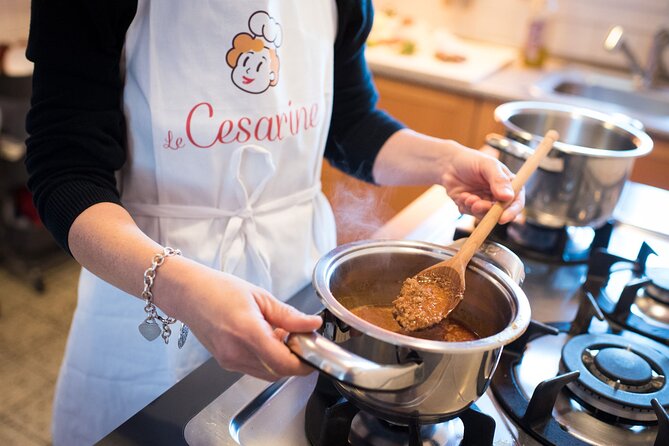
This experience includes clear sanitary guidance. Your Cesarine is described as attentive to sanitary rules, and homes provide basic supplies such as paper towels and hand sanitizing gel. The rules also reference maintaining 1 meter distance; if you can’t, masks and gloves may be required.
For practical planning, I’d treat this as a normal part of today’s travel: bring any personal items you like (like your own mask), but you should not feel unprepared because the home is set up with essentials for guests.
Price and value: is $174.99 per person worth it?
At $174.99 per person for about 3 hours, this isn’t a budget activity. But it can be good value if you want more than a quick tasting.
What you’re paying for:
- A private class rather than a shared, one-size-fits-all session
- Hands-on instruction for multiple dishes (not just one pasta)
- A meal built around what you cook
- An English-speaking Cesarine host
The key value question for you: do you want to learn techniques you can repeat at home? If yes, this kind of class is usually a better use of money than a guided food walk where you don’t practice anything. If you just want to eat Italian food once, you can find cheaper options—but you’ll miss the skills.
One practical note: this experience is often booked about 12 days in advance, so waiting can limit your preferred time.
Getting there: private-home reality check
Because this happens in private homes, finding the exact meeting point can be a little different than meeting at a landmark. The address may not be fully visible until after booking, and privacy reasons can mean you get guidance in the form of details sent closer to the date.
Here’s what I’d do to avoid stress:
- Confirm the exact meeting instructions right after booking.
- Save all host contact details in your phone.
- If you’re close to the time, give yourself extra buffer to locate the building.
This kind of class can still be smooth, but private apartments mean you’re relying on the precision of the meeting info.
Should you book this Milan pasta and tiramisù class?
Book it if:
- you want a hands-on Milan experience where you practice pasta and dessert
- you prefer small-group or private attention
- you’re the type who likes learning technique and making food you can repeat later
Skip or think twice if:
- you hate navigating to private addresses and prefer public meeting points
- you’re short on time and can’t dedicate a full 3-hour block
- you’d be very disappointed if your evening doesn’t include extra extras like homemade liqueur or aperitivo (those elements may vary by host and home)
If you’re flexible, come hungry, and treat it like a dinner with lessons built in, this is the kind of activity that tends to stick with you long after your trip ends.
FAQ
How long is the Cesarine pasta and tiramisù class?
It’s approximately 3 hours.
Is the class private or shared?
It’s private. Only your group will participate.
What dishes will I learn to cook?
You’ll learn to cook 2 pasta dishes and tiramisù.
Is the class offered in English?
Yes, it is offered in English.
Where does the class take place?
It happens in a local home in Milan, in a carefully selected residence near public transportation.
Are there different time options?
Yes, you can choose from two tour times.
What sanitary rules are used?
The host provides essentials like hand sanitizing gel and paper towels. The rules include maintaining 1 meter distance, and if you can’t, masks and gloves may be required.
If you want, tell me your travel dates and whether you’re cooking with kids or just adults, and I’ll suggest a smart way to schedule this dinner-class so it fits your Milan days.