REVIEW · MILAN
Sato Code Escape Room across Monza
Book on Viator →Operated by Sato Code · Bookable on Viator
Monza turns into your escape-room board. I like how Sato Code drops street clues into real shops and sidewalks, not a generic room, so your walk feels like part of the puzzle. I also love the team setup: each person uses a smartphone and only gets part of the information, which keeps everyone scanning and talking together.
The trade-off is that this is a puzzle hunt outside, so clues can be hard to spot or feel unclear if you miss a detail. It’s not a laid-back stroll, so go in ready to collaborate, keep your phones charged, and work at a steady pace.
In This Review
- Key things that make Sato Code across Monza work
- How Sato Code turns Monza into a clue trail (not a “room”)
- Piazza Carrobiolo start: where you set the tone for the whole game
- Clues in shops and streets: what you’ll actually be looking for
- The walk toward Piazza Trento e Trieste (and why it’s good sightseeing)
- Your team strategy: one phone per person, shared progress
- Phone-powered gameplay in English: real clues meet the app
- Difficulty and fitness: when outdoor puzzles are more than a casual game
- Price and value: $11.83 for a one-hour Monza brain workout
- What the reviews get right: puzzles that feel planned, not random
- The one big caution: clue clarity and story satisfaction can vary
- Who should book Sato Code (and who should skip it)
- Should you book Sato Code Escape Room across Monza?
- FAQ
- How long does Sato Code Escape Room across Monza take?
- Where do we meet for the game?
- Is the game available in English?
- Do we need smartphones for Sato Code?
- Is internet required during the game?
- What age is it suitable for?
- Can I cancel for free?
Key things that make Sato Code across Monza work
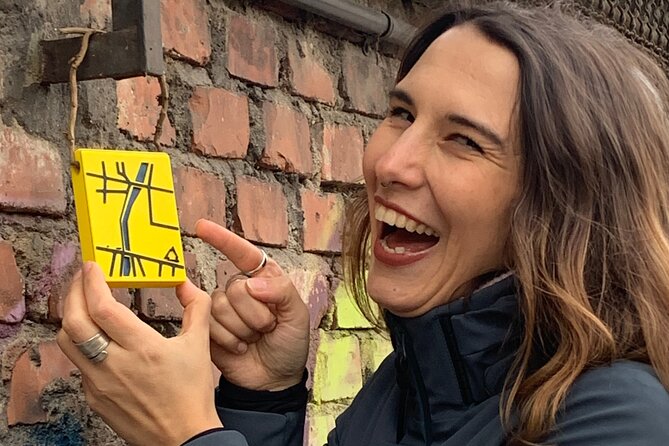
- Outdoor clues across Monza’s center: you solve puzzles while walking between key squares and shopfronts.
- One smartphone per person, plus internet: every phone needs data, so bring a hotspot plan.
- Real-world finds that feed the app: you may discover codes or symbols in places around town.
- Difficulty that ramps up: challenges get tougher as the story progresses.
- Built for teens and adults (16+): the puzzles are described as too difficult for younger kids if unaccompanied.
- Short, focused format: about 1 hour, starting at Piazza Carrobiolo and ending back there.
How Sato Code turns Monza into a clue trail (not a “room”)
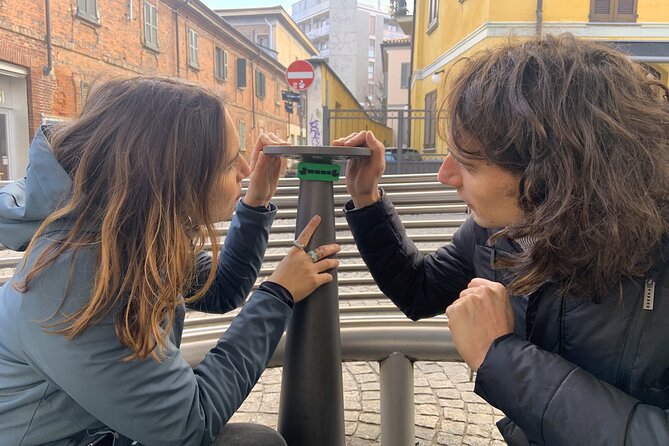
Sato Code is an escape-style game that plays out through Monza’s city center. Instead of one indoor chamber, you’re hunting for clues placed along streets and inside participating spots, then cracking codes and solving puzzles step by step. The big idea is simple: every object you notice is usually connected to the next move.
What makes this feel different is the structure of the team game. This isn’t “one person thinks and everyone else watches.” The format is designed so each teammate receives only part of the information needed to keep going. In practice, that means you’ll talk a lot, compare what each phone shows, and make decisions together.
And since you’re outside, you don’t just “do puzzles” while standing still. You’re moving through real streets and storefronts. If you like active sightseeing, this scratches that itch. If you’re hoping for a fully scripted, sit-down theatrical experience, you may find it more puzzle-driven than story-driven.
You can also read our reviews of more tours and experiences in Milan.



Piazza Carrobiolo start: where you set the tone for the whole game

The meeting point is Piazza Carrobiolo (20900 Monza MB, Italy). The game starts there and ends back at the same place, so you can treat it like a loop through the center: start, solve, walk, finish where you began.
Before you even move, your setup matters. Tickets are sent by SMS, and you’ll want your phone ready from the first minute. You also should come with charged smartphones, because this game relies on your devices during the hunt.
Wear comfortable shoes. You’re doing about an hour of walking while thinking, and the route takes you through the central area. If you’re in slick shoes or brand-new sandals, you’ll feel it in your feet before your brain is done.
Clues in shops and streets: what you’ll actually be looking for
Sato Code uses everyday places as puzzle locations. The game description and feedback point to clues you might find in spots like a record store or a message in a pizzeria. You’re not just reading; you’re searching for hidden symbols, cryptic messages, and code elements that fit into the app.
The challenges get increasingly more difficult. That matters because it changes how you should approach the game. Early on, be systematic. Late in the game, you’ll need less wandering and more testing the right interpretation. If your team tends to rush, you might hit a wall when puzzles tighten up.
One practical note: some clues may not be placed in the most obvious spots. That’s part of the game design, according to the provider’s response. So if you miss something because you’re expecting it to scream its importance, you’ll lose time. The upside is that when you do spot the right detail, it feels like a real win.
The walk toward Piazza Trento e Trieste (and why it’s good sightseeing)
The route runs through Monza’s city center, beginning at Piazza Carrobiolo and heading toward Piazza Trento e Trieste. Along the way, you pass Monza’s iconic landmarks, but you also have a chance to notice smaller corners that many casual visitors skip.
This is where the experience earns its keep. For about an hour, you’re not just “in Monza.” You’re moving through it with purpose. You’ll likely spot architectural details and shopfront textures because you’re actively looking for clues in those exact environments.
There’s also a pacing benefit. Escape rooms can feel intense because everything is indoors and timed by your roommate’s impatience. Here, your movement helps reset your focus. Take a breath at each clue. Split tasks quickly. Then regroup and keep walking.
Your team strategy: one phone per person, shared progress
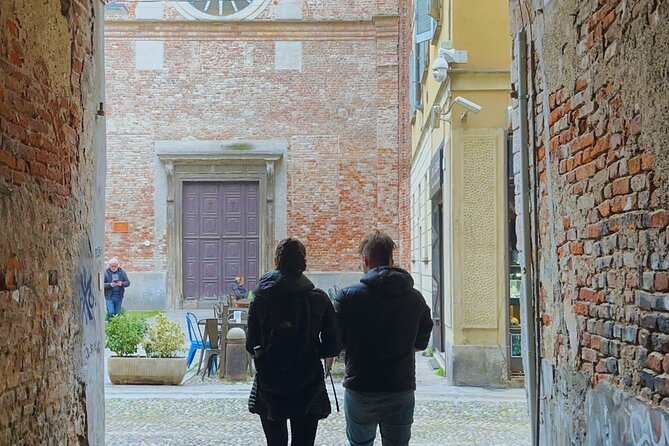
You need at least two participants, and each person needs a smartphone. The game is designed as a true team activity, and the “partial information” concept is central: each teammate is given a piece of what you need to continue.
That means your success depends on communication, not just brains. A good team doesn’t just solve. You also coordinate:
- Who is checking what the app shows?
- Who is scanning the physical location?
- Who is entering codes once you have them?
You’ll also want everyone to stay engaged. If one person drifts into “observer mode,” you’ll feel the penalty quickly. The app-based portion expects teamwork, and puzzles build on the progress you make as a group.
Also, the game depends on internet access on every phone. If only one phone has a connection, you should use your hotspot. This is one of those practical details that can make or break the experience. Make the decision early, before you start walking too far from the meeting point.



Phone-powered gameplay in English: real clues meet the app

The game is offered in English. That’s a big deal if you’re visiting from abroad, because you won’t be guessing the meaning of hints. You’ll still need logic and attention, but at least you can focus on puzzle-solving rather than translation.
Another key feature is the link between the real world and the app. The provider’s response mentions interaction between real codes and the virtual component—like finding codes in physical locations that you then enter into the app. So your phone isn’t just for reading. It’s part of the puzzle system.
Expect the game to feel like a hybrid of street scavenger hunt and escape room. You’re solving what you find physically, then confirming progress digitally. That rhythm is also why the experience works best with a team that can handle both scanning and typing without frustration.
Difficulty and fitness: when outdoor puzzles are more than a casual game
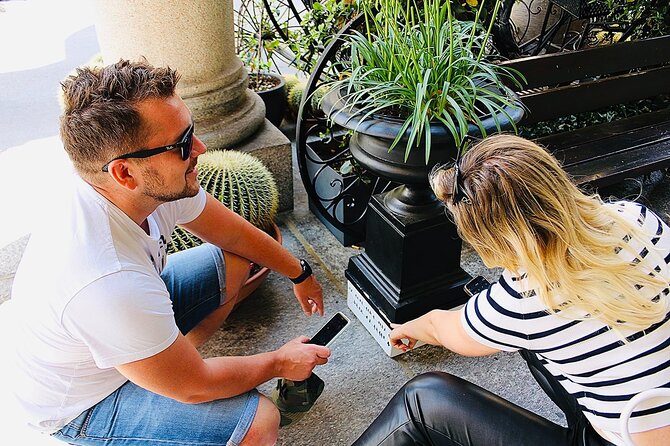
Sato Code isn’t marketed as something for little kids to wander through. Active participation is recommended from age 16. It’s also explicitly not recommended for children under 16 if they’re unaccompanied, because the puzzles could be too difficult.
This doesn’t mean the experience is hostile. It means the puzzle thinking is real. You’ll need focus, patience, and enough problem-solving stamina to deal with rising complexity as you go.
There’s also a moderate physical fitness level requirement. You’re walking in the city center for roughly an hour. It’s not described as extreme hiking, but it’s not a “sit and think” challenge either. Comfortable shoes aren’t optional—they’re your best friend.
Finally, it’s a private tour/activity. Only your group participates, so you’re not competing with strangers for clues in the same stretch of sidewalk.
Price and value: $11.83 for a one-hour Monza brain workout

At $11.83 per person for about one hour, the price lands in the “good value for active fun” category. You’re paying for several things at once: a timed puzzle arc, a route through Monza’s center, and the convenience of a guided game structure (even though it’s played independently on your phone).
What makes it feel worth it is that you’re not paying for a single room experience. You’re also paying for movement and exploration that overlaps with sightseeing. In other words, you’re more likely to remember Monza afterward, not just the puzzle sequence.
If you’re visiting Milan and want something near the city center without committing to a full-day excursion, this can be a strong choice. It’s short enough to fit into an afternoon plan. It’s also cheap enough that a team can try it without feeling like they’re gambling their whole day.
What the reviews get right: puzzles that feel planned, not random
The highest praise centers on the puzzle quality and the feeling of discovery. People highlight a strong sense of story and smartly thought-out challenges that lead you to Monza corners you might not otherwise notice. One review described it as the best city escape they’d tried, with well-thought-out puzzles and detailed interaction between environment and game.
Other feedback notes the game helped them observe city details they hadn’t noticed before, and that it can be a pleasant afternoon option—especially when you go in with the right expectations. There’s also mention of birthday fun, which fits the team-energy style of the game.
So if you like brainy play with a walk attached, you’ll probably enjoy the payoff: each step makes you look harder, then rewards you with progress.
The one big caution: clue clarity and story satisfaction can vary
Not every experience lands the same way. One review criticized the game for unclear clues and described following them without them being usable, plus feeling that the plot wasn’t very exciting and that the interaction wasn’t as strong as expected.
This is the main consideration you should take seriously. Outdoor clue hunts can be sensitive to small changes—lighting, placement, and wear-and-tear. Even if the game is designed well, a clue that’s slightly off from where you expect it can slow you down. If your team hates ambiguity or wants a very literal walkthrough, you might feel annoyed.
The provider responded to that criticism by explaining that some hints aren’t in plain view because finding them is part of the game. They also emphasize that this open-air format includes a true team role where each person gets only part of the information, plus real-world and virtual interactions.
My practical takeaway: treat it like a puzzle scavenger hunt first, story second. If you stay flexible and ask each other what you’re seeing, you’ll recover quickly when something isn’t instantly obvious.
Who should book Sato Code (and who should skip it)
Sato Code fits best if you:
- want an active escape-room style experience in Monza
- enjoy teamwork and shared decision-making
- can handle phone-based puzzles and a bit of walking
- have at least two people who are ready to collaborate
It’s also a nice option for celebrations like birthdays, because it has that shared “we did it together” energy. The private group format helps keep the mood on your team rather than mixed with strangers.
You might skip it if you:
- want a fully guided, scripted tour with lots of speaking
- dislike puzzles that require careful searching
- are bringing kids who are under 16 and not prepared for tough challenges
- don’t have reliable internet on your phones
If your group is comfortable with “figure it out together,” this game style can be a fun way to see Monza on your schedule.
Should you book Sato Code Escape Room across Monza?
I’d book Sato Code if you want a one-hour, street-level puzzle game that doubles as a way to walk Monza’s center. The price is reasonable, the team structure pushes communication, and the real-world-to-app design gives the game a hands-on feel.
I’d think twice if your group expects very clear, obvious clues at every step or if you’re not ready for phone-and-internet dependence. Outdoor puzzle games live or die on attention. If you go in with charged phones, comfortable shoes, and a calm team attitude, you’ll have a much smoother time.
FAQ
How long does Sato Code Escape Room across Monza take?
It lasts about 1 hour.
Where do we meet for the game?
You start at Piazza Carrobiolo, 20900 Monza MB, Italy, and the activity ends back at the meeting point.
Is the game available in English?
Yes, it is offered in English.
Do we need smartphones for Sato Code?
Yes. There is a minimum of 2 participants, and you need one smartphone per person.
Is internet required during the game?
Yes. Internet is required on every phone. If only one phone has connection, you can use your hotspot.
What age is it suitable for?
Active participation is recommended from age 16, and it is not recommended for children under 16 unaccompanied because the puzzles may be too difficult.
Can I cancel for free?
Yes. Free cancellation is available. You can cancel up to 24 hours in advance for a full refund.