REVIEW · MILAN
Milano Walking Tour with Audio and Written Guide by a Local
Book on Viator →Operated by Walking Cap · Bookable on Viator
Milan in one smart walking loop. I like that this experience strings together the city’s biggest hits and a few truly strange stops, using a local audio guide plus a digital written guide you follow at your pace. You get a clear route from Castello Sforzesco to Piazza della Scala, with monument notes, history, and practical ideas for what to do next.
What I like even more is the bonus stuff: restaurant guidance for authentic local meals, along with tips and personal anecdotes you can actually use while you’re walking. One thing to plan for, though: access can be the snag. The Duomo ticket isn’t included, and the Last Supper generally requires booking about a week in advance.
Key points to know before you go
- Audio + text, multiple languages so you can switch between listening and reading
- Most stops are admission-free, which makes your money go further
- Duomo takes about 1.5 hours, so plan energy for the big finish
- Smart local food tips help you eat well right after the walk
- Small-group cap (max 99) and a route designed to keep you moving
In This Review
- The value of a self-paced Milano route with audio at your side
- Start at Castello Sforzesco: the fortress that frames the day
- Santa Maria delle Grazie and Leonardo’s Last Supper: plan access early
- Basilica di Sant’Ambrogio: Romanesque calm in the middle of the city
- San Maurizio al Monastero Maggiore: the “Sistine Chapel of Milan”
- Duomo di Milano: the big ticket moment (and why the time matters)
- Santuario di San Bernardino alle Ossa: strange on purpose
- Galleria Vittorio Emanuele II: old-school shopping, still in use
- Piazza della Scala: end your walk where the city performs
- Price, timing, and group size: what the numbers really mean
- Support that answers, not just auto-sends
- Should you book this Milano walking guide?
- FAQ
- How much does the Milano walking tour cost?
- How long is the tour?
- Is it a live guided tour, or do I use the guide on my phone?
- What languages are available?
- Do I need internet on my smartphone?
- Is the Duomo ticket included in the price?
- Do I need tickets for the Last Supper?
- Where does the tour start and end?
- Can I get a refund if my plans change?
- How large is the group?
The value of a self-paced Milano route with audio at your side
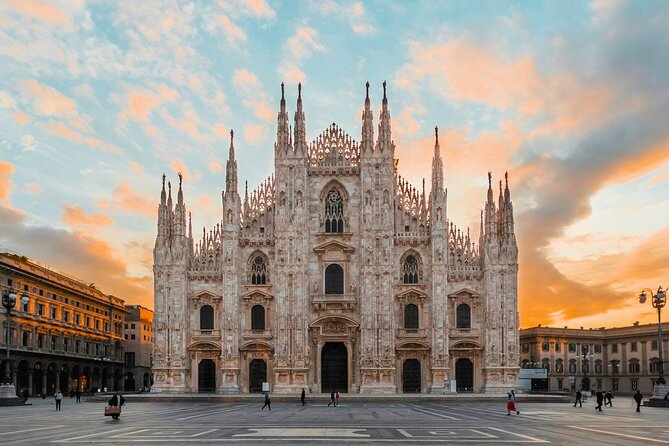
This isn’t a “stand still and listen forever” tour. The point is motion: you walk a classic east-to-west loop, then pause where it matters—using audio and a digital written guide that runs on your smartphone.
For the price—about $7.83 per person—the value is mostly in what’s included: guided explanations, text you can skim, and practical suggestions for where to eat. The sightseeing list is strong enough that you could build a full one-day plan around it, especially if you’d rather not hunt for details on your phone while you’re staring at stone.
A big plus for planning: it’s offered in English (and also includes Spanish, Italian, German, and French). If you want to speed up or slow down, the guide format supports that. You can hear the audio through your phone speakers or headphones, then read the written parts when you want to stop and look closer.
One practical reality: you’ll need a smartphone with an internet connection to use the guide. If your data plan is limited, have an offline plan ready before you arrive.
Start at Castello Sforzesco: the fortress that frames the day
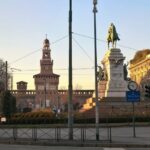
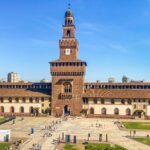
You begin at Piazza Castello, right by Castello Sforzesco. It sets the tone immediately. This is one of Milan’s defining historical landmarks, tied to major changes over centuries—periods of construction, destruction, and renovation. The guide helps you understand it as more than a pretty backdrop for photos.
Your time here is about 25 minutes. That’s enough to get oriented, grasp why the castle matters, and then move on without turning this into a museum day. If you’re the type who likes to know what you’re looking at—why a structure is shaped the way it is, or what it meant politically—you’ll appreciate the historical notes baked into the audio.
The only drawback at this stage is also a general one for Milan: if you arrive late, you can feel rushed. A castle stop works best when you use the time to get your bearings.
You can also read our reviews of more walking tours in Milan
Santa Maria delle Grazie and Leonardo’s Last Supper: plan access early

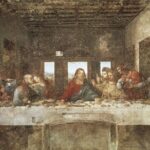
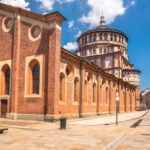
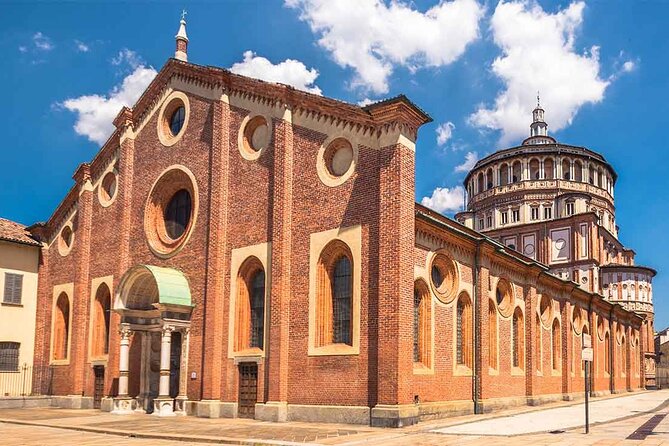
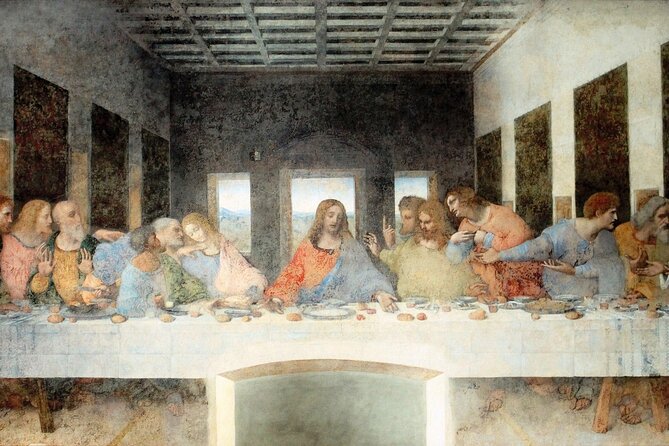
Next comes Santa Maria delle Grazie, known for its Gothic-Renaissance style and its association with Leonardo da Vinci. The headline here is the refectory, where the Last Supper lives—one of the most famous artworks in the world.
You’re allotted about 25 minutes, and here’s the big practical warning: to see the Last Supper, you need to book about a week in advance. The guide can set you up with context, but it can’t replace the advance access requirement.
So how do you use this stop well?
- If you already have tickets for the Last Supper, this is your moment to understand what you’re seeing before you walk in.
- If you don’t, treat the church stop as the next-best learning opportunity—still worth it for the building’s style and Leonardo connection, but don’t structure your day around a guaranteed viewing.
If you hate logistics, schedule extra buffer time around this area. Milan rewards early planning here.
Basilica di Sant’Ambrogio: Romanesque calm in the middle of the city
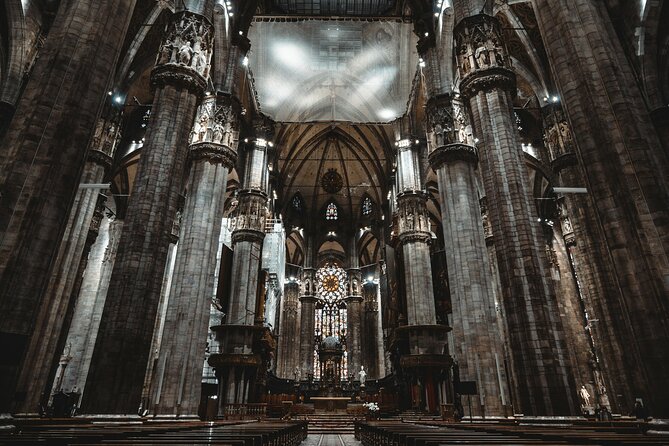
Basilica di Sant’Ambrogio is a very different mood. This is a church dedicated to a revered saint, and it’s recognized as an important example of Romanesque architecture. The guide’s notes are helpful because Romanesque can look “simple” if you’re only skimming. With audio cues, you start spotting the style cues that make this era feel distinct.
Your time is again about 25 minutes. That’s a good length for a church stop: long enough to look around thoughtfully, short enough that you don’t lose the momentum of the walk.
A small consideration: if you’re expecting nonstop wow-factor at every stop, this one is more about atmosphere and architecture than spectacle. That said, it’s a perfect reset between major landmarks.
San Maurizio al Monastero Maggiore: the “Sistine Chapel of Milan”
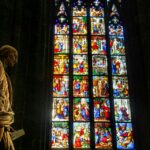
Then you’ll reach Chiesa di San Maurizio al Monastero Maggiore, often nicknamed the Sistine Chapel of Milan because of its decorated interiors. The key detail from the guide’s description is that the decoration cycle was influenced by the Leonardo school.
Your stop is about 20 minutes. That length is right for a richly decorated church where the temptation is to stare for an hour. With an audio guide, you can focus on the most meaningful sections first, rather than getting lost in every surface at once.
If you’re easily overwhelmed by ornament, keep your approach practical: take 10 minutes to orient, then spend the rest on the areas your guide points out.
Duomo di Milano: the big ticket moment (and why the time matters)
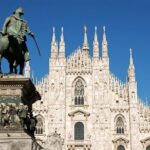
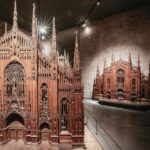
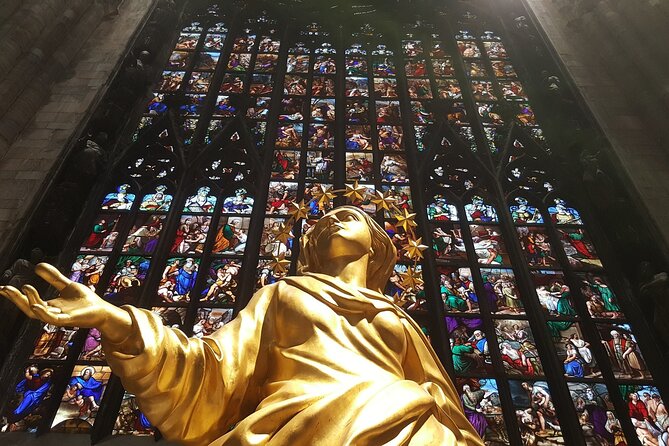
Now you hit Duomo di Milano, the city’s timeless symbol. You’ll spend about 1 hour 30 minutes here, and the guide prepares you with the story of how it was built—starting in 1386 under Gian Galeazzo Visconti, then shaped over five centuries with modifications and modernizations along the way.
Two important notes for your planning:
- Duomo admission isn’t included (the ticket price range is listed from €6 to €30).
- The Duomo is big enough that 90 minutes can feel short if you try to do everything.
So I recommend treating this slot as a “choose your priorities” block. The guide is useful because it helps you decide what to focus on first, so you don’t end up wandering while the day slips away.
If you’re on a tight schedule, this is where investing time pays off. The Duomo works best when you pause and look for details rather than trying to “complete” it.
You can also read our reviews of more guided tours in Milan
Santuario di San Bernardino alle Ossa: strange on purpose
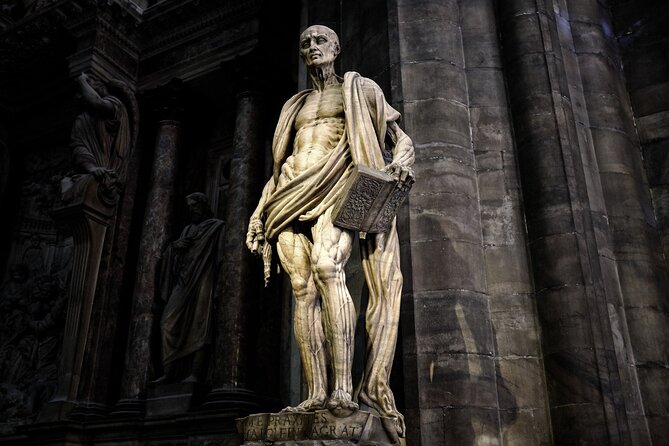
After the Duomo’s grandeur, Santuario di San Bernardino alle Ossa gives you a jolt. It’s described as one of the strangest churches you’ll see in Milan, and the note to take seriously is this: it’s worth it only if you’re not too impressionable.
This stop is short—about 20 minutes—and that’s ideal. You can see what makes it unusual without letting it dominate your entire day.
If you’re squeamish, you can still use the guide’s notes to appreciate the historic context from a distance, then move on quickly. If you’re curious, this is the kind of stop that turns a “great monuments only” day into something more memorable.
Galleria Vittorio Emanuele II: old-school shopping, still in use
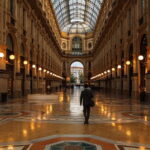
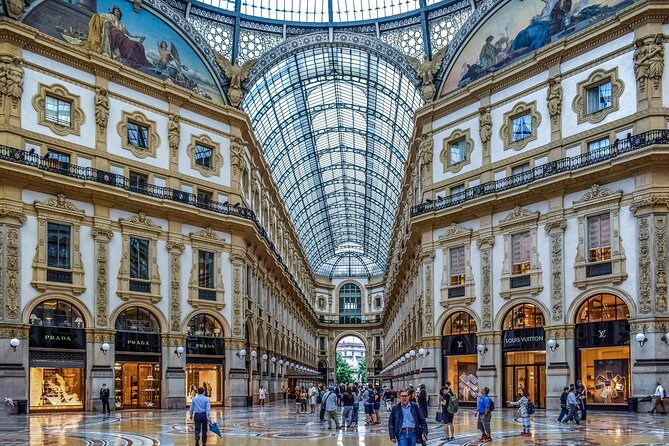
Then the route glides into Galleria Vittorio Emanuele II. This is more than a shopping corridor. It’s a pedestrian passage linking Piazza del Duomo to Piazza della Scala, and it’s described as the oldest active shopping gallery in Italy.
You’ll have about 15 minutes here. Use it to reset before the finale: grab a drink if you need it, enjoy the covered architecture, and let the walking pace relax for a moment. The guide doesn’t just say where you are—it helps you interpret why this corridor is historically important.
One practical tip: this area can be busy. If you want photos without constant obstruction, time your shots slightly off the crowd peak.
Piazza della Scala: end your walk where the city performs
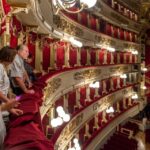
Your tour finishes at Piazza della Scala—about 15 minutes for your final stretch. The square is connected to the theater through the Galleria, and it was created to add a welcoming public space around La Scala.
Even if you’re not going to a performance, this ending makes sense: you’re moving from churches and monuments into the living, public heart of Milan. It also places you close to where you’ll likely want dinner afterward.
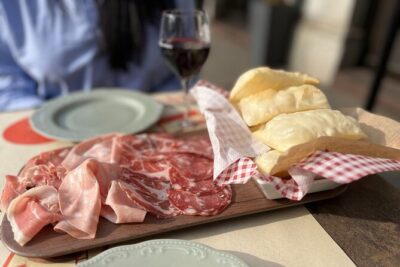
And that’s where the included advice matters. The experience includes best tips for local restaurants with authentic food, timed perfectly for when you’re hungry but still want a smart choice instead of a tourist-menu gamble.
Price, timing, and group size: what the numbers really mean
At $7.83, this is a low-cost way to string together major sights with explanation and food ideas. The catch is that not every monument is financially included in the same way.
- Most stops are listed as admission free, which keeps your core costs down.
- Duomo costs extra, and you’ll want to factor that into your budget.
- The Last Supper depends on advance booking timing.
Duration is about 4 to 5 hours, which is realistic if you pace yourself and use the guide cues rather than stopping to read everything for 10 minutes at each site. Milan walking days can stretch fast, so set a mental target of steady movement.
Finally, the experience is capped at a maximum of 99 travelers. Because this is audio and digital-led, you’ll typically feel less “herded” than with a traditional group tour. Still, you’ll want to be ready for crowds at famous stops, especially near the Duomo area.
Support that answers, not just auto-sends
One small thing that matters: when something goes wrong, you want fast help. The included experience support has shown responsiveness in communication. If you run into issues accessing the digital guide (usually a smartphone or login/voucher problem), you’re not stuck wandering in frustration.
That’s a real value-add for a self-guided experience, where the “tourist failure points” are often technical rather than cultural.
Should you book this Milano walking guide?
I’d book this if you:
- want a one-day structure that covers the big names plus a couple of memorable curveballs
- like learning as you walk, using audio and readable notes
- want practical restaurant recommendations right after sightseeing
- prefer self-paced freedom more than constant guiding from a person
I might skip it (or at least plan differently) if you:
- don’t want to rely on a smartphone with internet access
- haven’t booked ahead for the Last Supper and expected it as a guaranteed viewing
- are trying to keep every euro locked down, since Duomo ticket costs extra
If you want Milan without the stress of figuring everything out on the spot, this is a solid value. Just treat access planning as part of the experience, and you’ll get a smoother day.
FAQ
How much does the Milano walking tour cost?
It costs $7.83 per person.
How long is the tour?
It runs about 4 to 5 hours.
Is it a live guided tour, or do I use the guide on my phone?
You use the digital written guide plus the audio guide (with instructions provided in your voucher). You listen through your phone speakers or headphones and follow the route yourself.
What languages are available?
The audio and text are available in English, Spanish, Italian, German, and French.
Do I need internet on my smartphone?
Yes. You need a smartphone with an internet connection to use the digital guide. The details to activate it are in your voucher.
Is the Duomo ticket included in the price?
No. A Duomo ticket is not included, and it’s listed as typically from €6 to €30.
Do I need tickets for the Last Supper?
To see the Last Supper, you need to book about a week in advance.
Where does the tour start and end?
It starts at Castello Sforzesco, Piazza Castello, and ends at Piazza della Scala.
Can I get a refund if my plans change?
Yes. You can cancel for a full refund up to 24 hours in advance.
How large is the group?
This experience has a maximum of 99 travelers.