REVIEW · MILAN
Milan Wine and Food Tasting Experience
Book on Viator →Operated by Citywalkers · Bookable on Viator
Wine, food, and a teacher at your side. This Milan tasting is a fun, focused four-wine introduction to Italy’s flavors, led by an expert sommelier (often Beppe or Leonardo). You’ll get clear guidance on what you’re tasting and why each pour works with its pairing, right in the comfort of a wine shop.
I especially love the pairings: each bite is chosen to make the wine taste better, not just to “feed you.” I also love that the pace stays friendly for first-timers; you’ll learn practical tricks like how to interpret wine dryness and how to read a bottle label. One consideration: it’s not set up like a walking tour with lots of neighborhood stops.
In This Review
- Key Things to Know Before You Go
- Two Hours in Milan: Why This Tasting Makes Sense
- Where the Evening Happens: Inside a Cozy Wine Shop Setup
- The Sommelier Part: What You Really Gain (Not Just Wine Swag)
- What You Taste: Four Wines, Four Stories, Four Glasses
- Finger Food Pairings: The Hidden Skill You’ll Learn
- The Surprise Finale: Dessert or a Premium Spirit
- Buying What You Love: Bringing Milan Flavors Home
- Savor Milan vs. Gourmet Italian Platter: Extra Food Options
- Value in the Real World: What You’re Actually Paying For
- Who This Works Best For
- Should You Book This Milan Wine and Food Tasting?
- FAQ
- How long is the Milan Wine and Food Tasting Experience?
- Is it offered in English?
- How many people are in the group?
- What’s included in the wine tasting option?
- Is dessert included?
- Are there lunch or brunch-style alternatives?
- Are service animals allowed?
Key Things to Know Before You Go
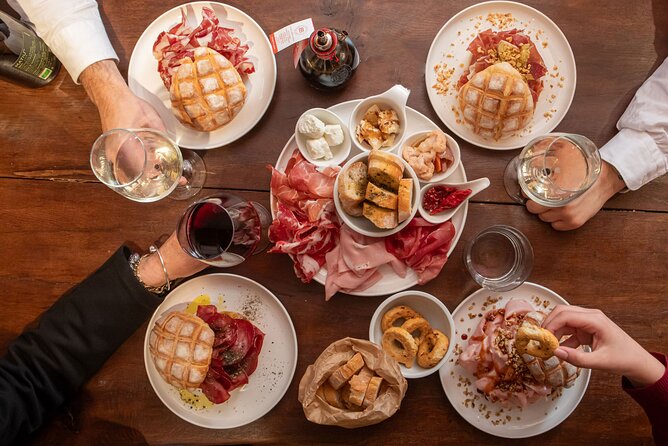
- Four wines and four paired finger foods in about two hours
- Sommelier-led explanations in English, with names like Beppe and Leonardo showing up often
- A surprise finale that’s either dessert or a premium spirit
- Small group size (max 14) for a more conversational feel
- You may practice wine basics, like reading a bottle label and understanding dryness
- Food accommodations have been reported, including vegan and veggie needs
Two Hours in Milan: Why This Tasting Makes Sense
Milan can be a lot—museums, fashion streets, big churches, and the constant “where should I eat?” question. This experience gives you a simple answer: spend a couple hours doing something social and delicious, with zero guesswork. You show up, taste wine, eat well-matched bites, and leave with a few real takeaways you can use next time you’re at a shop.
This is also one of the better formats if you don’t want a long evening commitment. The duration is about 2 hours, and it’s offered in English, which keeps the experience smooth if your Italian is still warming up.
The setting matters too. A lot of the best wine tastings feel like a performance; this one stays practical. You’re not just watching. You’re learning how to think about flavor.
You can also read our reviews of more food & drink experiences in Milan


Where the Evening Happens: Inside a Cozy Wine Shop Setup
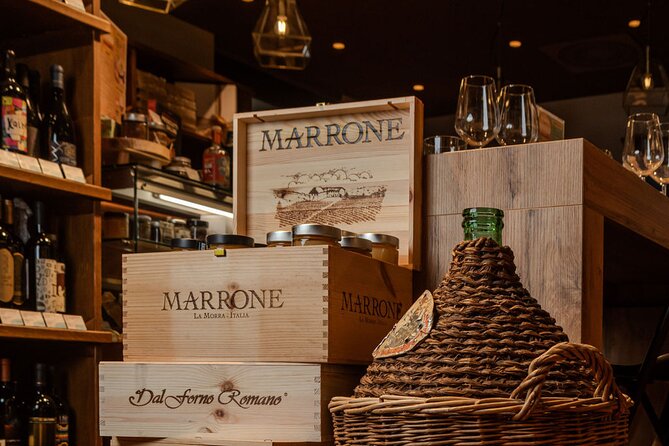
Instead of hopping between multiple landmarks, you’ll spend the tasting inside a wine and food shop environment. That’s great on a rainy Milan day, and it also keeps your energy for tasting instead of commuting.
Many experiences like this are designed for a small crowd, and here the cap is 14 people. That size is big enough to make the evening lively, but small enough that your sommelier can actually guide the group and answer questions.
You’ll also use a mobile ticket, and you’ll find the location is near public transportation, so you’re not stuck planning around a complicated route. If you’re traveling with a service animal, that’s allowed here.
One more practical note: some people expect this to work like a walking tour with stops. It doesn’t. Plan for an evening that feels like a tasting session, not a wandering itinerary.
The Sommelier Part: What You Really Gain (Not Just Wine Swag)
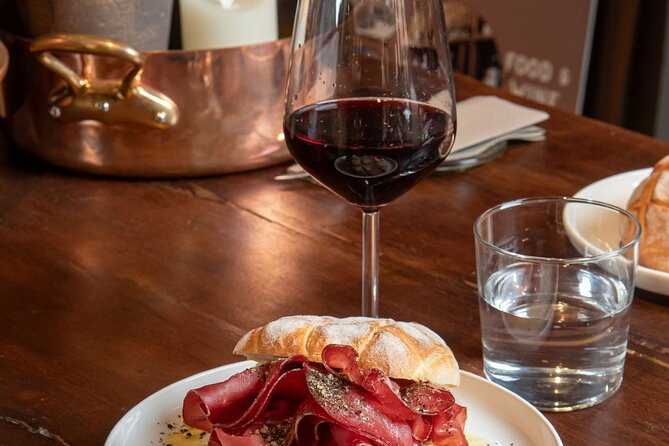
The biggest reason I like this type of tasting is the person running it. Here, you get an expert sommelier, and from the names showing up—Beppe and Leonardo—you can tell this is meant to be a friendly lesson, not a stiff lecture.
In my book, the best wine teaching does two things:
- It helps you taste with more confidence.
- It gives you language you can use again later.
This experience leans into the second part. You’ll learn how to interpret dryness levels in Italian wines, and you’ll get tips that help you understand what you’re looking at on the bottle. One useful example from the experience: learning how to read the label to understand when the wine should be consumed. That’s the kind of practical detail you can use long after you get home.
And if you’re a total beginner, the tone seems to stay welcoming. People often mention how clear the explanations are, especially for first-timers. You won’t feel like you need a wine degree.
What You Taste: Four Wines, Four Stories, Four Glasses
The wine portion is built around four wines with a four-glass component included in the wine tasting option. Each wine comes with its own tasting moment and a paired finger food. The goal is simple: help you connect aroma and flavor to the food that’s sitting on your plate.
Even if you’re not chasing a specific type of wine, you’ll likely notice variety. Italian tastings like this commonly move through different styles so you can compare how the same “Italy” umbrella tastes in different forms. The point isn’t to memorize labels. It’s to learn patterns: how acidity feels, how dryness changes the finish, and how food can shift what you think you’re tasting.
One thing I appreciate: you’re not forced into speed. A guided tasting lets you pause, smell, sip, and reset. That matters because wine tasting can feel “samey” when you’re rushed. Here, the format is structured enough to keep you engaged.
Also, take note of a small inconsistency you might encounter. Some sessions may describe three wines in practice, while the overall structure is four. Don’t panic if the lineup feels slightly different on the day. What matters is that you’ll get multiple pours with matching bites and the full guided flow.
Finger Food Pairings: The Hidden Skill You’ll Learn
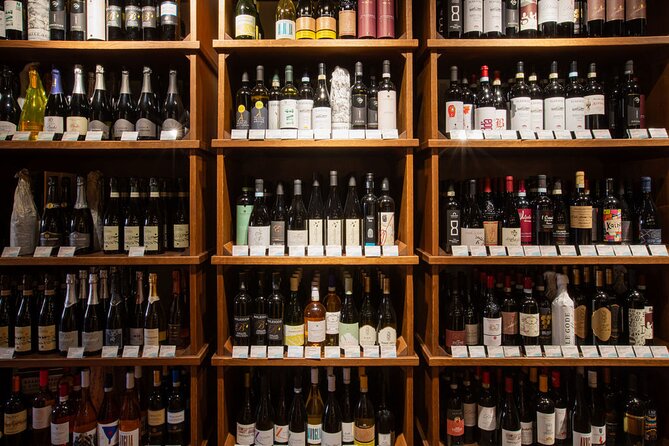
The snacks aren’t filler. They’re part of the lesson. You’ll get gourmet finger food paired with each wine, designed so the bite and sip support each other instead of clashing.
This is where a tasting becomes worth more than “drinking time.” When pairings are done well, you start noticing how:
- saltiness can make fruit flavors pop,
- fat and aged cheese can round out sharper notes,
- cured meats can add savory depth that makes the wine feel more complete.
From what’s been served in past tastings, you might encounter combinations like marinated vegetables (including asparagus and mushrooms), prosciutto, and aged cheese. Some experiences also include items like tuna or tiny artichokes, depending on what’s available and how the shop builds its pairing plan.
Portions tend to be just right—enough to taste each pairing clearly, not enough to ruin your appetite for dinner nearby. That balance is smart for anyone trying to plan a full day in Milan.
You can also read our reviews of more tours and experiences in Milan




The Surprise Finale: Dessert or a Premium Spirit
This tasting ends with a surprise—either dessert or a premium spirit. That’s one of those touches that makes the evening feel like an event, not just a standard menu.
In some versions of the finale, you may get something sweet like cookies with hazelnut spread. In other versions, you might get digestives such as grappa or even a rum selection. Either way, the point is the same: finish on a note that feels Italian and memorable.
I like this part because it changes the pace. The early part is learning and comparing. The end part is celebratory—something to savor, ask about, and discuss while the evening wraps up.
Buying What You Love: Bringing Milan Flavors Home
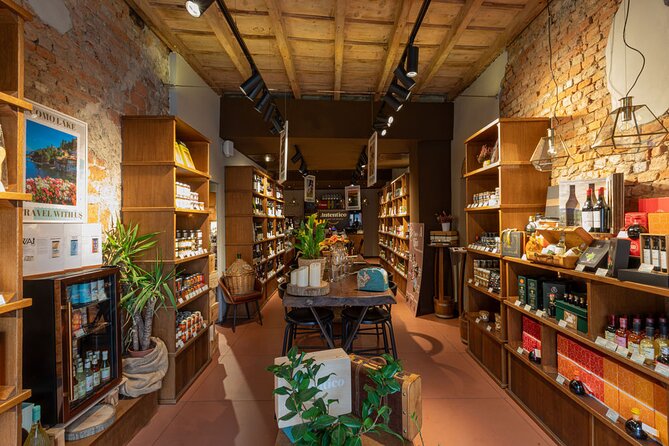
If you want a souvenir that isn’t a magnet, this shop setup can help. The wine and food shop environment often sells products you can take away. Some past experiences mention seeing items for purchase like truffle flakes and other flavors suited for home cooking.
That’s useful if you’re thinking, I liked that pairing. How do I recreate it? Truffle seasonings, specialty spreads, and small Italian pantry items are exactly the kind of take-home that work in real kitchens, not just Instagram flat lays.
Even if you don’t plan to buy anything, browsing is still part of the fun. You’ll leave with a better sense of what to look for when you’re shopping later.
Savor Milan vs. Gourmet Italian Platter: Extra Food Options
Not every evening needs to be wine-only. This experience includes other options that add a more food-forward angle, such as:
- Premium panini, dessert, and water (included in the Savor Milan option)
- Cured meats, fine cheeses, delicacies, and water (included in the Gourmet Italian Platter option)
Think of these as ways to match your day. If you’ve already had your wine tonight, you can still enjoy an Italian-style spread and dessert without going through the full four-wine flow.
It can also be a good choice if your group has mixed interests—some people want wine, others want food. You don’t have to force the whole crew into the same preference.
If you do choose one of these food options, you still get the same basic benefit: you’re eating Italian items selected for flavor, not random cafeteria convenience.
Value in the Real World: What You’re Actually Paying For
There’s no price listed here, so I’ll judge value by what you receive. You’re getting:
- multiple alcoholic pours in the wine tasting option (four glasses are included),
- gourmet finger foods designed as pairings,
- a sommelier leading the session,
- and a final dessert or premium spirit included.
That combination matters because tastings can fall apart in one of two ways: either the food is generic or the education is vague. Here, the structure is built to avoid that. The pairings are part of the design, and the teaching is hands-on—explaining dryness, bottle label basics, and what to listen for when you sip.
Also, with a maximum of 14 people, your evening doesn’t feel like you’re in a cattle line. That small-group feel is a quiet value booster. It makes it easier to ask questions and get straight answers.
One more practical point: this is non-refundable and can’t be changed. If your schedule is tight or you’re worried about delays, double-check dates before booking.
Who This Works Best For
This experience is a strong match if you:
- want a short, high-reward activity that isn’t a full half-day commitment,
- like the idea of learning wine basics without getting talked down to,
- want a social evening with structured pacing,
- and enjoy Italian flavors like cured meats, aged cheese, and seasonal bites.
It’s especially good for rainy-day plans or for travelers who want something “different” from museums. If you prefer one-location activities where you can actually sit and taste, this fits well.
If you’re the kind of person who only likes wine you already know, you might still enjoy this because the sommelier explanations help you translate what’s in the glass into what you like.
Should You Book This Milan Wine and Food Tasting?
I’d book it if you want a friendly, practical wine education with serious pairing food, all inside a small-group setting. The sommelier-led guidance plus the surprise finale are the main reasons this feels like a real experience instead of a generic tasting menu.
Skip it only if you’re looking for a walking tour with lots of city landmarks. This is a shop-based tasting session, built for flavor, not sightseeing mileage.
If your travel dates are locked in, it’s a smart plan: two hours, English support, small group size, and a structure that keeps you tasting and learning the whole time.
FAQ
How long is the Milan Wine and Food Tasting Experience?
It lasts about 2 hours.
Is it offered in English?
Yes, it is offered in English.
How many people are in the group?
The group size has a maximum of 14 travelers.
What’s included in the wine tasting option?
The wine tasting option includes four glasses of wine, gourmet finger foods, a sommelier, and a dessert or spirit.
Is dessert included?
Yes. In the wine tasting option, you’ll get a surprise dessert or a premium spirit.
Are there lunch or brunch-style alternatives?
Yes. There’s a Savor Milan option that includes premium panini, dessert, and water, and a Gourmet Italian Platter option that includes cured meats, fine cheeses, delicacies, and water.
Are service animals allowed?
Yes, service animals are allowed.