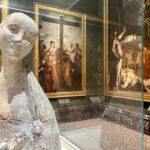
Six stops. Two hours. Fast orientation in Milan. This tour is built for quick understanding of the city’s style—from the Duomo’s carved skyline to the glass-and-iron Galleria shopping arcade, plus Brera’s artsy streets. You’ll get Duomo façade details and Galleria Vittorio Emanuele II context without needing long detours. One thing to consider: the experience depends on the guide’s communication and sticking to the planned route, and I’d keep an eye on that.
I like that it’s short, small (max 15), and organized around frequent stops—about 20 minutes each—so you’re not stuck in one place too long. You also get a professional guide and a mobile ticket, which makes showing up straightforward. The trade-off is that it’s mostly an outside-view tour, and entry tickets aren’t included, so you won’t get museum time unless you buy separately on your own.
In This Review
- Key Things to Know Before You Go
- Two Hours to Get Your Bearings in Milan
- Price, Group Size, and the Mobile Ticket Reality
- Duomo Di Milano: What to Notice on the Façade
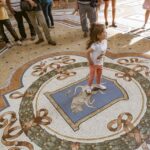
- Galleria Vittorio Emanuele II and Piazza Connections
- Bottega Rossa Food Lesson Without Going Inside
- Brera District Walk: Galleries, Streets, and Pinacoteca Context
- Cavalli e Nastri for Second-Hand Fashion Fans
- Castello Sforzesco from the Outside: Fortress to Museum Zone
- Should You Bring Museum Tickets or Just Comfortable Shoes?
- Common Pitfalls: When the Route Isn’t Strict
- Should You Book This Milan Walking Tour?
- FAQ
- How long is the Milan walking tour?
- What does the tour cost?
- Is the tour offered in English?
- What are the main stops on the walk?
- Are entry tickets included?
- Does the tour use a mobile ticket?
- Where does the tour start and end?
- How large is the group?
- What’s the cancellation policy?
Key Things to Know Before You Go

- Duomo Di Milano outside focus: More than 3,000 statues and 135 spires, explained across six centuries of building.
- Galleria as a connector: A covered walkway linking Piazza del Duomo and Piazza della Scala.
- Food culture stop without entry: You learn about traditional Milanese food at Bottega Rossa while the tour keeps moving.
- Brera without museum pressure: You get neighborhood atmosphere and art-world context, including the Pinacoteca di Brera area.
- Vintage fashion moment at Cavalli e Nastri: A chance to see second-hand Milan style in a dedicated shop setting.
- Castello Sforzesco from the outside: Former fortress to museum hub, with viewing time geared toward orientation.
Two Hours to Get Your Bearings in Milan

This walk is designed like a “get oriented and still enjoy your day” plan. The timing is built around short, repeatable breaks: about six stops, each giving you roughly 20 minutes. For Milan, that’s a smart pace. You’ll cover big-name landmarks and also get a slice of daily life—shopping streets, an arts neighborhood, and a fortress area.
You’ll also notice something: the tour’s route isn’t just about monuments. It’s about how Milan feels. The Duomo is grand and sculpted. The Galleria feels like a stage set for strolling and people-watching. Brera shifts into smaller streets and art references. Then the plan pivots toward fashion at a vintage shop and ends at Castello Sforzesco’s museum complex zone.
You can also read our reviews of more walking tours in Milan

Price, Group Size, and the Mobile Ticket Reality
At $39 per person for about two hours, this sits in the “good value for guided orientation” category—especially if you like someone pointing out what you’d otherwise miss. You’re paying for time efficiency and explanation, not for museum admissions. Admission is listed as free at each stop, so your cost is mainly the guide and the walk.
Group size matters here. With a maximum of 15 people, you’re less likely to feel lost in a crowd. That size also helps the guide keep momentum through key streets.
Two practical notes:
- You’ll have a mobile ticket, so have your phone battery ready.
- It’s offered in English, but communication quality can vary by guide, so you’ll want to choose this tour if you’re comfortable following explanations on the move.
Duomo Di Milano: What to Notice on the Façade
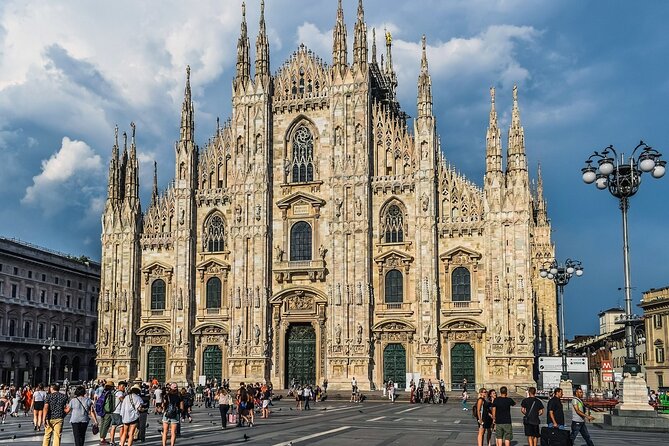
The Duomo Di Milano stop is outside-only, which is exactly how you should treat it on a short walking tour. Even without stepping inside, you can spend those 20 minutes noticing why people obsess over this cathedral.
Here’s what you’ll anchor on:
- The façade was built over six centuries.
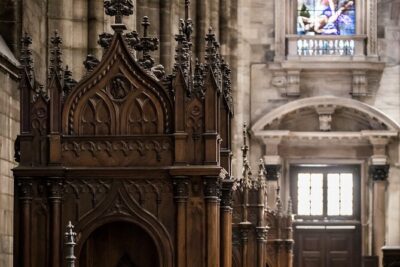
- You’re looking at a forest of sculpture: more than 3,000 statues and 135 spires.
Outside-only doesn’t mean “limited.” It means you get to see the monument as a whole from street level. If you do anything to prep, do this: look up. Milan’s Duomo is mostly about vertical detail, and a guide helps you find patterns you’d otherwise gloss over while walking.
Possible drawback: if your guide rushes or the group stays too far back, you may only catch a brief impression. I’d rather you show up with a mindset of learning what to look for, not collecting a checklist.
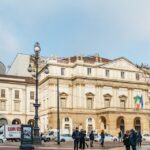
Galleria Vittorio Emanuele II and Piazza Connections
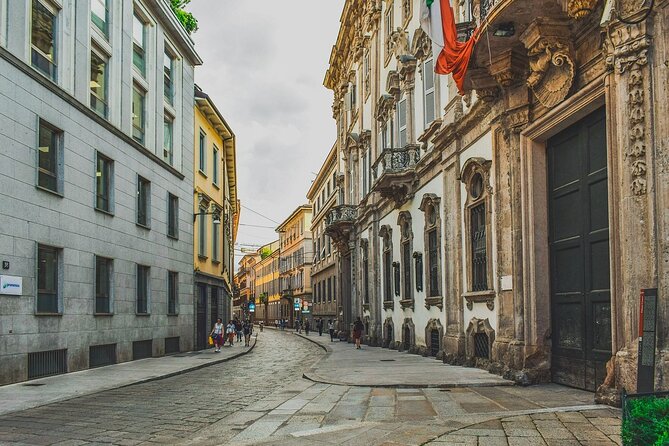
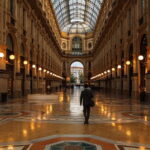
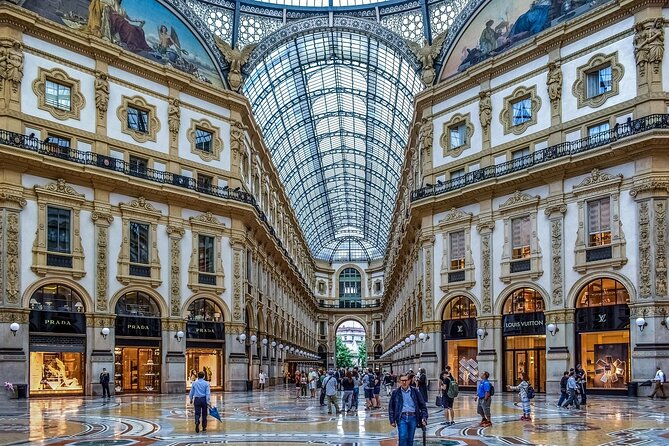
Next up is the Galleria Vittorio Emanuele II. This is one of those places where Milan reveals its taste for style and comfort—covered, elegant, and made for strolling.
The key value of the stop is its location and connection:
- It links Piazza del Duomo with Piazza della Scala.
- It’s home to historic shops and cafés.
A good guide will help you read the space: how the arcade channels foot traffic, where people tend to linger, and why this “in-between” corridor became such a social magnet. Even if you’re not shopping, you’ll feel the transition from major monument to everyday Milan choreography.
Practical tip: wear shoes you can stand in. You’ll move through, pause, and likely want a couple of slow looks at the architecture.
Bottega Rossa Food Lesson Without Going Inside
This is the tour’s clever pivot: instead of turning the walk into a restaurant mission, it gives you a quick food culture explanation at Bottega Rossa while keeping the group moving.
That matters because you’re not spending a big chunk of your limited time negotiating entry or seating. You’ll still get the “why this matters” angle—traditional Milanese food framed as part of local identity.
What to expect:
- You’ll learn about food culture and then continue right away.
- You’re not locked into an inside experience.
If you’re the type who likes to eat later on your own, this stop is a good match. It also gives you a few mental cues so when you see Milanese dishes on menus, you’ll recognize more than just the names.


Brera District Walk: Galleries, Streets, and Pinacoteca Context
Brera is where Milan gets more human-scale. This portion is about neighborhood texture: art galleries, shops, and the wider art ecosystem around the Pinacoteca di Brera area.
In about 20 minutes, you’re unlikely to “do Brera” in the full afternoon sense. Instead, you’ll get:
- a guided sense of where the art-world energy concentrates,
- a feel for the streets that define the area,
- and enough context to plan a longer self-guided wander later.
Drawback to keep in mind: if you’re hoping this tour will replace an actual museum visit, it won’t. It’s more like a guided orientation walk through the zone that surrounds major art.
Cavalli e Nastri for Second-Hand Fashion Fans
Then the tour shifts to fashion reality at Cavalli e Nastri, described as a vintage clothing shop selling second-hand fashion items.
Even if you’re not a shopaholic, this is a smart stop for two reasons:
- It shows another side of Milan that isn’t just cathedrals and opera.
- It gives you a chance to see how contemporary Milan style references the past.
If you like vintage and street fashion, you might linger longer than the scheduled 20 minutes. If you’re not into shopping, treat it like a short look at the city’s style language and then move on with the group.
Castello Sforzesco from the Outside: Fortress to Museum Zone
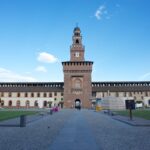
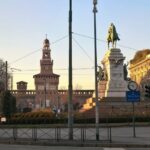
The tour ends with Castello Sforzesco, which is described as a former fortress that houses several museums. Like the Duomo, this is mainly an outside viewing stop on this specific walk.
The value here is orientation. You’ll get the fortress presence without needing to commit to museum tickets, and you’ll leave knowing that this spot isn’t just a building—it’s a museum complex area.
One caution, based on what I’ve seen reported: in some cases, Castello can end up being a quick distant glance rather than a proper stop. If your priority is a solid “see it close-up” moment, I’d ask the guide (politely) early in the tour that the group will have time to view the castle area directly and not just pass by.
Should You Bring Museum Tickets or Just Comfortable Shoes?
Entry tickets to attractions aren’t included, which changes how you should plan your day. This tour is best as:
- a guided introduction to landmarks and neighborhoods,
- a fast way to spot what you want to revisit later,
- and a way to get local framing so your self-guided time feels more rewarding.
So if you arrive thinking this will replace museum visits, you’ll feel underfed. Instead, bring comfortable shoes and treat it like an appetizer. After the walk, you can decide what deserves your wallet and how much time you want.
If you’re the type who needs clear English explanations to enjoy a guide-led experience, it’s also worth factoring that in. Some feedback tied to a guide named Matteo mentioned English clarity and route consistency issues. I can’t predict what you’ll get, but you should know this risk exists and plan accordingly.
Common Pitfalls: When the Route Isn’t Strict
Most walking tours succeed when the guide keeps the plan tight. The issues people described with a guide named Matteo weren’t small annoyances—they were the kind of problems that can derail a two-hour experience.
Here are the practical things to watch for:
- Language clarity: If your English comprehension is a must, don’t assume the guide’s explanations will land perfectly. Poor clarity makes even famous stops feel random.
- Route drift: One concern was that the tour didn’t follow the described route and timing, including time at Castello being brief.
- Unexpected add-ons: There was an account of a detour into a supermarket to try to persuade purchases (like beer). That’s not what most people booked for, so if something like that happens, you’re allowed to politely opt out or ask to get back on track.
- Finishing point mismatch: The tour is listed as ending back at the meeting point, but there was also a report of ending by the canals. Before you start, confirm where you’ll finish so you’re not guessing at the end.
Also, rescheduling can change things. One report mentioned a rescheduled tour leading to a different itinerary. If your schedule is tight, keep flexibility in mind.
Should You Book This Milan Walking Tour?
Book it if you want a short, guided way to connect Milan’s major sights—especially if you like quick stop-and-learn pacing. The mix is appealing: Duomo outside detail, the Galleria arcade feel, Brera neighborhood context, a vintage shop moment, and Castello Sforzesco as a fortress-to-museum zone. For $39, you’re paying for direction and interpretation more than ticketed access.
I’d hesitate or approach with caution if:
- you need museum entry included (it isn’t),
- you’re very sensitive to guide language and want explanations you can fully follow,
- or your main goal is a specific “close-up” amount of time at Castello Sforzesco and the Duomo area.
If your plan is simply to get your bearings in Milan and then choose where to spend your extra hours, this tour makes sense. Just go in knowing it’s an outside-focused walk and not a museum ticket package—and do a quick confirmation with the guide about the route and ending point.
FAQ
How long is the Milan walking tour?
It’s about 2 hours.
What does the tour cost?
The price is $39.00 per person.
Is the tour offered in English?
Yes, the tour is offered in English.
What are the main stops on the walk?
The tour includes Duomo Di Milano, Galleria Vittorio Emanuele II, Bottega Rossa, Brera District, Cavalli e Nastri, and Castello Sforzesco.
Are entry tickets included?
No. Entry tickets to attractions are not included.
Does the tour use a mobile ticket?
Yes, it includes a mobile ticket.
Where does the tour start and end?
It starts at Montenapoleone M320121 Milan, Metropolitan City of Milan, Italy, and ends back at the meeting point.
How large is the group?
The maximum group size is 15 travelers.
What’s the cancellation policy?
Free cancellation is available. You can cancel up to 24 hours in advance for a full refund.