REVIEW · MILAN
Milan: Sforza Castle and Michelangelo’s Pietà Rondanini Tour
Book on GetYourGuide →Operated by Hidden Experiences · Bookable on GetYourGuide
One sculpture, one fortress, a real Milan reset. This guided 1.5-hour walk pairs Sforza Castle with Michelangelo’s unfinished Pietà Rondanini, then ties the art to Leonardo and ducal power just steps from the Duomo.
I love the up-close time for Pietà Rondanini, including why its raw, unfinished look still feels modern. I also love how the route uses the courtyards (Corte Ducale and Cortile della Rocchetta) so the Renaissance architecture makes sense, not just looks pretty.
My only heads-up is the clock. In 90 minutes, the tour hits major highlights, so you’ll likely want to return to explore any museum rooms you didn’t get time for.
In This Review
- Key Points to Know Before You Go
- Sforza Castle and Pietà Rondanini in 90 Minutes: What You Actually Get
- Finding the Filarete Clock Tower: Your Piazza Castello Meeting Spot
- Inside the Castle Museums: Entering Without Friction
- Michelangelo’s Pietà Rondanini: The Unfinished Marble That Feels Urgent
- Corte Ducale and Cortile della Rocchetta: Renaissance Architecture With a Purpose
- Leonardo in the Castle: Why Milan Is More Than One Famous Painting
- Visconti and Sforza Stories: Biscione, Duke Drama, and Power Symbols
- Price and Practical Value: Is $47 Worth It?
- Should You Book This Sforza Castle and Pietà Rondanini Tour?
- FAQ
- How long is the Sforza Castle and Pietà Rondanini tour?
- Where do I meet the guide?
- What’s included in the price?
- What will I see during the tour?
- Is the tour wheelchair accessible?
- Do they offer private groups?
Key Points to Know Before You Go
- Convenient entry: you get castle and museum access included, so you spend less time figuring out logistics.
- Michelangelo’s final unfinished work: you’ll get a guided, emotional read of the elongated figures and non-finito texture.
- Leonardo in the castle years: the tour explains his nearly 20 years there, not just his famous murals elsewhere.
- Courtyard architecture with context: Corte Ducale and Cortile della Rocchetta show how design served politics.
- Duke stories you can walk through: Visconti and Sforza power, plus symbols like the Biscione.
- Small-group feel and audio support: headphones are part of the format (especially helpful in museum rooms).
Sforza Castle and Pietà Rondanini in 90 Minutes: What You Actually Get
This tour is built around contrast. You start with a massive medieval fortress that later turns into a Renaissance showpiece, and you end up in one of the most intense works Michelangelo ever made: his Pietà Rondanini.
In practical terms, you’re not doing a full-day museum marathon. You’re getting the best “why it matters” parts: the sculpture’s meaning, the castle’s transformation, and the ducal drama that shaped Milan into a cultural capital.
The big win for me is the pairing. If you’re the type who likes art to have fingerprints—patron, politics, and pressure—you’ll enjoy how the guide links Michelangelo’s late-life urgency to the world that surrounded the Visconti and Sforza.
You can also read our reviews of more tours and experiences in Milan.


Finding the Filarete Clock Tower: Your Piazza Castello Meeting Spot
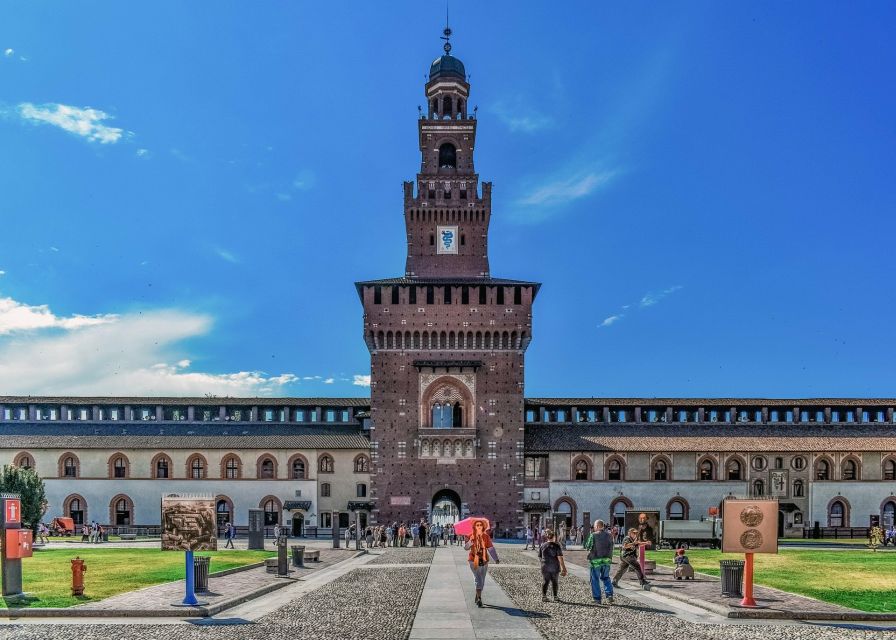
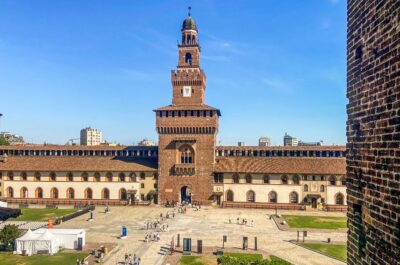
You’ll meet the guide in Piazza Castello, outside the castle. The meeting point is under the Filarete clock tower, in front of the Sforza Castle, and you should look for the Hidden Experiences purple flag or board.
This matters because the tour begins with navigation and timing. You’re not meeting inside the courtyards, so aim to arrive a few minutes early, especially if you’re also stopping by the area for photos.
If you’re traveling on a tight schedule, this is also a nice format. The tour duration is listed at about 1.5 hours, so you can usually plan your Duomo or Navigli time with less stress.
Inside the Castle Museums: Entering Without Friction
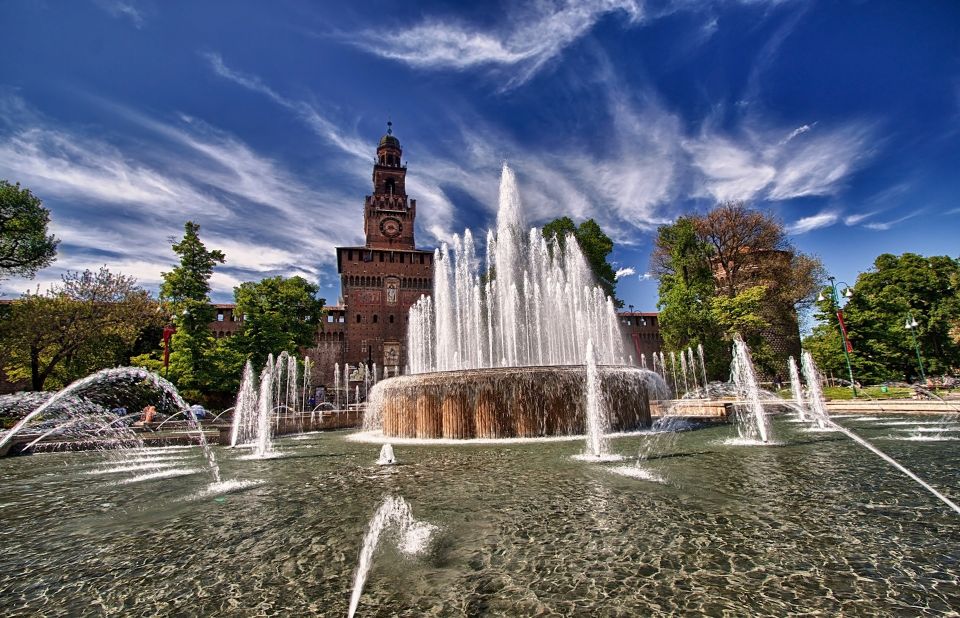
The experience includes the entrance fees for the castle and museum spaces. That’s a real value point because you’re paying for guided time plus access, not just someone walking you around outside.
Once inside, the guide directs your attention to the right rooms and objects rather than making you guess what’s most important. In the feedback you’ll find plenty of praise for guides who keep the pace sharp and the highlights front-and-center.
A small caution: because it’s a short tour, museum time is selective. One person noted that an archaeological museum section felt rushed, which tells you the format is designed around key stops rather than giving every room equal time.
So my advice is simple: treat this as the fast route to understanding the site. If you want deeper museum wandering, plan to come back later—your visit will feel more meaningful because you’ll know what you’re looking for.
Michelangelo’s Pietà Rondanini: The Unfinished Marble That Feels Urgent
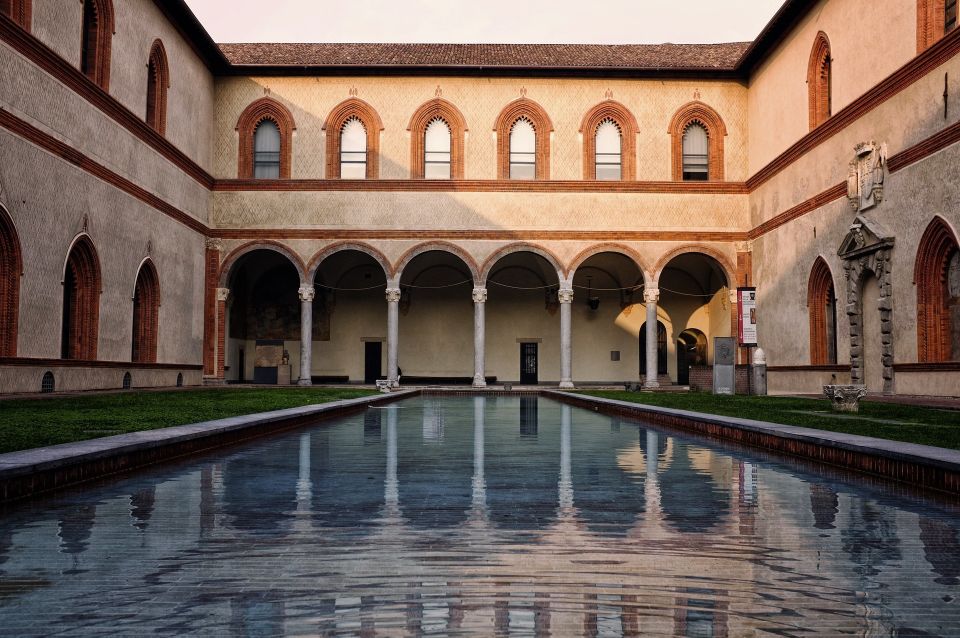
The emotional centerpiece is Michelangelo’s Pietà Rondanini. This is presented as his final, unfinished testament, and the tour explains that he worked on the marble block until just days before his death at age 89.
Here’s what makes the guided analysis especially useful. In the art, you see elongated figures and a raw non-finito surface—unfinished in the traditional sense, but not unfinished in intention. The guide helps you read the “why” behind that roughness: spiritual urgency rather than perfection for perfection’s sake.
If you’ve only ever met Michelangelo through his polished masterpieces, this one is a different kind of power. The Pietà Rondanini feels like a mind at the edge of time—still working, still trying, still shaping meaning right up to the last moment.
And because it’s inside the castle’s museum context, you don’t just see the sculpture in isolation. You experience how Milan’s political and artistic world created space for masterworks like this, even when the artists themselves were confronting mortality.
Corte Ducale and Cortile della Rocchetta: Renaissance Architecture With a Purpose
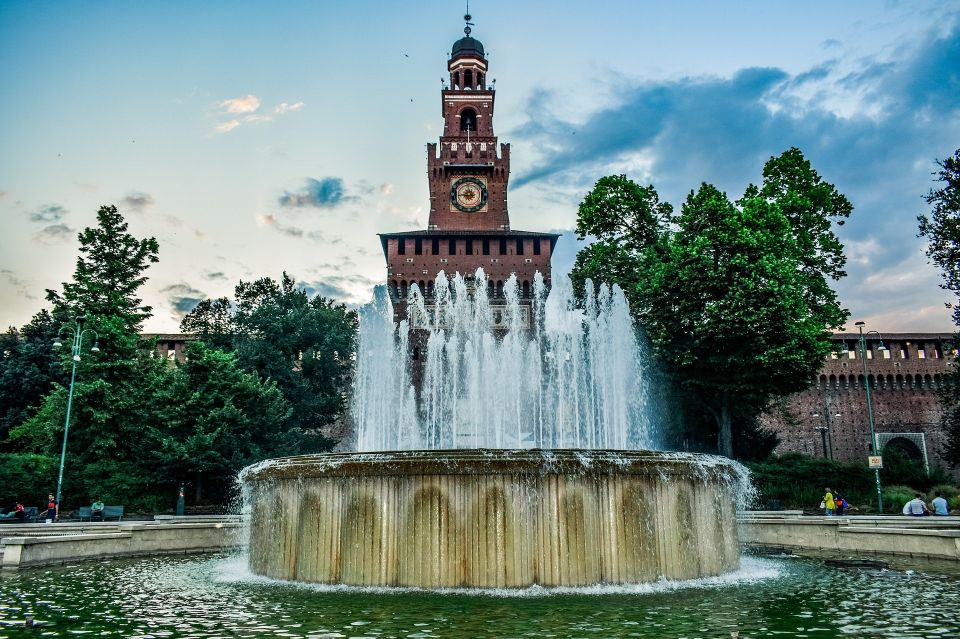
After the Pietà, the tour shifts into the castle’s internal courtyards and Renaissance design. This is where the experience becomes physical: you’re walking through space that was built for status, ceremony, and control.
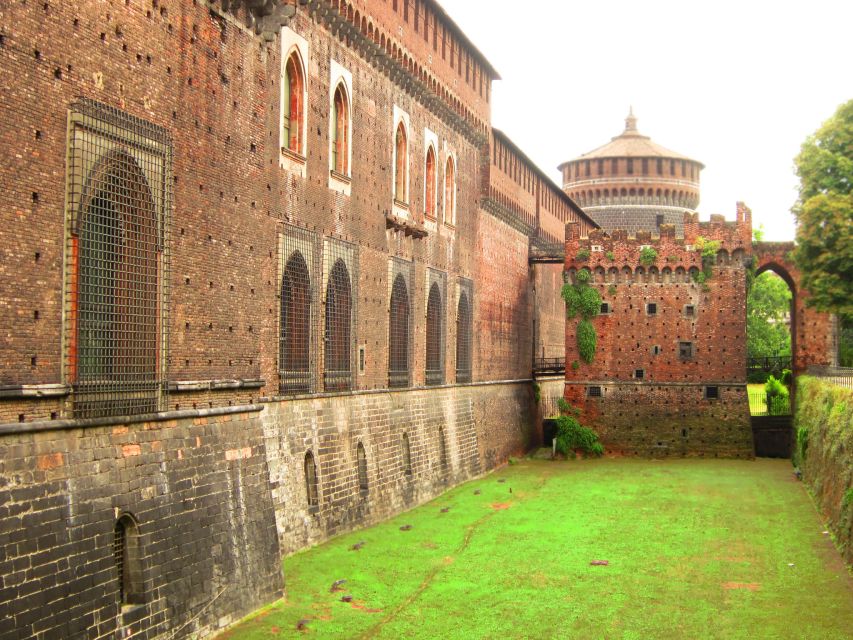
You’ll visit areas tied to ducal life, including Corte Ducale and Cortile della Rocchetta. The guide points out how the architecture frames power—where someone would stand, where processions might move, how the site’s layout supports authority.
This is also the part of the tour that helps you “see” the castle’s transformation. The fortress begins as a defensive structure, then becomes a stage for Renaissance wealth and ambition. When you understand that shift, the stone stops being just scenery.
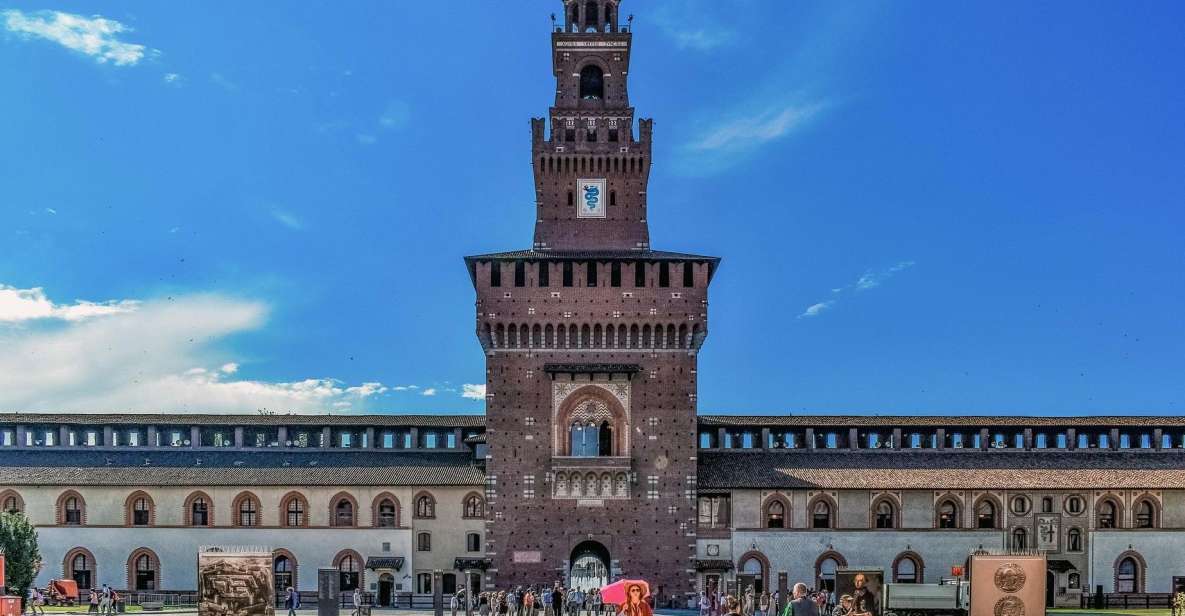
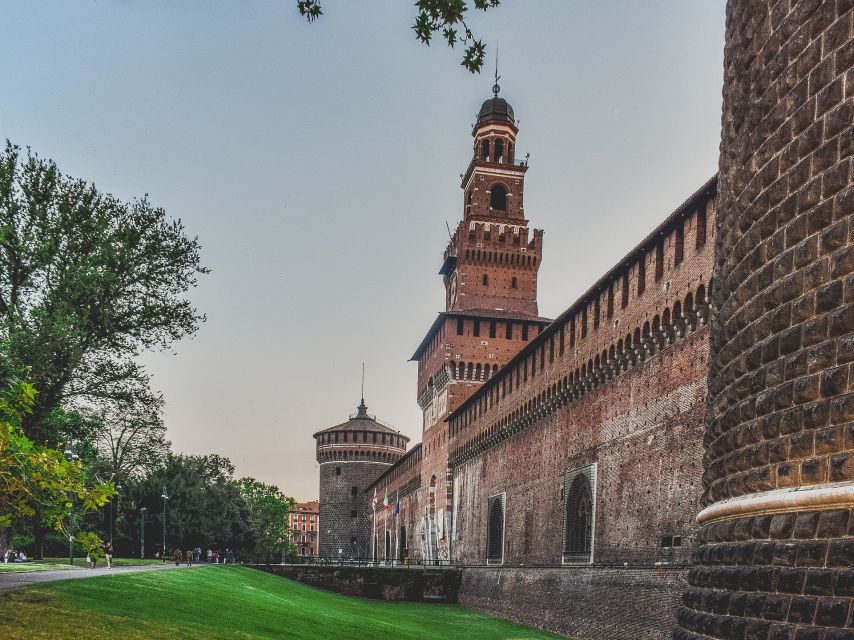
The castle’s towers also get attention. The tour references the Filarete Tower as a landmark while the guide explains how the site survived centuries and became part of Milanese identity.


Leonardo in the Castle: Why Milan Is More Than One Famous Painting
Leonardo da Vinci is tied to Milan in big headline ways, but this tour puts him in a different spotlight. The guide explains that Leonardo lived and worked in the castle for nearly twenty years.
Yes, you’ll hear reminders of his famous work elsewhere, but what matters here is the connection between reputation and real routine. Leonardo is presented as a court engineer and architect—someone doing practical work inside ducal walls, not just an artist wandering in from another dimension.
As you walk through the ducal areas, the guide connects Leonardo to the Sforza world. That’s useful because it turns history into a story you can follow with your feet, rather than facts you forget after the museum.
If you’ve already seen Leonardo’s most famous Milan piece, this tour gives you the missing second layer: the environment where an extraordinary mind was working under patronage.
Visconti and Sforza Stories: Biscione, Duke Drama, and Power Symbols
This is a politics-and-people tour, even if you’re mostly looking at art and stone. The guide tells the real stories of the Visconti and Sforza families, who were central to Milan’s rise as a Renaissance capital.
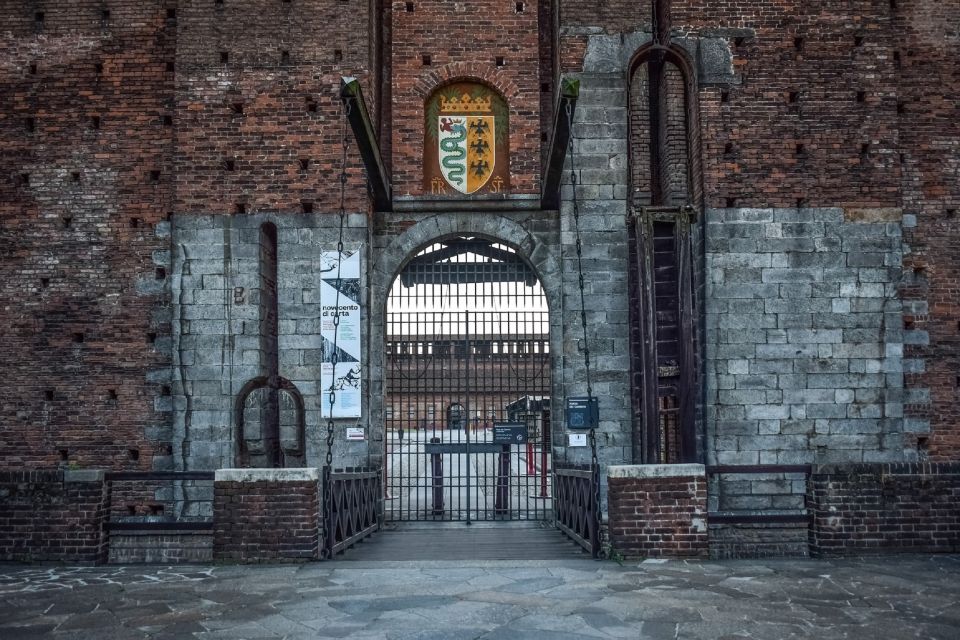
You’ll hear about Ludovico il Moro and how court life played out from inside the castle. You also get an explanation of the Biscione—the serpent coat of arms—and what it signaled for the dynasties that ruled from here.
The best part is how the symbolism becomes part of your walking route. The guide doesn’t just list emblems; you connect the marks to identity, legitimacy, and the image of power the dukes wanted to project.
There’s also space for smaller human details—noblewomen, ambitious men, intrigue—so the castle stops feeling like a sealed-away artifact. You start to sense how decisions, alliances, and image-making shaped the city you’re standing in.
Price and Practical Value: Is $47 Worth It?
At $47 per person for about 1.5 hours, the deal is mostly about what’s included. Entrance fees for the castle and museum spaces are part of the price, and you get a certified guide plus headphones for clearer audio in indoor spaces.
Small-group format is another value driver. Several people mention tiny group sizes, including moments where it can feel almost private. That helps because you can ask follow-up questions without waiting your turn in a crowd.
Audio is generally supported, but one practical note from feedback: the earpieces were intermittent for at least one group at one time, making the guide harder to hear in spots. If sound is an issue, don’t hesitate to move closer to the guide when you can.
Guide quality seems to be a consistent highlight. Names that come up with extra praise include Giorgio, Stephanie, Fabio, Simone, Lorella, and Lara. The common theme across these notes is clarity, pacing that respects the site, and the ability to explain complex context without drowning you in dates.
Should You Book This Sforza Castle and Pietà Rondanini Tour?
If you want Milan in story form—fortress to Renaissance court, then straight into Michelangelo’s emotional last chapter—this is a strong first stop. The time is short, the art focus is real, and the castle tour isn’t just “look at this wall” sightseeing.
Book it if:
- You’re an art-and-history person who likes context that actually changes how you look.
- You want a high-impact visit near the Duomo without committing to a half-day plan.
- You’d rather have a guide connect symbols like the Biscione and ducal power than read everything alone.
Skip it if:
- You’re hoping for a deep, room-by-room museum study. This tour prioritizes highlights and interpretation, not full coverage.
- You prefer lots of quiet time. It’s a guided route, so you’ll be moving and listening most of the way.
If you’re trying to decide between wandering and going guided for the first time in Milan, I’d lean guided here. You’ll leave knowing what to notice next time you step into the castle.
FAQ
How long is the Sforza Castle and Pietà Rondanini tour?
The tour lasts about 1.5 hours.
Where do I meet the guide?
Meet in Piazza Castello under the Filarete clock tower, in front of Sforza Castle (not inside the courtyards).
What’s included in the price?
Entrance fees to the castle and museum, a certified tour guide, headphones for participants, and a small-group guided tour.
What will I see during the tour?
You’ll see Sforza Castle and museum highlights, Michelangelo’s Pietà Rondanini, the ducal courtyards (including Corte Ducale and Cortile della Rocchetta), and learn about the Visconti and Sforza families plus Leonardo’s connection to the castle.
Is the tour wheelchair accessible?
Yes, it’s wheelchair accessible.
Do they offer private groups?
Yes, a private group option is available.